Alex Dudov
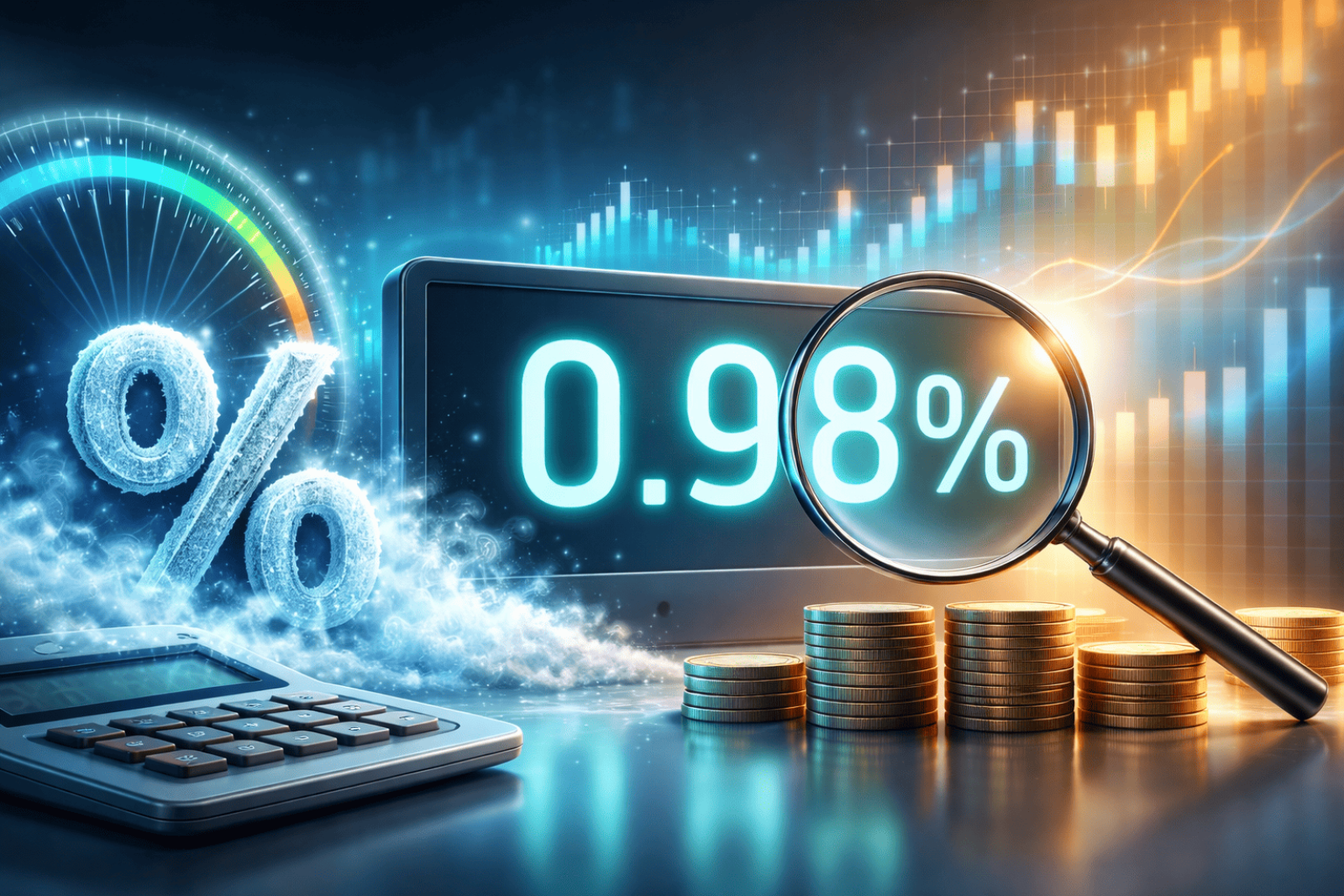
⬤ On February 3, a major gap appeared between official inflation numbers and real-world price tracking. Truflation's US CPI Inflation Index came in at just 0.98% year-over-year, based on millions of actual prices collected in real time. That's less than half the Bureau of Labor Statistics' latest reading of 2.70%. Unlike traditional surveys that take weeks to compile, Truflation pulls live pricing data from across the economy every single day.
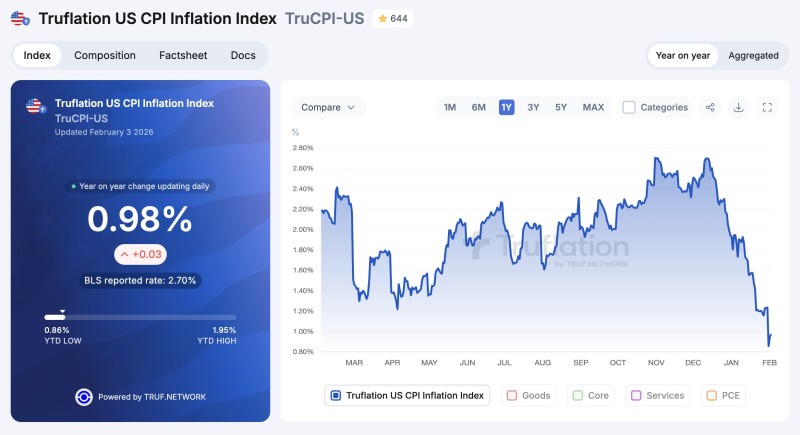
⬤ The Truflation chart tells a clear story. Over the past year, inflation bounced between a high of 1.95% and a low of 0.86% before settling at today's 0.98%. The downward trend since late 2025 suggests price pressures are cooling faster than official reports indicate. The index tracks real transactions rather than statistical estimates, capturing what consumers actually pay right now rather than what surveys suggest they might be paying.
⬤ The data caught attention from prediction markets and crypto-related platforms looking for alternatives to traditional government statistics. Truflation pointed to growing interest from Polymarket, Kalshi, and Coinbase, all exploring how continuously updated inflation metrics could work for market settlements, especially when official data gets delayed or disrupted.
⬤ The widening gap between real-time tracking and official CPI matters for markets. Inflation expectations drive everything from Federal Reserve policy decisions to bond yields and stock valuations. If real-time indicators keep showing lower inflation than government figures, traders might start questioning which data better reflects what's actually happening in the economy. That shift could reshape how markets price in future rate cuts and economic growth.
 Alex Dudov