Peter Smith

⬤ WTI crude oil delivered one of the most dramatic intraday moves in years, surging above $119 per barrel as fears mounted that the escalating US-Iran conflict would choke off Middle East energy supply. The panic was real - traders priced in the worst-case scenario almost instantly. Then, just as fast, the market flipped. Comments hinting that the conflict could end soon sent prices into a freefall, wiping out the entire spike within the same session.
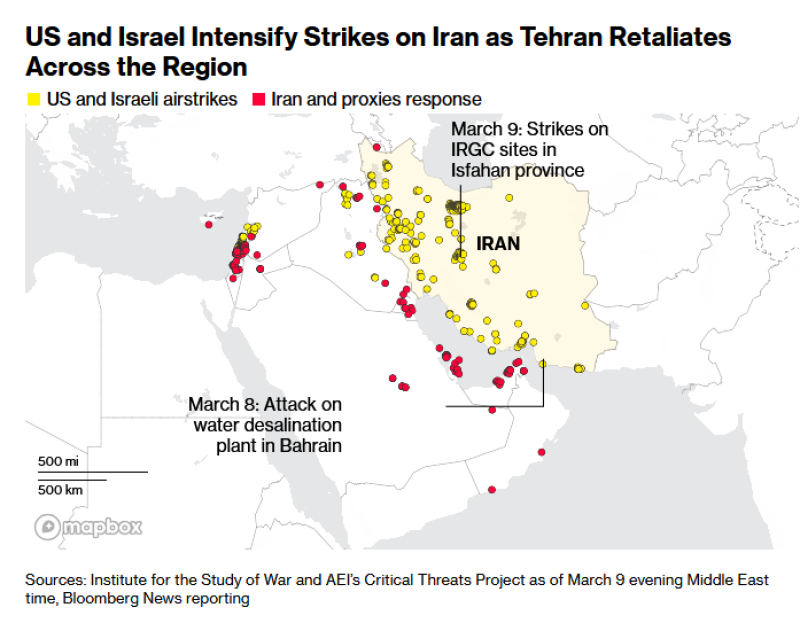
⬤ The core fear driving the initial rally was the Strait of Hormuz - the narrow waterway through which a significant chunk of global crude exports pass. When disruption looked likely, prices spiked hard and fast. The reversal came after reports suggested oil-related sanctions could be waived and that the US Navy might escort tankers through the route - enough to break the panic and push WTI below $90.
⬤ The ripple effect hit equities too. The S&P 500 reversed earlier losses and climbed nearly 1% once the de-escalation narrative took hold. Policymakers floated several options to cap energy costs, including tapping emergency stockpiles and a temporary federal gasoline tax suspension. This mirrors past episodes like WTI Oil Near $100 After Historic 30% Intraday Reversal, where rapid sentiment shifts triggered massive crude swings.
⬤ Even after the crash, the market remains on edge. Geopolitical tensions across the Middle East haven't disappeared, and the Strait of Hormuz is still a chokepoint that any flare-up could instantly weaponize. Traders watching WTI Oil Breaks $84: Key Resistance at $87 and $95 Now in Focus will know the next directional move hinges entirely on whether diplomacy holds or headlines escalate again.
 Peter Smith