Artem Voloskovets
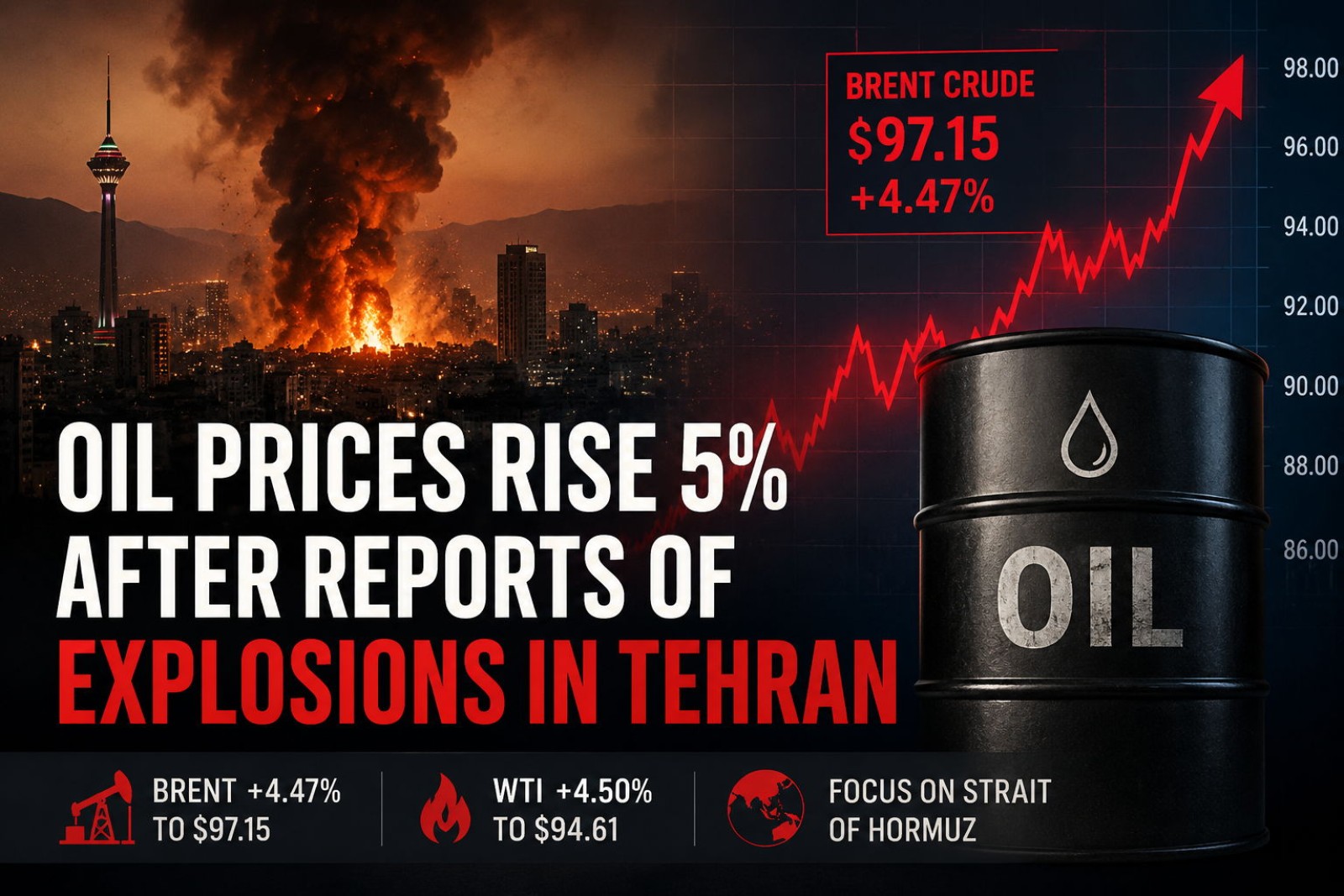
Oil prices surged nearly 5% on Monday after Iranian media reported explosions in Tehran. Brent crude rose $4.42 to $97.15 per barrel, while WTI gained $4.07 to $94.61. The move was not driven by confirmed supply disruptions. It was driven by risk.
Markets Price Risk Before Facts
Oil traders rarely wait for official statements or damage assessments. Reports from Tehran were enough to trigger buying across crude markets because they increased the probability of a wider regional conflict. Whether that scenario materializes is a separate question. Prices move on expectations first.
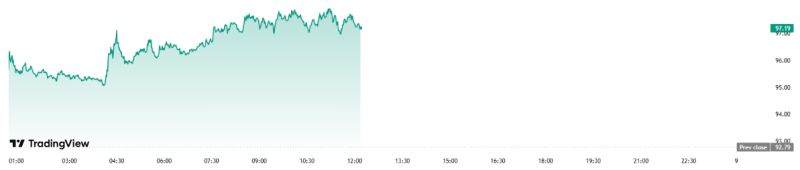
The reaction was immediate. Brent climbed from below $93 to nearly $97 within hours.
Why Iran Has an Outsized Impact on Oil
Most geopolitical events do not move crude prices by 5% in a single session. Iran is different. The country sits on one side of the Strait of Hormuz, the route used to transport roughly a fifth of global oil supplies. Any threat to shipping, exports, or regional infrastructure forces traders to reassess supply risks. The market is not pricing what has happened. It is pricing what could happen.
The Risk Premium Explained
When uncertainty rises, oil often trades above levels justified by current supply and demand. That gap is known as a geopolitical risk premium.
It reflects the possibility of disrupted exports, damaged infrastructure, tighter sanctions, or military escalation. The premium can appear long before a single barrel is removed from the market. That is exactly what happened after the Tehran reports.
Four Signals Traders Watch
After the initial headlines, attention usually shifts to a small group of indicators:
- Activity around the Strait of Hormuz
- Statements from Iranian officials
- Israeli military operations
- Reports involving energy infrastructure or exports
These developments matter far more than the first headline that triggered the move.
Why Stocks Often Struggle When Oil Surges
A rapid rise in crude prices changes inflation expectations. Higher fuel costs increase transportation expenses, pressure corporate margins, and complicate the outlook for central banks. As a result, investors often reduce exposure to risk assets when oil rallies on geopolitical concerns.

Reuters data showed both Brent and WTI gaining roughly 4.5%, reflecting a broad repricing of geopolitical risk across energy markets.
Can Oil Keep Climbing?
That depends on whether the story develops beyond the initial reports. If tensions ease, part of the risk premium could disappear as quickly as it arrived. If new incidents emerge or concerns around shipping routes intensify, crude could continue moving toward the $100 level.
 Artem Voloskovets