Eseandre Mordi

Oil markets are back in the spotlight after Goldman Sachs warned that Brent crude could climb above $100 per barrel if flows through the Strait of Hormuz stay depressed for an extended period. The bank flagged a prolonged disruption at one of the world's most critical energy chokepoints as the primary risk, noting that sustained export reductions could rapidly tighten global supply expectations and reprice crude benchmarks across the board.
Goldman's Base Case: Brent Averages $76 in Q2 2025
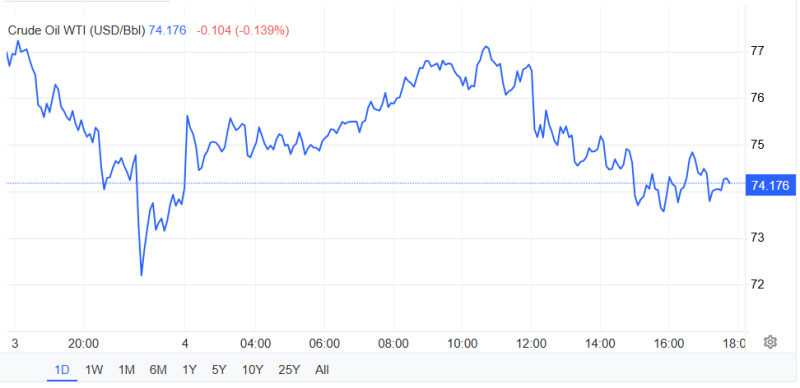
In its baseline scenario, Goldman assumes the current disruptions persist for roughly five more days, with exports running at about 15% of normal levels, followed by a gradual recovery over approximately one month. Under those conditions, the bank projects Brent will average around $76 per barrel in Q2. This suggests that a timely normalization in shipping volumes through Hormuz would cap near-term upside. How geopolitical tension and constrained supply interact has previously been examined in Oil Price Rally: Will the Surge Above $90 Continue?, which tracked similar dynamics during earlier spikes.
$100 Risk Case: Infrastructure Damage and Prolonged Hormuz Shock
Beyond the base case, Goldman outlined a more severe scenario in which damage to oil infrastructure or a longer-lasting shipping disruption keeps exports at depressed levels for weeks. The bank explicitly flagged that five additional weeks at current low export volumes could be enough to drive Brent past the $100 mark. That threshold was last breached in 2022, when Russia's invasion of Ukraine triggered widespread supply fears and sent energy markets into a prolonged rally. The recent episode in Oil and Commodities Surge 20% After Middle East Escalation: Brent and Gold Rally illustrates how quickly transit-route shocks tied to the Middle East can reprice energy markets.
Five additional weeks at current low volumes could push Brent above $100 per barrel. - Goldman Sachs
The warning highlights how sensitive global crude benchmarks remain to disruptions in major transit corridors. Even brief constraints can shift price expectations, while prolonged restrictions can force analysts to revise their supply and demand outlooks significantly. The range of downside and upside risks across crude markets has also been explored in Oil Price News: WTI Falls Below $60 With Deeper Risks, a reminder that macro conditions and supply narratives can swing oil's trajectory in either direction, and often faster than markets anticipate.
 Eseandre Mordi