Alex Dudov
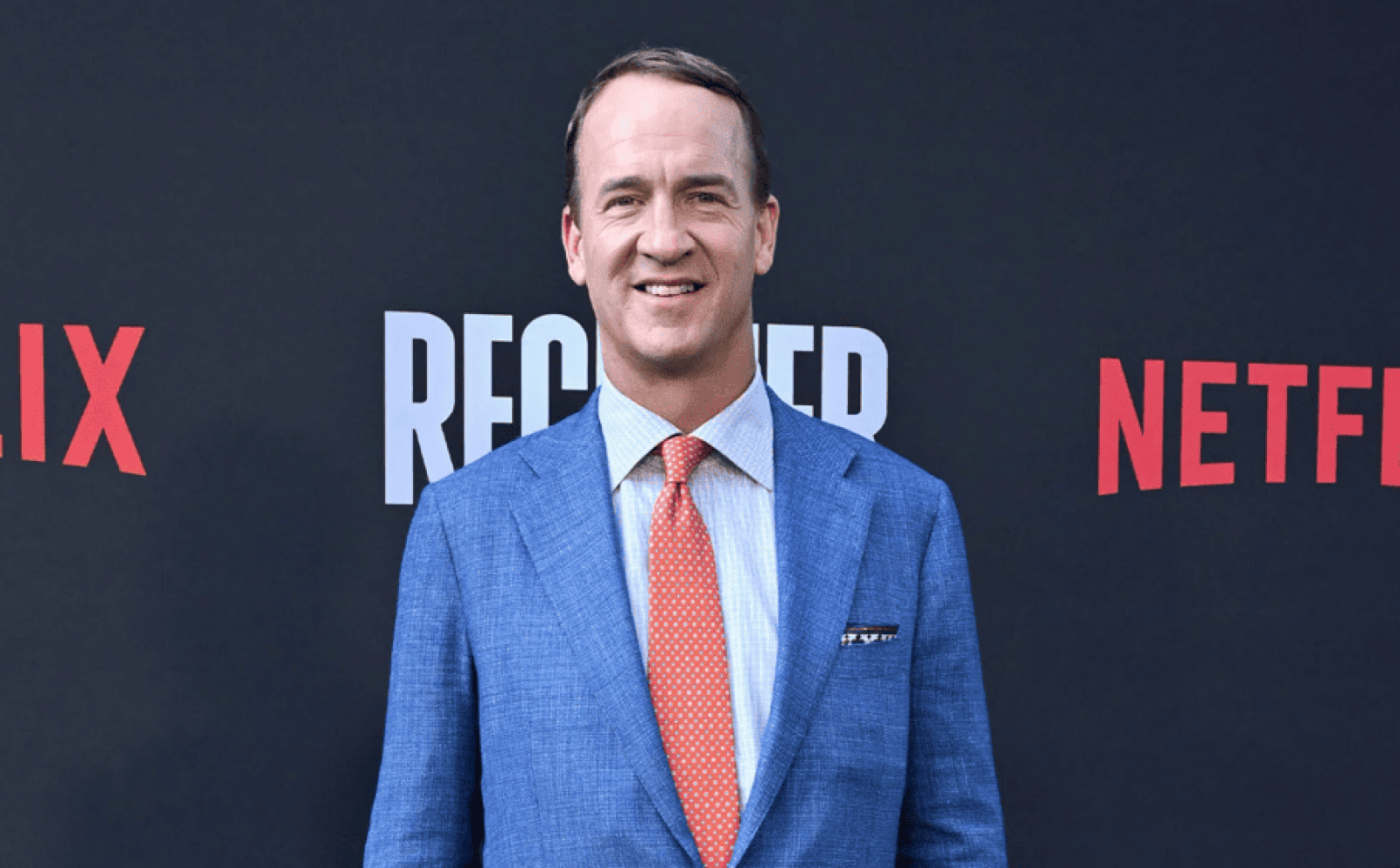
Some athletes make money. Peyton Manning built a system. Over nearly two decades in the NFL, he didn't just rack up touchdowns and MVP trophies - he turned every win, every endorsement deal, and every business move into something that would last well beyond his playing days. Today, with an estimated net worth of $300 million, Manning is one of the wealthiest former athletes in American sports. But what's more interesting than the number is how he got there.
Peyton Manning's First Earnings: A $46.3M Rookie Deal at 22
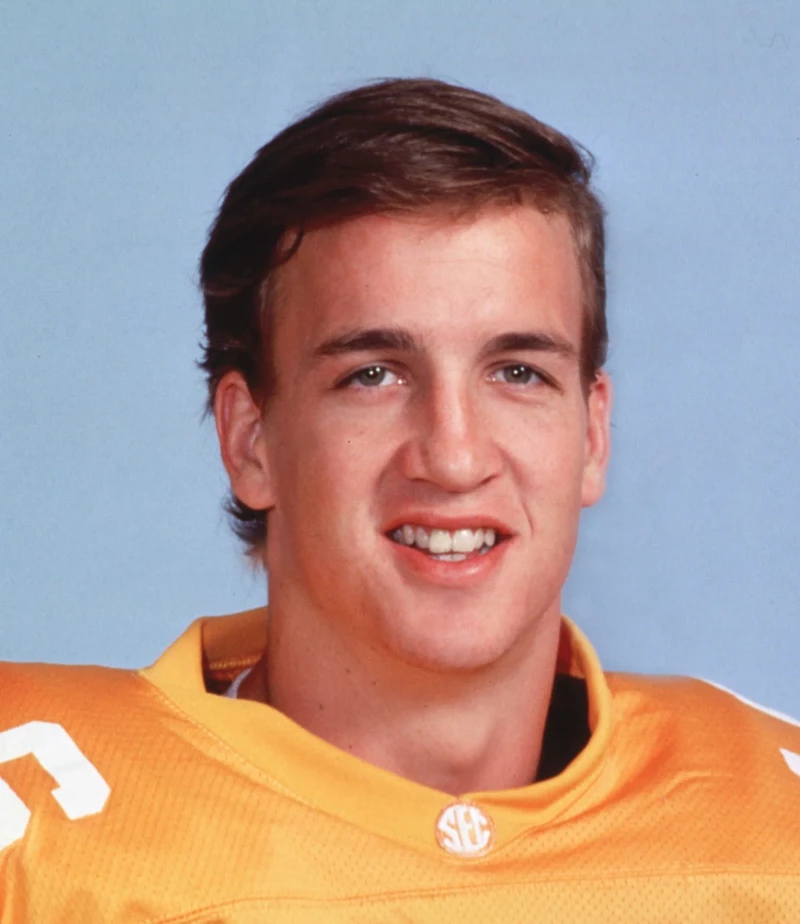
Manning grew up in New Orleans in a family where football was practically the air they breathed. His father, Archie Manning, spent 13 seasons as an NFL quarterback. So when Peyton started lighting up high school fields - finishing with a 34-5 record as a starter and winning the Gatorade National Player of the Year award - it wasn't exactly a surprise. He went to the University of Tennessee, stayed all four years, and came out as the program's all-time passing leader.
The Indianapolis Colts took him first overall in the 1998 NFL Draft. His rookie contract was a record at the time: $46.3 million over six years, with an $11.6 million signing bonus. That worked out to roughly $7.7 million a year - a remarkable figure for a 22-year-old who hadn't played a single professional snap. The first year was rocky (28 interceptions, a 3-13 team record), but Manning treated it as a problem to solve, not a reason to panic.
How Manning's Career Grew: $99M Extension and the MVP Years
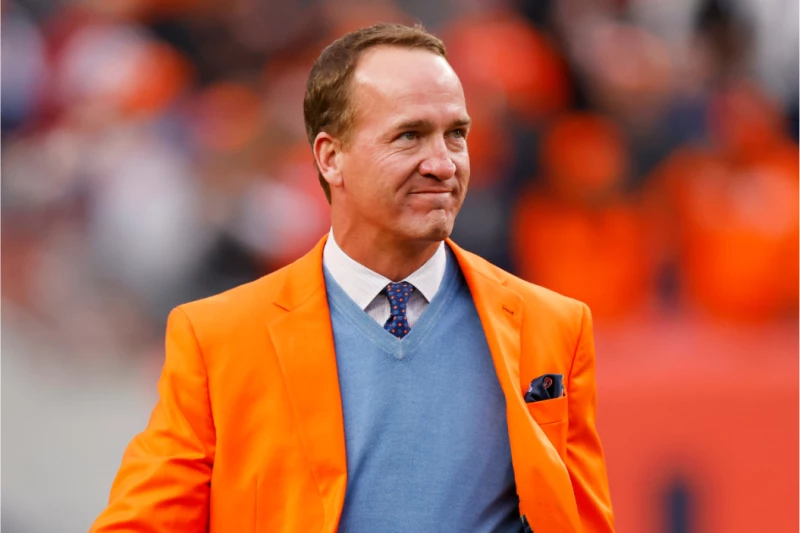
By his third season, he was throwing for over 4,000 yards. By 2003 and 2004, he was the undisputed best player in football, winning back-to-back AP NFL MVP awards. That run earned him a landmark seven-year extension worth $99.2 million - the richest deal in league history at the time, averaging $14.17 million a year with a $34.5 million signing bonus. On the field, he was doing things quarterbacks simply weren't supposed to do: reading defenses at the line, calling audibles on the fly, dissecting coverage schemes before the ball was even snapped.
The money off the field was growing just as fast. At his peak, Manning was pulling in around $40 million a year from endorsements alone - Gatorade, MasterCard, DirecTV, Reebok, Buick, Sony. He wasn't just an athlete brands wanted on their posters; he was someone audiences genuinely liked watching in commercials. That's a rare and valuable thing.
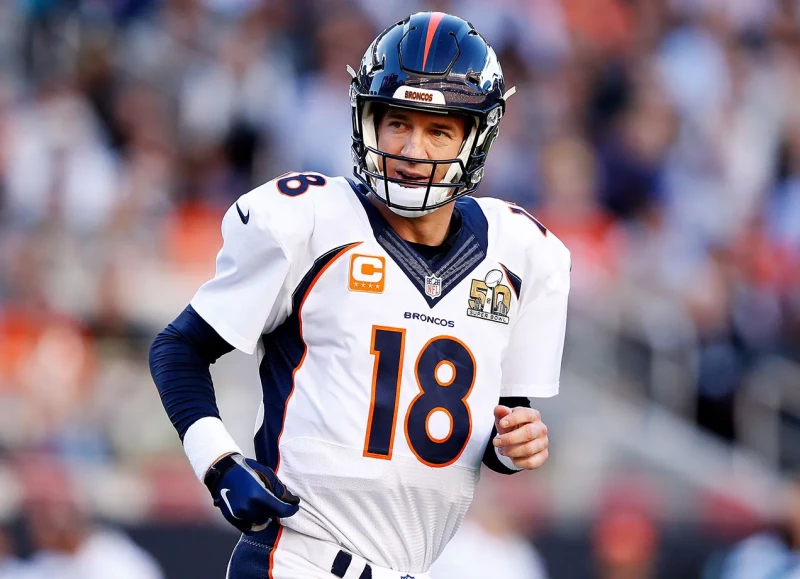
In 2006, he capped the Colts era with a Super Bowl XLI victory over the Chicago Bears, taking MVP honors. A serious neck injury wiped out his entire 2011 season, and Indianapolis let him go rather than pay a $28 million roster bonus. Manning responded by signing a five-year, $96 million deal with the Denver Broncos - $58 million guaranteed. He led Denver to the Super Bowl 50 title in February 2016, beating the Carolina Panthers, then retired on his own terms a month later. His total NFL career earnings came to $248.7 million.
Peyton Manning Net Worth in 2026: Still Building at $300M
Retirement didn't slow Manning down - it gave him a new lane. He co-hosts ESPN's ManningCast alongside his brother Eli, a wildly popular alternate Monday Night Football broadcast that turned football commentary into something actually entertaining. He founded Omaha Productions, a media company that secured a major private equity investment in early 2025 and has expanded into college football, golf, and UFC content. He previously owned 21 Papa John's franchises in Colorado before selling them. More recently, he has invested in Kitchen United and the Denver NWSL team.
Even after walking away from the game, Manning earns an estimated $25-30 million annually through endorsements, media appearances, and business income. Forbes at one point placed his total career earnings closer to $400 million once endorsements were factored in. As of 2026, the widely cited figure for Peyton Manning's net worth sits at $300 million - and given the trajectory of Omaha Productions and his ongoing brand deals, that number is unlikely to stay still.
Manning's Philosophy: What Made Him So Successful
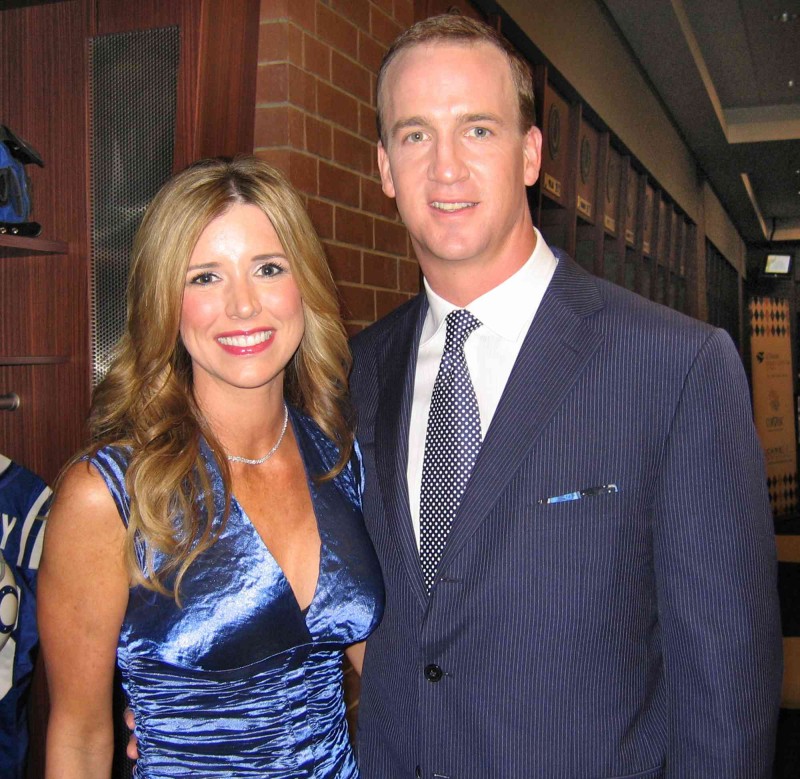
Manning has talked about his approach in enough interviews over the years to piece together a clear philosophy. It starts with preparation. He reportedly memorized the Colts' entire playbook within a week of being drafted. By 2012, he could still recall precise details of plays he had run 16 years earlier. He didn't rely on instinct alone - he built a system of knowledge so deep that the game slowed down for him when it sped up for everyone else.
Off the field, the same logic applied. He chose brand partners carefully and kept them long-term. He avoided the kind of flashy, high-risk moves that have undone other athletes' finances. He also didn't wait to figure out what came after football - Omaha Productions was already taking shape before he retired. That kind of forward thinking, treating every phase of a career as preparation for the next one, is probably the clearest throughline in how Peyton Manning built and sustained $300 million in net worth.
 Alex Dudov