Peter Smith
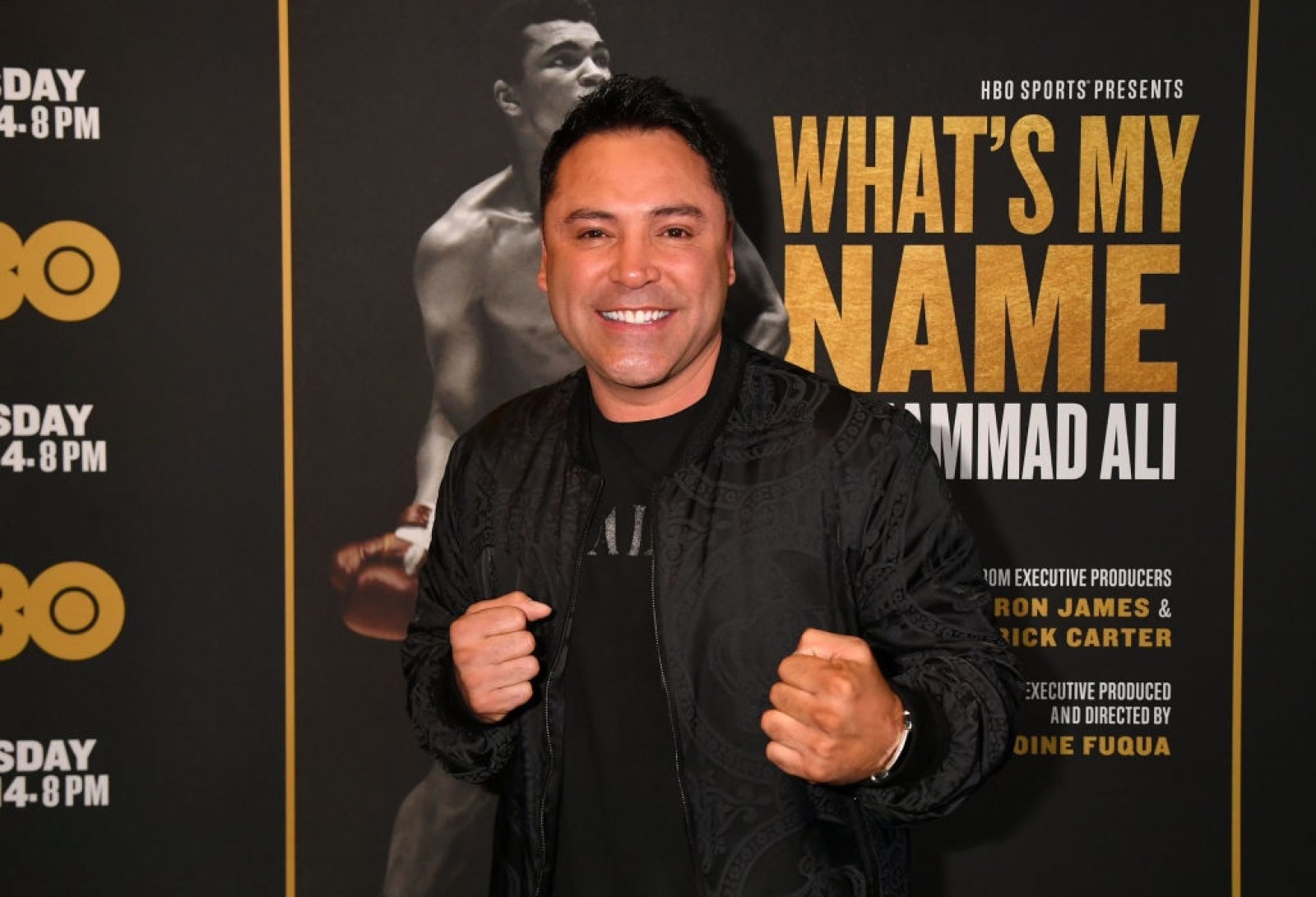
Oscar De La Hoya did not choose boxing - boxing chose him. Born on February 4, 1973, in East Los Angeles, California, into a family with deep roots in the sport - his grandfather was an amateur fighter in Mexico and his father boxed professionally - Oscar was surrounded by the game before he could even throw a proper jab. But what turned a talented kid from East L.A. into a $200 million empire was not just raw skill. It was grief, discipline, and a rare ability to see beyond the ring while still standing in it.
Oscar De La Hoya's First Earnings: A Promise and a Gold Medal
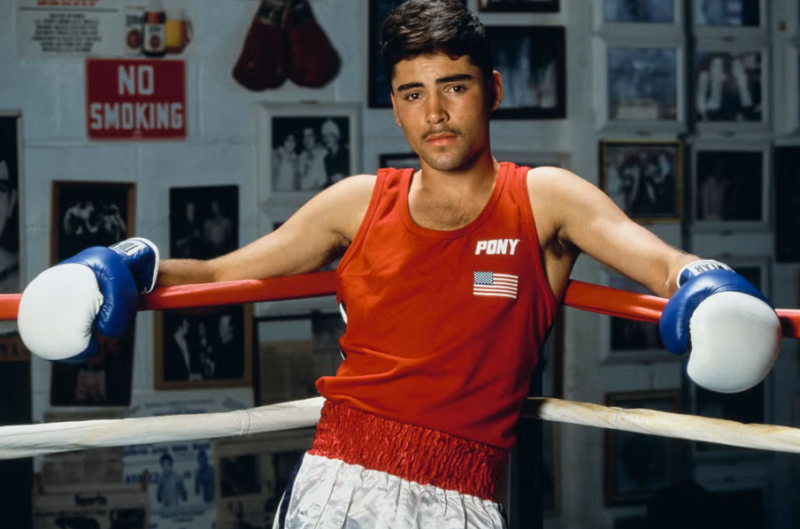
His mother, Cecilia, was battling terminal breast cancer during his teenage years and died before she could see him reach international success. Motivated by a promise he made to her, Oscar qualified for the 1992 Summer Olympic Games shortly after graduating from James A. Garfield High School. He won gold in the lightweight division in Barcelona - and that single moment changed everything about his financial future.
Shortly after the Olympics, De La Hoya was signed by a manager who handed him a deal that included a new house in Montebello, cars, and roughly $500,000 in cash. That was his first real payday - and it set the tone for how he would negotiate the rest of his career: always aware of his value, never willing to leave money on the table.
How De La Hoya Became Boxing's Biggest Earner
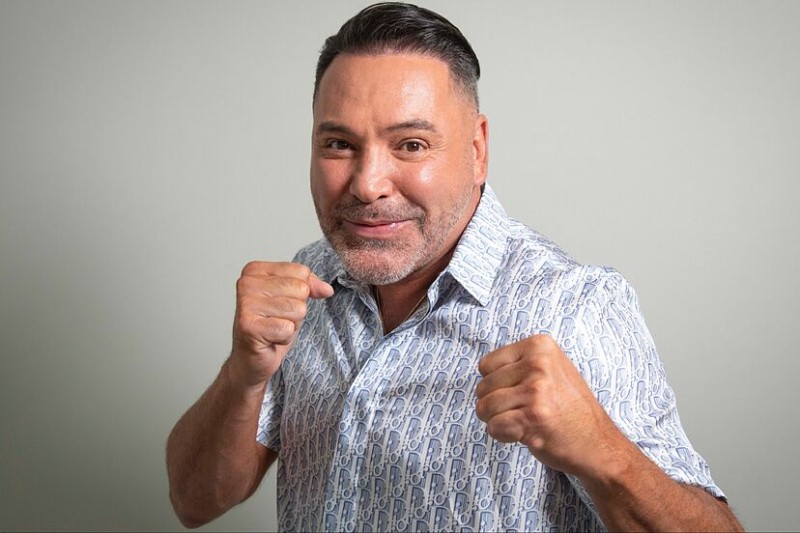
He turned professional in December 1992, scoring a first-round knockout in his debut. By March 1994, he had claimed his first world title, defeating Jimmi Bredahl for the WBO junior lightweight championship. Just four months later, he knocked out Jorge Paez to add the WBO lightweight belt.
The titles kept coming, and so did the money. During his boxing career, De La Hoya earned an estimated $510 million in the ring. His most lucrative single night came in 2007 against Floyd Mayweather Jr., when he walked away with around $52 million - a loss on the scorecards, but a massive win at the bank. He was named Fighter of the Year by The Ring magazine in 1995 and by his late twenties had become the youngest boxer in history to win five world titles across multiple weight classes.
Oscar De La Hoya Net Worth at Its Peak: $700 Million in Pay-Per-View

What separated De La Hoya from most champions was his ability to sell fights. He generated approximately $700 million in pay-per-view income over the course of his career - a record at the time that held until Floyd Mayweather Jr. and Manny Pacquiao eventually surpassed it. His bouts against Julio Cesar Chavez, Pernell Whittaker, and Shane Mosley were not just sporting events - they were cultural moments that drew millions of viewers and tens of millions in revenue.
By the time he fought Pacquiao in 2008 and announced his retirement in April 2009, De La Hoya had closed out a 17-year professional run with 11 world titles across six weight classes and victories over 17 world champions. He had redefined what a non-heavyweight boxer could earn and build.
Golden Boy Promotions and Oscar De La Hoya Net Worth Today
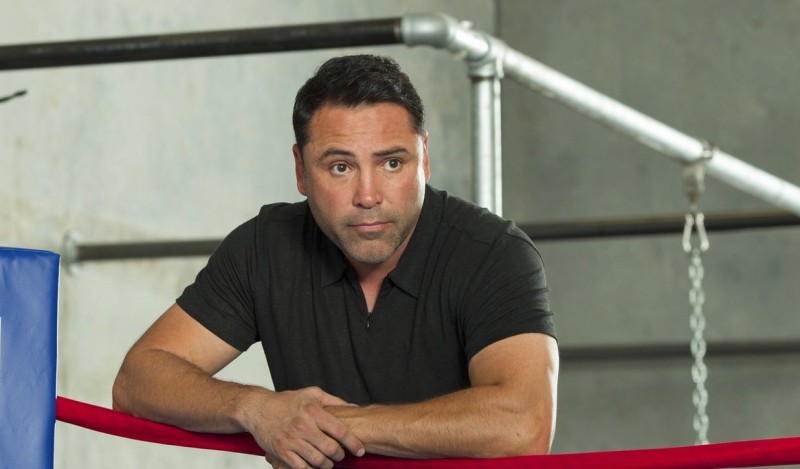
Retirement did not slow the income - it redirected it. De La Hoya founded Golden Boy Promotions in 2002, while he was still an active fighter, making him one of the few boxers in history to successfully run a promotion company during his own career. The move was calculated: by owning the promotion, he captured the promoter's share of his own mega-fights alongside his fighter's purse.
Golden Boy Promotions holds a 25% stake in the Houston Dynamo soccer club and operates Golden Boy Partners, a real estate arm focused on urban development in Latino communities. Beyond boxing and business, De La Hoya released a solo music album that went certified Platinum and earned a Grammy nomination, and published a bilingual children's book, Super Oscar, in 2006. His Pasadena mansion, purchased in 2007 for $11.5 million, spans 11,500 square feet and includes a tennis court and swimming pool. His annual income in retirement is estimated at over $20 million.
How Oscar De La Hoya Thinks About Success

De La Hoya's rise from East L.A. to a $200 million net worth was not accidental. A few principles defined how he approached both boxing and business:
- Honor a purpose bigger than yourself. His entire early career was driven by a promise to his dying mother. That emotional anchor gave him a reason to push through losses and setbacks that money alone never could.
- Control your own business. Founding Golden Boy Promotions while still fighting was unconventional - and it paid off for decades.
- Never rely on one income stream. Music, real estate, community development, children's books - De La Hoya treated diversification as a discipline, not an afterthought.
- Invest in community. In 2005, he founded the Oscar De La Hoya Foundation, later establishing the Cecilia Gonzalez De La Hoya Cancer Center at White Memorial Hospital in East Los Angeles - named after his mother.
- Know when to walk away. Stepping back from the ring in 2009 was not defeat. It was strategy - channeling his name and network into something that would outlast any single fight.
Oscar De La Hoya built a fortune that most professional athletes never come close to, and he did it by understanding something early: the ring was the stage, but the business was the show.
 Peter Smith