Sergey Diakov
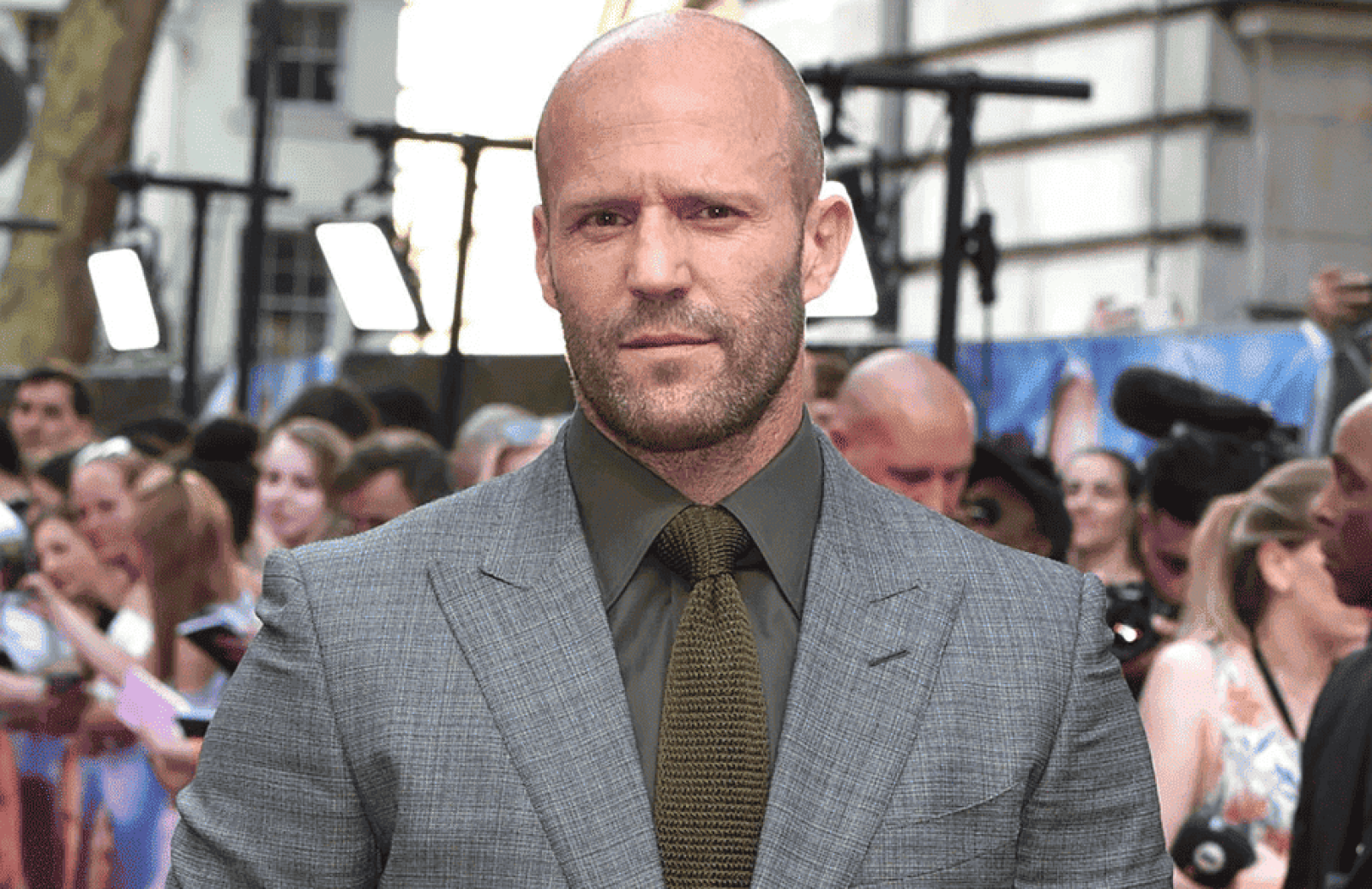
Not many Hollywood careers start on a street corner selling fake perfume. Jason Statham's did. The guy who now pockets $20 million a film spent years working market stalls in Great Yarmouth before a chance encounter with a modeling agency changed the direction of his life. What followed was one of the most unlikely rises in modern cinema - and a masterclass in turning raw hustle into lasting wealth.
First Money: Street Markets and a $6K Film Debut
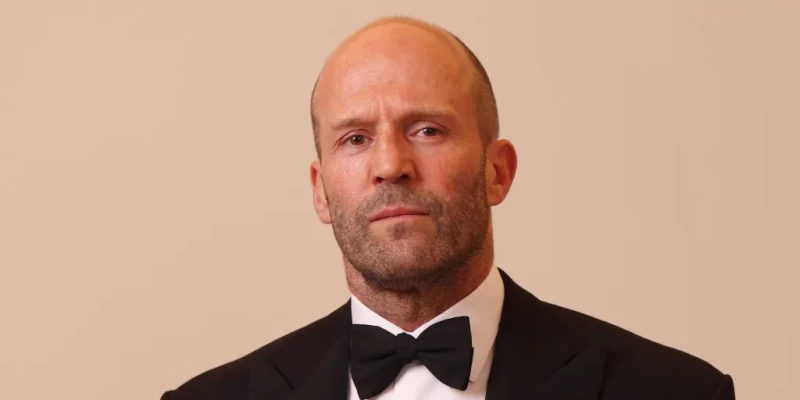
Statham grew up in Shirebrook, Derbyshire, the son of a street seller father and a dancer mother. Money was always tight, and from his teens he was out on the markets with his dad - selling jewelry, questionable electronics, and perfume that wasn't quite what the label claimed. "I used to put money in my pocket while working on the street corners, selling perfume and jewelry, and other goods that were supposedly expensive," he admitted to IGN years later. It wasn't glamorous, but it taught him something most actors never learn in drama school: how to hold a room in three seconds flat.
Alongside the market work, Statham pursued competitive diving seriously enough to represent England at the 1990 Commonwealth Games and train with Britain's National Diving Squad for twelve years. That athletic background - combined with the street-market charm - is exactly what caught director Guy Ritchie's attention. Ritchie cast him in Lock, Stock and Two Smoking Barrels in 1998. The pay? A reported $6,937. The film grossed over $28 million worldwide and gave British crime cinema a new template. Two years later, Snatch put him on screen alongside Brad Pitt and banked another $80 million at the box office.
Career Rise: From $750K to $5M a Film
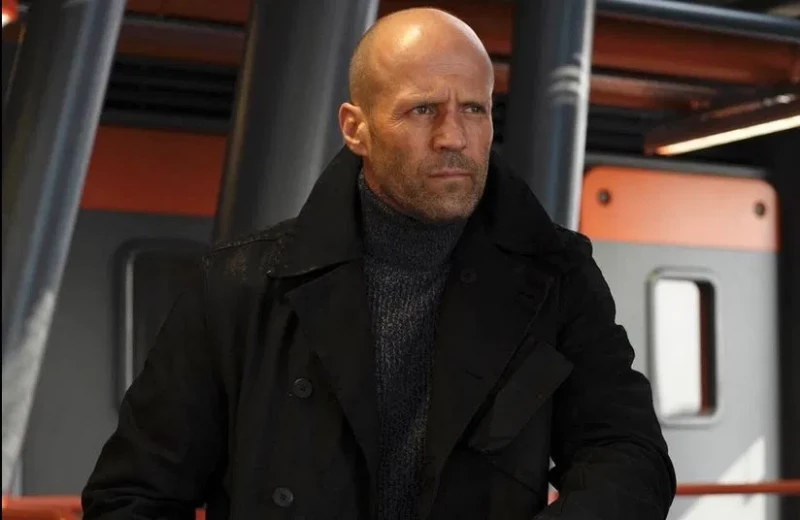
The real money started arriving in 2002 when Statham landed the lead in The Transporter. He insisted on doing every stunt himself, spent months training in karate, Wing Chun kung fu, and kickboxing, and earned $750,000 for the role. The film cleared nearly $44 million globally. From there the fees climbed steadily - The Italian Job brought $450,000, and the Crank sequel in 2009 paid $5 million. Every film stacked onto the reputation of the last.
The Expendables franchise, where he shared the screen with Sylvester Stallone, pushed his per-picture rate into serious territory - between $8 million and $12 million for the first three films, rising to somewhere between $15 million and $25 million for the final installment. By this point Statham had appeared in 63 films with a combined worldwide gross north of $8.5 billion. He had quietly become one of the most bankable action stars in the business.
Peak Earnings: Fast and Furious and $13M Per Film
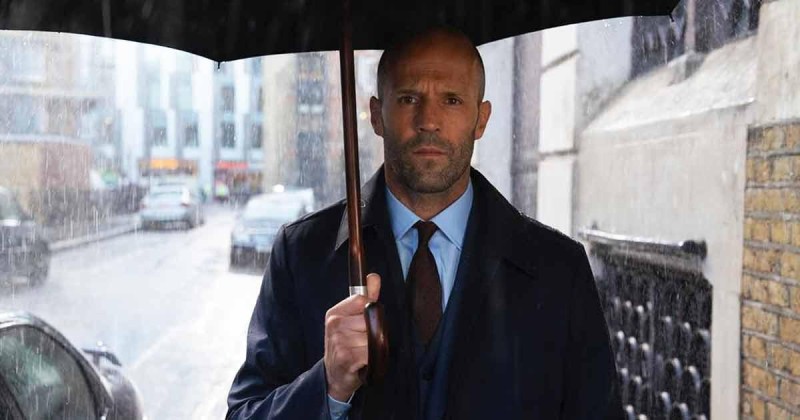
Joining the Fast and Furious franchise in 2013 as Deckard Shaw took Jason Statham net worth to a different level entirely. Furious 7 grossed $1.5 billion worldwide. The Fate of the Furious added another $1.2 billion. The 2019 spinoff Hobbs and Shaw pulled in $760 million against a $200 million budget, with Variety confirming Statham's upfront fee at $13 million for that film alone. His rate for subsequent Fast and Furious appearances is estimated at $15 to $20 million per film. Forbes tracked his 2024 earnings at $41 million for the year.
The real estate portfolio told the same story. A Malibu oceanfront property bought for $10.6 million in 2009 sold for $18.5 million in 2020. A Hollywood Hills home purchased for $7.3 million from Ben Stiller went for $9.2 million. In February 2025, a Beverly Hills mansion that cost $12.99 million sold for $20 million. Every property, like every film, was a bet that paid out.
Jason Statham Net Worth in 2025 and the Lessons Behind It
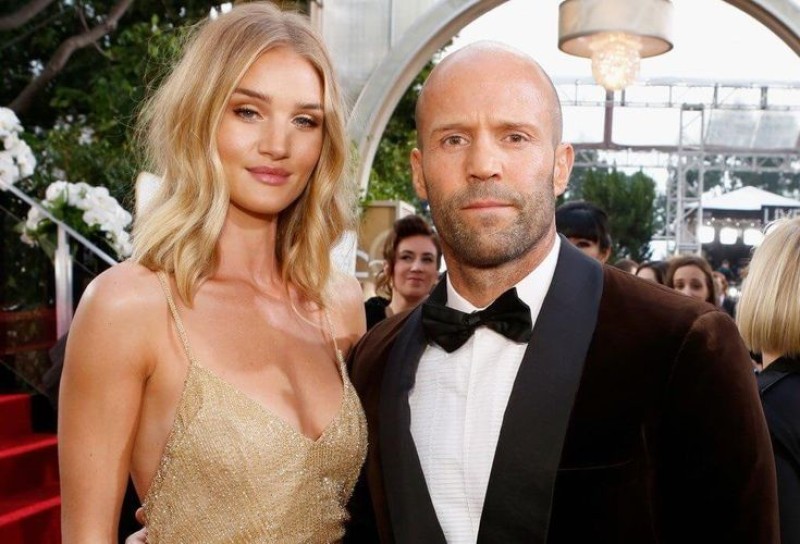
As of 2025, Jason Statham net worth is estimated at $100 million, with some sources placing the figure closer to $90 million depending on how you value the real estate. Either way, the man who took home less than $7,000 for his first role now earns eight figures per picture. He is currently attached to the 11th Fast and Furious installment, reportedly due in 2027, and recently starred in The Beekeeper for Amazon MGM Studios.
Ask Statham about success and he doesn't reach for the obvious answers. He talks about presence, timing, and not waiting around for someone to hand you a shot. He spent years pushing for stunt performers to be recognized at the Academy Awards because he thinks the craft is undervalued by people who've never had to earn their place in a room. He still trains like he has something to prove - rock climbing, windsurfing, wakeboarding - because the moment you stop being the best version of yourself on screen, someone else takes the spot. The street market taught him that the sale either happens in the first three seconds or it doesn't happen at all. Hollywood just raised the price of admission.
 Sergey Diakov