Alex Dudov
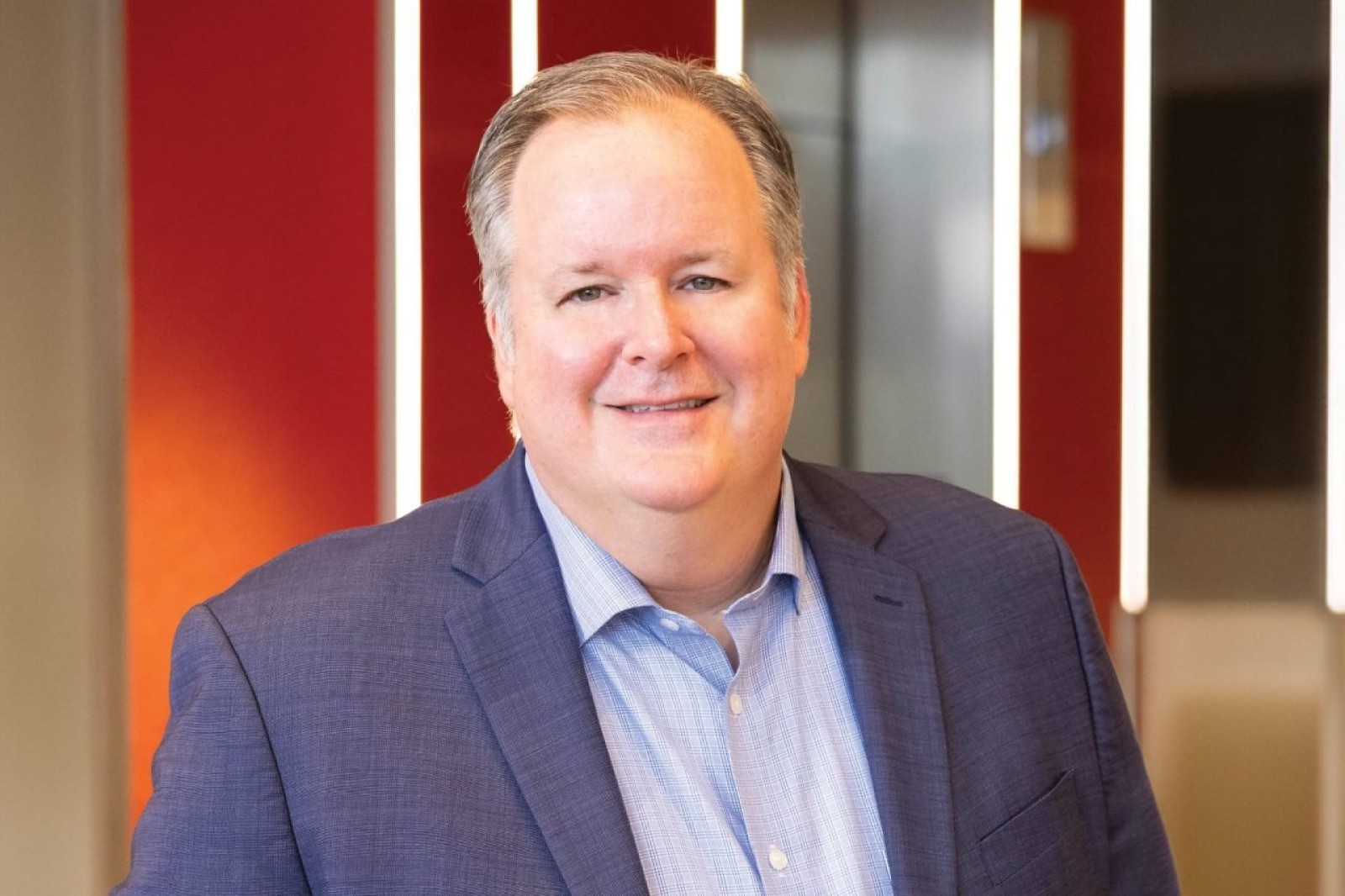
Not many people spend their entire career at a single company. Even fewer make it to the very top. Jon Farney did both. He walked into State Farm's headquarters as a 22-year-old intern in the winter of 1993 and didn't leave - not when better offers may have come, not when the industry got rough. He just kept moving up, one role at a time, until the company put him in charge of the whole thing in June 2024. That's the kind of story that doesn't get told enough.
Who Is the CEO of State Farm in 2024?

Jon Farney officially became the CEO of State Farm on June 1, 2024, taking over from Michael Tipsord who had led the company since 2015. Before stepping into the top job, Farney had already been named President of State Farm Mutual in January 2024 - so the transition was hardly a surprise. He'd been in the pipeline for years.
State Farm isn't a small business. The company serves over 96 million policies and accounts across the United States, employs more than 65,000 people, and operates through a network of over 19,000 independent contractor agents. It sits at number 42 on the Fortune 500 and is the country's largest combined auto and home insurer. Running it is not a simple job.
Farney is a Bloomington-Normal native, born and raised in the same Illinois town where State Farm is headquartered. That connection to the community isn't just biographical - it's been part of how he's approached leadership. He's not a Wall Street transplant who parachuted in. He grew up there, studied nearby, and built his career from the ground up in the same place.
Jon Farney's First Job and Early Career at State Farm

Farney's accounting career started before he even graduated. During his senior year at Illinois State University, he did a winter internship at State Farm's corporate office in January and February of 1993. By May of that year, he was a full-time employee. He never left.
His interest in business started at home. His father did accounting work for local contractors and builders, so numbers and spreadsheets were part of the household from a young age. At Illinois State, that background sharpened into something more focused. He joined Beta Gamma Sigma, an international business honor society, passed his CPA exam, and graduated with a degree in accounting in 1993. He later earned his MBA from the University of Michigan.
His early roles at State Farm were in finance and planning - not glamorous, but foundational. He moved through positions in securities products, planning and analysis, mutual funds, and underwriting operations, building a working knowledge of the company from multiple angles. His salary in those early years was in line with entry-level and mid-level finance roles at a large corporation - comfortable, but not remarkable.
How the Career of State Farm's CEO Developed Over 30 Years
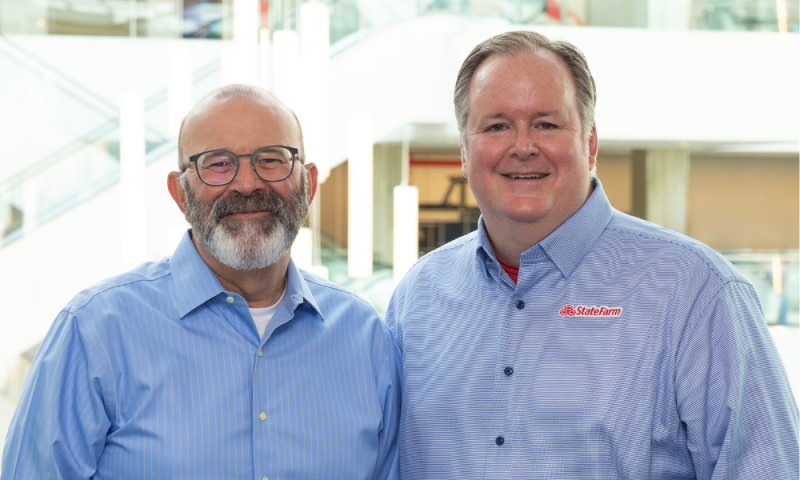
By the time Farney had been at State Farm for about two decades, he held the title of Operations Vice President for Underwriting. That's a significant role - but still not the top. The next big jump came in January 2016, when he was named Senior Vice President, Treasurer, and Chief Financial Officer. That promotion put him in State Farm's executive inner circle and gave him direct responsibility for the company's financial health.
As CFO, Farney earned a compensation package well into the seven-figure range, though exact figures from those years aren't publicly disclosed. What is known is that State Farm dramatically increased cash payouts to its executives during this period - partly because, as a mutual insurer owned by its policyholders rather than shareholders, the company can't offer stock options. Cash was the tool, and it was used aggressively to retain top talent.
"You've got to have a growth mindset of 'how can we be better?' and 'how can we do this differently?' We're always trying to think of what's next and how we can position ourselves for success down the road."
His predecessor Michael Tipsord, who became the CEO of State Farm in 2015, saw his own total compensation rise from $8.6 million in 2017 to $10 million in 2019, then jump to around $20 million in 2020, and ultimately peak at $24.5 million in 2021 - making him the highest-paid personal lines insurance CEO in the US. Farney, coming up through the CFO role, was on a similar trajectory.
CEO of State Farm Salary: What Jon Farney Earns Today

Since taking over as CEO of State Farm, Jon Farney earns a base salary of $4 million per year. That's before bonuses, performance incentives, and other forms of compensation that are standard for executives at this level. His full package likely includes performance-based bonuses tied to the company's financial results, equity awards, retirement benefits, and executive perks.
His net worth is estimated to be in the multi-million dollar range, accumulated over 30 years of senior-level compensation at one of the country's largest insurance companies. Since State Farm is a private company, it doesn't disclose exact executive net worth figures - but the math on three decades of escalating pay at a Fortune 42 company tells its own story.
The company Farney now leads reported a net worth of $134.8 billion, though it also posted a net loss of $6.3 billion due to a significant spike in catastrophe claims from homeowner policyholders. That's the economic environment he inherited: a company with enormous assets, but real pressure from natural disasters, rising claims costs, and a tough insurance market overall.
In 2022, Tipsord's $24.4 million compensation made State Farm's CEO the highest-paid in the personal lines insurance sector - ahead of Travelers CEO Allan Schnitzer at $20.8 million and Allstate's Tom Wilson at $18.9 million. Farney will likely close in on those numbers as his tenure grows and performance drives compensation higher.
Jon Farney's Principles for Success: Lessons from a 30-Year Career

Farney doesn't talk about success in abstract terms. When you piece together what he's said in interviews and public appearances over the years, a few consistent ideas come through.
- Build real skills first. Farney stacked credentials throughout his career - CPA, MBA, CPCU, CLU, ChFC, and FLMI designations. He didn't stop learning after he got comfortable. Skills, not just experience, kept opening doors.
- Stay long enough to actually matter. Thirty-plus years at one company sounds old-fashioned. But Farney's depth of institutional knowledge - knowing how every part of State Farm works - is almost certainly part of why the board chose him over outside candidates.
- Think forward, not just about today. "We're always trying to think of what's next and how we can position ourselves for success down the road." That mindset pushed him to focus on digital capabilities and future positioning even as he stepped into the CEO role during a difficult financial period.
- Take care of people around you. Farney established two scholarships at Illinois State University, one specifically for first-generation college students. "You just want to pay it forward," he said. "My dream is that in 30 years, she'll do the same."
- Own your roots. He never tried to become something he wasn't. A kid who grew up around his dad's accounting work, went to a state school in his hometown, and built a career in the same city where he was born - and ended up running one of the biggest companies in America.
Jon Farney's story isn't about a genius who reinvented the wheel. It's about someone who showed up, stayed consistent, kept getting better, and eventually the company had no better option than to hand him the keys. That's a different kind of success story - and maybe a more useful one for most people to hear.
 Alex Dudov