Sergey Diakov
- Carrie Underwood's First Paycheck: From Church Choir to $125,000
- The Albums That Turned Carrie Underwood Into a $20 Million-a-Year Artist
- The Business Moves Behind Carrie Underwood's $120 Million Net Worth
- What Carrie Underwood Earns and Owns Today
- How Carrie Underwood Thinks About Success: Core Ideas Worth Keeping
There is a version of Carrie Underwood's story where none of this happens. She grows up in Checotah, Oklahoma, a town of just over 3,000 people, sings at church on Sundays, enters a few county talent shows, and eventually settles into a quiet life somewhere between Nashville and nowhere. Capitol Records almost signed her at 14, then pulled out when management changed. That could have been the end of it.
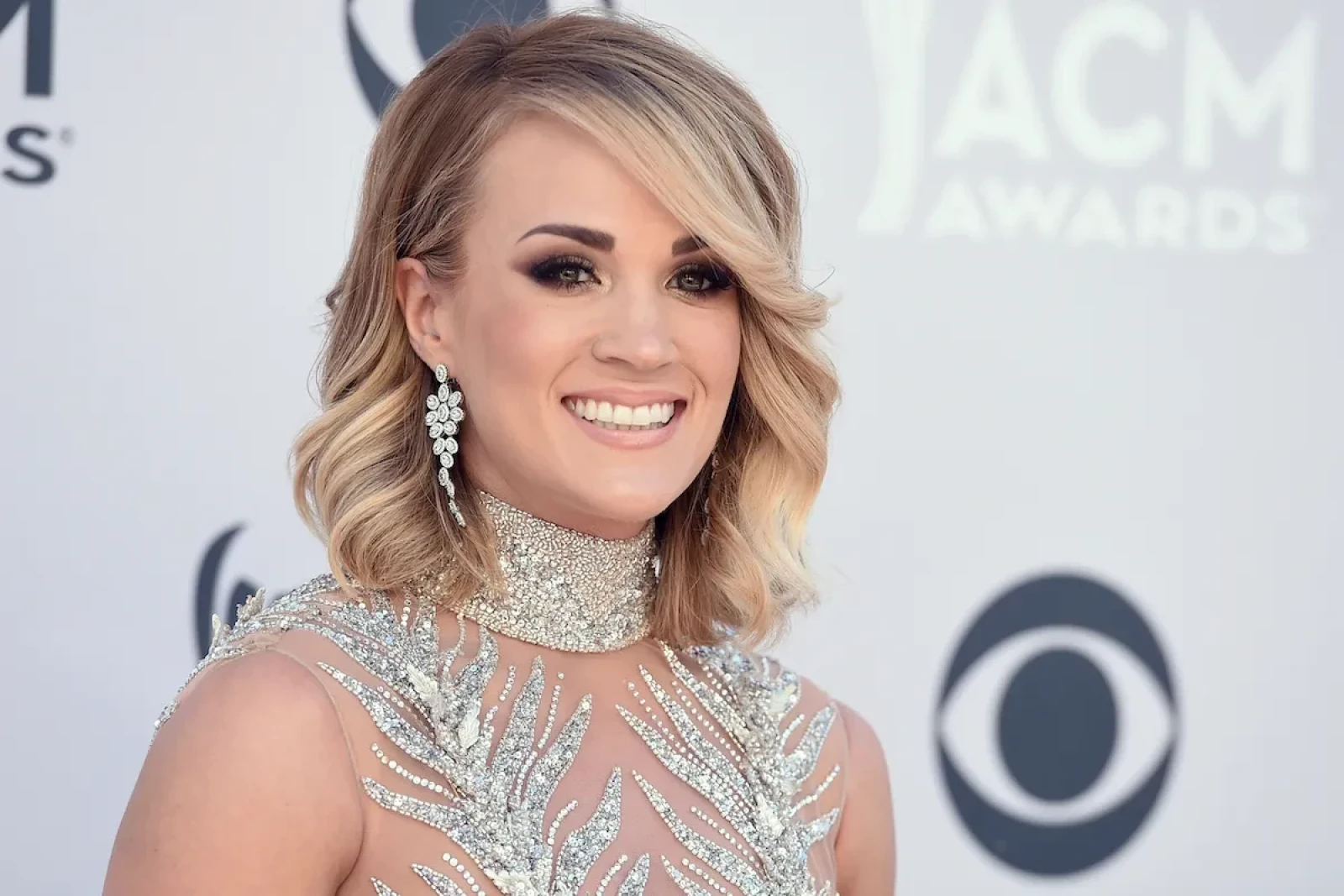
Instead, she finished high school, enrolled at Northeastern State University, and in the summer of 2004, a few credits short of her degree, drove out to audition for American Idol. She won the whole thing on May 24, 2005. Two decades later, Carrie Underwood's net worth sits at $120 million, she has sold 85 million records worldwide, collected 8 Grammy Awards, and built a business empire that stretches well beyond anything a singer is supposed to do. This is the full story of how that happened.
Carrie Underwood's First Paycheck: From Church Choir to $125,000
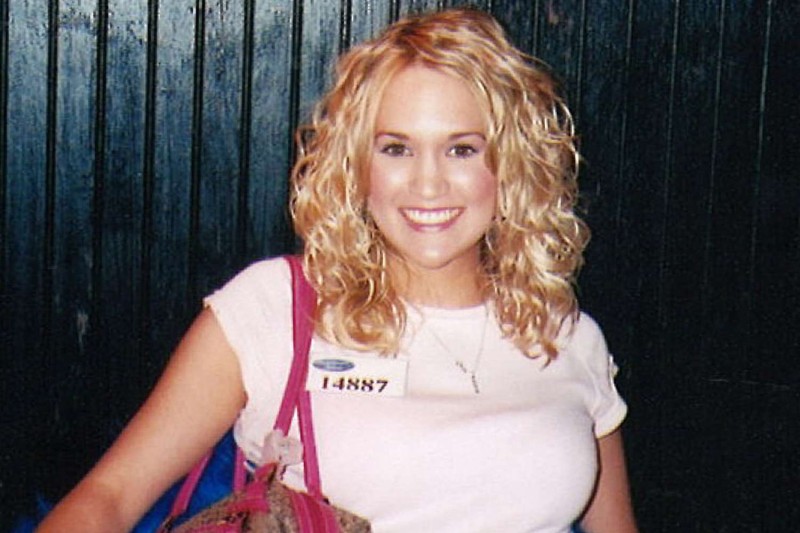
Before any of the money, there were years of performing for nothing. Church choir, school events, local fairs — the kind of stages where applause is the only currency. Then came that near-miss with Capitol Records at 14, which taught her early that the music industry does not owe anyone a break. She went back to Oklahoma and kept going with her education.
Her first actual paycheck in the public eye came during college, when she spent a summer working as a page for Oklahoma State Representative Bobby Frame. It was unremarkable work by any measure, the kind of thing you do to stay busy and earn a little spending money. But she was someone who kept showing up, kept building skills, kept looking for the next door.
When she made the Top 24 on American Idol, the checks started coming: roughly $1,571 for a two-hour episode, $1,303 for a one-hour show, $910 for a half-hour slot, plus meals. After winning, Hollywood Records handed her a recording contract that included $125,000 to begin work on her debut album, another $125,000 on completion, and a $300,000 production advance she would have to repay once the record sold. That sounds like real money, and for a 21-year-old from small-town Oklahoma, it was. But it was also a modest starting point for someone who would go on to earn $20 million in a single calendar year.
The Albums That Turned Carrie Underwood Into a $20 Million-a-Year Artist
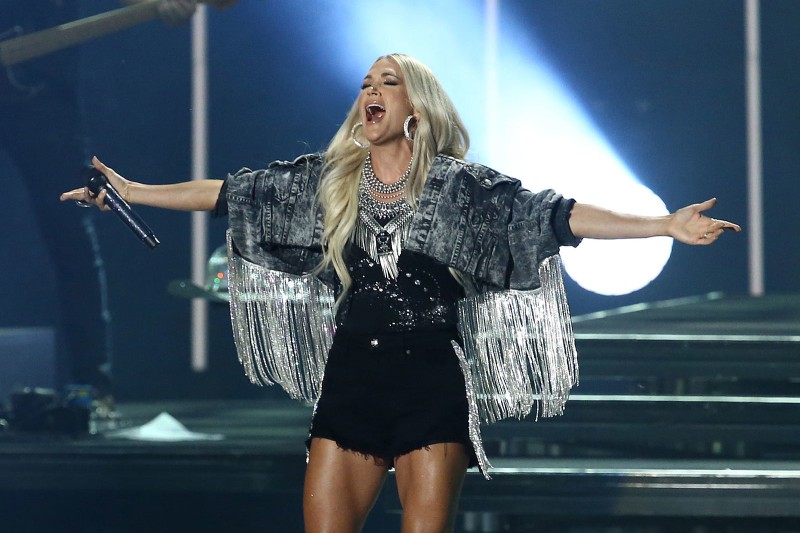
Her debut album, Some Hearts, hit shelves in late 2005 and immediately did things no country debut had ever done. It reached No. 1 on the US Country chart, peaked at No. 2 on the Billboard 200, went 8x platinum in the United States, and earned her three Grammy Awards, including Best New Artist. It remains the best-selling debut album by a solo female country artist in the history of the format. The singles Jesus, Take the Wheel and the diamond-certified Before He Cheats did not just sell records — they made her a crossover name that pop audiences could not ignore.
Carnival Ride followed in 2007, moving more than half a million copies in its first week. Play On came in 2009, Blown Away in 2012 — both opened at No. 1 in the US. By 2011, Forbes had clocked her earnings at more than $20 million between May 2010 and May 2011 alone. She had already become the top-earning American Idol alum of all time, a title she has held ever since 2014.
Touring kept the numbers climbing. Her 2019 Cry Pretty Tour reportedly grossed $50 million. By 2014, her performance rider set a minimum of $500,000 per show. Nine studio albums, seven tours, 85 million records sold worldwide — the math behind Carrie Underwood's net worth is not complicated once you lay it all out.
The Business Moves Behind Carrie Underwood's $120 Million Net Worth
Music alone does not get you to $120 million. Underwood understood that early and moved accordingly. In 2015, while her albums were still topping charts, she launched CALIA by Carrie Underwood, a fitness apparel line built in partnership with Dick's Sporting Goods. It was not a vanity project — it grew into a genuine brand with its own customer base. Her 2020 book Find Your Path, a fitness and lifestyle guide, made the New York Times Best-Seller list. Her Fit52 app, built around a playing card workout system she developed from her own training routine, found a niche in the health tech space that most celebrities have not figured out how to crack.
Endorsement deals stacked up over the years: Target, Nintendo, Skechers, Olay, Hershey's, Almay, Dick's Sporting Goods. Each deal added another revenue layer. In September 2024, she filed a trademark application for a new brand called Copper Rose, covering cosmetics, skincare, haircare, fashion accessories, and pet apparel. She is clearly not done building.
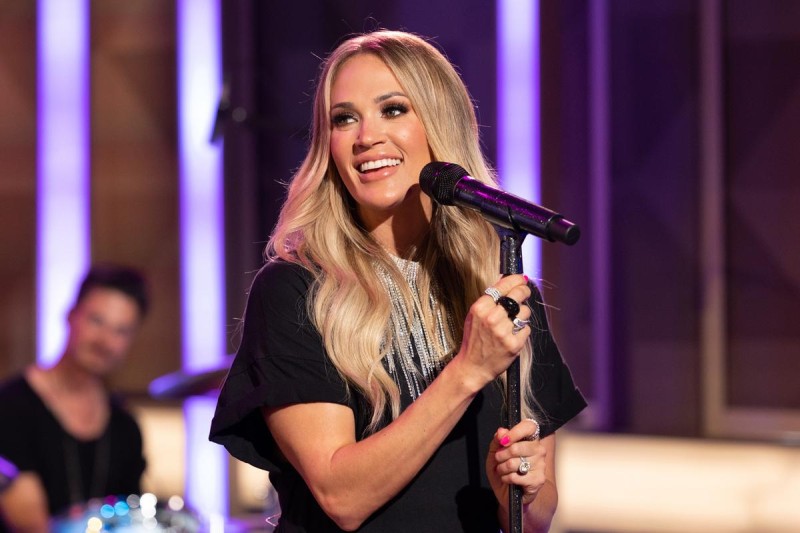
From 2021 to 2025, Underwood headlined her Las Vegas residency REFLECTION at the Resorts World Theatre. She has never disclosed exactly what it paid, but comparable residencies — Celine Dion's Las Vegas run, for reference — have generated upwards of $300 million in total. When she returned to American Idol in 2025 as a judge, she was reportedly pulling in between $10 million and $12.5 million per season, roughly half what Katy Perry had earned in the same chair, though sources noted she had her own reasons to want the franchise to keep doing well.
What Carrie Underwood Earns and Owns Today
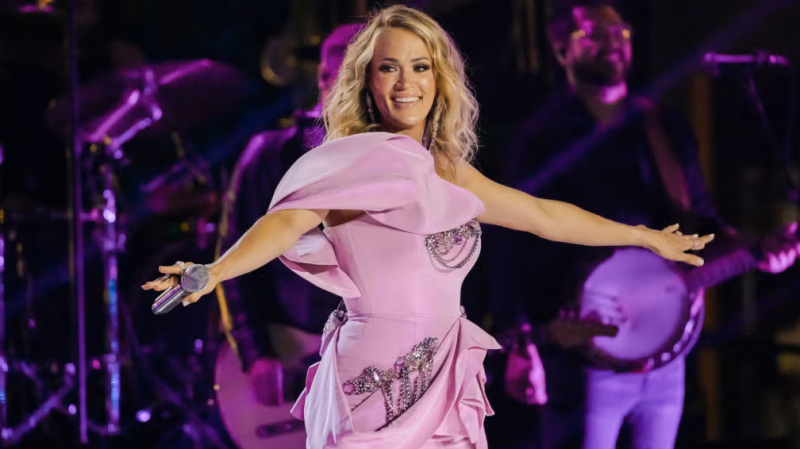
Her annual income is reported at around $12 million on an average year, though that number moves depending on whether she is touring or running a residency. In January 2025, she performed America the Beautiful at Donald Trump's second inauguration — a cappella, after technical problems derailed the planned accompaniment. ABC News affiliates called it a unifying moment. Fans were split. She called her decision an answer to "a call at a time when we must all come together."
On the real estate side, she and her husband, former NHL player Mike Fisher, bought 400 acres of land in Franklin, Tennessee in 2011 for around $3 million and built their family home from the ground up around 2018. They previously owned a four-bedroom home in the Nashville suburb of Brentwood. One of her most-talked-about possessions is the blue Ford Mustang convertible she won as part of her American Idol prize back in 2005. In a 2023 interview, she said she still owns it and still drives it: "Every time I get in it, I'm always like, why don't I just drive this more often? It just makes me feel good."
She also funds the C.A.T.S. Foundation, which supports causes in her Oklahoma hometown, animal welfare, and disaster relief. And that Sunday Night Football theme song everyone assumed was paying her $1 million a week — $18 million a season? She told Howard Stern she essentially did it for free. Not every number in this story is as large as it looks from the outside.
How Carrie Underwood Thinks About Success: Core Ideas Worth Keeping
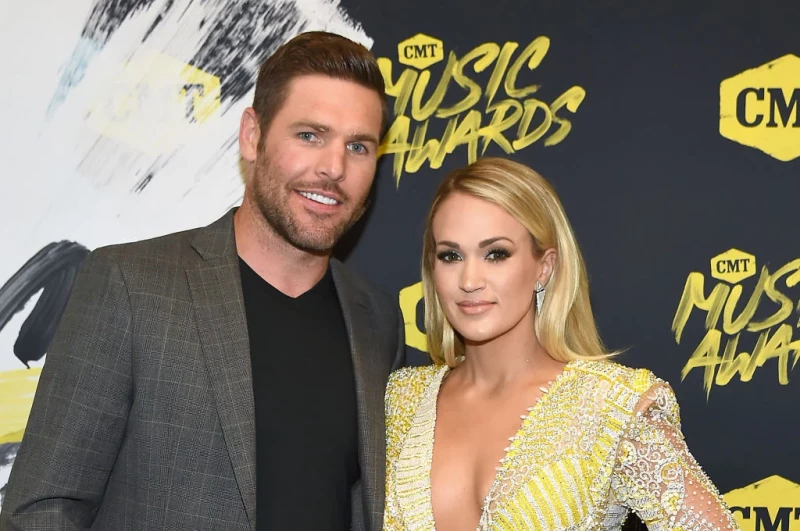
Underwood is not someone who gives a lot of formal speeches about how to make it. But twenty years of decisions leave a pretty clear picture. The first thing that stands out is her commitment to finishing what she started. She graduated magna cum laude from Northeastern State in 2006, a full year after winning American Idol, with a bachelor's degree in mass communication and an emphasis in journalism. She could have walked away the moment the confetti fell. She didn't. That pattern — finish the thing, even when you don't have to — shows up everywhere in her career.
The second thing is that she built from strength, not fear. CALIA launched in 2015 when her music career was running at full speed, not when it was slowing down. The Fit52 app, the book, the Copper Rose brand — none of these came from a place of "what do I do now that the albums aren't selling?" They came from a genuine interest in fitness and wellness, channeled into a business structure before she needed a backup plan. That is a fundamentally different approach from most artists who diversify only when they feel the ground shifting.
Third, she stays honest with herself and her audience, even when it costs something. Performing at a presidential inauguration knowing it would upset part of her fan base was a choice she made publicly and stood behind. Clarifying that she sang the NFL theme song for free, when the myth of the $18 million paycheck was more impressive, was also a choice. There is something in that — a willingness to trade the better story for the true one — that runs through everything she does. The woman who once earned $910 for a half-hour TV appearance now makes $12 million a year. The distance between those two numbers is not a mystery. It is two decades of consistent, deliberate work.
 Sergey Diakov