Sergey Diakov
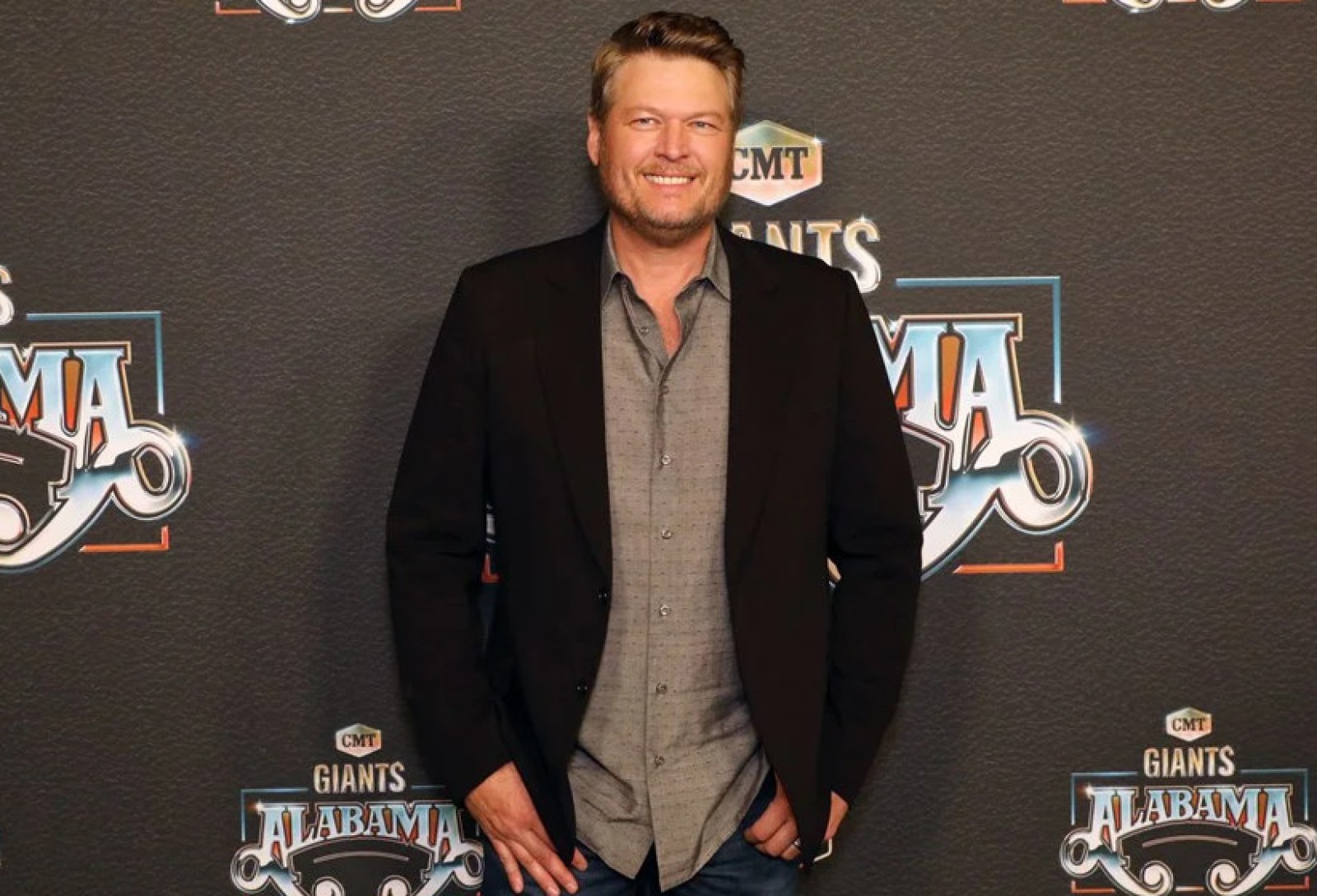
Blake Shelton's name is synonymous with country music success and television stardom. With a net worth estimated at around $130 million as of early 2026, this Oklahoma native has proven that staying true to yourself while working relentlessly can pay off in ways most people only dream about. His journey from a small-town kid with a guitar to one of the highest-paid entertainers in America is filled with lessons about perseverance, smart career moves, and never forgetting where you came from.
Blake Shelton's Humble Beginnings and First Dollar
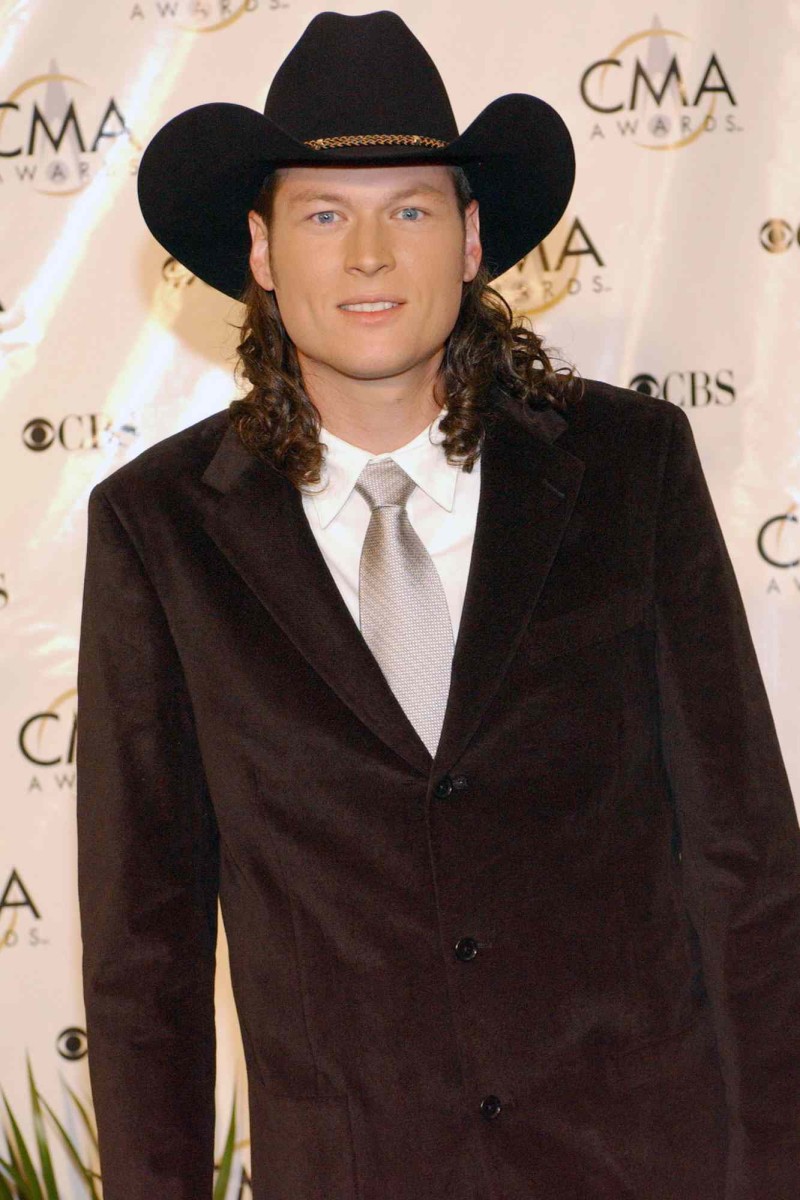
Before Blake Shelton was selling out arenas and coaching aspiring singers on national television, he was just another teenager trying to make money in Ada, Oklahoma. His first real job? Roofing houses at age 15, working alongside his stepfather. Picture a young Blake climbing around roofs in the brutal Oklahoma summer heat, sweating through long days of manual labor. It wasn't glamorous, but it taught him something invaluable. Years later, Shelton would recall that those two summers of roofing made him absolutely certain he wanted to be a country singer. Sometimes the hardest jobs show you exactly what you don't want to do for the rest of your life.
Blake's musical journey actually started much earlier than his roofing days. Born in June 1976, he grew up singing as a kid and picked up the guitar at 12 with help from his uncle. By 15, he'd written his first song, and at 16, he won the Denbo Diamond Award in Oklahoma for young entertainers. These weren't just participation trophies—they were signs that this kid had real talent worth nurturing.
Right after graduating high school at 17, Blake made the gutsy move that changed everything: he packed up and headed to Nashville, Tennessee. This is where the real grind began. His first job in Music City wasn't signing autographs or recording hits—it was painting houses. He worked for Mae Boren Axton, a legendary songwriter who'd co-written Elvis Presley's "Heartbreak Hotel." She saw something special in Blake and didn't just give him painting work; she introduced him to the right people in Nashville's tight-knit music industry.
Through Axton's connections, Blake landed a job at a music publishing company, writing songs and learning the business from the inside. He was earning enough to get by, but more importantly, he was building relationships and honing his craft. Those early Nashville years were about paying dues, not cashing checks.
Building the Career: Blake Shelton Net Worth Growth
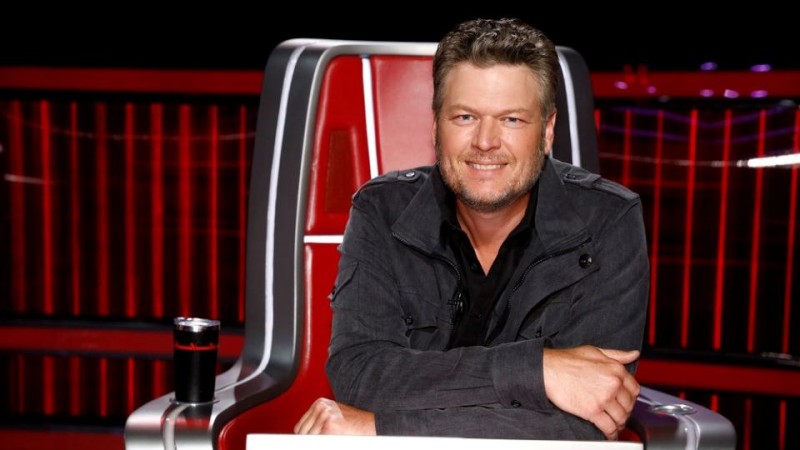
Blake spent nearly six years grinding it out in Nashville before catching his big break. In 1997, producer Bobby Braddock helped him score a production contract with Sony Music. A few years later, in 2001, Blake signed with Giant Records and prepared to release his debut single.
That single, "Austin," became an instant classic. It shot straight to number one on the Billboard Hot Country Songs chart and stayed there for five solid weeks. Radio stations couldn't stop playing it, and country fans couldn't get enough of Blake's deep, distinctive voice telling a story everyone could relate to. This wasn't just a hit song—it was a career-making moment.
Here's where things got interesting. Just as "Austin" was climbing the charts, Giant Records went out of business. For most new artists, this would've been devastating. But Blake got lucky—he was transferred to Warner Bros. Records, a much bigger label with deeper pockets and better distribution. His self-titled debut album went platinum, meaning it sold over a million copies. In 2001, he became the second-bestselling country artist of the year.
During these early years, Blake wasn't making the massive money he'd earn later, but he was doing well for a new artist. Album sales, concert tickets, and royalty checks were starting to add up. Throughout the 2000s, he released hit after hit. Albums like "The Dreamer," "Blake Shelton's Barn & Grill," and "Pure BS" all achieved gold or platinum status. His concert venues got bigger, his ticket prices went up, and his brand became more valuable. Each successful album wasn't just artistically satisfying—it was another brick in the foundation of what would become a massive fortune.
Everything changed for Blake Shelton in 2011 when NBC launched a new singing competition called "The Voice." Blake signed on as one of the original coaches, and honestly, nobody could've predicted just how big this show would become—or how much money it would make him.
The Voice Jackpot: Peak Earnings Era
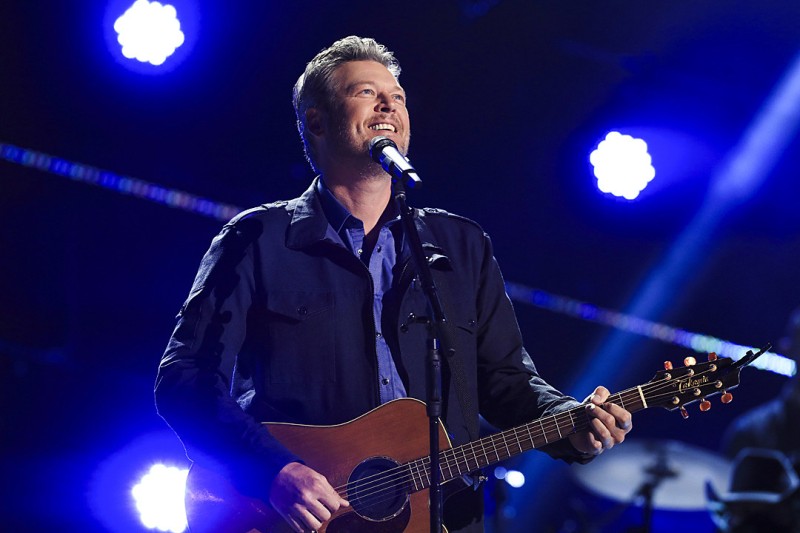
In those early seasons, Blake was earning around $4 million per season, which was already great money. But as "The Voice" became a ratings juggernaut and Blake became one of its most popular personalities, his salary grew exponentially. By the time he decided to leave after 23 seasons in 2023, he was pulling in $13 million per season. And here's the kicker: "The Voice" runs two seasons per year, which means Blake was making roughly $26 million annually just from the show alone.
For over a decade, Blake Shelton was a fixture on Tuesday and Wednesday night television. His playful rivalry with fellow coach Adam Levine, his mentorship of contestants, and his quick wit made him a fan favorite. He won nine seasons as a coach, helping launch the careers of countless singers. But beyond the trophies and feel-good moments, "The Voice" transformed Blake's finances and made him a household name beyond the country music world.
His touring income also skyrocketed during this period. Blake could gross around $1 million per concert, though after paying his band, crew, production costs, and venue fees, his actual take-home was considerably less. Still, when you're playing sold-out shows across the country, those numbers add up fast.
Blake's annual income during his peak "Voice" years ranged anywhere from $20 million to $45 million depending on how much touring he did and what other projects he took on. Between June 2019 and June 2020, he earned an estimated $45 million, putting him among the highest-paid entertainers in the world.
Blake Shelton Net Worth Today: Multiple Revenue Streams
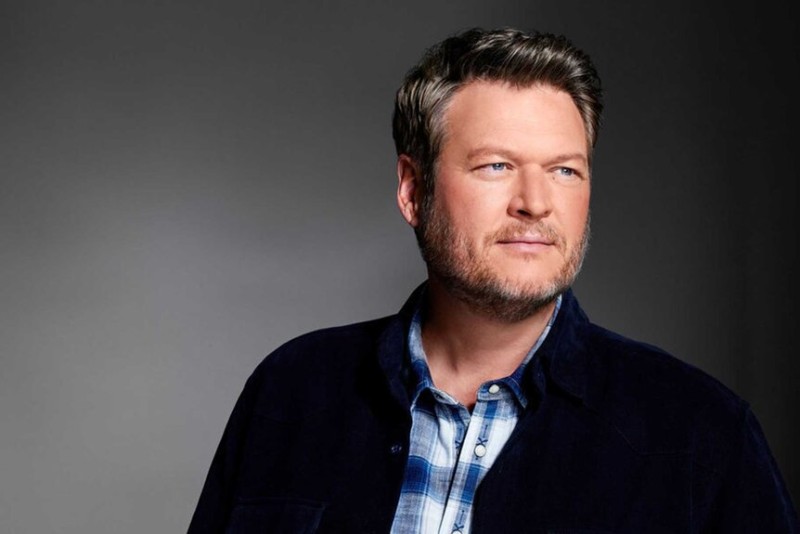
Today, Blake Shelton net worth sits at approximately $130 million, coming from way more than just music royalties and old "Voice" paychecks. He's built a diversified income portfolio that any financial advisor would applaud.
One of his smartest financial moves came in 2021 when he sold his entire song catalog for a cool $50 million. This wasn't a complete sellout where he loses all future earnings—it was structured as a joint venture that allows him to continue making money from his music while getting a massive upfront payment. That single deal added nearly 40% to his total net worth in one shot.
Blake's also made serious money from brand endorsements. He's been the face of Pizza Hut, Pepsi, Land's End, Gildan, Smithworks Vodka, and Walmart, among others. These aren't small deals—major brand partnerships with celebrities of Blake's caliber can be worth millions per year, especially when they involve TV commercials and long-term contracts.
Then there's his restaurant business. Blake co-owns Ole Red, a chain of bar-restaurant-entertainment venues with locations in Oklahoma, Florida, Tennessee, and soon Las Vegas. He partnered with Ryman Hospitality Properties, the company that owns the Grand Ole Opry, to build these venues. They're not just restaurants—they're destinations where fans can experience live music, eat good food, and feel connected to Blake's brand. This business venture generates ongoing passive income and increases in value over time.
Real estate is another big part of Blake's wealth. He owns a stunning $13 million mansion in Encino, California, where he lives with his wife, Gwen Stefani. He's also got a massive 1,200-acre working ranch in Oklahoma—the kind of property that appreciates significantly over time and gives him a peaceful retreat from the Hollywood spotlight.
Even though Blake left "The Voice" in 2023 to focus more on family time and his music, he's far from retired. He signed with a new record label, BBR Music Group, in 2024 and released his 13th studio album "For Recreational Use Only" in May 2025. He still tours, still draws huge crowds, and still commands premium ticket prices.
The beauty of Blake's current situation is that he doesn't need to work as hard as he used to. His investments, real estate, ongoing royalties, and business ventures create enough passive income to maintain his lifestyle without grinding out two TV seasons and exhausting tour schedules every year.
Blake Shelton's Success Philosophy: Key Principles
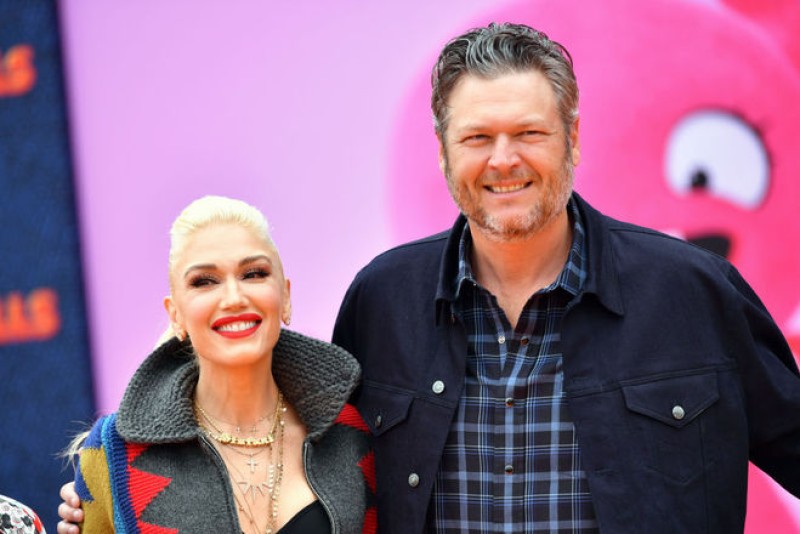
What makes Blake Shelton's success story especially interesting isn't just the money—it's how he got there and what he believes about achieving success. Over the years, he's shared insights that reveal a surprisingly grounded philosophy for someone worth nine figures.
- Stay Authentic and Be Yourself. Blake has always believed that what makes an artist truly special is having a unique personality and not being afraid to show it. In an industry where image consultants and PR teams try to manufacture perfection, Blake has stubbornly remained himself—a guy from Oklahoma who likes fishing, hunting, and drinking beer. He never tried to be cooler or more sophisticated than he actually is. This authenticity is precisely why millions of people feel like they know him personally. He's relatable, and in the entertainment world, that's worth its weight in gold.
- Work Hard with Total Dedication. Blake moved to Nashville at 17 years old and immediately put everything he had into making it work. He's talked about how since that day, he's given everything to doing music right. Success didn't fall into his lap—it came from years of painting houses, writing songs that nobody recorded, playing small venues, and believing in himself even when the breaks weren't coming. His work ethic has been consistent from those early Nashville days right through to today.
- Embrace Failure as a Stepping Stone. Blake understands that failure isn't the opposite of success—it's part of the path to success. When Giant Records collapsed right after signing him, it could've been devastating. Instead, it led to Warner Bros., which ended up being a better situation. He believes you should learn from setbacks and keep moving forward. Every rejection, every song that didn't hit, every disappointment taught him something valuable that helped him get better.
- Stay Humble and Keep Perspective. Even with $130 million in the bank, Blake talks about his career with remarkable humility. He's said that he's always had just enough success to buy more tour dates and make another record—as if his success has been some modest, incremental thing rather than the massive achievement it actually is. This perspective keeps him grounded and prevents the kind of ego that derails so many successful entertainers.
- Listen and Stay Open to New Ideas. Blake believes that you're foolish if you don't listen when someone wants to share a song or idea with you, because you never know what you might discover. This openness to learning and collaboration has kept him relevant across multiple decades. The music industry changes constantly, and artists who refuse to evolve get left behind. Blake's willingness to adapt—whether that meant joining a TV singing competition or experimenting with different musical styles—has extended his career and expanded his audience.
- Value Genuine Chemistry and Connections. One of Blake's most famous quotes is that you can't fake chemistry. Whether he's talking about working with other musicians, coaching singers on "The Voice," or his relationship with Gwen Stefani, he values authentic connections over anything manufactured or forced. This philosophy has led him to collaborations and relationships that feel real to audiences, which in turn makes everything he does more successful.
Blake Shelton's journey from roofing houses in Oklahoma to commanding eight-figure annual incomes proves that the American dream still exists for those willing to work for it. His $130 million fortune isn't just about talent—plenty of talented people never make it. It's about combining that talent with relentless work, staying true to yourself, making smart business decisions, and never forgetting that success is built one day, one song, one performance at a time. For aspiring artists and entrepreneurs, Blake's story offers a masterclass in turning dreams into reality while keeping your boots firmly on the ground.
 Sergey Diakov