Editorial staff
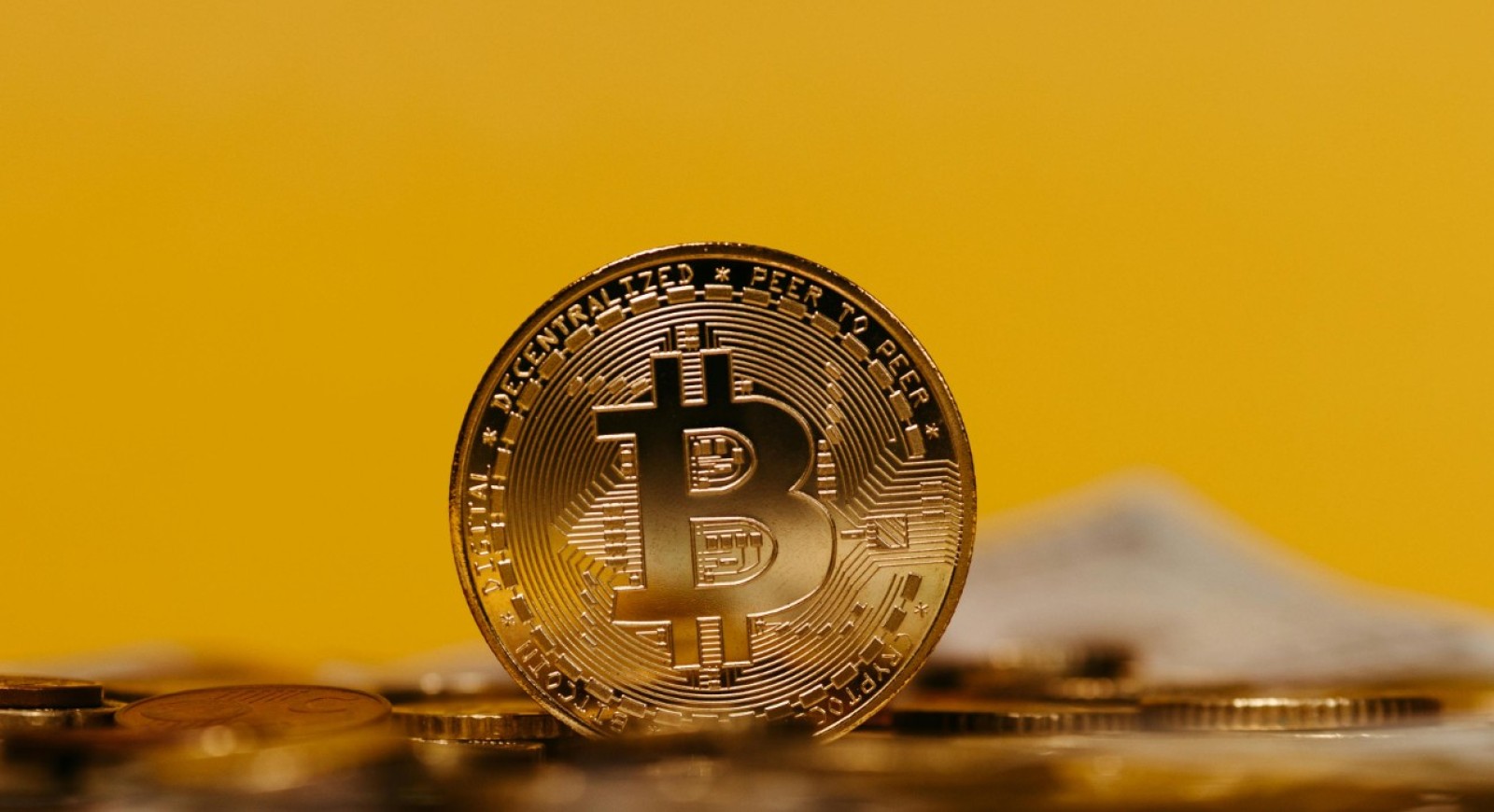
Financial institutions are continuously including Bitcoin in their investment conversations after it received recognition as a legitimate asset. Here is why businesses are adding Bitcoin to their treasury reserves.
Hedge Against Inflation and Currency Risk
Businesses maintain substantial cash holdings to support their daily operations while preparing for financial challenges. Inflation during extended time periods results in a decline in cash value, which affects businesses. The central banking system increases the money supply, which results in companies losing real value from their inactive funds.
A built-in system within Bitcoin restricts its total supply to 21 million coins. The fixed issuance schedule attracts businesses that require protection against the decline of fiat currency value. Finance departments consider a limited Bitcoin investment as both an inflation hedge and a currency risk management tools, which protect their multinational enterprises from multiple currency exposures.
Long-Term Growth Potential
Bitcoin maintains its upward price movement despite market swings that have occurred since its launch. Executives consider it a reliable investment that resembles early-stage technology investment. The company decided to invest part of its cash reserves into an asset that provides the potential for significant financial gains.
The process requires precise risk assessment along with advanced modeling techniques. A comprehensive bitcoin treasury analysis process enables finance teams to create evaluation scenarios that test balance sheet limits and demonstrate how their assets impact their financial position. Companies can easily use their resources according to a specific risk assessment and the defined time period, which protects against market fluctuations.
Diversification of Corporate Assets
The primary assets in conventional treasury portfolios include cash and short-term bonds, along with money market funds. These assets create easy access to funds, which results in small financial gains. Firms in a low-interest-rate environment seek investments that will enhance their financial returns while maintaining their existing level of security.
Bitcoin showcases distinct price behavior patterns when compared to stocks and debt securities during particular time intervals. Firms include it as a risk mitigation component in their capital investment strategy. The companies that allocate a specific percentage of their reserves aim to achieve financial gains while maintaining their essential cash resources.
Signaling Innovation and Forward Thinking
The process of Bitcoin adoption creates an opportunity for firms to convey their strategic business objectives to both their investors and customers. Businesses that operate in technology and fintech fields, plus service organizations, usually aim to establish themselves as leaders in technological development.
Companies can strengthen their brand narrative through Bitcoin ownership while aligning their financial practices with their product strategies. Financial markets responded strongly to the Bitcoin purchasing announcements made by MicroStrategy and Tesla. Institutional and retail investors became interested in the announcements.
Evolving Regulatory and Institutional Support
The regulatory environment of previous years deterred most businesses from exploring Bitcoin possibilities. Accounting standards that have been established today, together with the expanding network of institutional infrastructure, have lessened previous obstacles. Corporate customers can now access custody solutions and compliance services that major financial institutions provide.
The United States now recognizes spot Bitcoin exchange-traded funds as legitimate financial instruments. This has enhanced market acceptance of Bitcoin as a valid financial instrument.
Endnote
Companies are adding Bitcoin to their treasuries for various reasons. It can be to hedge against inflation, diversifying assets, and attracting investor interest. While this approach carries risks, it reflects a significant shift in how corporations view money and financial innovation. As digital assets evolve, Bitcoin is moving from a bold experiment to a standard treasury consideration.
 Editorial staff