Editorial staff
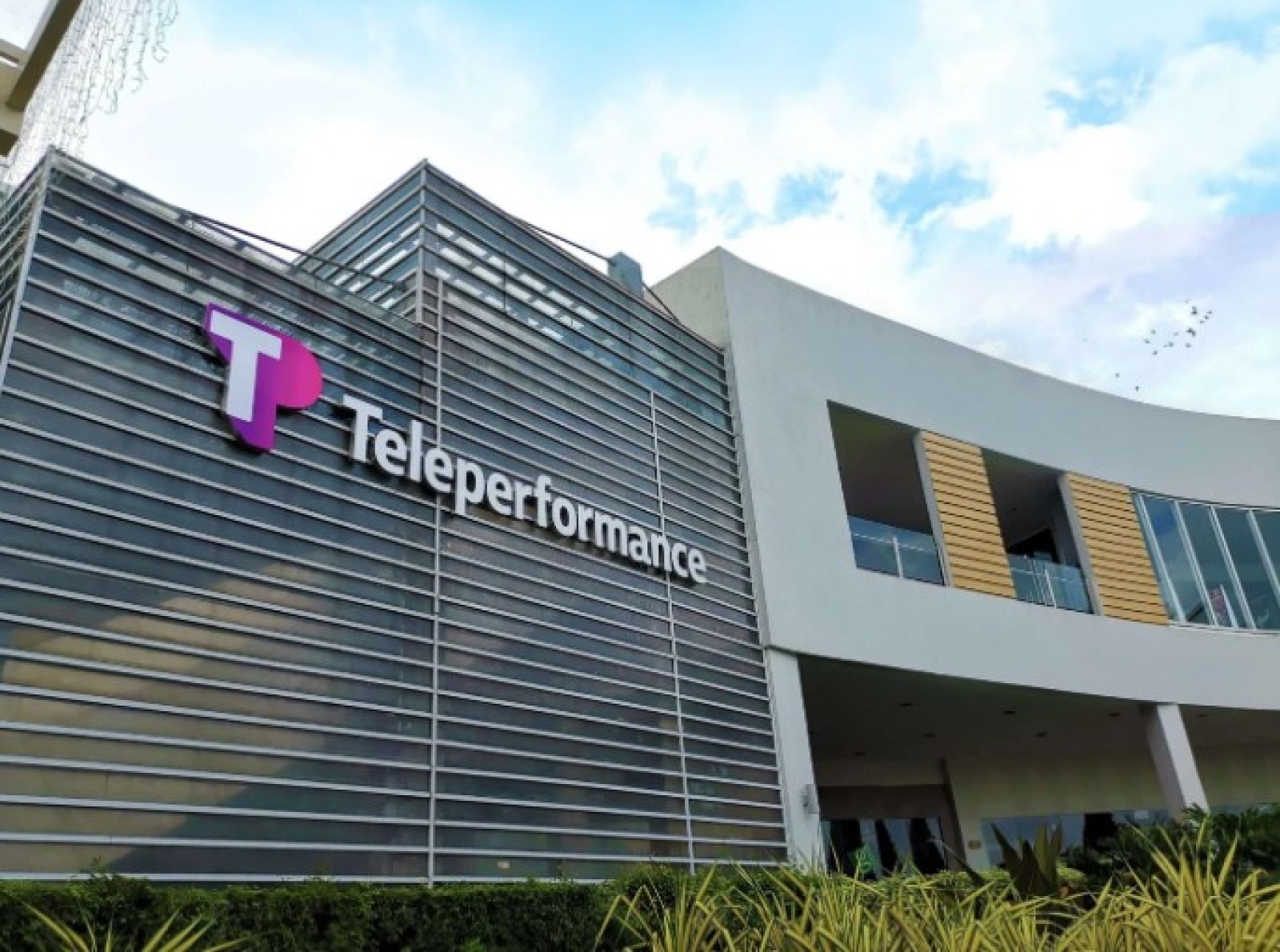
The company’s own guidance is the clearest tell. For 2026, TP is forecasting like-for-like revenue growth of 0 to 2 per cent, while warning that the first quarter is expected to come in below the annual range. In other words: even before the new management team has fully taken the controls, the year begins with a stumble. Add in €70mn–€90mn of restructuring and workforce adaptation costs, and the early months of the “new era” look less like a renaissance than an exercise in stabilisation, as highlighted by Investing.com.
That matters because TP is not being judged on what it was, but on what it can become in a world where artificial intelligence is both a promise and a threat. The company has attempted to seize the narrative, talking up “AI-native customer operations” and efficiency programmes designed to protect margins. Yet the market’s suspicion is easy to grasp: automation can shrink volumes faster than operators can reprice the remaining work, and clients emboldened by AI may push for savings to be passed through, not banked.
An extensive governance overhaul
The governance overhaul is extensive. Mc Kinsey consultant Jorge Amar is due to take over as chief executive in mid-March; founder Daniel Julien and Thomas Mackenbrock step back from executive roles; the chief financial officer, Olivier Rigaudy, retires with an adviser role through end-2026; and the board is being refreshed ahead of the May AGM. But the stock market is not a patient capital partner, especially for companies whose value proposition can be caricatured as “people doing tasks that machines might soon do”. In that frame, a leadership change is an enabling condition, not a catalyst. The hard work is in execution: renegotiating client terms, rebuilding pricing discipline, refining the portfolio toward higher-complexity work, and re-engineering delivery so that AI becomes a margin tailwind rather than a revenue leak.
Proving the strategy might take some time
This is why the timetable matters. A new CEO can announce a strategy quickly; proving it takes longer. In a global services organisation, meaningful change tends to show up with a lag: contract cycles have to turn, delivery models have to be adopted at scale, and internal incentives have to be re-wired. Even the “quick wins” — cost cuts, simplification, redeployments — carry short-term dislocation.
The more pessimistic commentary around results day captured this tension. MarketScreener highlighted that, while brokers could see medium-term hope, the 2026 guidance “is not particularly inspiring”, and the shares reacted accordingly. French market coverage was blunter still, focusing on weaker cash generation dynamics and the pressure on the share price as investors digested the outlook. They mirror the question many investors are asking: where, exactly, is the evidence that TP’s earnings trajectory will re-accelerate ?
A future consolidator ?
The dividend proposal — up to €4.50 per share — will appeal to income-minded shareholders, and signals confidence in cash generation. But a higher dividend is not the same as a higher multiple. If the market believes the business is ex-growth or structurally at risk, it may simply treat the payout as an admission that reinvestment opportunities are constrained.
A more constructive reading is possible: that TP is positioning itself to be a consolidator of “AI-augmented” customer operations, capturing complex work in regulated sectors and building higher-value specialised services. Yet even in that scenario, the re-rating case is unlikely to be immediate. Investors will want proof points — not promises — on client retention, net new business quality, pricing, and margin resilience.
For now, the most plausible path is that the governance change clears the way, but the market reward comes only after Amar’s strategy is visible in the numbers. That suggests a window of 8 to 12 months before the story can credibly shift from “transition” to “traction”. Until then, TP may remain a stock that looks statistically cheap — and stays that way.
 Editorial staff