Editorial staff
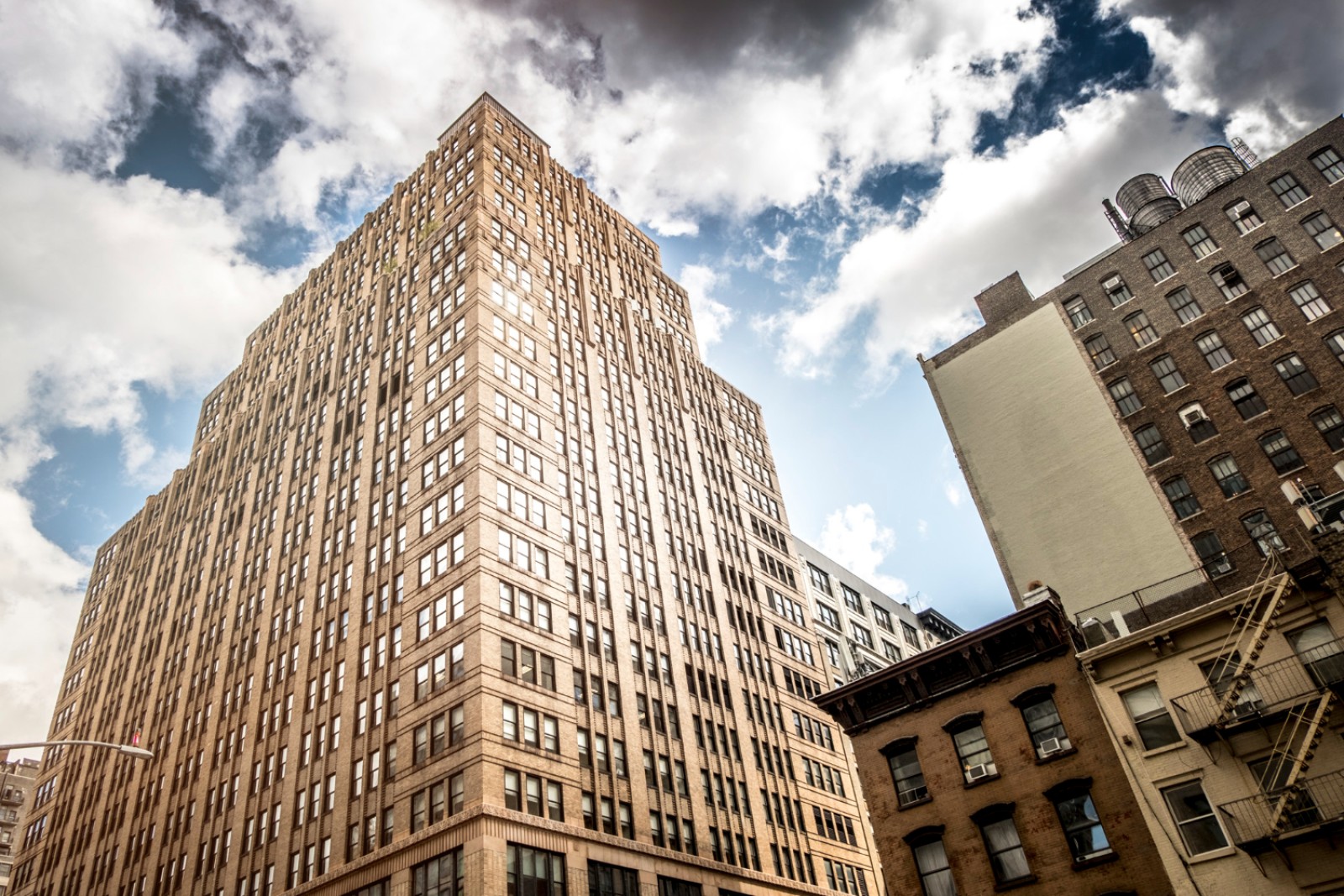
Where these conversions offer a faster and more cost-effective way to add housing than building it, profitability is achievable but highly selective. Building costs, rental demand, government incentives, and zoning policies are shaping profitability in this regard. So, before moving to the real project, let’s understand Is the commercial to residential conversion trend actually profitable in 2026.
What Is Driving The Trend Of Commercial To Residential Conversion In 2026?
Commercial building conversion to residential space has become a major trend in real estate. There are different factors that are driving the shift. The following is a brief overview in this regard.
1. Huge Growth in Conversion Projects
The number of office-to-residential projects has increased a lot in recent years. In the U.S., these conversions rose to 70,700 units in 2025, where it was only 23,100 units in 2022. That means the number is three times more in just three years!
On top of that, these conversions make up around 42% of all future adaptive reuse projects showing how important they are for cities looking for new housing.
2. Offices Are Sitting Empty
After the corona pandemic, many office buildings remain empty as people are following more work from home or hybrid work models. That’s why, in these cities, the builders or investors are showing interest in creating thousands of new homes from empty offices. For example, San Francisco’s vacant offices can provide over 61,000 housing units if converted.
3. Cities Need More Homes
With the rise of population, housing demands are also high in some cities. Here, vacancy rates are low but the rents keep going up. To meet this demand, it’s faster to turn offices into apartments instead of building it from the start.
Plus, it’s also cheaper and people can use existing space well. That’s why developers are seeing this conversion as a practical solution.
4. Government Incentives
Government incentives and the city rules also make the conversion easier. For instance, in New York city, projects with affordable housing can get long-term tax breaks.
Moreover, zoning changes and faster permits also help developers turn offices into homes more quickly. Ultimately, these incentives reduce costs offering people more places to live.
5. Conversions Make Financial Sense
In many urban areas, buying commercial buildings has become cheaper. But at the same time, apartments and condos are high in demand.
So when you convert offices into homes, you can expect better returns than keeping them as offices. That’s especially when traditional office markets are under stress and office loan delinquency rates are high. For this reason, developers see conversion as a safer and smarter investment.
Is The Commercial To Residential Conversion Trend Actually Profitable?
Well, the short answer is yes. In many cities, commercial-to-residential conversions are already showing strong potential for profit. For example New York. In this city, converted buildings can achieve apartment rents of up to $105/sq.ft.
Moreover, developers can see roughly $75 per gross square foot in income after accounting for vacancies. For sure residential use often generates more stable cash flow than office space.
Generally Conversion costs range from $100–$500 sq.ft. But research shows it can be up to 30% cheaper than building new apartments in the same market. So, when you spend less, it enhances ROI and helps projects become profitable faster.
Government incentives also make a difference here. Government programs offering tax breaks, zoning flexibility, subsidies, and extended infrastructure timelines since 2020. It has helped developers reduce costs, navigate approvals, and make conversions more financially appealing.
That’s not all! overall market potential also supports the conversion trend. Analysts estimate that roughly 170 million square feet of U.S. downtown office space can be used for conversion. After excluding high-demand Class A properties, Class B and C buildings total about 70 million square feet, the spaces most likely to offer profits.
However, profitability depends on a number of factors. Like rents, building values, conversion costs, and government incentives. Here the biggest challenge is rents and vacancies. Where the median apartment rent is about $22/sq.ft, office rents average $37.38/sq.ft. Now this 41% gap with conversion costs makes the calculation tough. Developers usually avoid buildings that are still performing well as offices or with low vacancies.
How To Maximize Profitability Of Commercial To Residential Conversion?
You need to make careful planning to maximize the profit from office-to-residential conversions. Here are the main factors that you need to focus on.
Building Selection
For sure every commercial building isn’t suitable for apartment conversion. So, you need to make a good selection. You should look for properties that allow natural light, efficient floor plates, and minimal structural changes.
Better to work with experienced local market experts, such as Reside Real Estate, to evaluate property values and identify areas where residential demand is highest.
Costs and Incentives
Conversion costs are generally high. That’s why, track construction and design expenses closely.
Moreover, ensure to take advantage of the government incentives. For instance, tax breaks, zoning flexibility, or energy efficiency. It’ll help you reduce upfront cost and enhance returns.
Rental Demand and Income Potential
It’s important to analyze the local rental market to ensure profit from conversion. You should choose areas that have strong residential demand or demographic trends that support higher rents.
Local Policies and Approvals
Before moving to any project, understand zoning rules, permitting timelines, and density allowances of the area.
You can also partner with local authorities early. They can help you speed approvals and avoid costly delays.
Financial Modeling
The last one is financial modeling. It means you should run realistic cash flow projections, factor in conversion costs, rent potential, and vacancy rates. It ensures your project will be profitable over the long term.
Conclusion
As you see, turning office buildings into homes can be a smart way to make a profit in 2026. But to get the most benefit from it, don’t just look at costs and rents. Check for local rental demand, building location, and government incentives.
Moreover you should pay attention to office vacancies, zoning rules, and population trends. It’ll help you to find the buildings and cities that offer steady returns with less risk. Do it right and ensure these conversions are a solid investment.
 Editorial staff