Marina Lyubimova
The figure explains why events in one region can affect fuel prices, shipping costs, and inflation worldwide. Oil remains a key input for transportation and logistics, so any risk to supply quickly spreads through the economy.
Why These Exports Matter
The Persian Gulf remains one of the world's largest oil-exporting regions. A significant share of global energy trade passes through its shipping routes. When markets see a threat to those flows, oil prices react. The effect is often felt long before any actual supply disruption occurs.
That sensitivity is higher today because crude prices remain well above last year's levels.
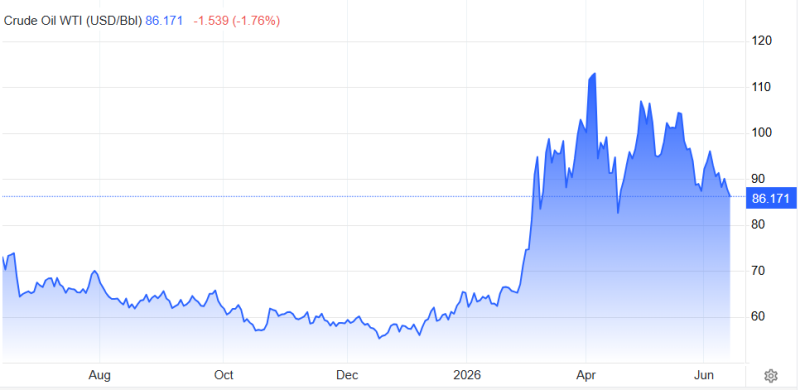
WTI crude rose from roughly $55–60 per barrel in late 2025 to above $110 earlier this year before easing to $86.17.
The move shows how quickly oil markets can reprice when supply concerns emerge. Although prices have retreated from their peak, they remain elevated compared with levels seen a year ago.
The Impact on Fuel Prices
Higher crude prices eventually show up at gas stations.
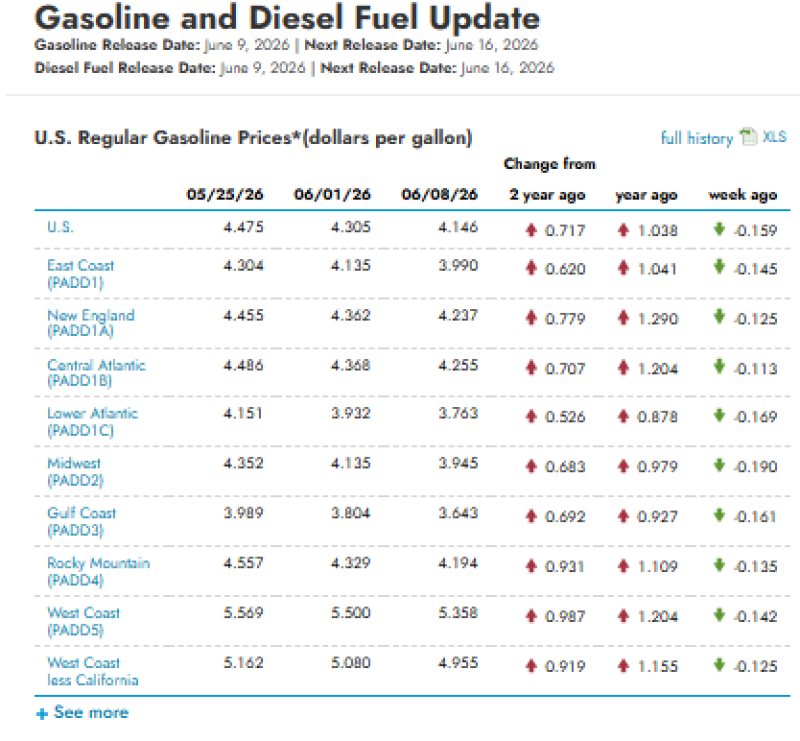
Average U.S. gasoline prices remain more than $1 per gallon above year-ago levels.
Latest data shows:
- U.S. average gasoline price: $4.146 per gallon
- One year ago: $3.103 per gallon
- Annual increase: $1.043 per gallon
Prices have fallen during recent weeks, but drivers are still paying substantially more than they were last year.
Why Diesel Matters More
Diesel affects much more than transportation. It powers freight trucks, agricultural equipment, construction machinery, and industrial operations. When diesel becomes more expensive, costs rise across supply chains.
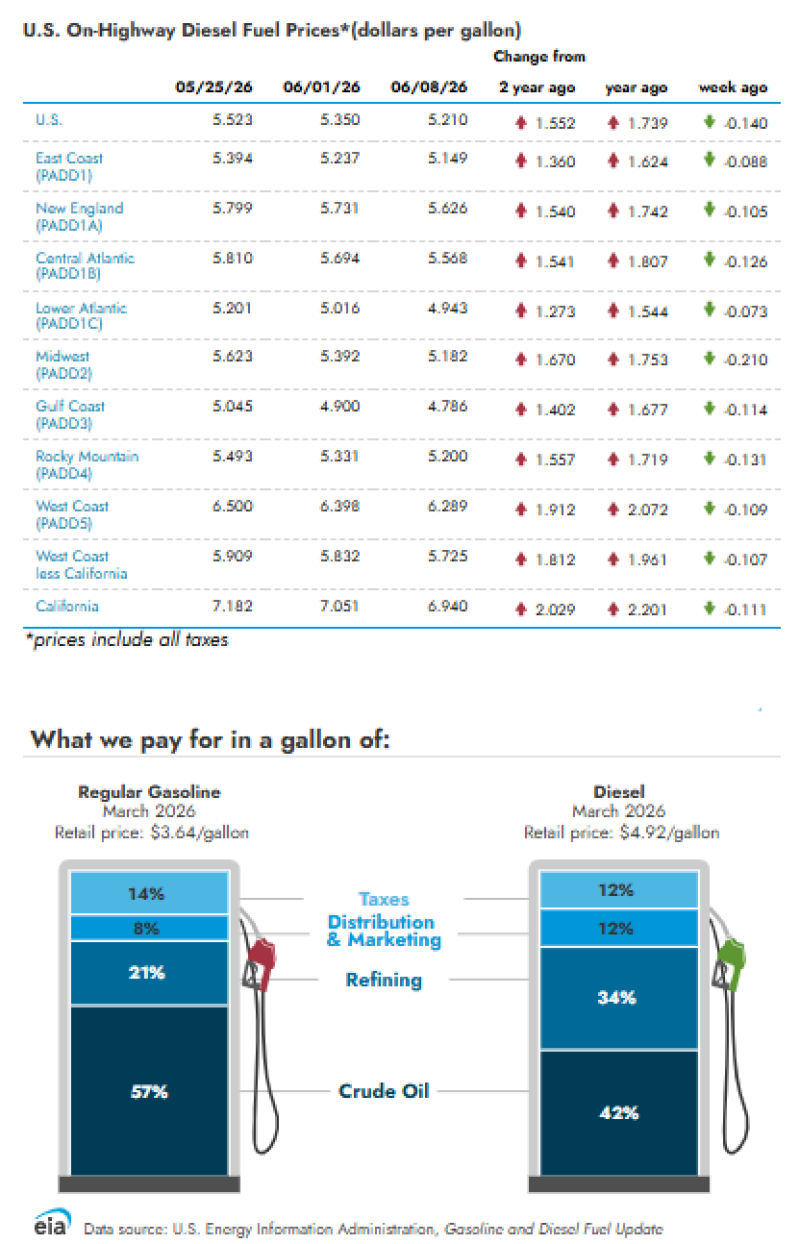
Diesel prices remain sharply elevated compared with last year.
Current figures show:
- U.S. average diesel price: $5.210 per gallon
- One year ago: $3.471 per gallon
- Annual increase: $1.739 per gallon
Those higher costs eventually reach consumers through shipping charges, food prices, and retail goods.
What Drives Fuel Prices
The latest EIA data shows that crude oil remains the largest component of fuel costs.
Regular gasoline:
- Crude oil: 57%
- Refining: 21%
- Distribution and marketing: 8%
- Taxes: 14%
Diesel:
- Crude oil: 42%
- Refining: 34%
- Distribution and marketing: 12%
- Taxes: 12%
The numbers explain why oil market disruptions have a direct effect on fuel prices. Crude oil accounts for a larger share of the final price than taxes, transportation, or marketing.
Why the Persian Gulf Remains Critical
The importance of the reported 7 million barrels per day is not the number alone. It is the concentration of supply. A large volume of global oil exports still depends on a relatively small region. When tensions increase there, markets reassess the risk of tighter supply and higher energy costs. That is why developments in the Persian Gulf continue to influence fuel markets around the world.
 Marina Lyubimova