Marina Lyubimova
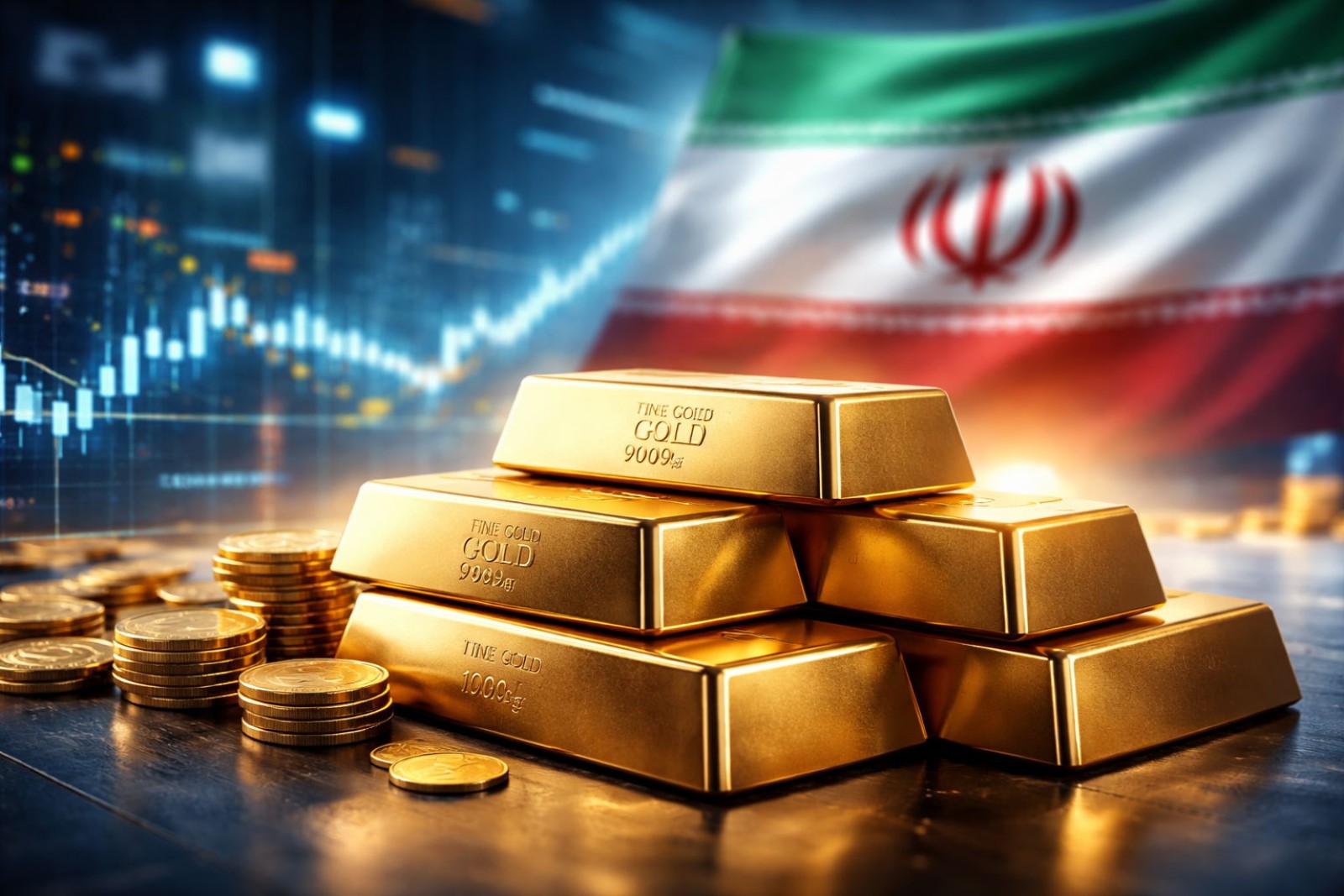
Gold (XAU) moved into the spotlight this week as Iran proposed a three-year pause on uranium enrichment at Geneva negotiations — a move that stopped short of the full halt Washington demanded. With Middle East tensions still running hot, traders are keeping a close eye on how the situation develops and what it means for safe-haven assets.
Iran's Offer Leaves Negotiations Wide Open
The proposal came out of diplomatic talks in Oman and signals limited flexibility from Tehran's side. Iran is willing to pause enrichment and export existing stockpiles temporarily — but a permanent ban is off the table. Meanwhile, the U.S. continues pushing for broader restrictions, including missile limitations, while Iran wants access to oil revenue as part of any deal. That's a wide gap, and it's not closing anytime soon.
The proposal reflects limited flexibility in the Geneva negotiations — and markets are watching closely.
The backdrop makes this even more sensitive. Israeli strikes in June 2025 damaged Iranian nuclear facilities and sharply escalated regional tensions, and Washington hasn't eased its sanctions pressure either. With neither side ready to fully commit, the situation remains fluid and unresolved.
What This Means for Gold Prices
Historically, moments like this tend to move precious metals. Prolonged geopolitical uncertainty keeps risk perception elevated, and investors often rotate toward gold when diplomatic outcomes look uncertain. We've seen this pattern play out before — gold rising during Middle East tensions and periods of global uncertainty impacting financial markets. Without a clear path to agreement between the U.S. and Iran, gold supported by geopolitical risks could remain a theme in the weeks ahead.
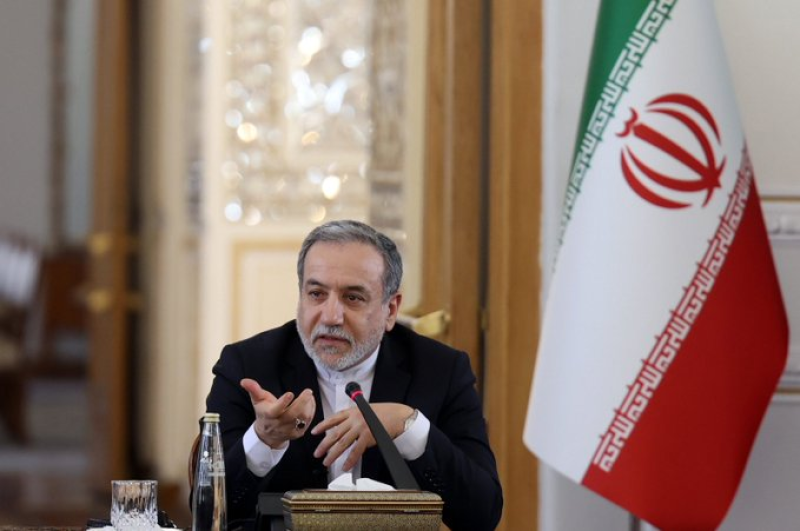
For now, negotiations are still open-ended. Any shift in diplomatic tone — or a breakdown in talks — could quickly ripple through commodity markets. Gold traders have every reason to stay tuned.
 Marina Lyubimova