Eseandre Mordi
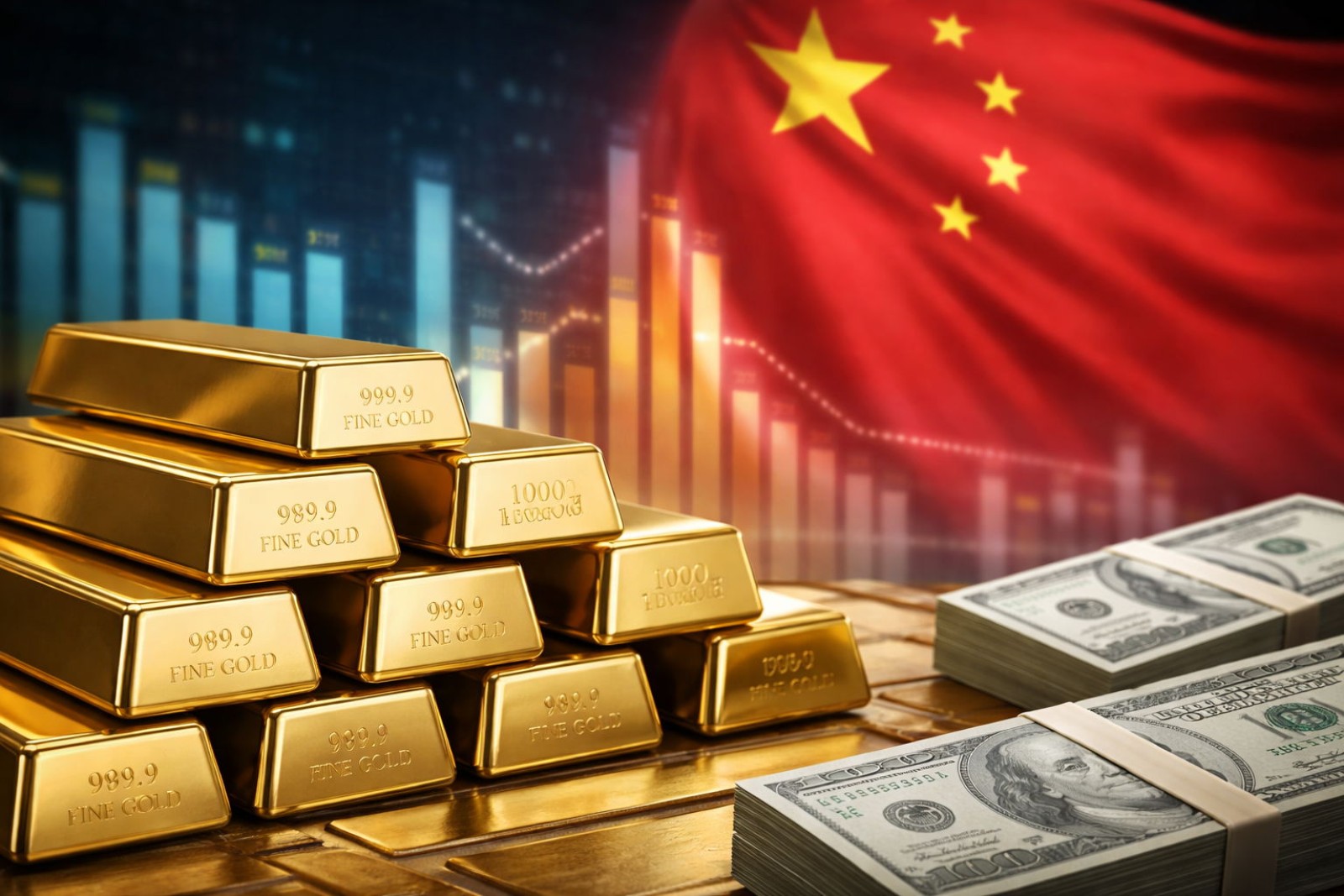
⬤ China has been reshaping its reserve portfolio by cutting back on U.S. Treasuries and dollar holdings while ramping up its gold position. The country's foreign exchange reserves dropped from roughly $3.99 trillion down to $3.31 trillion. Meanwhile, Treasury holdings fell sharply from about $1.32 trillion to approximately $683 billion, while gold reserves climbed to around 74 million ounces.
⬤ The numbers tell a compelling story. China's Treasury allocation has been on a steady decline since 2011, falling from nearly 29% of total holdings to just 7.3% today. At the same time, gold holdings have surged to about 7.3K tons. Dollar-denominated reserves also took a hit, dropping from roughly 78% to around 37%. This isn't a sudden panic move—it's a calculated rebalancing that's been unfolding over more than a decade. A similar pattern emerged in China slashes $683B in Treasuries while gold holdings hit 74M ounces.
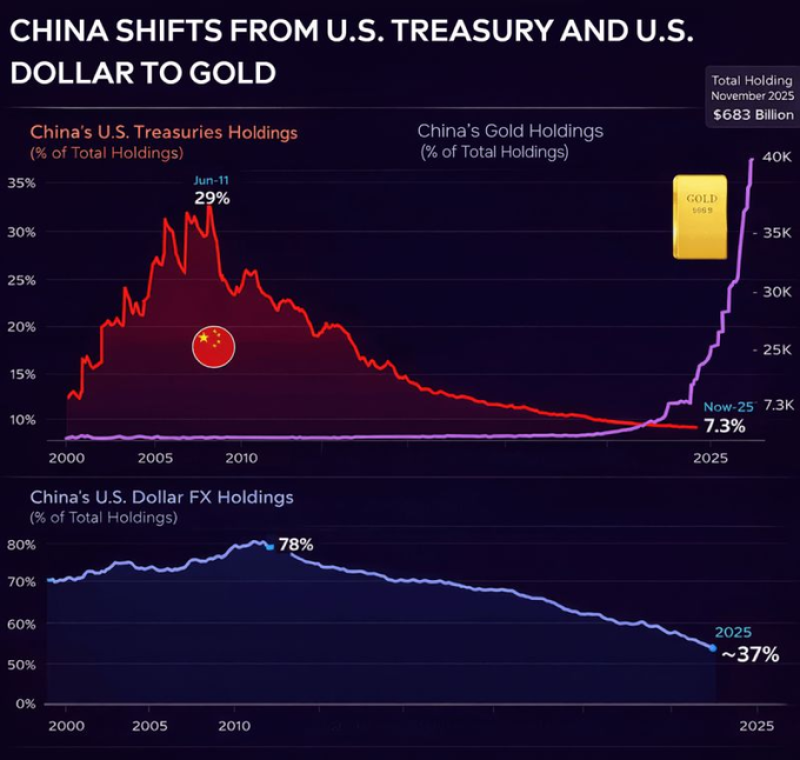
⬤ Analysts familiar with the data emphasized this is about managing risk, not ditching the dollar entirely. The diversification spreads exposure across different asset classes instead of concentrating everything in Treasuries. This mirrors a broader global trend highlighted in central banks hold more gold than U.S. Treasuries for the first time since 1996.
⬤ Why does this matter? Because when major economies rebalance their reserves, it affects global capital flows and government financing conditions. With gold gaining ground while Treasury exposure shrinks, investors are keeping a close watch on how this diversification plays out—especially as it intersects with shifting liquidity patterns and sovereign appetite for debt.
 Eseandre Mordi