Alex Dudov
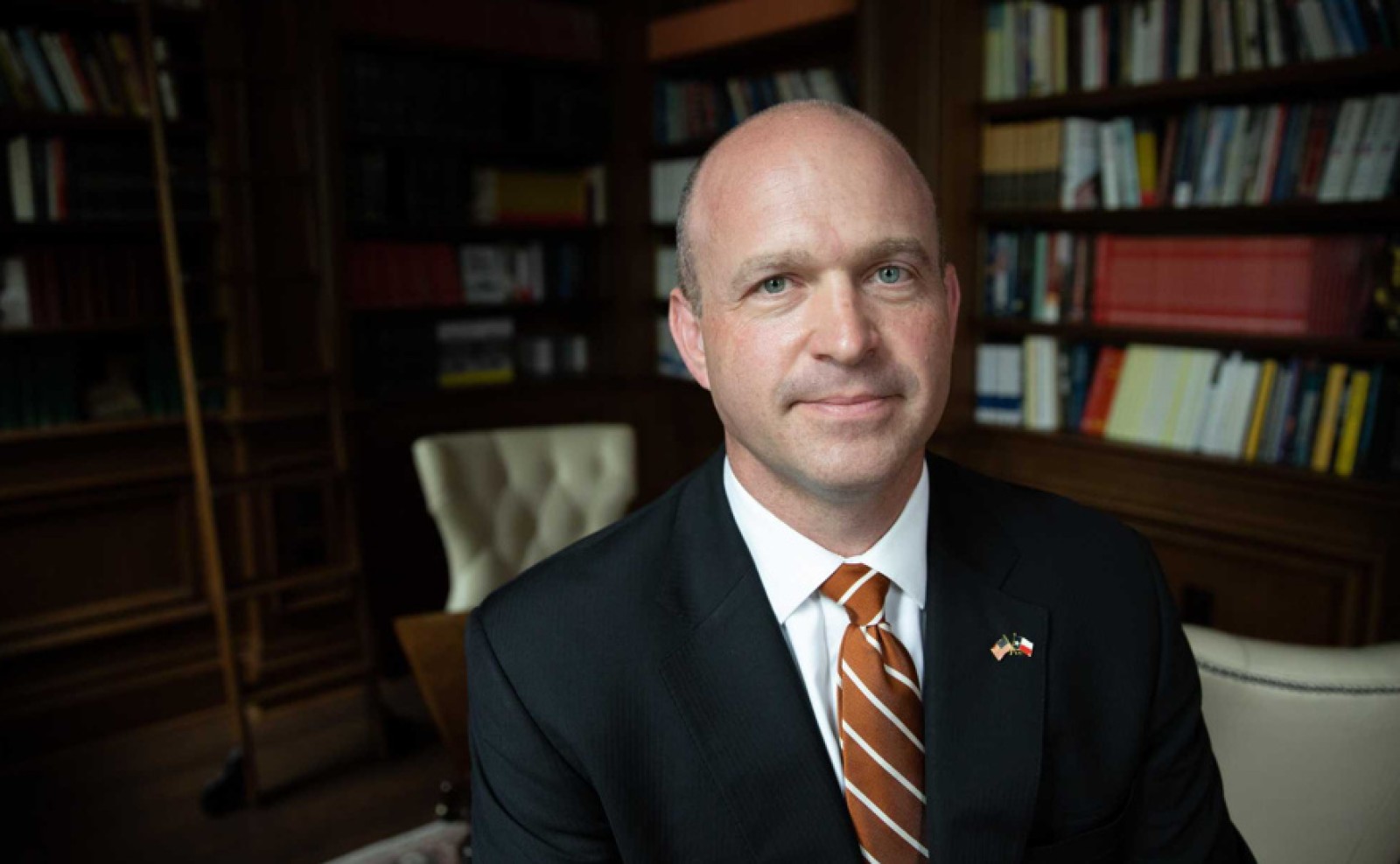
Ever wonder how someone goes from teaching history at a small university to pulling down close to a million bucks a year? Kevin Roberts' story is pretty wild. This guy started out as a regular college professor making maybe 50 grand, and now he's running the Heritage Foundation, one of the biggest conservative powerhouses in Washington. We're talking about someone who went from grading papers to shaping national policy and banking nearly seven figures annually. His journey involves founding schools, making controversial decisions that got national attention, and climbing the ladder of conservative politics until he landed at the very top. Let's break down how he did it and what he believes made him successful.
Who is the CEO of the Heritage Foundation Today
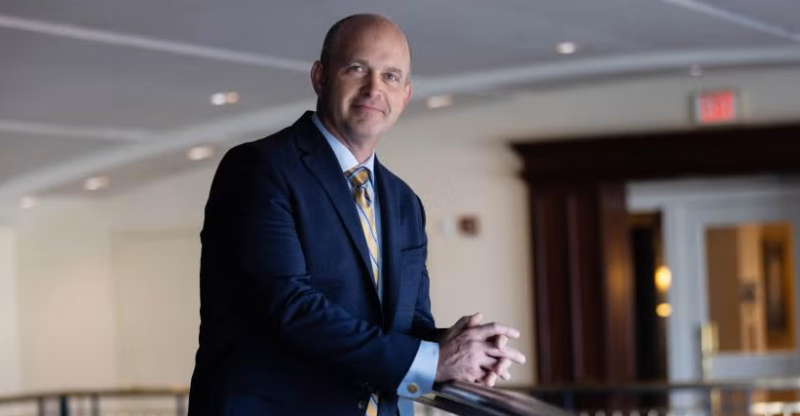
Kevin D. Roberts runs the Heritage Foundation now—he took over in October 2021 as the seventh president in the organization's half-century history. Born June 24, 1974, in Lafayette, Louisiana, this guy definitely didn't have an easy childhood. His folks split up when he was just 4 years old because his dad had serious drinking problems. Then things got even darker—when Kevin was only 9, his older brother, who was 15, took his own life after crashing their mom's car. That kind of trauma either breaks you or shapes you into something different. For Roberts, it pushed him hard toward education as his ticket to a better life.
Here's the thing—Roberts wasn't always this political heavy hitter we see today. He actually started out as a legit scholar. The guy earned his bachelor's in history from the University of Louisiana at Lafayette back in 1996, kept grinding through his master's at Virginia Tech in 1999, and then finished his PhD in American History at the University of Texas at Austin in 2003. And we're not talking about some weak dissertation either. His research focused on African-American family structures in colonial Virginia, and apparently it was pretty solid work that showed genuine intellectual chops.
Kevin Roberts' First Steps: Teaching and Early Career
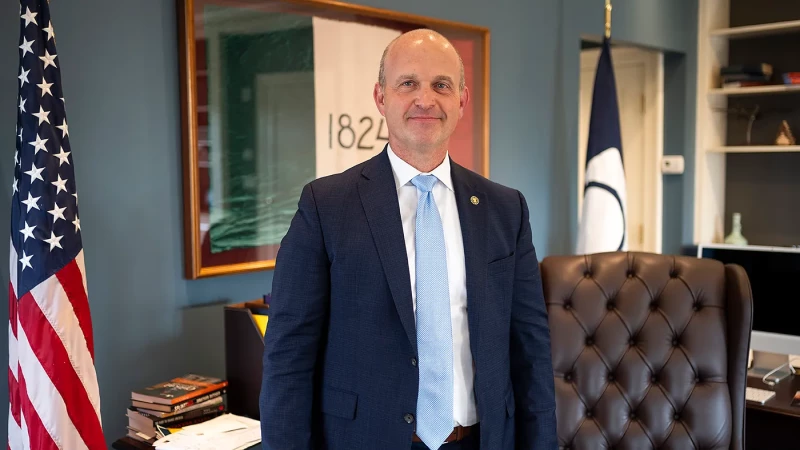
Between 2003 and 2005, Roberts worked as an assistant professor at New Mexico State University, teaching college history courses. This was his first real professional gig, and like most assistant professors back then, he probably pulled in somewhere between 45 and 65 thousand dollars a year. Not bad money, but definitely not what he's making now. During this time, he actually did publish some serious academic work, including a whole textbook about African American issues that looked at stuff like affirmative action and criminal justice from different angles.
But Roberts clearly had bigger plans than just staying on the academic treadmill. In 2006, he made a bold move—he bailed on university life completely to start his own school. John Paul the Great Academy became his baby, a Catholic K-12 school in Lafayette, Louisiana, where he ran the show as both president and headmaster for seven years. Think about that for a second—the guy went from being a professor where someone else called the shots to actually building an entire educational institution from nothing. That's entrepreneurial as hell. As the founder running his own school, his pay probably bumped up to maybe 80 to 120 grand, though nobody's published exact numbers. More importantly, he got his first real taste of what it's like to be in charge and make the big calls.
How Kevin Roberts Built His Career and Income
The money really started rolling in when Roberts moved into bigger leadership roles. In 2013, he jumped to become president of Wyoming Catholic College, where he stayed until 2016. This is where he started making national headlines—Roberts led the college to straight-up refuse all federal student loans and grants. His reasoning?
He wanted the school completely independent from government regulations so they could run things exactly how they wanted without worrying about compliance with federal rules on things like same-sex marriage and birth control. The New York Times wrote a piece calling the school full of "cowboy Catholics" because of this maverick stance. Presidents of small private colleges like that typically bank somewhere between 150 and 250 thousand bucks, so Roberts was definitely in solid six-figure territory by this point.
Then came the really big break in 2016—Roberts landed the number two spot at the Texas Public Policy Foundation as executive vice president. TPPF is one of the biggest state-level conservative think tanks in the entire country, and Roberts didn't stay second-in-command for long. By 2018, he'd climbed to CEO. Under his watch, TPPF literally doubled in size and went from being a Texas-focused operation to having national reach, including opening up shop in Washington D.C. At this level, Roberts was almost certainly pulling in somewhere between 300 and 500 thousand dollars a year—a massive jump from those early teaching days.
Peak Earnings: Who is the CEO of the Heritage Foundation Making Today
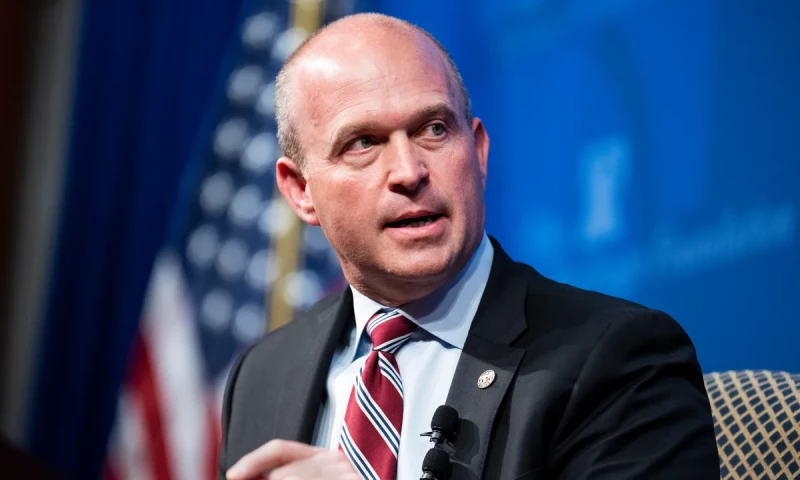
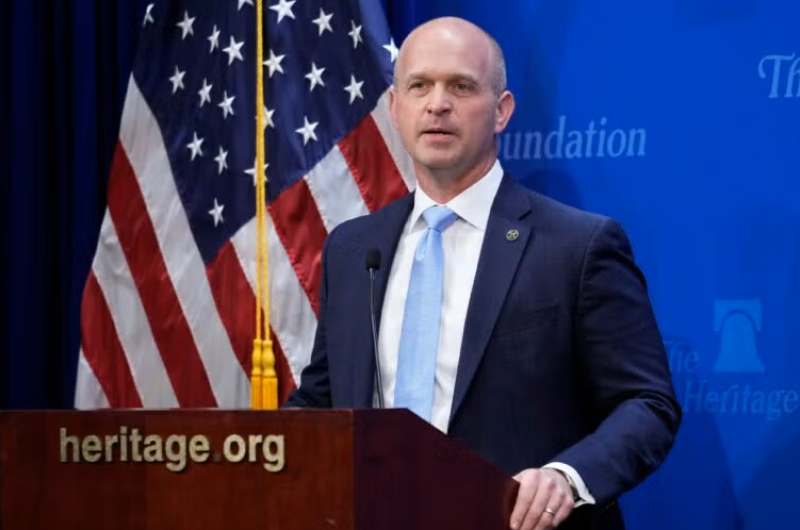
When Roberts took over at the Heritage Foundation, his compensation went absolutely through the roof. Check this out—in 2022, Kevin Roberts pulled down $675,471 as Heritage Foundation president. But that was just year one. By 2023, according to what the foundation reported to the IRS, Roberts was making $953,920 per year. That's basically a million bucks. Then in September 2023, he also got named president of Heritage Action, which is the foundation's lobbying wing, so now he's running both organizations at the same time. That definitely helps explain the massive paycheck.
Let's put this in perspective for a second. Roberts probably started at around 50 grand as an assistant professor back in 2003. Twenty years later, he's making nearly a million annually. That's like a 20-times increase in income over two decades. And the Heritage Foundation treats its top people right—they're not flying coach. The organization covers first-class travel and even pays for travel companions. Just looking at 2022 and 2023 combined, Roberts brought home $2 million in total compensation.
The Heritage Foundation itself has become a fundraising beast under Roberts' leadership. In 2023 alone, the foundation brought in $101 million in total revenue. Roberts has been steering the ship in an increasingly aggressive political direction, especially with Project 2025, this controversial blueprint for how conservatives should run the government if they win. Love him or hate him, the guy's positioned himself at the center of conservative politics in America, and he's getting paid serious money to do it.
Kevin Roberts' Philosophy on Success: What He Believes
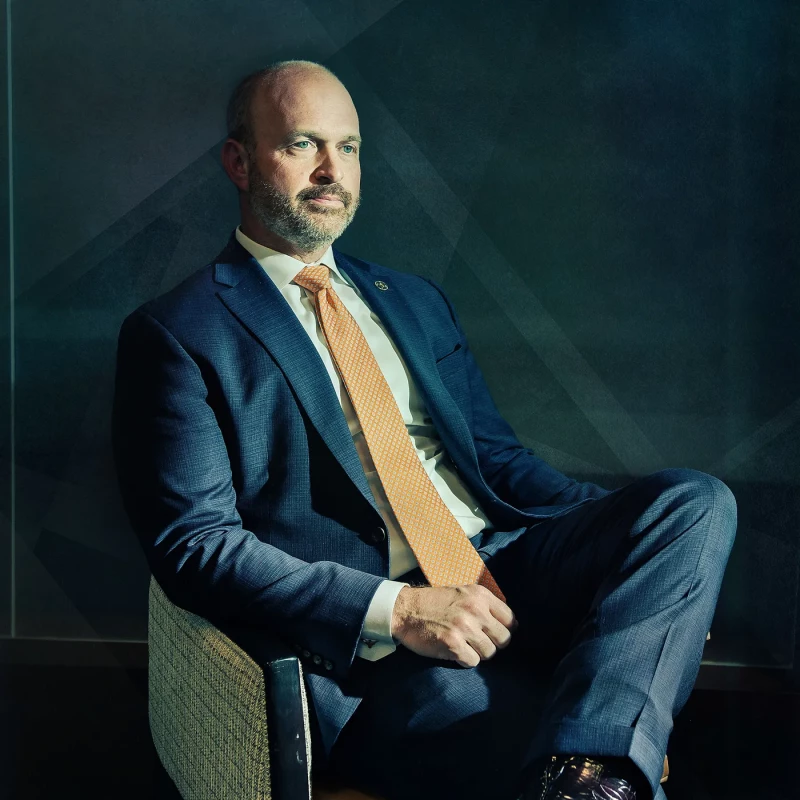
Roberts has been pretty vocal about what he thinks it takes to succeed, though honestly, his approach might rub some people the wrong way. Here's what drives the guy:
- Stick to Your Guns No Matter What: Roberts genuinely believes success comes from never backing down on your core values, even when everyone's giving you crap for it. Look at what he did at Wyoming Catholic College—he walked away from easy federal money because he wanted total independence. He's literally said that move let them practice their Catholic faith without having to compromise on anything. The dude values staying true to his principles way more than taking the easy, popular route.
- Build Things That Last Longer Than You: This is interesting—Roberts isn't just trying to climb some corporate ladder and cash checks. He's focused on actually building and transforming entire institutions. He founded a school from scratch, led a college, made TPPF way bigger, and now he's reshaping Heritage. His whole philosophy is that real power doesn't come from just advancing your own career. It comes from controlling the institutions themselves. He talks all the time about how conservatives need to either build brand new institutions or take back the ones that have been captured by the other side.
- Don't Be Scared to Make Waves: Roberts' entire career shows he's willing to make moves that piss people off. Whether it's rejecting federal money, firing staff who disagree with him, or completely changing Heritage's policy positions on major issues, he believes leaders need to be willing to take serious heat to get what they want done. He's constantly saying conservatives need to stop playing defense and go on offense instead.
- Faith and Family Are Everything: Roberts hammers this point home constantly—he thinks success without strong family and religious foundations is basically worthless. He's written a ton about how conservative success has to be rooted in traditional values, and he argues America's entire future depends on having strong families. He's got four kids with his wife, and he's made family policy one of the biggest focuses at Heritage. This isn't just talk for him—it's clearly central to how he sees the world.
- Your Brain Actually Matters: Even though Roberts is neck-deep in partisan politics now, he maintains that serious policy work needs genuine intellectual muscle behind it. His own PhD and academic background give him credibility that regular political operatives just don't have. He wants the Heritage Foundation to be what he calls a "solutions factory" that mixes real academic rigor with political action. It's not enough to just have opinions—you need to back them up with solid research.
- Movements Beat Personalities: Roberts talks all the time about building a lasting movement, not just making himself famous. He sees his job as baking conservative principles into institutions so deeply that they'll survive long after he's gone. Whether you agree with his politics or think he's completely wrong, you've got to admit the guy's thinking long-term about power and influence.
Look, Roberts went from being a kid whose brother died tragically and whose dad battled serious alcoholism to running one of Washington's most powerful organizations. Whether you love his politics or can't stand what he stands for, his story proves that combining solid intellectual credentials with savvy institutional maneuvering and absolutely refusing to compromise on your core beliefs can lead to both massive influence and serious money. That nearly million-dollar salary shows that running a top-tier think tank pays incredibly well—way, way better than the academic career he left in the dust.
 Alex Dudov