Eseandre Mordi
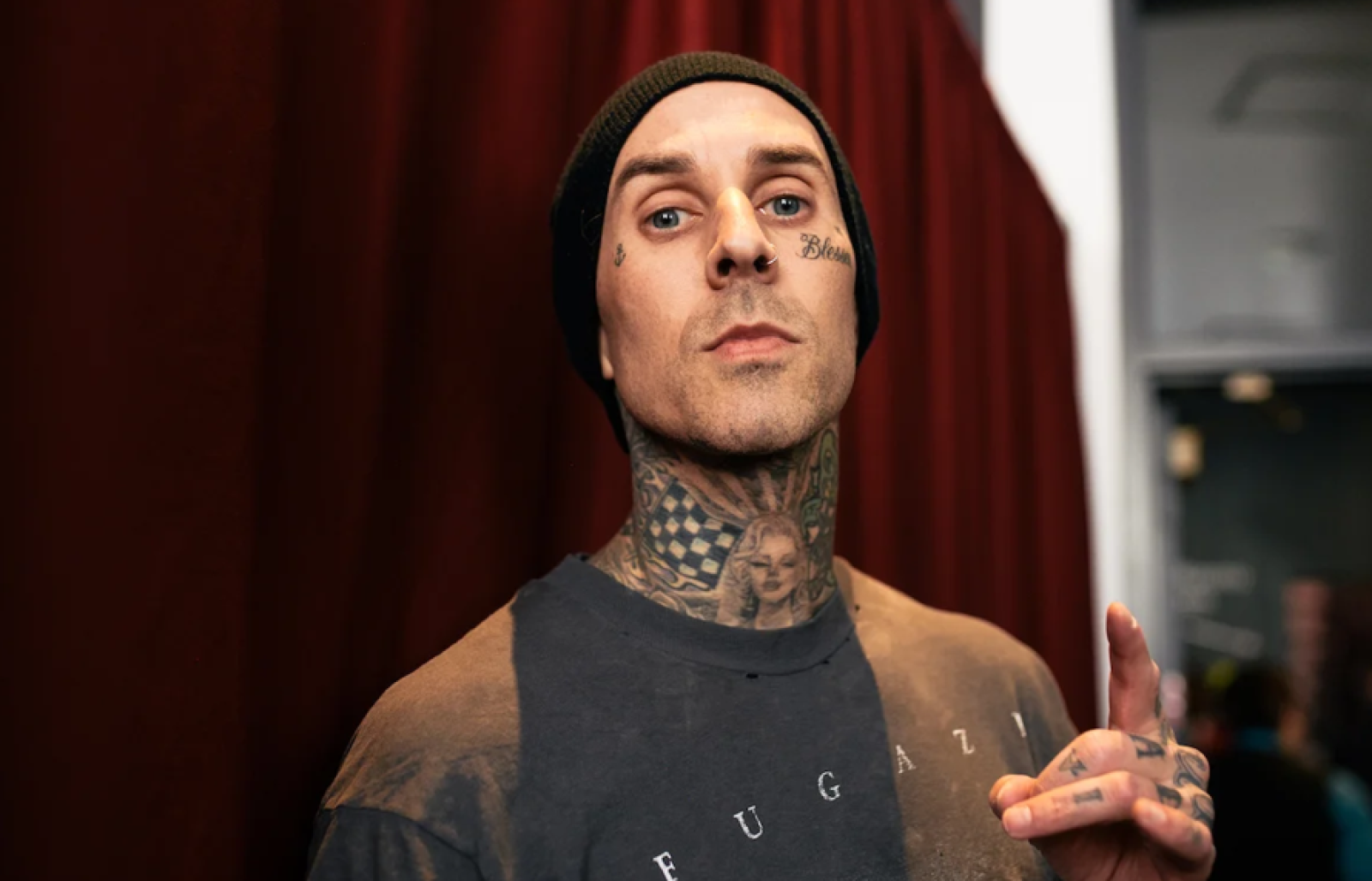
Travis Barker's story isn't your typical overnight success tale. The legendary drummer behind Blink-182's explosive sound built his fortune the hard way—starting with five-dollar gigs at dive bars and morning shifts hauling trash through California suburbs. Today, he's sitting on a cool $50 million, proving that raw talent mixed with stubborn determination can take you from nothing to everything.
Travis Barker's Early Days and First Paycheck
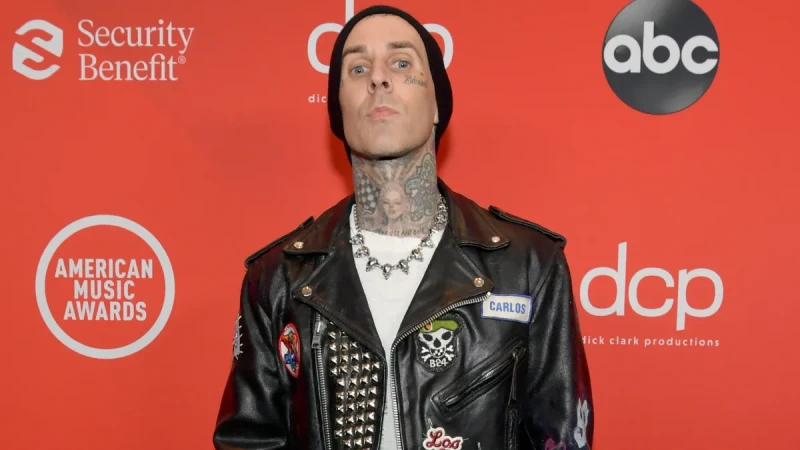
Growing up in Fontana, California, Barker wasn't exactly born with a silver spoon. His family was working-class through and through, and money was always tight. He started banging on drums as a kid, playing anywhere that would have him—high school parties, local bars, random backyard gatherings. We're talking about shows where he'd walk away with maybe five or ten bucks in his pocket. Not exactly retirement money, but it kept him going.
His mom was his biggest cheerleader, always pushing him to chase the music dream. When she passed away right before his freshman year of high school, Barker made himself a promise—he'd make something real out of his life, something she'd be proud of. That promise kept him grinding through the rough years when success felt like a million miles away.
The Trash Collection Days
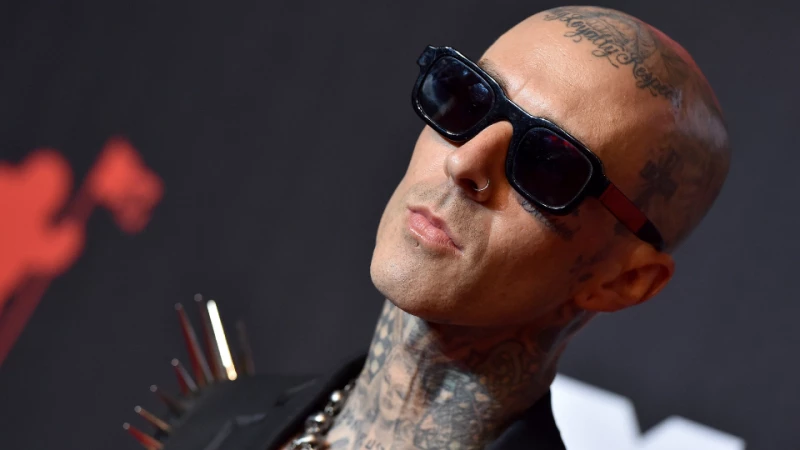
Here's where it gets real. Before the fame and fortune, Barker was working at a garbage company to keep himself fed. Picture this: waking up at dawn, spending your morning hauling other people's trash, then rushing home to practice drums until your hands bled, followed by late-night shows at sketchy venues. The garbage gig paid around two or three hundred bucks a week—enough to cover a crappy apartment and replace broken drumsticks, but not much else.
The work was brutal and humiliating at times. Here was this incredibly talented drummer, literally carrying garbage during the day while dreaming about stadiums at night. But Barker never complained. He needed the money, and honestly, those early struggles shaped who he became. When you've hauled trash for a living, you don't take success for granted once it finally shows up.
Breaking Through with The Aquabats and Blink-182
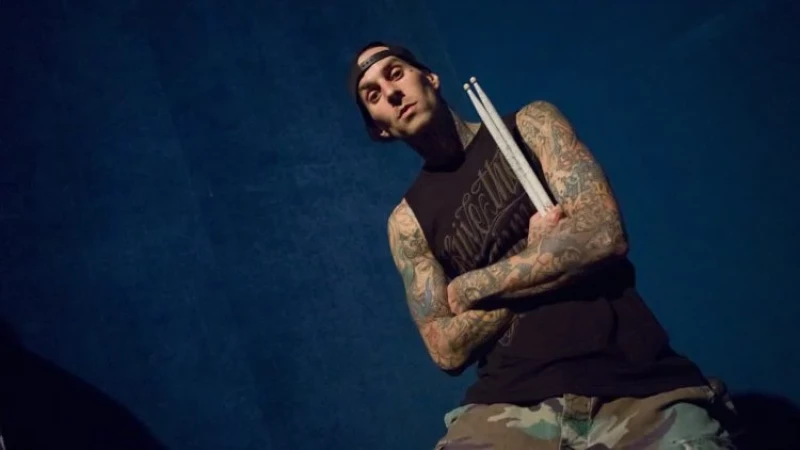
Things started looking up in the mid-90s when Barker joined The Aquabats, this wild ska-punk band that wore superhero costumes on stage. Suddenly he was making five to seven hundred dollars weekly—still not rich by any means, but a massive upgrade from the garbage truck. He was touring, playing real venues, living the life he'd always wanted. The money wasn't great, but it beat the hell out of his previous situation.
Then came the moment that changed everything. In 1998, Blink-182 needed a drummer mid-tour, and Barker happened to know their entire setlist. He'd been watching them perform, studying their songs like homework. When they called him up, he learned 20 tracks in about 45 minutes and crushed the show that same night. Just like that, he was in one of the biggest punk bands in the world.
Once "Enema of the State" dropped in 1999, Barker's bank account went from struggling musician to legitimately wealthy. That album moved 15 million copies, and suddenly he was pulling in hundreds of thousands every year. By the early 2000s, his annual income hit the one to two million dollar range. Not bad for a kid who used to play for five bucks and free beer.
The Peak Years and Tragedy That Changed Everything
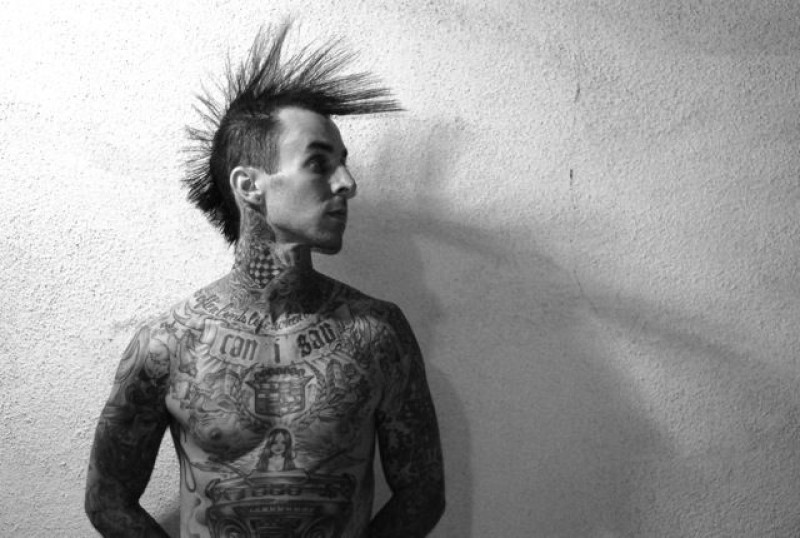
Barker's first major peak came with Blink-182's explosive success in the early 2000s. They were everywhere—MTV, radio, sold-out arenas. The money was rolling in from album sales, massive tours, and merchandise that kids couldn't get enough of. But his career took an unexpected turn in 2008 when he survived a plane crash that killed four people. Barker suffered third-degree burns over 65 percent of his body and spent months in excruciating recovery.
Most people would've quit after something that traumatic. Barker did the opposite—he came back harder than ever. The near-death experience lit a fire under him that never went out. He started collaborating with everyone from hip-hop artists to pop stars, charging anywhere from 50 to 100 grand per production or feature. His reality show "Meet the Barkers" brought in about 75 thousand per episode. He launched Famous Stars and Straps, his clothing company, and started his own record label.
This second wave of success actually eclipsed his Blink-182 peak. Barker became more than just a drummer—he was a brand, a producer, a cultural icon. The travis barker net worth really exploded during these years, climbing from a few million to tens of millions as he diversified his income streams and proved he could dominate multiple industries simultaneously.
Where Travis Barker Net Worth Stands Today
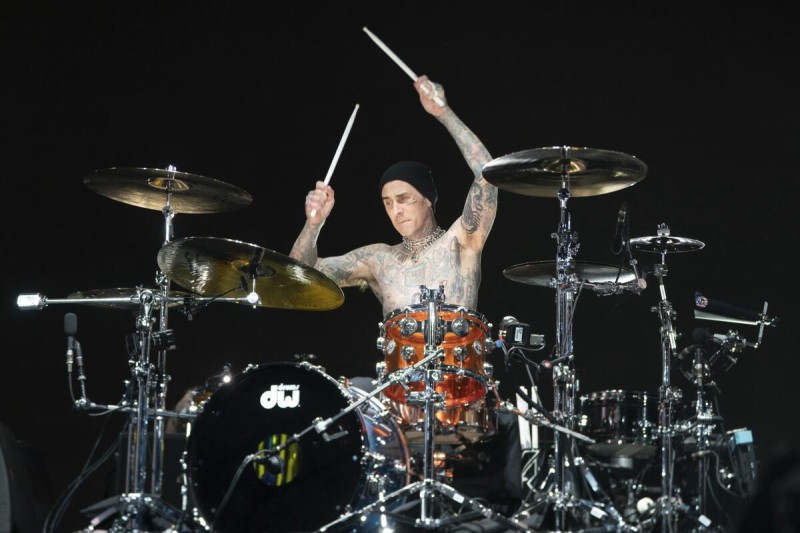
Fast forward to now, and travis barker net worth sits comfortably around $50 million. That number comes from everywhere—Blink-182's reunion tours still pull in massive crowds, netting him somewhere between three and five million per major tour. His production work keeps money flowing in every month, sometimes six figures depending on how busy he is. The clothing brand generates steady cash without him lifting a finger.
His real estate game is strong too. The guy owns properties in Calabasas worth over $10 million, plus an insane collection of vintage cars and motorcycles that could probably fund a small country. And let's not forget the streaming money—every time someone plays a Blink-182 song on Spotify or Apple Music, Barker gets his cut. We're talking hundreds of thousands annually just from people jamming out to songs he recorded decades ago.
Marrying Kourtney Kardashian in 2022 definitely didn't hurt his financial situation either, merging his wealth with one of entertainment's richest families. But here's the thing—Barker was already loaded before that relationship. He built his fortune on his own terms, through his own work, and that's something he's genuinely proud of. The travis barker net worth isn't about lucky breaks or family connections; it's about decades of grinding and smart business moves.
Travis Barker's Blueprint for Success
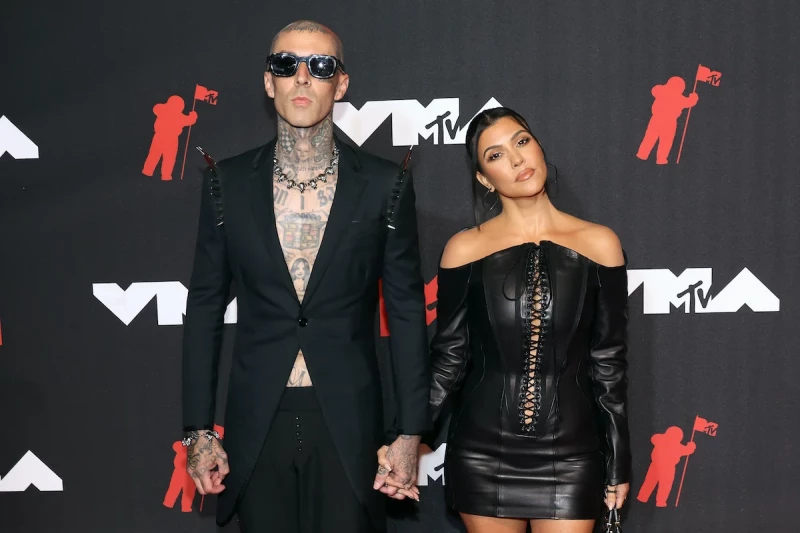
Ask Barker about his success, and he'll tell you it's pretty simple—practice until your hands hurt, then practice some more. Even when Blink-182 was at their peak, he'd still put in six to eight hours daily on the drums. He's got this philosophy that the second you think you've made it, you're already starting your decline. Complacency kills careers, and Barker refuses to get comfortable.
He's big on diversification too. Drumming paid the bills, sure, but he didn't stop there. Fashion, production, business ventures—Barker spread his bets across multiple industries. His advice to young musicians is never rely on just one income source. The music industry is unpredictable, and you need backup plans for your backup plans.
Authenticity matters to him too. Despite working with pop artists and mainstream acts, Barker never abandoned his punk roots. That genuineness earned him respect across every genre. People trust him because he's always been himself, never selling out or pretending to be something he's not.
Maybe most importantly, Barker talks about turning disasters into fuel. That plane crash could've ended everything—his career, his life, his dreams. Instead, he used it as motivation to work harder and appreciate every opportunity. When life knocks you flat, you get back up and hit the drums twice as hard. That mindset took him from garbage trucks to $50 million, and it's a mindset anyone can adopt regardless of their circumstances.
 Eseandre Mordi