Sergey Diakov
- Spike Lee's First Job and Where the First Real Money Came From
- How Spike Lee's Career and Earnings Grew Through the 1990s
- Spike Lee's Peak: $184M at the Box Office and an Oscar Four Decades In
- Spike Lee Net Worth in 2025: What $60M Actually Looks Like
- Spike Lee's Philosophy: What He Says About Building Something That Lasts
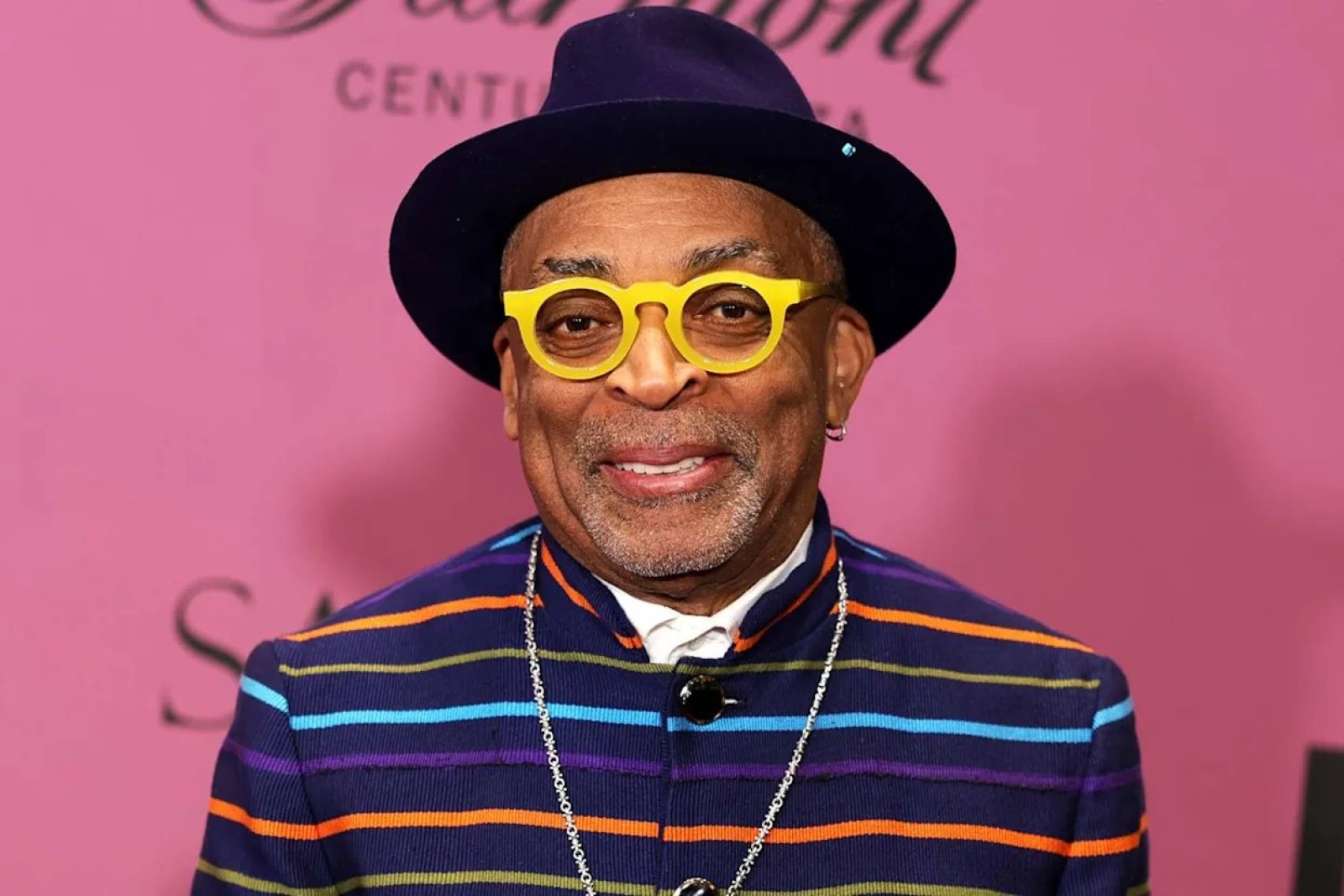
There's a version of Spike Lee's story where he never makes it. No studio backing, no inherited connections, no obvious path forward. Just a kid from Brooklyn with a camera and a point of view that made a lot of people uncomfortable. And yet here we are, four decades later, talking about one of the most influential directors in American film history and a net worth that most people in the industry never come close to.
Born Shelton Jackson Lee in Atlanta on March 20, 1957, he was raised in the Fort Greene section of Brooklyn. His father Bill was a jazz musician, his mother a teacher of art and black literature. Growing up in that house, storytelling wasn't a hobby, it was the air they breathed. Spike's first actual obsession, though, was sports. He wanted to be a professional baseball player. Film came later, quietly, and then all at once.
Spike Lee's First Job and Where the First Real Money Came From
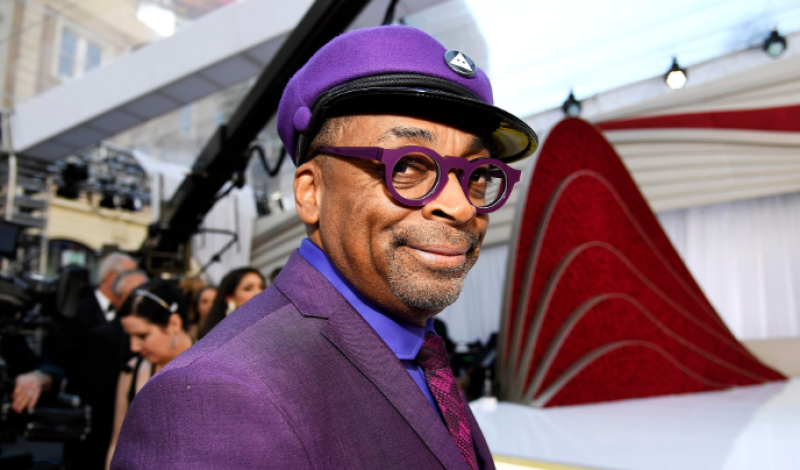
The story starts at Morehouse College in Atlanta, where something shifted. By the time he graduated, Lee had decided he wanted to make films. He enrolled at NYU's Tisch School of the Arts and earned his Master of Fine Arts in film production. While still a student, he directed a short called Joe's Bed-Stuy Barbershop: We Cut Heads in 1982. It became the first student film ever featured in Lincoln Center's New Directors, New Films series, and it won the Student Award from the Academy of Motion Picture Arts and Sciences.
That was the recognition. The money came a bit later. After graduating, Lee got signed by the William Morris Agency, but studio doors didn't exactly fly open. So he did what he would keep doing throughout his career: he figured it out himself. He scraped together $125,000 through independent financing and shot She's Gotta Have It in 1986. The film won the Prix de Jeunesse at Cannes and earned close to $9 million at the box office. Not bad for a first feature made on a shoestring in twelve days.
That same year, Lee founded 40 Acres and a Mule Filmworks, his own production company. It was both a creative and a business decision, and it turned out to be one of the smartest moves of his career. The company generates an estimated $3 million per year and has been the backbone of his work ever since.
How Spike Lee's Career and Earnings Grew Through the 1990s
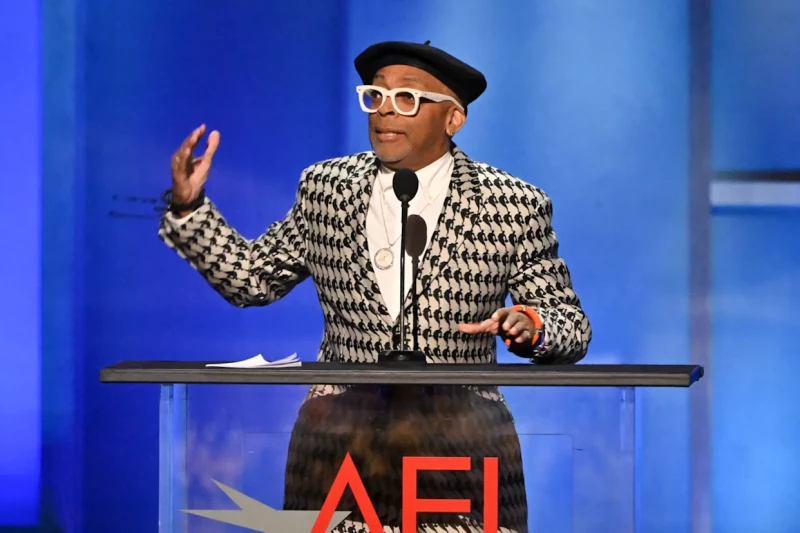
She's Gotta Have It opened the door. Do the Right Thing kicked it off the hinges. The 1989 film about racial tension in Brooklyn was raw, urgent, and unlike anything coming out of Hollywood at the time. It earned Lee an Academy Award nomination for Best Original Screenplay and put him on a level where studios had to take him seriously.
From there, the pace was relentless. Mo' Better Blues, Jungle Fever, and then in 1992, Malcolm X, the biographical epic starring Denzel Washington that many still consider Lee's most ambitious work. Directing Malcolm X reportedly earned him around $3 million, and that likely included backend deals tied to box office performance. Not a bad salary for a director who had only recently been turned down by every major studio in town.
During this same period, Lee was building something else: a personal brand. His partnership with Nike, playing the character Mars Blackmon alongside Michael Jordan in a long-running ad campaign, made him a cultural figure beyond cinema. He wasn't just a filmmaker anymore. He was a name, a face, a voice that carried weight in boardrooms as well as screening rooms. That Nike relationship brought him endorsement income well beyond what most directors ever see.
Spike Lee's Peak: $184M at the Box Office and an Oscar Four Decades In
His biggest commercial moment came in 2006. Inside Man, a heist thriller starring Denzel Washington and Clive Owen, grossed about $184 million worldwide. For a director who had spent much of his career working outside the studio system, it was a different kind of win. It showed he could operate at blockbuster scale without losing what made his work distinctly his.
According to The Numbers, Lee has personally generated $587,737,937 at the worldwide box office as a director. When you add his roles as producer, writer, and actor across dozens of projects, the total profit figure climbs past $1.85 billion. That's the kind of number that explains why Netflix and other platforms have been willing to sign him to multi-year deals.
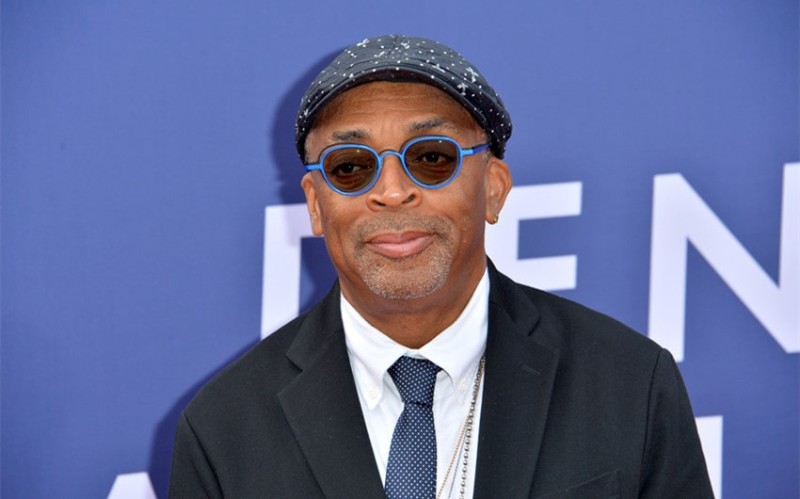
Then, in 2019, something happened that many people felt was long overdue. BlacKkKlansman won Lee the Academy Award for Best Adapted Screenplay. He had been making important films for over thirty years, and the industry had largely looked the other way. When the Oscar finally arrived, it didn't just validate his legacy. It raised his market value and made future contracts more lucrative. Two years later, in 2021, he became the first Black president of the Cannes Film Festival jury.
Spike Lee Net Worth in 2025: What $60M Actually Looks Like
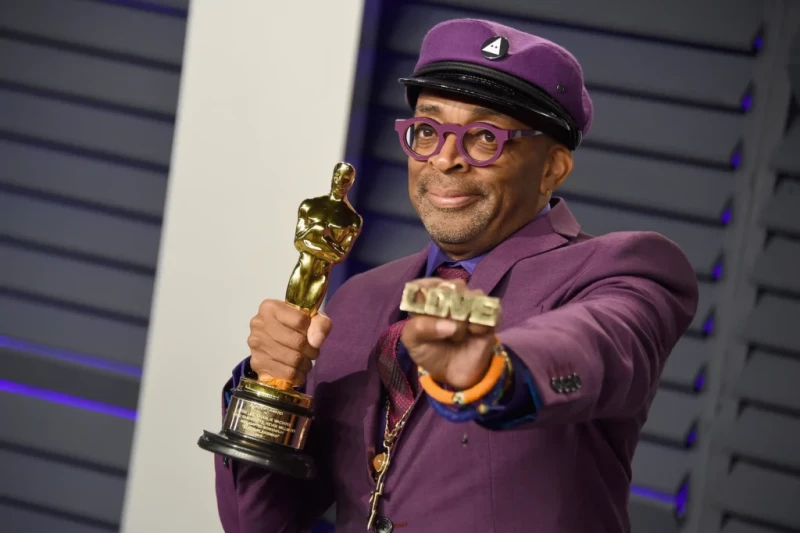
Spike Lee net worth is estimated at somewhere between $60 million and $70 million as of 2025. The spread exists because his income comes from so many different places, and not all of it ends up in the public record.
The real estate alone is worth paying attention to. In 1998, Lee bought a 9,000-square-foot Manhattan townhouse on the Upper East Side for $16.62 million. The property was originally built in 1916 as a gift from Mrs. William K. Vanderbilt to her daughter. Current estimates on its value range from $19 million on the conservative end to as high as $90 million. He also owns a production studio in Brooklyn worth roughly $2 to $4 million, and a vacation home in Martha's Vineyard valued at around $3 to $4 million.
Beyond real estate, the income streams keep multiplying. He holds a tenured professorship at NYU Tisch, lectures regularly across the country, collects royalties and residuals from decades of film and TV, and has active deals with Netflix that include the She's Gotta Have It series and the war film Da 5 Bloods. His production company, 40 Acres and a Mule, continues to bring in revenue from archival licensing and new projects alike.
Spike Lee's Philosophy: What He Says About Building Something That Lasts
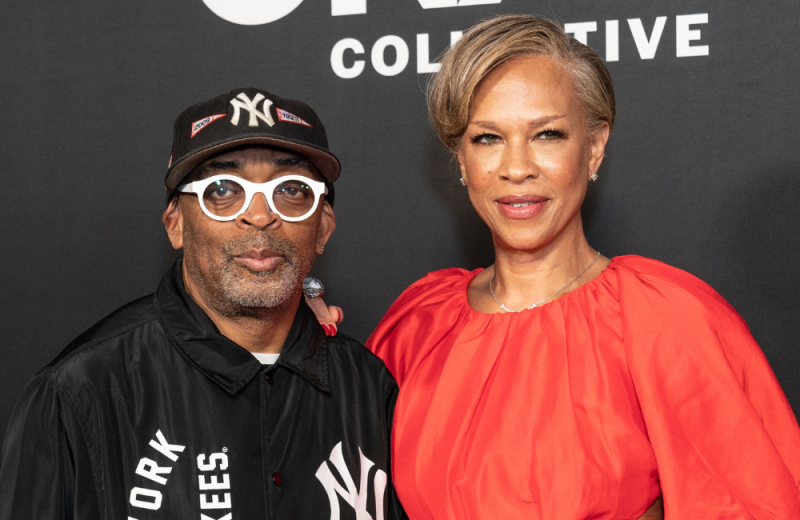
Lee has talked openly about work, money, and creative independence for his entire career. A few ideas keep coming back.
Own what you make. Lee has consistently chosen to keep control over his projects, even when it meant turning down bigger upfront money. In the short term that cost him blockbuster paydays. In the long term it gave him ownership, creative freedom, and a revenue stream that compounds over decades.
Tell stories that matter, not stories that sell. He has never made a film to please a studio executive. His work is grounded in real communities, real history, and real discomfort. That commitment to honesty is exactly what has kept his films relevant long after the opening weekend numbers are forgotten.
Build a company, not just a career. Founding 40 Acres and a Mule in 1986 was one of the clearest signals that Lee understood something: a director without infrastructure is just a hired hand. The company gave him independence and a platform that no single studio deal could have provided.
Pass it on. Teaching at NYU isn't a side project for Lee. It's central to how he thinks about his work. He has spent decades putting the next generation of filmmakers in the room and giving them the tools he had to figure out on his own.
Spike Lee net worth of $60 million is the result of all of that, but it's honestly the least interesting part of his story. What's more interesting is how someone built that kind of financial and cultural legacy without ever becoming someone else to do it.
 Sergey Diakov