Eseandre Mordi
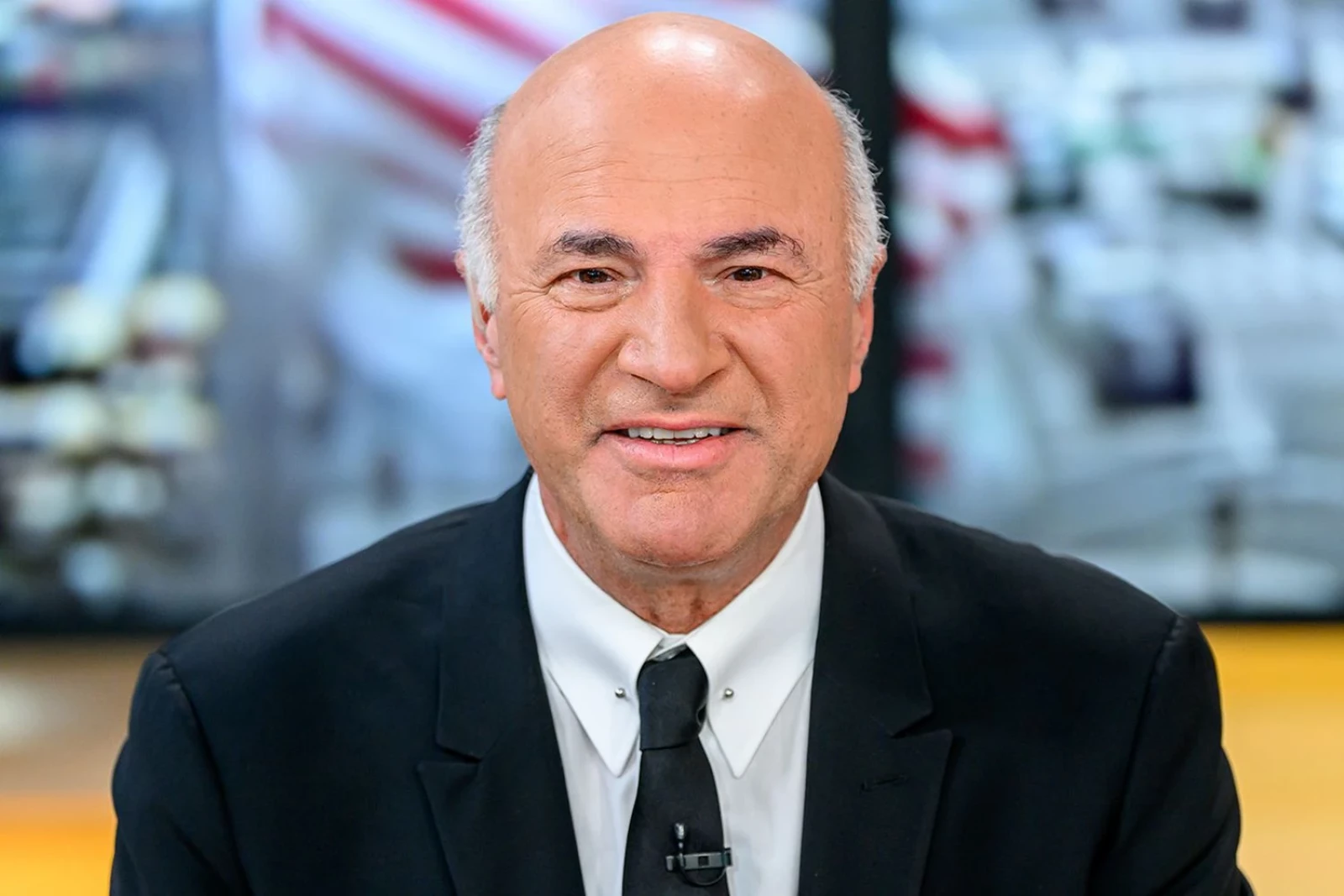
Most people know Kevin O'Leary from his seat on Shark Tank, where he plays the role of the merciless numbers guy who tells founders exactly what's wrong with their business - usually before the opening pitch is finished. But the bluntness isn't just a TV persona. It reflects a financial philosophy that O'Leary has lived by since his twenties, one that started with a $10,000 loan from his mother and turned into one of the more interesting wealth-building stories in North American business.
Where Kevin O'Leary Grew Up and What Shaped His Money Mindset
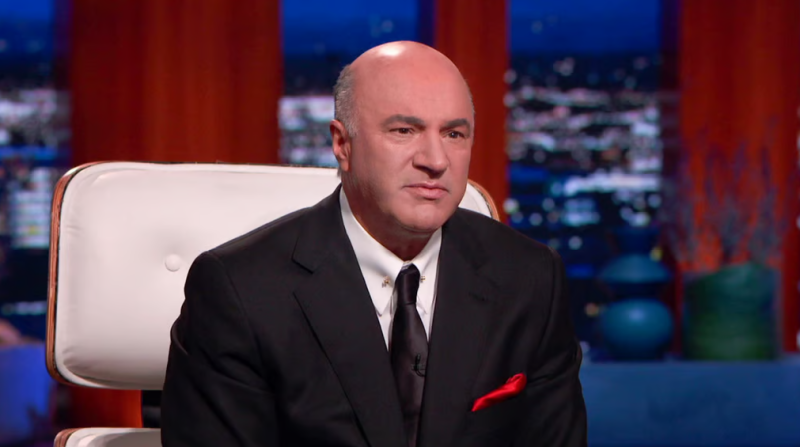
O'Leary was born on July 9, 1954, in Montreal, Quebec. His father was Irish, his mother Lebanese, and after his parents split and his father died, his mother remarried an economist named Gorge Kanawaty who worked for the UN. That job took the family across Asia, Africa, and the Mediterranean - Cambodia, Tunisia, Cyprus - so O'Leary spent his childhood moving between cultures and countries. It gave him an unusually wide lens on how people and economies operate.
His mother was the dominant financial influence in his early life. She kept meticulous records of every dollar the family spent, insisted on saving at least a third of any income, and invested steadily in the market. O'Leary has credited her directly with teaching him the fundamentals that would later define his investment approach. As a kid, he wanted to be a photographer. His stepfather talked him out of it and into university - a nudge that changed everything.
He earned a bachelor's degree in environmental studies and psychology from the University of Waterloo in 1977, then completed an MBA in entrepreneurship at the Ivey Business School in 1980. During those MBA years, he landed an internship at Nabisco, working as an assistant brand manager for a cat food brand. It sounds unglamorous, but O'Leary says that experience gave him the marketing instincts he'd draw on for the rest of his career.
First Jobs, Early Bets, and the $25,000 That Started Everything
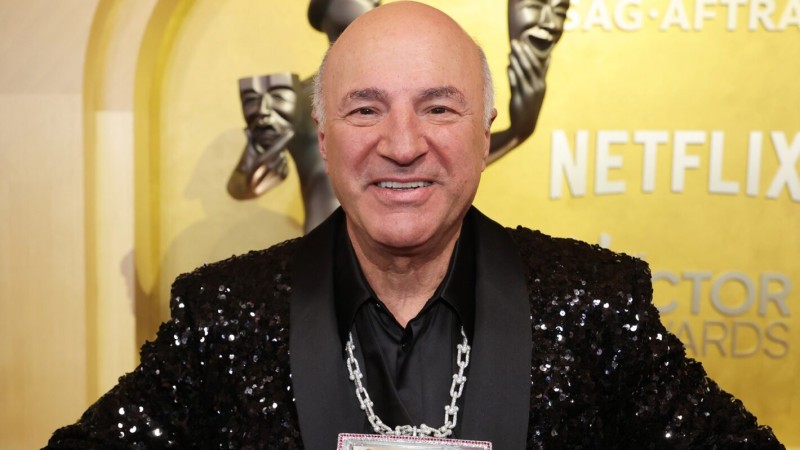
After finishing his MBA, O'Leary didn't go straight into finance or tech. He co-founded a small television production company called Special Event Television with two classmates. It was a modest operation, and when one of his partners eventually bought him out, O'Leary walked away with $25,000. Not a fortune. But it was enough.
In 1986, O'Leary took that $25,000, borrowed another $10,000 from his mother, and co-founded SoftKey Software Products out of a basement in Toronto with two partners. The company published and distributed CD-ROM software for Windows and Mac, initially focused on education and entertainment. It wasn't flashy work, but the timing was right. Personal computing was exploding, and SoftKey was positioned to grow with it.
Through the early 1990s, SoftKey became an aggressive acquirer - snapping up competitors like WordStar and Spinnaker Software to dominate the educational software market. By 1995, the company purchased The Learning Company for $606 million and eventually adopted its name. Four years later, in 1999, Mattel acquired the whole operation for $4.2 billion. It was one of the largest software deals of its era. O'Leary walked away with a substantial personal windfall, and his financial trajectory changed permanently.
Kevin O'Leary's Net Worth and the Television Years That Multiplied It
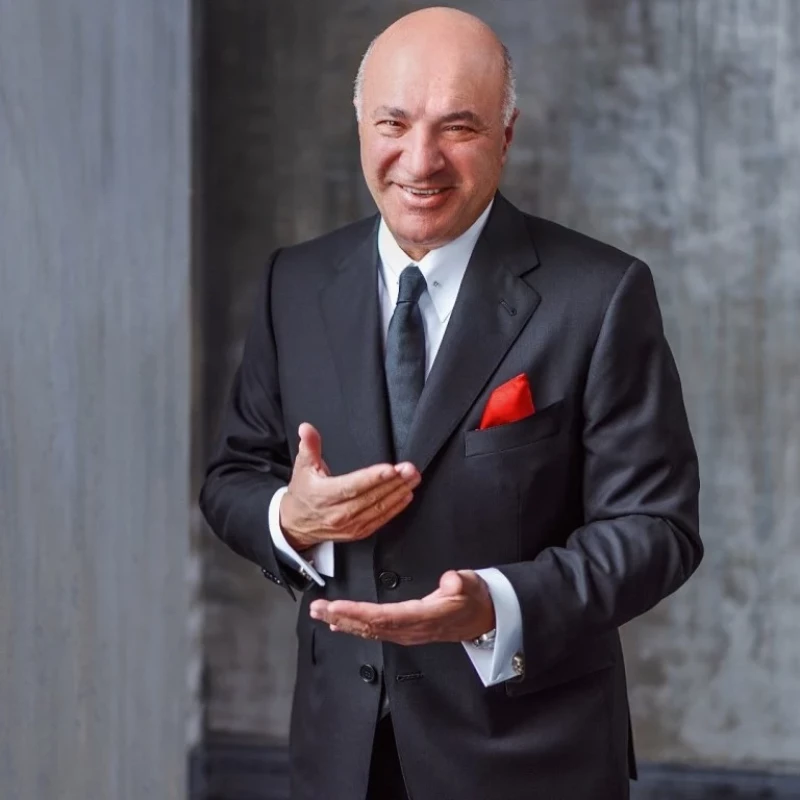
After the Mattel deal, O'Leary didn't retire. In 2003 he became a co-investor and director at Storage Now, a climate-controlled storage facility developer - a quieter income-generating play while he figured out the next move. That next move turned out to be television.
In 2006, he joined CBC's Dragons' Den in Canada. His style - blunt, calculated, occasionally brutal - drew two million viewers and made him a recognizable face almost overnight. Three years later, in 2009, he joined the American version, Shark Tank, and his profile went global. He left Dragons' Den in 2014 to focus on Shark Tank full time, where he has made over 40 deals across more than a decade. Variety reported the cast earned $50,000 per episode, and given how the show has grown since, his per-episode rate has almost certainly climbed higher.
His Shark Tank portfolio includes well-known exits - Talbott Teas, acquired by Jamba Juice; GrooveBook, picked up by Shutterfly. His Wicked Good Cupcakes deal, structured as one cent per cupcake sold rather than a straight equity stake, reportedly generated over $1 million once sales crossed $10 million. That preference for royalties over equity is a signature of how O'Leary thinks about income: he wants cash flowing now, not a bet on a future valuation.
Beyond Shark Tank, O'Leary built a media and speaking business around his persona. His Cold Hard Truth book series became a bestseller. Speaking fees reportedly run between $50,000 and $100,000 per event, adding several million to his annual income on top of his investment returns.
What Makes Up Kevin O'Leary's Net Worth Today
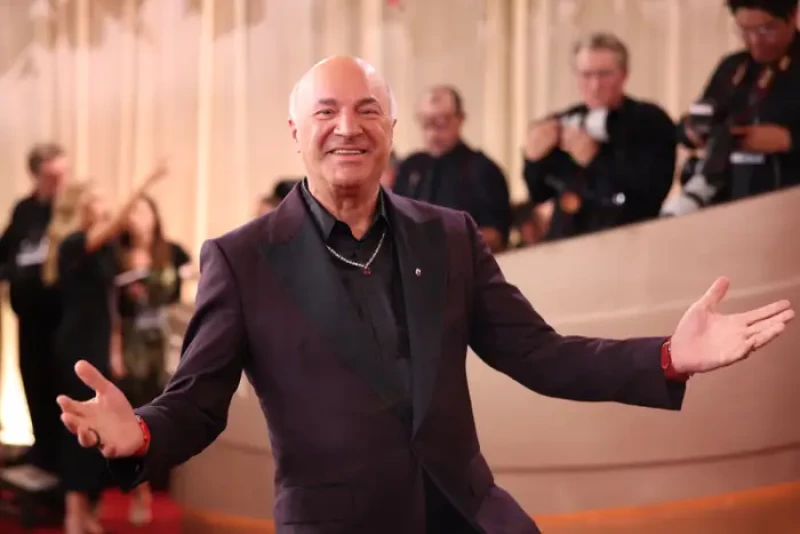
As of 2025-2026, O'Leary's net worth sits at roughly $400 million, with some estimates nudging toward $450 million. The money comes from a deliberately diversified set of sources:
- O'Shares Investments - an ETF-focused investment fund he founded targeting dividend income
- O'Leary Fine Wines - a premium wine label distributed across North America
- O'Leary Ventures - his private equity and venture capital firm
- Real estate, including a $17.6 million cottage on Lake Joseph and properties in Toronto, Boston, and Geneva
- A high-end watch collection - Audemars Piguet, Patek Philippe, Rolex, F.P. Journe - treated as appreciating assets
- Shark Tank equity and royalty stakes across 40-plus portfolio companies
- Books, media appearances, and corporate speaking engagements
Not everything has gone smoothly. O'Leary was a paid spokesperson for FTX, the cryptocurrency exchange that collapsed in 2022. He received $15 million to promote the platform and lost all of it when the company imploded. He testified before the U.S. Senate about the failure and took a reputational hit in the short term. His response was to pivot toward regulated crypto assets and blockchain-focused ETFs - absorbing the loss and adjusting course rather than retreating from the space entirely.
More recently, O'Leary has been involved in efforts to acquire TikTok's U.S. operations alongside Dodgers owner Frank McCourt. If that deal materializes, it would represent a significant addition to his portfolio - TikTok has around 170 million American users, and any meaningful ownership stake would be a different category of asset from anything he currently holds.
Kevin O'Leary's Core Ideas on How to Build Real Wealth
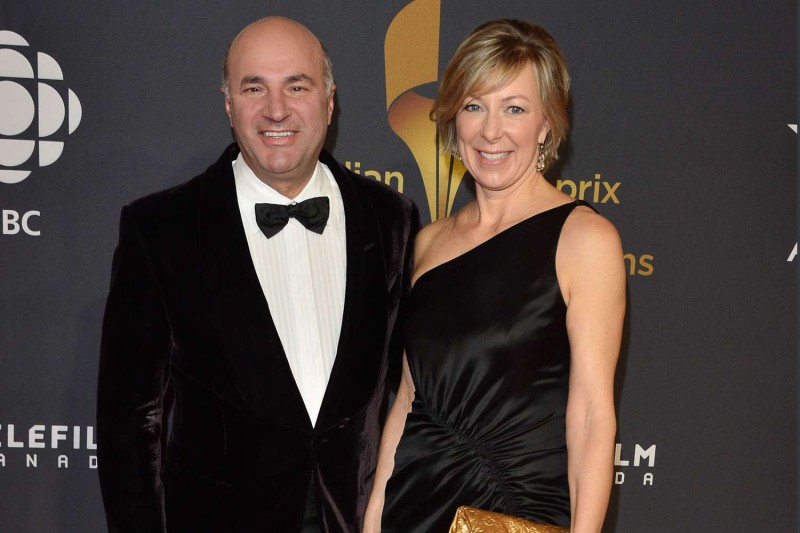
Across decades of interviews, books, and television, O'Leary's financial philosophy has stayed remarkably consistent. A few ideas come up again and again:
- Save at least a third of everything you earn. O'Leary traces this directly to his mother. He reportedly built his first $10,000 by age 25 through disciplined saving and index fund investing, earning around 12% annual returns.
- Put your money to work every single day. He famously describes dollars as soldiers - they should always be deployed, always generating a return. Idle cash is a failure of strategy.
- Never let any single position exceed five percent of your portfolio. Diversification isn't just a preference for O'Leary - it's a rule he treats as non-negotiable. The FTX loss reinforced it rather than broke it.
- Prioritize cash flow over speculative upside. His royalty deals on Shark Tank reflect this. Predictable, recurring income beats a lottery ticket on a future valuation.
- Build businesses that solve real problems. He's consistent on this point when evaluating startups - the ones that survive are built around a genuine need, not a clever pitch.
- Welcome hard feedback. O'Leary genuinely believes that honest, direct criticism - delivered without softening - is what gives entrepreneurs the information they need to improve. Sugar-coating, in his view, is a form of disrespect.
The kevin o leary net worth story is, at its core, a story about consistency. A basement startup in 1986, a $4.2 billion sale in 1999, twenty years of television, and a portfolio spread across wine, ETFs, real estate, luxury watches, and early-stage startups. None of it happened fast. All of it was deliberate.
 Eseandre Mordi