Sergey Diakov
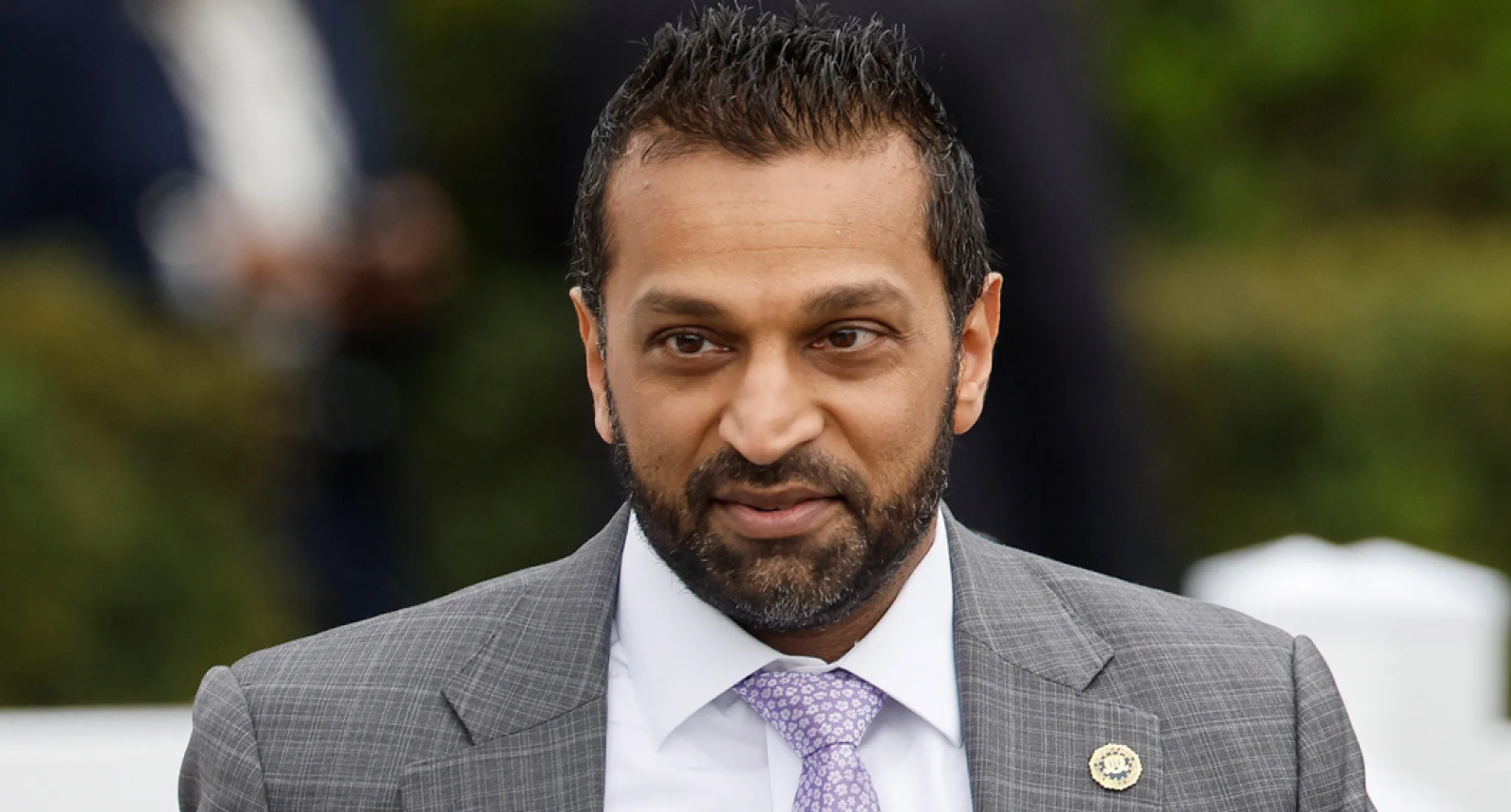
Kash Patel's money story is pretty wild when you think about it. The guy went from defending broke clients in Miami courtrooms to becoming one of Trump's most trusted advisors and now his pick to run the FBI. Along the way, he figured out how to turn government work into serious cash through books, speaking gigs, and getting in on the ground floor of Trump's media empire. His wallet's definitely gotten fatter since leaving government, but the real question is how exactly he pulled it off.
Early Days: Where Kash Patel Started Making Money
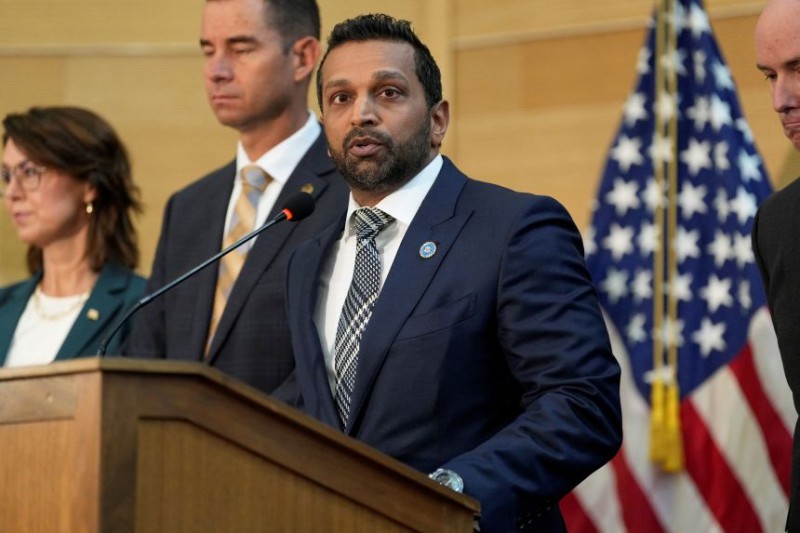
Patel wasn't born rich or anything. After law school at Pace University in 2005, he landed his first real job as a public defender down in Miami. We're talking typical government lawyer money here—somewhere around $45,000 to $60,000 a year. Not exactly living large, but it gave him serious courtroom experience that most lawyers never get. He was grinding it out representing people who couldn't afford fancy attorneys, learning the system inside and out.
The game changed when he jumped to federal prosecution at the Department of Justice. Now he's prosecuting terrorism cases instead of defending small-time criminals, and the paycheck got noticeably better—probably somewhere between $75,000 and $130,000. He worked some heavy cases too, including going after suspects from that Benghazi attack in 2012. That's when important people started noticing him.
Moving Up: Kash Patel's Career Takes Off
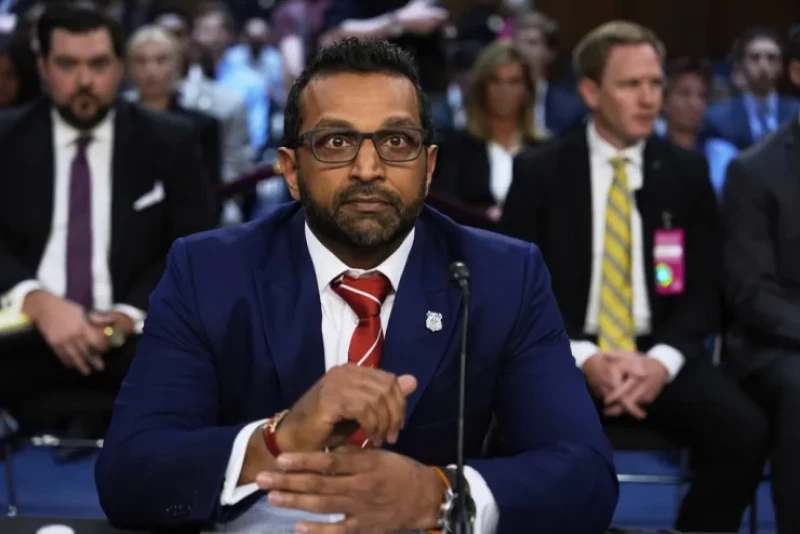
Things really started cooking in 2017 when Patel joined the House Intelligence Committee working for Devin Nunes. He helped write that famous memo challenging how the FBI ran its Russia investigation surveillance, and that's basically what put him on Trump's radar. Once Trump noticed you, doors started opening fast.
During Trump's first term, Patel bounced through some pretty serious positions. He did counterterrorism work at the National Security Council, then ended up as chief of staff to the acting Defense Secretary. These jobs paid decent—we're talking $160,000 to $185,000 range. Still government money, so nobody's getting yacht-rich, but he was building something more valuable than cash: connections with powerful people who'd remember him later.
Peak Success: How Kash Patel Net Worth Really Grew
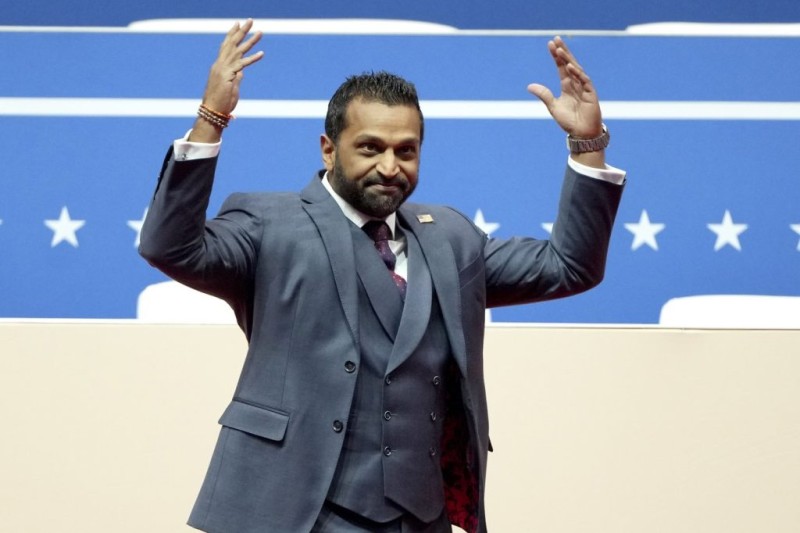
Here's where Patel got smart about making real money. After leaving government in 2021, he didn't just disappear. He started this thing called Fight with Kash—basically a legal fund and conservative advocacy group. Then he became a regular on conservative TV and radio, and those appearances pay way better than government work. Someone with his reputation can pull down $10,000 to $50,000 per speaking event, and he was doing a lot of them.
But the real money came from getting into media and publishing. He wrote these kids' books like "The Plot Against the King" that became huge sellers in conservative circles. When your book hits bestseller lists in that market, you're looking at anywhere from $500,000 to a few million in royalties and advances. Plus, he got a board seat on Trump Media & Technology Group—the company behind Truth Social. Board positions like that usually come with stock options that can be worth serious money.
What's Kash Patel Net Worth Looking Like Now

Nobody knows his exact bank account numbers since he's not required to disclose everything, but people who track this stuff figure kash patel net worth is somewhere between $1 million and $5 million right now. That includes his government pension, all those book royalties still coming in, speaking fees, consulting money, and whatever equity he's got in Trump's media ventures.
If he actually becomes FBI Director, the salary's only about $200,000 a year—which is actually less than what he's probably making now in the private sector. But it's not really about that paycheck. He's got real estate, investments, and his various business deals keep generating income. His brand in conservative politics is strong, and that's worth more than any government salary.
How Kash Patel Says You Should Become Successful

Patel's been pretty open about his formula for making it in Washington and beyond. His first big thing is taking on the tough stuff nobody else wants to touch. That's what he did early on—jumped into complicated terrorism cases and political investigations that could've blown up in his face. He says that's how you build credibility faster than playing it safe ever will.
His second principle is all about loyalty and sticking with your people. Look at how tight he stayed with Devin Nunes and then Trump, even when things got controversial. He's always saying that in Washington, your reputation is everything. You pick your team, you stay loyal, and they remember that when opportunities come around.
The third piece of his success strategy is pretty modern—don't just have one thing going on. While he was building his government resume, he was also building his personal brand. Books, media appearances, board positions, advocacy groups—he spread himself across multiple platforms. He tells people to make sure the world knows what you stand for while you're climbing the ladder, because that's how you turn a government career into lasting influence and real financial security. The guy basically took his government experience and monetized it in every way possible once he left.
 Sergey Diakov