Editorial staff
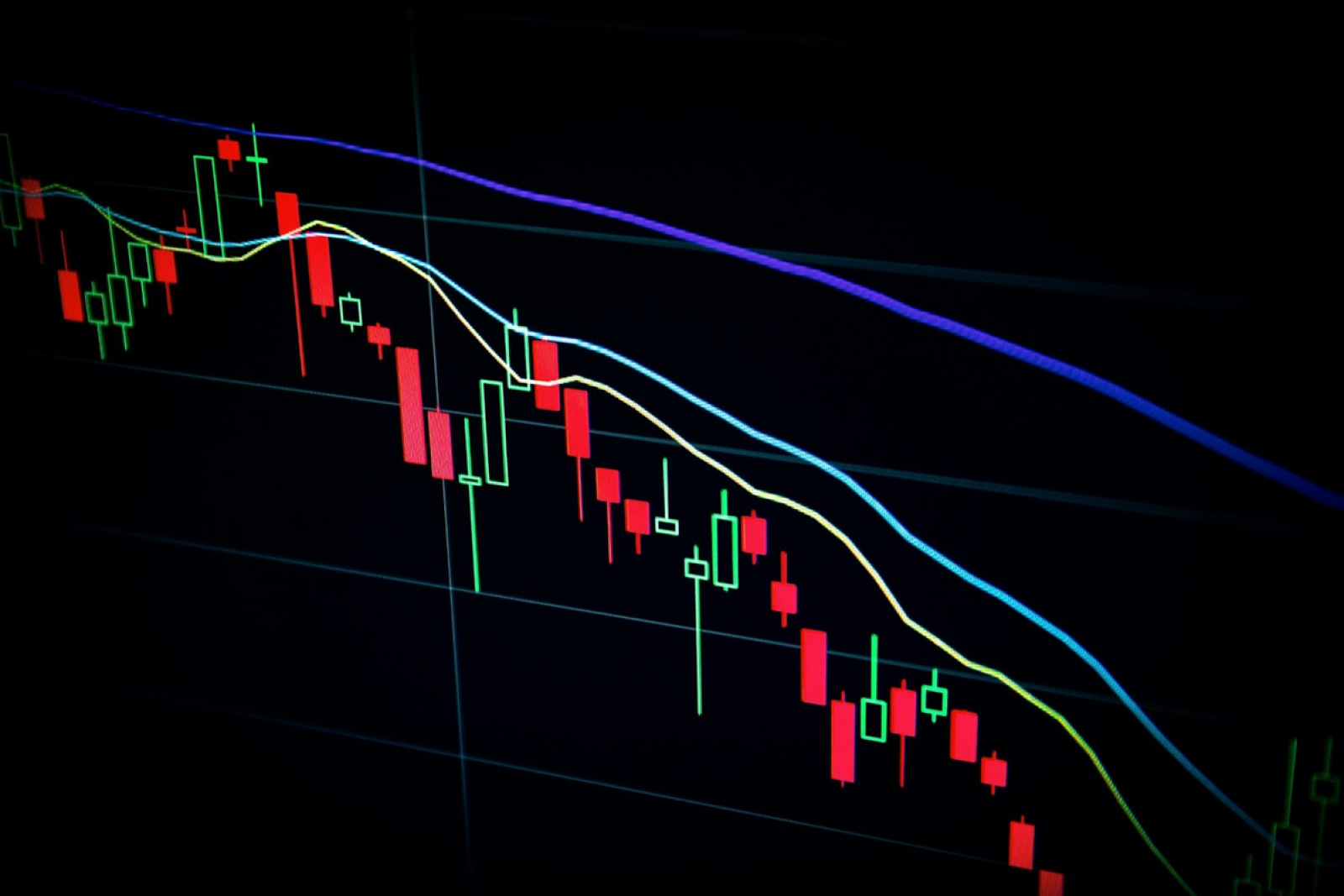
But look back just hours or days later and suddenly every movement gets a story—tied to a news headline, an expert’s comment, or a sudden shift in sentiment.
This pattern plays out across stocks, forex, and crypto. The sense of order we see in hindsight stands in sharp contrast to the confusion felt in real time.
This article explores why most market moves only make sense after they happen, not before. We’ll look at how this habit shapes trading ideas and expectations, and why it keeps fueling debate about what’s really predictable in the world of markets.
When explanations chase price: the real-time confusion
Anyone who has watched markets live knows the feeling of sudden confusion as prices shift unexpectedly. You're staring at the screen, and out of nowhere, stocks drop or surge without an obvious reason.
Instantly, the search for answers begins. Investors flip between news feeds, social media, and expert analysis hoping to find the missing piece. Yet the explanations that surface often feel like guesses hurriedly stitched together after the fact.
This pattern isn’t limited to Wall Street. Market participants around the world, from New York to Tokyo, face the same scramble. Some even turn to sources like Asian betting houses to catch early hints of shifting sentiment or narratives.
Instead of leading the action, explanations seem to lag behind. The story of what “caused” a move is usually built in reverse, as analysts work backward from price to narrative.
For anyone watching in real time, this creates a familiar cycle. First comes confusion, then a flood of theories, and finally a sense that meaning is always just out of reach until it's too late to act.
It’s a reminder that, in the moment, the logic behind market moves is rarely as clear as it appears in hindsight.
The mirage of advance knowledge
That sense of clarity after the fact makes it tempting to believe that someone, somewhere, must have seen the move coming.
This belief is deeply rooted, even though markets have a reputation for being unpredictable.
The Efficient Market Hypothesis suggests that prices already reflect everything known at the time, making reliable forecasts feel out of reach.
Alongside this, the Random Walk Hypothesis argues that price changes are basically random, so even the sharpest analysis can't consistently predict what happens next.
Still, there's constant pressure—whether you're an expert on CNBC or a solo trader at home—to make bold calls ahead of a move.
People crave certainty, especially when money is at stake. It's natural to want to spot patterns or signals that point to the next big shift.
But this urge often sets up disappointment. Hindsight makes past moves look obvious, yet in real time, the gap between what we wish we could know and what we actually can know stays wide.
That gap fuels debate, second-guessing, and sometimes the false confidence that next time, the answer will be clear before the move—not just after.
How hindsight narratives shape market memory
After a big swing in the market, people rush to make sense of what just happened. Stories appear quickly—sometimes just minutes after the move—framing the event as if its outcome was always obvious.
This habit comes from our deep need for order, even in chaotic markets. Traders and analysts build tidy narratives that connect the dots, smoothing over the confusion that existed just a short while before.
Behavioral finance helps explain why this is so common. We’re all wired with biases that make us believe, after the fact, that we “knew it all along.” It’s comforting, but it’s rarely true.
These narratives do more than comfort. They color how we remember events, shaping the stories we tell ourselves and each other about risk, luck, and skill. Sometimes, the lesson sticks not because it’s accurate, but because the story fits our need for logic and closure.
Over time, these after-the-fact explanations get repeated, debated, and woven into trading folklore. The uncertainty that was so real in the moment quietly fades, replaced by the neatness of hindsight. The cycle continues, reminding us that the real story of any market move is rarely as clear as it seems later, no matter how convincing the narrative feels. For more on this, see Behavioral Finance.
Living with uncertainty: what traders actually do
This backdrop of hindsight stories leaves traders facing uncertainty in real time. They can't wait for explanations to arrive after the fact—they have to make decisions with incomplete information.
Some traders lean on historical patterns and gut instinct, hoping past experience offers a clue. Others turn to hard data, crunching numbers and watching charts for signals that might give them an edge.
Algorithmic tools and automated trading are everywhere now. Many professionals rely on AI to spot patterns they might miss. But even the most advanced systems can't promise certainty before a move happens.
It’s become common for traders to combine technology and judgment. For instance, using AI insights and judgment together lets them act fast while still trusting their own experience.
The most resilient traders accept they can’t know everything. They manage risk, stay humble, and keep moving forward even when the story isn’t clear. That willingness to operate in the fog, rather than wait for clarity, is often what sets them apart.
When the story turns: lessons for the real world
Letting go of the need for perfect explanations can actually make traders safer. Overconfidence, fueled by tidy stories after the fact, often leads to mistakes that could have been avoided.
Real risk management means planning for surprises. The best strategies leave space for what you can’t see coming, rather than pretending every move has a clear cause.
Some traders rely on tools like AI in forex trading to help navigate uncertainty. But even with technology, no tool can guarantee a look into the future.
The smartest move is to treat after-the-fact explanations as just that—stories. They can be useful, but they shouldn’t become a map for what comes next.
 Editorial staff