Saad Ullah
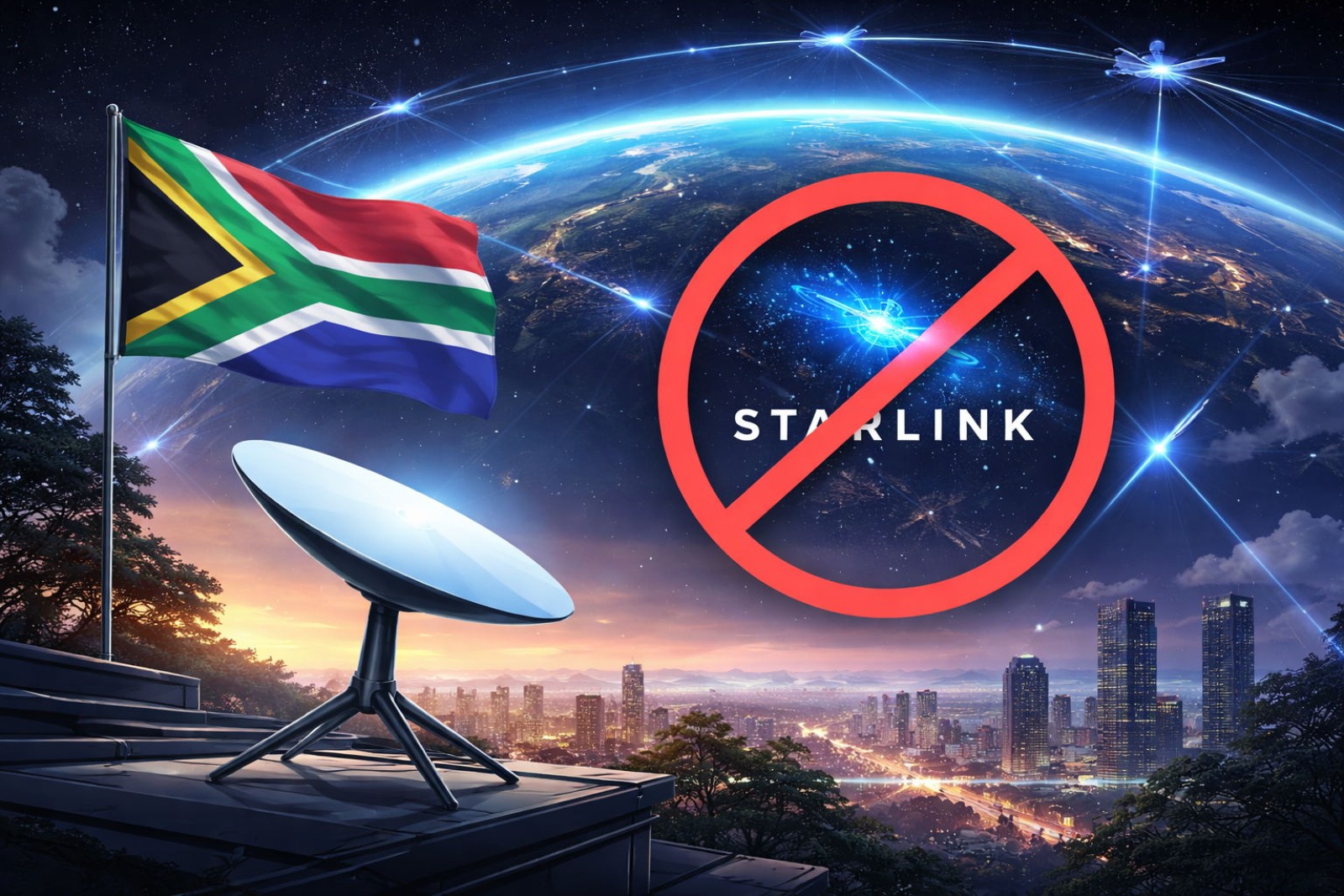
Millions of South Africans remain without stable internet access - a gap the post argues is holding back education, farming, small business activity, and telemedicine. As DogeDesigner argued, Starlink could change that quickly with high-speed, low-latency coverage across the country, but it is still not allowed to operate.
A South Africa Connectivity Problem Framed as Urgent
The tweet presents internet access as a basic modern necessity rather than a luxury. Its argument is that limited connectivity is not just an inconvenience but a structural barrier affecting daily life and economic participation across the country. The consequences cited are visible across several areas:
- Children cannot fully learn online
- Farmers cannot access real-time market information
- Small businesses cannot compete globally
- Hospitals struggle to use telemedicine effectively
Within that framing, Starlink is described as a tool that could deliver nationwide coverage without waiting for slow traditional infrastructure buildouts - making the absence of approval a policy choice with real human consequences.
The Core Allegation Behind the Starlink South Africa Standoff
The central claim is blunt: Starlink is not blocked because the technology is unworkable, but because of who owns it. The tweet characterizes the outcome as racial gatekeeping - arguing that millions are being denied access to a critical 21st-century service for reasons unrelated to technical readiness or public need.
The post also alleges that Elon Musk was offered unofficial paths to approval involving a Black frontman arrangement and bribe payments, and that he refused to engage with either. That allegation is presented as evidence that the standoff is as much about principle as it is about market access.
Principle Over Profit in the Starlink Debate
The post makes Musk's refusal the moral center of the argument. Rather than accepting what it describes as a corrupt shortcut to win a license, he chose not to compromise - and the tweet uses that framing to present the dispute as a broader test of whether modern connectivity should be gated by political compliance or backroom arrangements.
SpaceX Eyes Record-Breaking $30B IPO With $1.5T Valuation Target in 2026 provides context for SpaceX's global ambitions and the scale of the Starlink business that regulatory battles like this one are affecting - with South Africa representing both a significant potential market and a visible test case for how governments respond to satellite internet operators.
AST SpaceMobile Secures European Deal With Orange - 2026 Demos Planned in Romania shows how competing satellite connectivity providers are navigating regulatory environments in other markets - reinforcing that the South Africa situation is not a universal pattern, but a country-specific regulatory standoff with Starlink specifically.
TSLA Gains Focus as Musk Says AI Energy Will Need Space Solutions adds broader context around Musk's infrastructure ambitions, where Starlink is one component of a larger vision for connectivity and energy that makes individual country disputes more than just local market access questions.
 Saad Ullah