Editorial staff
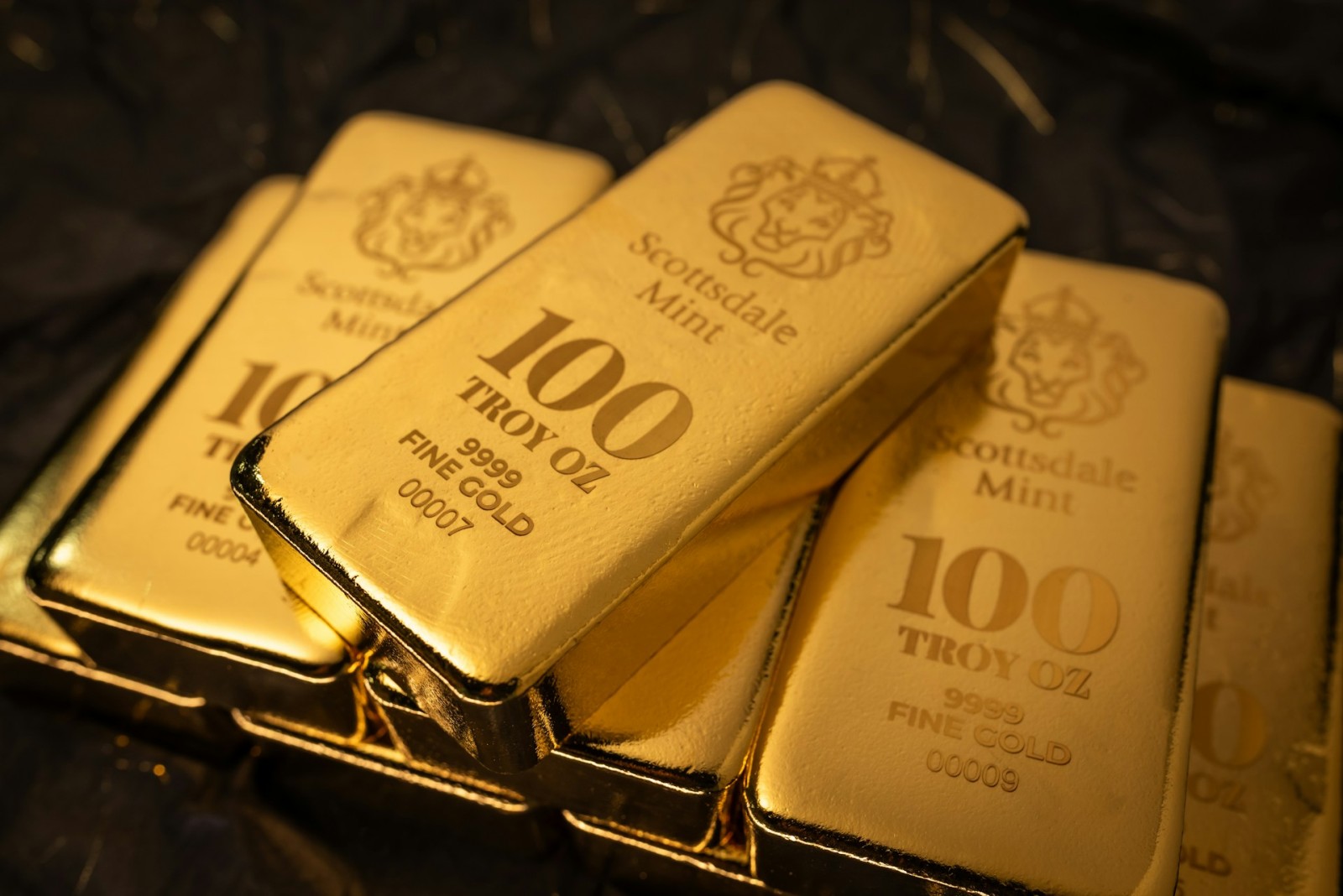
- Introduction: Gold's Current Market Performance
- Gold Price Forecast for 2026
- Central Banks and Gold Demand
- Long-Term Gold Outlook (2027-2030)
- Gold as a Portfolio Diversifier
- Investing in Gold Mining Stocks and ETFs
- Senior vs. Junior Miners: Risk and Reward Analysis
- Potential Risks and Opportunities in the Gold Market
- Conclusion: Strategic Gold Investment Approach
- Frequently Asked Questions About Gold Outlook
New Gold Outlook
Introduction: Gold's Current Market Performance
Gold prices have surged to record highs in recent months, breaking through the psychological $2,000 per ounce barrier and establishing new all-time highs. This remarkable performance comes against a backdrop of persistent inflation concerns, heightened geopolitical tensions, and shifting central bank policies that have collectively bolstered gold's appeal as both a hedge and strategic investment.
The precious metal has demonstrated extraordinary resilience even as equity markets reached new peaks, challenging the traditional inverse relationship between risk assets and safe havens. Gold's performance has been particularly noteworthy when viewed through the lens of different currencies, with even stronger gains for investors holding assets in Japanese yen or British pounds.
Current market dynamics suggest that gold has entered a new phase in the commodity market cycle, with structural factors supporting sustained price strength rather than merely cyclical movements. The combination of inflation persistence, despite central bank efforts, and shifting global reserves management has created a favorable environment for gold appreciation.
Key Takeaways:
- Gold prices have reached unprecedented levels, driven by inflation concerns and geopolitical instability
- Precious metal demand remains robust across investor classes and central banks
- Current price movements suggest a structural rather than cyclical shift in the gold market
- The 2026 outlook points toward continued strength with targeted forecasts exceeding $3,000 per ounce
Key Drivers Behind Gold's Recent Performance
Persistent inflation has emerged as the primary catalyst for gold's remarkable performance, with price increases proving stickier than many analysts initially predicted. Despite aggressive interest rate hikes from major central banks, particularly the Federal Reserve, inflation has remained above target levels in most developed economies.
Central bank buying represents another crucial driver, with global monetary authorities adding gold to reserves at the fastest pace in decades. This trend reflects growing concerns about the stability of traditional reserve currencies, particularly the US dollar, and represents a significant shift in institutional attitudes toward gold.
Interest rate expectations have also played a pivotal role in gold's ascent. As markets began anticipating the end of tightening cycles and potential rate cuts, gold gained momentum despite still-elevated nominal rates. This reaction highlights gold's sensitivity to real (inflation-adjusted) interest rates rather than nominal figures.
Geopolitical uncertainties across multiple regions have further enhanced gold's safe-haven appeal. Ongoing conflicts, trade tensions, and political instability have prompted investors to seek protection from potential market disruptions.
Top 5 factors driving gold prices:
- Persistent inflation above central bank targets (high impact)
- Record central bank purchases (high impact)
- Shifting interest rate expectations (medium-high impact)
- Escalating geopolitical tensions (medium impact)
- US dollar relative weakness (medium impact)
Gold Price Forecast for 2026
Our analysis points to gold reaching $3,250-3,500 per ounce by 2026, representing a significant appreciation from current levels. This forecast is based on a combination of quantitative modeling and fundamental analysis of the structural shifts occurring in global markets.
The projection stems from several key factors: first, the likelihood that central banks will maintain their gold buying momentum as de-dollarization efforts continue; second, the probability that inflation will remain above the 2% target for major economies through mid-decade; and third, the expectation that real interest rates will remain accommodative even if nominal rates stabilize.
Our forecast models incorporate both technical price patterns and fundamental supply-demand dynamics. The technical analysis suggests gold is in the early stages of a multi-year bull market following its consolidation phase after the 2020 peak, while fundamental analysis indicates supply constraints coupled with rising investment and central bank demand.
This outlook differs somewhat from consensus views among major financial institutions, which trend more conservatively. While our projection exceeds the median estimate, several major banks have recently revised their long-term gold forecasts upward, suggesting growing alignment with our more bullish perspective.
| Institution | 2026 Gold Price Forecast | Key Assumption |
| Goldman Sachs | $2,700 | Continued central bank buying |
| JP Morgan | $2,300 | Moderate inflation persistence |
| Bank of America | $3,000 | Structural dollar weakness |
| Our Forecast | $3,250-3,500 | Combined monetary shift and inflation |
Factors That Will Influence Gold in 2026
Interest rate trajectories will significantly shape gold's performance through 2026. Our analysis suggests a gradual normalization rather than a return to the ultra-low rates of the previous decade. This environment typically supports gold prices, especially if real rates (adjusted for inflation) remain negative or only marginally positive.
Inflation persistence poses both the greatest risk and opportunity for gold investors. Our models indicate core inflation may remain above central bank targets into 2026 across major economies, creating a supportive backdrop for gold as a traditional inflation hedge.
Central bank policies, particularly regarding balance sheet management and intervention thresholds, will directly impact precious metals markets. The Federal Reserve's approach to quantitative tightening and the European Central Bank's stability mechanisms will create ripple effects through all safe-haven assets.
The US dollar's reserve currency status faces growing challenges from both traditional rivals and emerging alternatives. Any acceleration in the dollar's declining share of global reserves would likely translate into stronger gold prices as central banks seek diversification.
Top 3 factors investors should monitor:
- Real interest rates (inflation-adjusted) rather than nominal rates
- Central bank gold purchase volumes, especially from emerging economies
- Producer Price Index trends as leading indicators for persistent inflation
Short-Term Trading Expectations
Technical analysis identifies key support levels at $2,050 and $1,980, with stronger long-term support at the psychological $1,900 mark. Resistance levels are currently established at $2,300 and $2,450, with a breakthrough above these levels potentially triggering a move toward the $2,600 area.
Market volatility patterns suggest gold will continue to experience periodic sharp corrections within its broader uptrend. The Average True Range (ATR) indicates that daily price swings of $30-45 should be expected, with larger moves during key economic data releases or geopolitical events.
The current price movement suggests a trading range of $2,000-2,400 for the remainder of 2024, with the potential to establish a higher range between $2,200-2,600 in 2025 as momentum builds toward our 2026 target. Investors should expect periodic consolidations within this upward trajectory.
Central Banks and Gold Demand
Central bank gold purchases have reached historic levels, with official sector buying exceeding 1,000 metric tons annually for two consecutive years. This unprecedented acquisition pace represents a fundamental shift in reserve management philosophy rather than a temporary trend, with implications extending well into 2026 and beyond.
This surge in institutional buying stems from strategic motivations rather than merely tactical portfolio adjustments. Central banks are systematically increasing their gold reserves to reduce dependence on the US dollar and other traditional reserve currencies – a phenomenon often referred to as de-dollarization. This represents a structural change in the international monetary system that will likely accelerate.
The People's Bank of China has been particularly aggressive in expanding its gold reserves, adding substantial tonnage while publicly discussing the need for monetary system diversification. Meanwhile, the European Central Bank, while not actively increasing reserves, maintains the eurozone's substantial gold holdings and has shifted stance from previous selling programs to preservation.
The Federal Reserve, though not directly adding to US gold reserves, influences the market through its monetary policy decisions that impact real interest rates – a critical driver of gold prices. As the Fed balances inflation concerns against growth objectives, its policy shifts create ripple effects through all precious metals markets.
Emerging Markets vs. Developed Markets
Emerging market central banks have adopted substantially more aggressive gold acquisition strategies than their developed market counterparts. While developed nations generally maintain stable gold allocations, emerging economies are actively increasing their percentage of reserves held in gold, often starting from much lower baseline levels.
The People's Bank of China exemplifies this trend, with regular monthly purchases aimed at diversifying away from US dollar assets. Similarly, the Reserve Bank of India has accelerated its gold buying program, recognizing the metal's strategic value in an increasingly multipolar monetary system.
BRICS nations collectively represent the vanguard of this reserve diversification movement, with the Central Bank of Russia having dramatically shifted its reserves toward gold and away from dollars prior to recent geopolitical events. By 2026, we expect emerging market central banks to acquire an additional 2,000-2,500 metric tons of gold.
| Economy | Gold as % of ReservesPurchasing | TrendUnited |
| United States | 78.5% | Stable |
| Germany | 74.3% | Stable |
| China | 4.1% | Strongly Increasing |
| Russia | 24.5% | Increasing |
| India | 8.2% | Moderately Increasing |
Long-Term Gold Outlook (2027-2030)
Looking beyond 2026, our analysis suggests gold will enter a new phase characterized by increased price stability but at significantly higher levels than today's markets. The precious metal is likely to establish itself in the $3,500-4,000 range during this period, with specific trajectories dependent on how several key structural factors evolve.
As a long-term investment, gold's appeal will strengthen if current economic uncertainties persist. Our economic forecasting models suggest the 2027-2030 period may feature a slowdown in globalization, increased market fragmentation, and periodic inflation pressures – all supportive factors for precious metals.
Market trend analysis indicates the potential for a super-cycle in commodities extending through the late 2020s, with gold benefiting from both monetary demand and industrial applications in emerging technologies. This would represent the third such cycle since the abandonment of the gold standard in the 1970s.
Asset allocation strategies should consider three potential scenarios for this time horizon, with portfolio weightings adjusted based on which appears most probable as we approach 2027. Our current assessment gives the highest probability to a moderately bullish scenario, though the potential for more extreme outcomes exists.
Long-term gold scenarios (2027-2030):
- Bearish scenario: $2,800-3,200 range (25% probability) – Central banks achieve inflation targets, geopolitical tensions ease, dollar strengthens
- Base scenario: $3,500-4,000 range (55% probability) – Moderate inflation persistence, continued reserve diversification, moderate real rates
- Bullish scenario: $4,000-5,000 range (20% probability) – Sustained high inflation, accelerated de-dollarization, new monetary framework
Structural Shifts in the Global Economy
The de-dollarization trend represents the most significant structural shift influencing gold's long-term trajectory. The US dollar's share of global reserves has declined from over 70% in 2000 to approximately 59% today, with this trend likely to accelerate as alternative systems develop. Each percentage point shift potentially translates to substantial gold demand as central banks seek alternative reserves.
The global economy is experiencing fragmentation into regional economic spheres, reversing decades of increasing integration. This shift creates natural barriers between currency blocks and enhances the appeal of gold as a neutral reserve asset that transcends geopolitical alignments.
The international monetary system appears to be evolving toward a more multipolar structure, with no single currency able to dominate as the dollar did in the post-WWII era. In this environment, gold may reclaim aspects of its historical monetary role, functioning as a stabilizing bridge between competing currency blocs.
BRICS expansion and the development of alternative payment mechanisms outside the SWIFT system further accelerate these trends. Brazil, Russia, India, China, and South Africa have publicly discussed increasing gold's role in international settlements, potentially creating additional demand sources beyond traditional reserve holdings.
Gold as a Portfolio Diversifier
Gold provides exceptional portfolio diversification benefits through its low or negative correlation with traditional asset classes. Historical data demonstrates that during periods of equity market stress, gold typically maintains or increases its value, offering protection when it's most needed. This characteristic makes it an essential component of risk-managed portfolios rather than merely a speculative asset.
Optimal investment strategies incorporate gold allocations tailored to overall portfolio objectives and risk tolerance. For moderate-risk portfolios, our analysis suggests a 5-15% allocation provides meaningful diversification without sacrificing long-term return potential. This recommendation is based on extensive back-testing across multiple market cycles.
Asset allocation models indicate gold's portfolio benefits extend beyond simple diversification. The precious metal can enhance risk-adjusted returns through reduced volatility and improved Sharpe ratios. This advantage becomes particularly apparent during periods of elevated market stress.
Risk management practices increasingly recognize gold's unique protective characteristics during tail-risk events – those rare but devastating market disruptions that can destroy portfolio value. Unlike many "alternative" investments that promise diversification but fail during crises, gold has consistently delivered protection during market breakdowns. You can also check the list of brokers.
Modern portfolio theory principles support gold inclusion based on its statistical properties. While traditional MPT often underweighted gold due to its lack of yield, contemporary approaches recognize that negative correlation values can enhance overall portfolio efficiency even without direct income generation.
Investment Strategies for Different Market Conditions
During inflationary periods, gold typically outperforms most other asset classes. Historical analysis shows gold appreciating an average of 15% annually when inflation exceeds 5%, making it an essential holding when price pressures accelerate. This relationship has held remarkably consistent across five decades of floating exchange rates.
Recession environments also favor gold exposure, though through different mechanisms. While inflation directly boosts gold's appeal as a store of value, recessions enhance its safe-haven status and benefit from the monetary response (typically lower real rates) that follows economic contraction. The 2008 financial crisis saw gold rise 25% while most assets plummeted.
Market volatility periods call for tactical adjustments to strategic gold holdings. When the VIX index (measuring implied stock market volatility) exceeds 25, increasing gold allocation by 2-5 percentage points has historically enhanced returns while reducing overall portfolio risk. This approach turns market fear into an actionable investment signal.
Economic cycle positioning requires different gold exposure vehicles depending on the stage. During early recovery phases, mining equities typically outperform physical gold, offering operational leverage to rising prices. In late-cycle and contraction phases, direct gold exposure through ETFs or physical holdings provides superior protection.
| Investment Vehicle | Liquidity | Storage Costs | Growth Potential | Income |
| Physical Gold | Moderate | High | Low | None |
| Gold ETFs | Very High | Low | Low | None |
| Mining Stocks | High | None | High | Moderate |
| Royalty Companies | High | None | Moderate | High |
Investment VehicleLiquidityStorage CostsGrowth PotentialIncomePhysical GoldModerateHighLowNoneGold ETFsVery HighLowLowNoneMining StocksHighNoneHighModerateRoyalty CompaniesHighNoneModerateHigh
Comparing Gold to Other Safe Haven Assets
Gold has demonstrated superior performance compared to other safe-haven assets during recent crisis periods. While US Treasury bonds have traditionally been the primary alternative, gold has provided better protection against the specific risks dominating current markets – namely inflation and currency debasement.
Bitcoin's emergence as a potential "digital gold" has created vigorous debate about its safe-haven status. While cryptocurrency advocates highlight Bitcoin's fixed supply as inflation protection, its high correlation with risk assets during market stress undermines its safe-haven credentials. Gold remains significantly less volatile and more reliable during systemic disruptions.
Traditional currency safe havens like the Japanese yen and Swiss franc have struggled to maintain their protective characteristics in recent years. The yen has been undermined by Japan's monetary policy divergence, while the franc faces challenges from negative interest rates and central bank intervention.
Defensive investments properly structured include a balance of these safe havens rather than reliance on a single asset. Client portfolios that weathered recent volatility typically held gold alongside modest Treasury allocations and selective cash positions in stable currencies.
Investing in Gold Mining Stocks and ETFs
The gold mining sector offers investors leverage to gold price movements, typically amplifying both upside and downside movements by a factor of 1.5 to 3 times. This operational leverage stems from miners' fixed cost structures, which translate higher gold prices directly to bottom-line improvements once production costs are covered.
Exchange-traded funds provide efficient exposure to both physical gold and mining companies. Physical gold ETFs like SPDR Gold Shares (GLD) track the metal's price closely with minimal tracking error, while maintaining superior liquidity compared to physical ownership. Sector ETFs like VanEck Gold Miners ETF offer diversified exposure across multiple producers.
Stock market valuation metrics suggest gold equities remain attractively valued relative to both historical averages and the broader market. The sector currently trades at approximately 1.7x price-to-book and 15x forward earnings, representing a discount to historical averages despite strong balance sheets and improved operational discipline.
Barrick Gold represents an attractive large-cap option with a global production footprint, declining all-in sustaining costs, and a commitment to shareholder returns through dividends and buybacks. The company's focus on tier-one assets (large, long-life, low-cost mines) positions it well for the projected gold price environment.
Newmont Corporation, following its acquisition of Newcrest Mining, has established itself as the clear industry leader with unmatched reserves and production capacity. While integration challenges remain, the combined entity offers unparalleled scale and geographic diversification across top mining jurisdictions.
| Investment Type | Pros | Cons |
| Physical Gold | Direct ownership, no counterparty risk | Storage costs, insurance, potential liquidity challenges |
| Gold ETFs | High liquidity, low transaction costs, easy trading | Annual expense ratios, potential tracking error |
| Major Miners | Operational leverage, dividends, potential growth | Company-specific risks, operational challenges |
| Junior Explorers | Highest upside potential, discovery value | Highest risk, cash burn, frequent dilution |
Senior vs. Junior Miners: Risk and Reward Analysis
The gold mining industry presents a clear risk-reward spectrum from senior producers to junior explorers. Major companies like Barrick Gold and Newmont Corporation offer moderate upside with significantly reduced operational risk, suitable for investors seeking gold exposure with income potential through dividends averaging 2-4% annually.
Junior mining companies operate with fundamentally different business models, focusing primarily on resource exploration rather than current production. While established producers generate cash flow from existing operations, juniors typically consume capital to fund exploration activities with the goal of major discoveries or acquisition by larger players.
The mining industry's financing structure creates natural stages of development, from early exploration through development and finally production. Investment risk decreases at each successive stage, with corresponding reduction in upside potential – exploration success can deliver 10x returns, while established producers typically offer 2-3x upside in strong gold markets.
Portfolio construction should reflect this risk spectrum, with core positions in senior producers complemented by smaller, speculative allocations to select junior companies with proven management teams and promising properties. This balanced approach provides both stability and upside exposure to the gold mining sector.
Potential Risks and Opportunities in the Gold Market
Market risk for gold investors centers primarily on shifts in monetary policy expectations. If inflation recedes more rapidly than anticipated, central banks may maintain restrictive policies longer than markets currently expect. This could strengthen the US dollar and pressure gold prices, particularly if real interest rates rise significantly. Investors must monitor inflation trends and Federal Reserve communications for early warning signs.
Interest rate trajectory represents both risk and opportunity. Our analysis suggests markets may be underestimating the persistence of higher rates, creating potential gold market volatility. Conversely, if economic weakness forces central banks to cut rates while inflation remains elevated, real rates could turn more negative – a highly favorable scenario for gold prices.
Monetary policy shifts, particularly regarding quantitative tightening programs, warrant close attention. The pace at which central banks reduce their balance sheets affects overall liquidity conditions and influences all asset prices, including gold. Any pause or reversal of tightening would likely benefit gold markets substantially.
Inflation persistence presents a primary opportunity for gold investors. Despite mainstream projections of returning to 2% targets, structural factors suggest price pressures may remain elevated. Wage growth dynamics, de-globalization trends, and commodity supply constraints all point to sustained inflation above pre-pandemic norms – a favorable backdrop for gold.
Geopolitical risk continues to provide both market volatility and investment opportunity. Ongoing conflicts, trade tensions, and political fragmentation support gold's traditional safe-haven role. Unlike many risks that eventually fade, geopolitical realignment appears to be accelerating rather than resolving, potentially providing long-term structural support for gold prices.
Top risks and opportunities:
- Risks:Rapid inflation normalization leading to higher real ratesExtended quantitative tightening reducing market liquidityReturn of US dollar strength through interest rate differentials
- Rapid inflation normalization leading to higher real rates
- Extended quantitative tightening reducing market liquidity
- Return of US dollar strength through interest rate differentials
- Opportunities:Persistent inflation above central bank targetsAccelerated central bank gold purchases and reserve diversificationEconomic weakness forcing dovish pivot while inflation remains elevated
- Persistent inflation above central bank targets
- Accelerated central bank gold purchases and reserve diversification
- Economic weakness forcing dovish pivot while inflation remains elevated
Technological and Supply-Side Developments
Gold production faces significant constraints that will influence supply dynamics through 2026 and beyond. Global output has plateaued around 3,000 metric tons annually, with limited new discoveries despite increased exploration spending. Major producers report declining ore grades, requiring more intensive extraction efforts for diminishing yields.
Supply and demand fundamentals appear increasingly favorable for higher gold prices. Annual mining output barely offsets industrial and jewelry demand, leaving investment and central bank demand to compete for essentially the same available supply. This tight balance creates potential for price spikes when institutional buying accelerates.
Mining technology advancements have focused primarily on operational efficiency rather than production volume growth. Automation, remote operations, and improved recovery processes have helped contain cost inflation but have not meaningfully expanded output capacity. Several major producers have prioritized operational improvements over aggressive expansion.
Gold extraction innovations have improved environmental performance more than production capacity. Modern pressure oxidation and chemical recovery systems have reduced the environmental footprint of gold mining, addressing regulatory and social license concerns rather than substantially increasing output.
Recycling contributes approximately 25-30% of annual gold supply, a percentage that typically increases during price spikes. However, even with strong price incentives, recycling volumes face natural limitations as the most accessible sources have already been processed.
Conclusion: Strategic Gold Investment Approach
The weight of evidence points toward a structural bull market for gold extending through 2026 and potentially beyond. Our analysis suggests strategic positioning with a 10-15% portfolio allocation to gold and gold-related investments, implemented through a combination of physical holdings, ETFs, and select mining companies based on individual risk tolerance and investment objectives.
Asset allocation should be implemented with a barbell approach – pairing conservative physical gold or ETF exposure with selective positions in quality mining operations that offer operational leverage. This strategy provides both protective benefits and meaningful upside participation if prices reach our projected targets.
Portfolio management best practices suggest reviewing and potentially rebalancing gold exposure quarterly, with adjustments based on both price movements and changes in the macroeconomic backdrop. This disciplined approach prevents emotional decision-making while maintaining appropriate risk levels.
Strategic planning should consider gold a core holding rather than a tactical trade. The fundamental drivers supporting higher gold prices – from central bank buying to inflationary pressures to geopolitical fragmentation – appear durable rather than transitory. This justifies a structural rather than merely cyclical position in most portfolios.
Final Key Takeaways:
- Gold prices are projected to reach $3,250-3,500 by 2026, supported by central bank buying, inflation persistence, and monetary evolution
- Strategic portfolio allocations of 10-15% provide optimal diversification benefits with minimal drag on long-term returns
- Implementation should balance direct gold exposure with selective mining equities based on individual risk tolerance
- Regular review and rebalancing maintains appropriate exposure as market conditions evolve
- Structural drivers suggest gold should be viewed as a core holding rather than merely a tactical position
Frequently Asked Questions About Gold Outlook
- What is the outlook for gold prices in 2026 Our analysis points to gold reaching $3,250-3,500 per ounce by 2026, driven by central bank buying, persistent inflation above target levels, and structural shifts in the global monetary system. This represents approximately 35-45% appreciation from current levels.
- What factors will drive gold prices in the coming years? Key drivers include central bank purchases as reserves diversification accelerates, real interest rates remaining relatively low despite nominal hikes, persistent inflation above pre-pandemic norms, and geopolitical fragmentation creating sustained safe-haven demand.
- How might geopolitical tensions affect the gold outlook for 2026? Ongoing geopolitical tensions support higher gold prices through multiple channels: increased safe-haven demand, accelerated de-dollarization efforts by affected countries, and potential supply chain disruptions affecting mining operations in certain regions.
- What role will central banks play in gold markets? Central banks will remain significant gold buyers through 2026, particularly from emerging economies seeking to reduce dollar dependence. This institutional demand represents a structural shift rather than cyclical behavior, creating a durable price floor.
- How should investors position gold in their portfolios for 2026? Most investors should maintain 10-15% portfolio allocation to gold, implemented through a combination of ETFs for liquidity and select mining companies for upside leverage. Regular rebalancing prevents overexposure following strong price movements.
- What is the relationship between interest rates and gold performance? Gold prices respond primarily to real (inflation-adjusted) interest rates rather than nominal rates. When real rates are negative or low, gold typically performs well despite higher headline rates. Current projections suggest real rates will remain supportive through 2026.
- What are the long-term forecasts for gold beyond 2026? Our 2027-2030 analysis suggests gold establishing a new trading range of $3,500-4,000, with potential for higher levels if inflation proves persistent or monetary system fragmentation accelerates. The probability of a return below $3,000 diminishes significantly after 2026.
- How does inflation impact gold's outlook? Inflation acts as gold's primary price driver by eroding fiat currency value while enhancing gold's appeal as a store of value. Our models suggest inflation will remain above pre-pandemic levels through 2026, creating a supportive environment for gold prices.
- Who will be the main buyers of gold in 2026? Central banks from emerging economies will remain the dominant marginal buyers, particularly those seeking dollar alternatives. Institutional investors will increase allocations if inflation persists, while retail investment will fluctuate based on price momentum and economic uncertainty.
- How does gold compare to other safe-haven assets in the current market? Gold has outperformed traditional safe havens like Treasury bonds during recent inflationary periods. Unlike Bitcoin, which correlates with risk assets during crises, gold maintains its protective characteristics during market stress while offering superior liquidity and lower volatility.
- How are gold price forecasts created? Our gold forecasts combine quantitative models analyzing interest rates, inflation trends, and dollar strength with fundamental supply-demand analysis and technical pattern recognition. This multi-faceted approach provides more robust projections than single-factor models.
- What historical gold price patterns might repeat in the current cycle?The current gold market shares similarities with the 2001-2011 bull market, which saw prices rise over 600%. While we don't anticipate gains of that magnitude, the pattern of steady appreciation punctuated by brief sharp corrections appears to be repeating.
- What are the technical indicators to watch for gold?Key technical indicators include the 50-day and 200-day moving averages (currently in bullish alignment), relative strength index for overbought conditions, and the cup-and-handle pattern forming on long-term charts that suggests significant upside potential if completed.
- What is the predicted fair value for gold?Our models estimate gold's current fair value at $2,350-2,450, suggesting the market is slightly undervalued. This calculation incorporates real interest rates, dollar strength, inflation expectations, and central bank demand patterns.
- What are the support and resistance levels for gold?Major support levels exist at $2,050, $1,980, and $1,900, while key resistance stands at $2,300 and $2,450. A breakthrough above $2,450 would signal potential acceleration toward the $2,600 level as the next significant technical target.
- How might changing environmental regulations affect gold mining operations and outlook?Stricter environmental regulations will likely increase production costs and limit development of marginal deposits, constraining supply growth. This creates upward price pressure as producers require higher gold prices to justify development of increasingly challenging projects.
- What role does gold mining supply play in determining future gold prices?Mining supply constraints support higher gold prices as production struggles to keep pace with demand. Annual output has plateaued around 3,000 tons despite higher prices, creating supply inelasticity that amplifies the price impact of increased investment or central bank demand.
 Editorial staff