
 Editorial staff
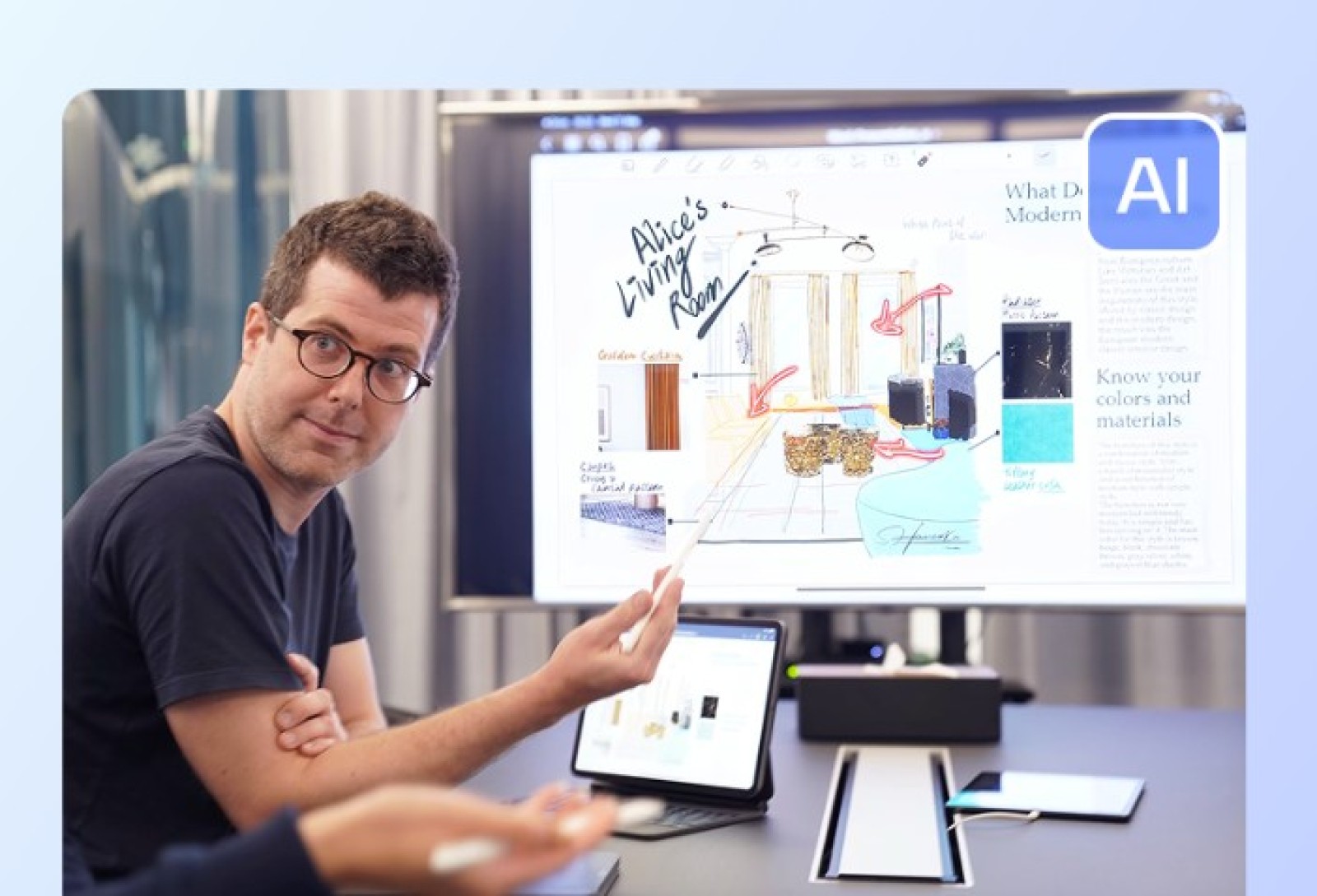
However, traditional video production often requires time, specialized tools, and editing skills. Because of these challenges, many creators are turning to automated solutions such as the AI video generator to simplify the process of producing video content.
Artificial intelligence is already transforming how videos are created, but the technology is still evolving. As AI systems become more advanced, they are expected to introduce new features that will make video creation even faster, more creative, and more personalized. These developments will likely reshape how businesses and individuals approach digital media production.
Increasing Automation in Video Production
One of the most important trends in AI-powered video technology is the increasing level of automation. Early video editing tools required creators to manually adjust each scene, transition, and visual element. AI-powered tools are gradually reducing the need for these manual tasks.
Future AI systems may be able to generate complete video projects based on simple prompts or short text descriptions. Instead of providing a detailed script, creators may only need to describe the idea of the video, and the system will automatically create the entire structure.
This level of automation could make video creation accessible to a much wider audience, including individuals who have no prior experience in video editing.
Smarter Scene Generation
AI technology is also improving in its ability to understand context and meaning within written content. As these systems become more sophisticated, they will be able to generate scenes that better match the message of the script.
For example, when creators input written content into an AI video generator, the system may automatically choose visuals that accurately represent each section of the script. This could include selecting images, animations, or video clips that align closely with the ideas being presented.
Smarter scene generation will help reduce the need for manual adjustments, making the production process even more efficient.
Personalized Video Content
Another important trend is personalization. In the future, AI tools may be able to generate different versions of a video for different audiences. This could allow businesses to deliver more targeted marketing messages based on the preferences or behaviors of specific viewers.
For example, a company might create one version of a promotional video for new customers and another version for returning customers. Artificial intelligence could automatically adjust visuals, voice narration, or messaging depending on the intended audience.
Personalized video content has the potential to significantly improve engagement because viewers are more likely to respond to content that feels relevant to their interests.
Improvements in AI Voice Technology
Voice narration is another area where artificial intelligence is advancing rapidly. Many current AI video tools already include voice generation features that convert written scripts into spoken narration.
Future developments in voice technology are expected to produce more natural and expressive voices. These voices may be capable of adjusting tone, emotion, and speaking style based on the context of the script.
As voice synthesis becomes more realistic, AI-generated videos will become even more convincing and professional in appearance.
Integration With Other Digital Tools
AI video creation platforms are also expected to integrate more closely with other digital tools used by businesses and creators. For example, future systems may connect directly with marketing platforms, social media scheduling tools, or content management systems.
This integration could allow creators to generate videos and publish them across multiple platforms automatically. Instead of manually exporting and uploading videos, the entire process could be managed within a single automated workflow.
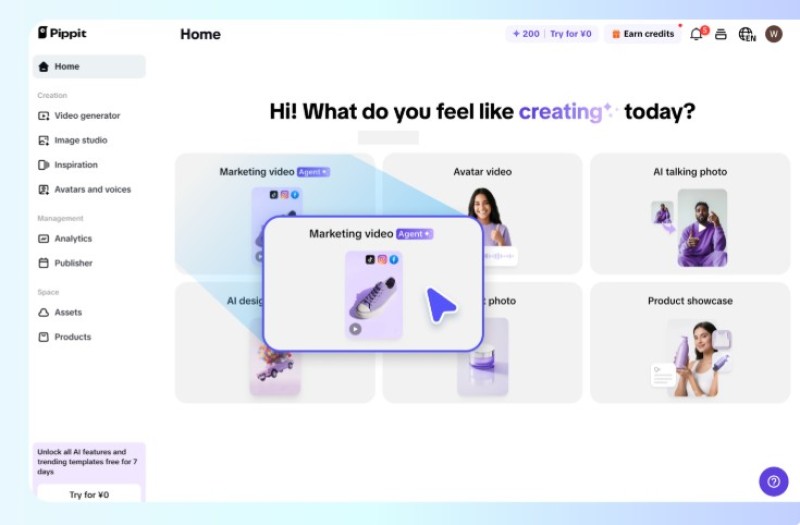
Some existing platforms already support parts of this workflow. Tools such as Pippit, for instance, help creators transform written ideas into structured video content more efficiently.
Expanding Creative Possibilities
Although automation is a key feature of AI video tools, these technologies also expand creative possibilities for creators. By removing many technical barriers, AI tools allow creators to experiment with new formats and storytelling styles.
For example, creators may produce short educational videos, animated explanations, or marketing clips more easily than before. Because production becomes faster, creators can test multiple ideas and determine which types of content perform best.
This flexibility encourages innovation and helps creators adapt to changing trends in digital media.
The Growing Importance of Video in Digital Communication
Video is expected to remain one of the most dominant forms of content online. Social media platforms, websites, and digital marketing campaigns increasingly rely on video to communicate with audiences.
As the demand for video continues to grow, tools that simplify video production will become even more valuable. AI-powered systems are helping bridge the gap between creative ideas and technical production.
Creators who adopt these tools early may gain an advantage by producing content more efficiently and consistently.
Conclusion
Artificial intelligence is rapidly transforming the way digital video content is produced. Automated tools are already simplifying video creation, and future developments will likely introduce even more advanced capabilities.
With improvements in automation, personalization, voice technology, and integration with other platforms, AI-powered systems will continue to shape the future of digital media production. As these technologies evolve, creators and businesses will have new opportunities to produce engaging content quickly and efficiently.
 Editorial staff



