Editorial staff
What is a Long-Distance Electric Bicycle?
The main difference between a long distance electric bike and a regular electric bicycle lies in its larger battery capacity, more powerful motor system, and more comfortable design. Long-distance electric bikes typically come with a large capacity battery of 600Wh or more, which can support a riding range of 60 to 120 miles under ideal conditions, making them suitable for cross-city or long-distance cycling. Additionally, long-distance e-bikes are usually equipped with motor systems of 500W or higher, providing stronger support to handle more complex terrain and extended rides. If you're planning for long-distance cycling, especially cross-city or weekend trips, a long-distance e-bike is undoubtedly the better choice. On the other hand, regular electric bicycles are more suitable for daily commuting, short trips, and city riding.
Key Features to Consider When Choosing a Long-Distance Electric Bicycle
1. Battery Range Battery range is one of the most important factors in determining whether a long-distance e-bike meets your needs. Long-distance riding requires a battery that can support prolonged use to avoid running out of power and disrupting the riding experience.
○ Recommended range: For long-distance rides, an ideal range should be between 40 to 100 miles (64-160 kilometers). If you plan to go on extremely long trips (like cross-state rides), it's recommended to choose a bike with a range of over 100 miles (160 kilometers).
○ Battery capacity: Generally, battery capacity is measured in watt-hours (Wh). It is recommended to choose a battery with a capacity between 500Wh and 700Wh, which will ensure a longer range. Higher watt-hour values mean longer range but may also increase weight.
2. Motor Power The motor power directly impacts the electric bike's power output and performance, especially when climbing hills or riding on rugged terrain. Selecting the appropriate motor power is especially important for long-distance riding.
○ Recommended power: For flat city roads, motors with 350W to 500W are sufficient. If you plan to ride on steeper terrain or in mountainous areas, motors with a power range of 750W to 1000W are more appropriate.
○ Motor position:
▪ Mid-drive motor: Positioned at the center of the frame, this provides balanced power distribution and is suitable for long-distance riding.
▪ Rear-wheel motor: Offers stronger driving power and is more suited for flat roads and city cycling.
▪ Front-wheel motor: Ideal for light riding but has weaker hill-climbing abilities.
3. Frame Design and Comfort Long-distance rides can last for hours or even longer, so a comfortable frame design is crucial. The material and shape of the frame directly affect both the comfort and durability of the ride.
○ Frame materials:
▪ Aluminum alloy: Lightweight and durable, this is a common frame material for an electric bicycle. It has a high strength-to-weight ratio, making it both light and strong. The corrosion resistance of aluminum alloy ensures good performance in various weather conditions, making it ideal for prolonged outdoor cycling. Furthermore, the rigidity of aluminum alloy helps transfer the rider's power effectively, improving cycling efficiency. For most riders, an aluminum alloy frame offers an ideal balance between comfort and durability.
▪ Carbon fiber: Although more expensive, carbon fiber is very lightweight and offers excellent shock-absorbing properties, making it the top choice for cyclists seeking high performance and comfort. Carbon fiber frames are lighter than aluminum and help reduce physical strain during long rides. The elasticity of carbon fiber also helps absorb road vibrations, minimizing impact on the rider's body and enhancing comfort.
4. Braking System A reliable braking system is key to ensuring rider safety. Stable braking performance is essential for preventing accidents during high-speed riding.
○ Recommended brake types:
▪ Hydraulic disc brakes: The advantage of a hydraulic system lies in the incompressibility of the fluid, which provides smoother and more consistent braking power. Compared to mechanical disc brakes, hydraulic systems effectively amplify handlebar pressure, offering stronger braking force. This results in quicker, smoother responses, especially on wet or muddy surfaces.
▪ Mechanical disc brakes: These rely on steel cables to transmit braking force. While they don't perform as well as hydraulic disc brakes, they are more affordable and suitable for budget-conscious riders.
5. Tires and Suspension System Comfort is particularly important for long-distance rides. Suitable tires and suspension systems can effectively reduce road vibrations and increase ride stability.
○ Tire width: Wider tires can improve traction and reduce vibration from uneven surfaces. For long-distance riding, it's recommended to choose tires that are 2.0 to 2.5 inches wide.
○ Suspension system:
▪ Front suspension: Suitable for most city or light off-road cycling.
▪ Full suspension: Ideal for more rugged terrain, this system absorbs vibrations and provides a higher level of comfort.
A Worthwhile Electric Bike to Consider
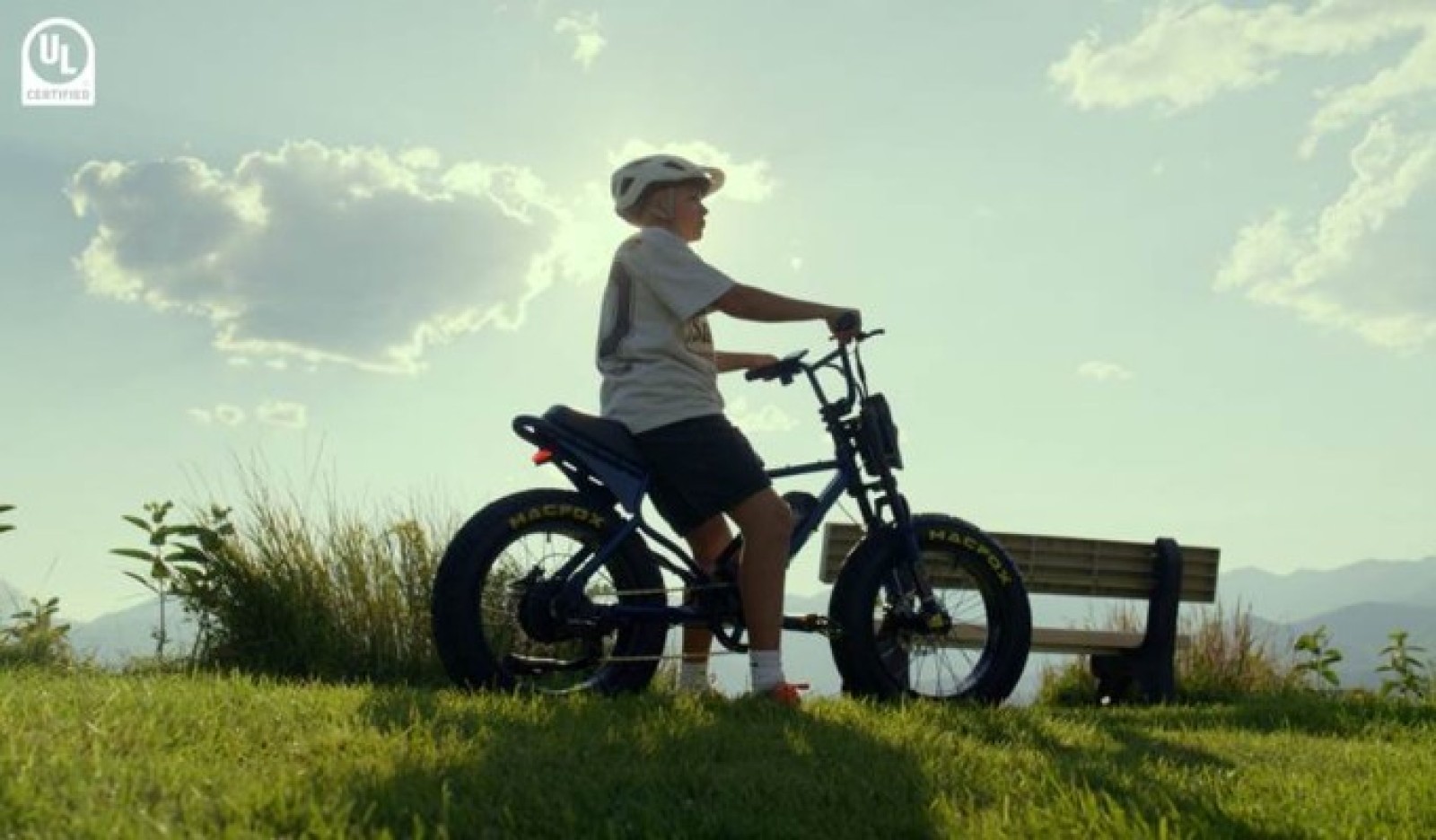
The Macfox X7 Electric Bike is a great choice for longer rides. Its advantages include a 624Wh removable battery that supports dual battery expansion. Under standard conditions, a single battery can provide a range of about 35 miles, but with the dual battery, the range can extend to around 70 miles, making it practical for long or all-day rides. It is also equipped with a 500W (peak 750W) motor system and front suspension with wide fat tires, which ensures a smooth and comfortable ride on various terrains. The bike features hydraulic disc brakes and intelligent display controls, making it ideal in terms of safety, power, and comfort for long-distance riding needs.
Other Additional Features and Accessories
1. Smart Features:
○ GPS tracking, Bluetooth connectivity, and APP control: These smart features allow riders to monitor battery status, riding path, distance, and more in real-time. For long-distance cycling, knowing the remaining battery life is crucial to avoid inconvenience if the power runs out during the ride.
2. Safety Accessories:
○ Mirrors, warning lights, and battery locks: For long-distance rides, especially during night rides or in complex road conditions, mirrors and warning lights can enhance visibility, reducing the risk of collisions with other vehicles. A battery lock can protect the e-bike from theft, ensuring safety when parking.
3. Comfort Accessories:
○ Adjustable seats, comfortable handlebars, and professional saddles: Long-distance cycling requires a comfortable riding posture to avoid fatigue and discomfort. Adjustable seats and handlebars allow for customizations based on the rider's height and body type, ensuring an optimal riding position that reduces muscle and joint fatigue. For long rides, choose wider, comfortable saddles made with memory foam or gel materials to relieve pressure and vibrations on the hips. Saddles with breathable designs also help keep the rider dry.
Conclusion
When choosing a long-distance electric bicycle, it is most important to make decisions based on your cycling needs, terrain type, and budget. Key factors such as battery range, motor power, frame design, and braking systems all play a significant role in the selection process. By considering these essential features, you can find the best long-distance e-bike that suits your preferences, offering an efficient, environmentally friendly, and comfortable cycling experience.
 Editorial staff