Editorial staff
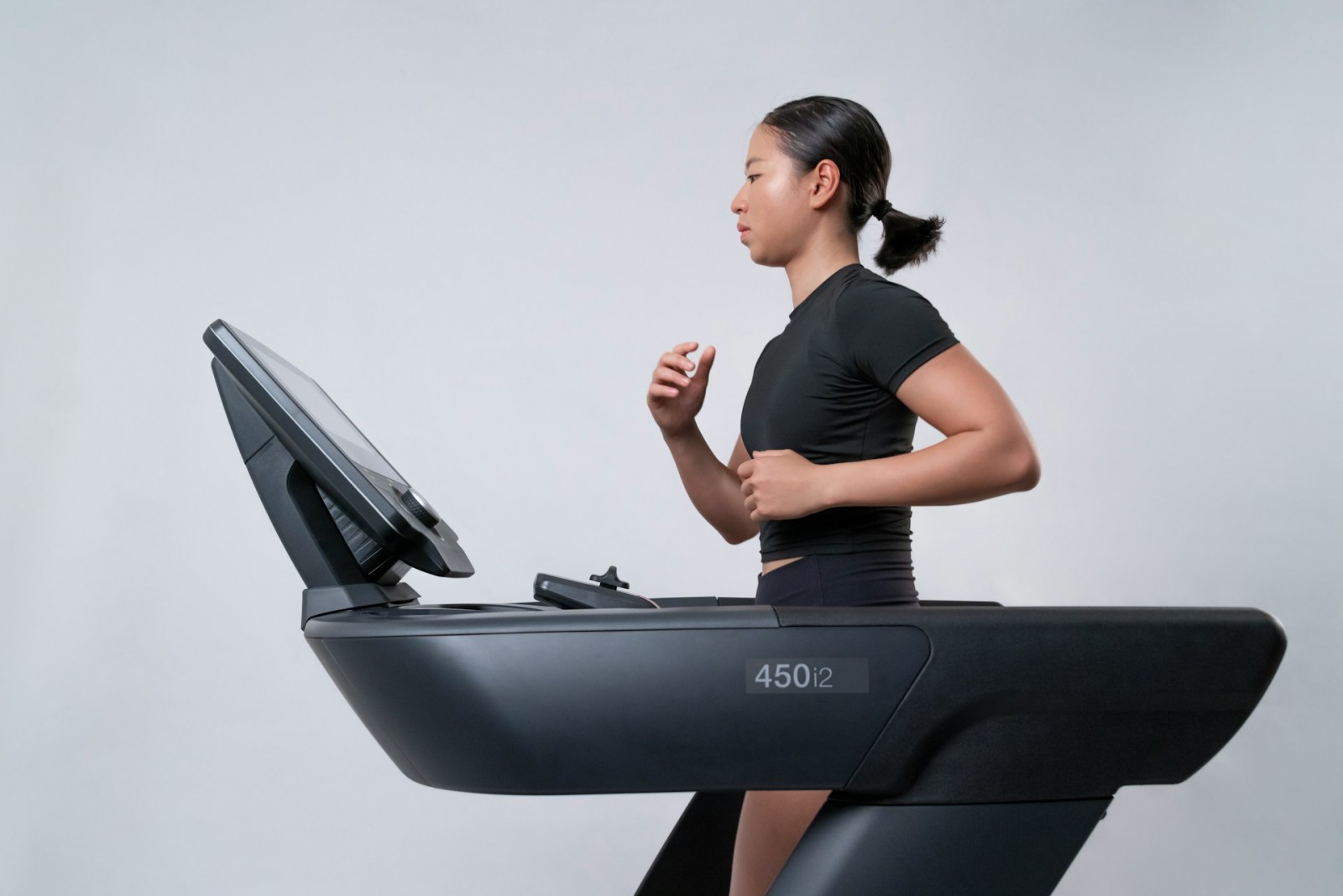
In 2026, as more Australians prioritise at-home workouts, choosing the right treadmill for homes has become more important than ever. With a wide range of models, features, and price points available, understanding what to avoid can make the difference between a rewarding purchase and a costly regret. This guide outlines the most common treadmill buying mistakes and provides practical tips to help ensure a confident and successful purchase.
Overestimating the Importance of Price Alone
One of the most common mistakes homeowners make is prioritising price over quality and functionality. While budget treadmills may appear appealing, they often lack durability, powerful motors, adequate cushioning, or advanced features.
Cheaper models may also have smaller running surfaces and lighter frames, which can lead to instability during use, increased wear, or even early breakdowns. Investing slightly more in a treadmill that meets your long-term needs can save money on repairs and replacement while providing a more reliable and enjoyable exercise experience.
Ignoring Motor Strength and Capacity
The motor is the core component of a treadmill, yet many buyers overlook its importance. Choosing a treadmill with an underpowered motor can result in poor performance, overheating, and shorter machine lifespan.
Professionals recommend a continuous-duty motor rated between two and four horsepower for most home users. If multiple household members plan to run regularly or if you intend to perform high-intensity workouts, investing in a treadmill with a robust motor ensures smoother operation and increased durability.
Selecting the Wrong Running Surface
The running deck size and cushioning are critical to both comfort and safety. Many homeowners make the mistake of selecting a treadmill with a small belt, which limits stride length and can feel restrictive, particularly for taller users.
Insufficient cushioning can also lead to joint strain or discomfort during extended sessions. When choosing a treadmill, consider a belt at least 140 centimetres long and 50 centimetres wide for running, with adequate shock absorption to reduce impact on knees and ankles.
Overlooking Weight and User Limits
Treadmills have specific weight limits, and exceeding these limits can compromise performance and safety. Homeowners often fail to check the maximum user weight before purchase, which can result in premature wear, motor strain, or instability.
It is essential to select a treadmill that accommodates the heaviest user in the household and allows for vigorous workouts without risking mechanical failure. Understanding weight limits also helps ensure the treadmill maintains smooth operation and longevity.
Neglecting Space and Placement Requirements
Many buyers underestimate the space needed for safe treadmill use. Treadmills require sufficient clearance behind and around the machine to prevent accidents, particularly during emergency stops or falls.
Foldable treadmills can save space, but homeowners should verify that folding mechanisms are stable and easy to operate. Consider both the treadmill’s footprint when in use and storage space when folded, especially in smaller homes or apartments.
Prioritising Features You Rarely Use
Modern treadmills are often packed with features, including large touchscreens, internet connectivity, virtual training programs, incline and decline adjustments, and entertainment systems. While these can enhance workouts, homeowners sometimes purchase machines with unnecessary features that significantly increase cost.
It is important to prioritise features that align with your exercise goals. For instance, a powerful motor, proper cushioning, and a durable running surface are more critical than advanced entertainment systems if your primary goal is effective cardiovascular exercise. Avoiding feature overload helps maintain a balance between cost and functionality.
Failing to Consider Maintenance and Longevity
Treadmills require regular maintenance to operate safely and effectively. Neglecting to consider maintenance needs, such as belt lubrication, motor servicing, or electronics upkeep, is a common mistake that reduces the machine’s lifespan.
Choosing a treadmill with accessible parts, clear maintenance instructions, and a comprehensive warranty ensures smooth operation and protects your investment. Extended warranties for motors, decks, and electronics are particularly valuable for homeowners who plan to use the treadmill frequently.
Skipping Reviews and Expert Advice
Many buyers make the error of purchasing a treadmill based solely on online advertisements or in-store promotions without consulting reviews or professional advice. User feedback and expert recommendations provide insights into reliability, performance, and common issues with specific models.
Reviewing multiple sources and comparing brands can prevent regrettable purchases, ensuring the treadmill meets both personal needs and industry standards. Australians increasingly rely on online reviews, fitness forums, and professional guidance to make informed choices in 2026.
Conclusion
Purchasing a treadmill for your home gym is a long-term investment in health and fitness, and avoiding common mistakes is essential for a positive experience. Homeowners should focus on selecting a treadmill with adequate motor power, a spacious and cushioned running surface, appropriate weight limits, and essential features that align with their goals.
Considering space requirements, maintenance, durability, and warranty coverage further ensures that your treadmill remains safe, reliable, and functional for years to come. By avoiding the pitfalls of prioritising price over quality, overlooking technical specifications, and neglecting expert advice, Australians can select a treadmill that enhances their fitness journey and delivers consistent results.
 Editorial staff