Editorial staff
- Why Choose Grain-Free Dry Dog Food for Adult White Dogs
- Understanding the Unique Nutritional Needs of Small and Mini White Breeds
- White Fish as a Hypoallergenic Protein for White Dogs
- Review of the Best Grain-Free Dry Dog Foods Featuring White Fish
- Key Ingredients and Additives for Optimal Health in White Dogs
- How to Transition Your Adult White Dog to Grain-Free White Fish Diets
Many white dog owners seek grain-free options to minimize common allergies and digestive issues. Foods like Nature's Protection Superior Care and similar brands focus on high-quality proteins and a blend of beneficial ingredients, ensuring dogs maintain their vibrant appearance and good health.
With the right nutrition, owners can see improvements not only in their pet's coat but also in their overall energy and well-being. Exploring the top dry dog food options can help assist in making an informed decision, ensuring dogs thrive both in health and appearance.
Why Choose Grain-Free Dry Dog Food for Adult White Dogs
Grain-free dry dog food offers several advantages that can greatly benefit adult white dogs. This type of diet is particularly suitable for dogs with sensitivities, allergies, or specific nutritional needs. Owners can enhance their pets’ overall health by focusing on natural ingredients and optimizing dietary patterns to suit them.
Benefits of Grain-Free Dog Food for Sensitive Adult Dogs
Many white dogs are prone to food sensitivities that can cause discomfort and health issues. Grain-free dog food typically replaces grains with alternative carbohydrates like sweet potatoes or peas. These substitutes can be easier for sensitive stomachs to digest.
Some key benefits include:
- Higher Protein Content: Grain-free diets often include more meat, providing essential proteins for energy and muscle maintenance.
- Easier Digestion: Ingredients in grain-free formulas may promote better digestion, reducing the risk of bloating or gastrointestinal distress.
- Improved Nutritional Balance: Often, grain-free options are formulated with quality ingredients that support overall well-being and vitality.
Addressing Allergies and Digestive Issues with Grain-Free Formulas
Allergies can be common in adult white dogs, leading to skin irritations, itching, or digestive problems. Grain-free dry dog food can help mitigate these issues by avoiding common allergens like wheat, corn, and soy.
With high-quality ingredients, the formulas often focus on:
- Single Protein Sources: Using one high-quality protein can reduce allergic reactions.
- Limited Ingredients: Many grain-free brands offer limited-ingredient diets, which help pinpoint specific allergens and reduce exposure.
- Beneficial Additives: Probiotics and digestive enzymes included in these diets can support gut health, enhancing nutrient absorption and reducing digestive upset.
Supporting Skin and Coat Health in White Dogs
White dogs often face unique challenges in maintaining their skin and coat health. A grain-free diet can contribute positively to this aspect of their care. These diets typically emphasize nutritional ingredients that promote a healthy, shiny coat.
Important components include:
- Omega Fatty Acids: Healthy fats like fish oil can improve skin hydration and coat shine. These are essential for reducing dryness and flakiness.
- Natural Antioxidants: Ingredients such as blueberries and spinach are rich in vitamins that protect skin cells from damage.
- Quality Proteins: High-quality meats help support skin health and promote tissue repair, ensuring that the coat remains strong and healthy.
By focusing on these key aspects, owners can choose the right grain-free dry dog food to keep their adult white dogs healthy and thriving.
Understanding the Unique Nutritional Needs of Small and Mini White Breeds
Small and mini white breeds have distinct nutritional needs that must be met for their health and wellbeing. Their requirements go beyond basic nutrition, focusing on kibble size, taste, and managing specific health concerns.
Kibble Size and Palatability for Small Dogs
The size of kibble is essential for small and mini breeds. These dogs have smaller mouths and teeth, making it crucial to select food with appropriately sized pieces. Kibble that is too large can lead to choking hazards and difficulty eating.
Small breed dog food is often formulated with smaller kibble to fit their needs. High palatability is also important; flavors and textures that appeal to these dogs enhance mealtime enjoyment.
Dog parents should look for dry dog foods that list meat as the first ingredient. This ensures a high-quality source of protein. Additionally, having a mix of crunch and flavor can keep small dogs satisfied and engaged during meals.
Specific Dietary Requirements of Adult Small Breeds
Adult small breeds have unique dietary requirements. They need higher calorie content per pound compared to larger dogs due to their fast metabolism. This is essential for maintaining energy levels and overall health.
Important nutrients include protein, fats, and vitamins. A diet rich in high-quality protein supports muscle development. Fats are also important for healthy skin and coat, which is particularly relevant for white dogs that may show dirt more easily.
Incorporating ingredients like omega fatty acids can improve coat health. Additionally, fiber is important for digestive health and helps with weight management. It’s important for dog owners to consult with a veterinarian to tailor a diet suited to their dog's individual needs.
Managing Tear Stains Through Nutrition
Tear stains are a common concern for white dog breeds. These stains can result from excessive tearing and can be influenced by diet. Proper nutrition can help reduce the occurrence of tear stains.
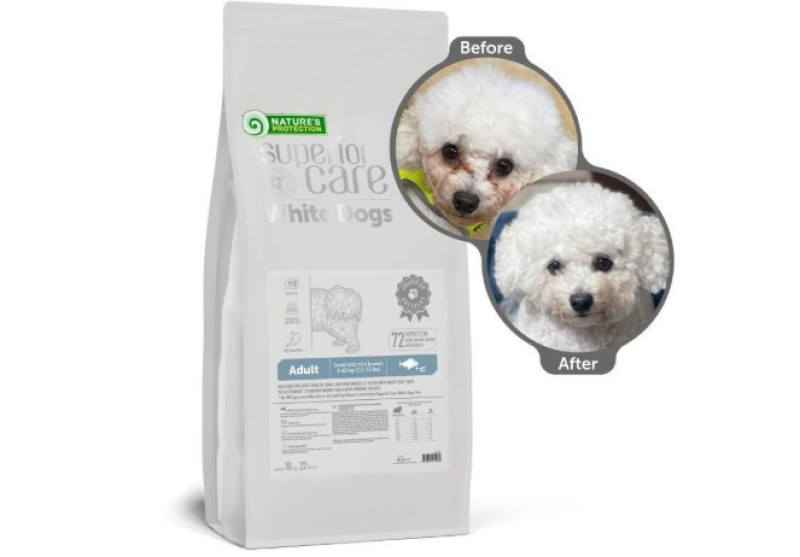
Foods high in quality protein sources, such as white fish, may reduce tear staining by supporting overall eye health. Ingredients like beta-carotene and antioxidants can also be beneficial.
It's important to avoid foods with artificial coloring or fillers, as these can contribute to tear stains. Staying hydrated is key; providing fresh, clean water encourages proper eye moisture balance.
Keeping a close eye on any changes in tear staining can guide adjustments in diet or indicate health concerns that need attention.
White Fish as a Hypoallergenic Protein for White Dogs
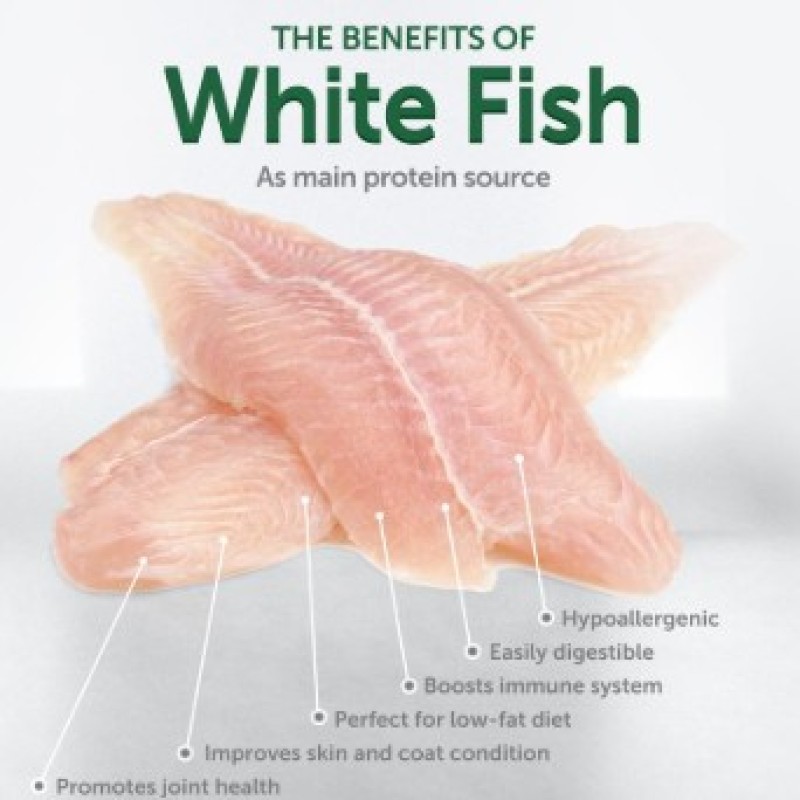
White fish serves as a beneficial protein source for adult white dogs, particularly those prone to allergies. Its hypoallergenic properties make it a suitable choice in grain-free kibble formulas.
Advantages of White Fish in Grain-Free Recipes
White fish is packed with essential nutrients and is low in fat, making it ideal for dogs needing a lighter diet. This protein contains high levels of omega-3 fatty acids, which support skin health and contribute to a shiny coat. For white dogs, this can be especially important, as they often have sensitive skin that requires extra care.
Additionally, white fish is less likely to cause allergies compared to more common proteins like chicken or beef. Dogs with food sensitivities often tolerate white fish well. Grain-free recipes featuring this protein can also promote better digestion, making meals easier for sensitive stomachs.
The combination of white fish and a grain-free formulation helps keep a dog’s energy levels stable without the risk of digestive upset.
Comparing White Fish to Chicken and Lamb Diets
When comparing white fish to chicken and lamb diets, several differences become apparent. Chicken, a common protein source, can frequently trigger allergies in dogs. In contrast, white fish is less likely to be an allergen, making it a safer choice for dogs with dietary restrictions.
Lamb is another protein that is often used in dog food. While some dogs may tolerate lamb well, it can still lead to sensitivities, especially in breeds prone to allergies. White fish, being leaner and easier to digest, ensures that it provides all the necessary nutrients without the common adverse reactions associated with chicken or lamb.
Incorporating white fish into a grain-free diet offers a balanced alternative while addressing skin and coat health needs. It is an excellent choice for maintaining the well-being of white dogs, ensuring they thrive on their diet.
Review of the Best Grain-Free Dry Dog Foods Featuring White Fish
Choosing the right grain-free dry dog food for adult white dogs can be essential for health and well-being. This section covers a selection of top-rated options that feature white fish as a primary ingredient, offering a balanced diet tailored for small and mini breeds.
Nature’s Protection Superior Care White Dogs Grain-Free
Nature’s Protection offers a specialized formula designed for white dogs, focusing on reducing allergens while improving coat health. White fish is the main protein source, providing a lean and easily digestible option ideal for sensitive stomachs.
Key ingredients include:
- Omega fatty acids: Promote healthy skin and a shiny coat.
- Vitamins and minerals: Support overall health and immune function.
This grain-free recipe uses high-quality ingredients like fruits and vegetables, which provide essential nutrients. Its formulation caters to the unique needs of small canine breeds, ensuring they receive optimal nutrition without fillers or artificial additives.
Taste of the Wild High Prairie
Taste of the Wild High Prairie features roasted bison and roasted venison with white fish for a unique protein blend. This grain-free option is formulated to support highly active dogs. The inclusion of sweet potatoes and peas provides digestible energy.
Notable attributes:
- High-quality protein: Essential for muscle maintenance and energy.
- Probiotics: Aid digestion and gut health.
This product is particularly appealing to pets due to its natural roasted flavor. With no corn, wheat, or filler ingredients, it focuses on real proteins that appeal to dogs. The variety in protein sources makes it a suitable choice for owners seeking diversity in their dog’s diet.
Whole Earth Farms Grain-Free
Whole Earth Farms Grain-Free Recipe combines high-quality protein from salmon and white fish, making it an excellent choice for dogs that may have allergies to common meats. The food is rich in omega fatty acids, which support skin and coat health.
Key points include:
- Vitamins and antioxidants: Promote a strong immune system.
- Glucosamine and chondroitin: Support joint health.
This dry dog food features wholesome ingredients, including field-grown vegetables, ensuring a balanced source of fiber. It is free from corn, soy, and wheat, catering to dogs with dietary sensitivities. Whole Earth Farms is dedicated to using sustainable practices, emphasizing high-quality sourcing.
American Journey Grain-Free
American Journey Grain-Free dog food highlights white fish as the primary ingredient, making it suitable for dogs needing a low-fat diet. It includes other quality proteins and is enriched with essential nutrients like DHA and EPA from fish oil.
Important features are:
- Natural ingredients: Free from artificial flavors, preservatives, and fillers.
- Fiber-rich fruits and vegetables: Aid in digestion and overall health.
This formula is designed for small breeds, offering a tasty and nutritious meal. The balance of omega fatty acids supports healthy skin and promotes a shiny coat. American Journey stands out for its commitment to quality ingredients and tailored nutrition for small dogs.
These grain-free dry dog foods featuring white fish provide excellent options for adult white dogs, ensuring they receive the necessary nutrition for optimal health while being sensitive to their dietary needs.
Key Ingredients and Additives for Optimal Health in White Dogs
White dogs often face unique health challenges, particularly regarding their skin and coat. Choosing the right ingredients and additives in their dry dog food can make a significant difference in their overall well-being. This section covers essential components that promote skin health, support digestion, and avoid harmful additives.
The Importance of Omega Fatty Acids for Skin and Coat Health
Omega fatty acids, particularly Omega-3 and Omega-6, play a vital role in maintaining the skin and coat of white dogs. These healthy fats help to keep the skin moisturized and reduce inflammation. A healthy balance of Omega-3 and Omega-6 can prevent common issues like dryness and itching.
Sources of Omega fatty acids include fish oil, flaxseed, and certain types of algae. Fish meal, particularly from white fish, is an excellent ingredient to look for in grain-free dog food. It not only provides protein but also these essential fatty acids. Feeding white dogs food rich in Omega fatty acids can lead to a shinier, healthier coat and may reduce tear stains, a common concern for this group.
Role of Probiotics and Prebiotics in Digestive Support
Digestive health is crucial for dogs, particularly for white breeds that may have sensitive stomachs. Probiotics and prebiotics are key ingredients that can support a balanced gut microbiome. Probiotics are beneficial bacteria that help with digestion and nutrient absorption, while prebiotics serve as food for these good bacteria.
When selecting dry dog food, look for products that include both. Ingredients like chicory root and fermented foods can serve as excellent sources of prebiotics. These components can help reduce the risk of gastrointestinal issues, leading to better overall health and vitality. A healthy digestive system can also contribute to a brighter coat and fewer skin irritations.
Avoiding Artificial Additives and Fillers
Artificial additives and fillers are commonly found in many dog foods. These can include colors, flavors, and preservatives that do not benefit a dog’s health and may even cause adverse reactions. For white dogs, it is especially important to avoid these ingredients, as they can exacerbate skin issues and affect coat luster.
Choosing grain-free dry dog food that is made from high-quality, natural ingredients can help minimize the risk of allergies and sensitivities. Look for foods that list whole ingredients, such as real meat, whole vegetables, and wholesome grains if not grain-free. Avoid products with corn, wheat, and soy as they are often fillers that add little nutritional value and can lead to digestive problems.
Sticking to high-quality, natural food can support the health and appearance of white dogs.
How to Transition Your Adult White Dog to Grain-Free White Fish Diets
Transitioning an adult white dog to a grain-free white fish diet can be beneficial for their health. Proper changes in diet can also help with reducing tear stains and improving coat quality. A gradual shift is essential to ensure the dog's digestive system adapts well.
Staged Food Transition Plans for Sensitive Dogs
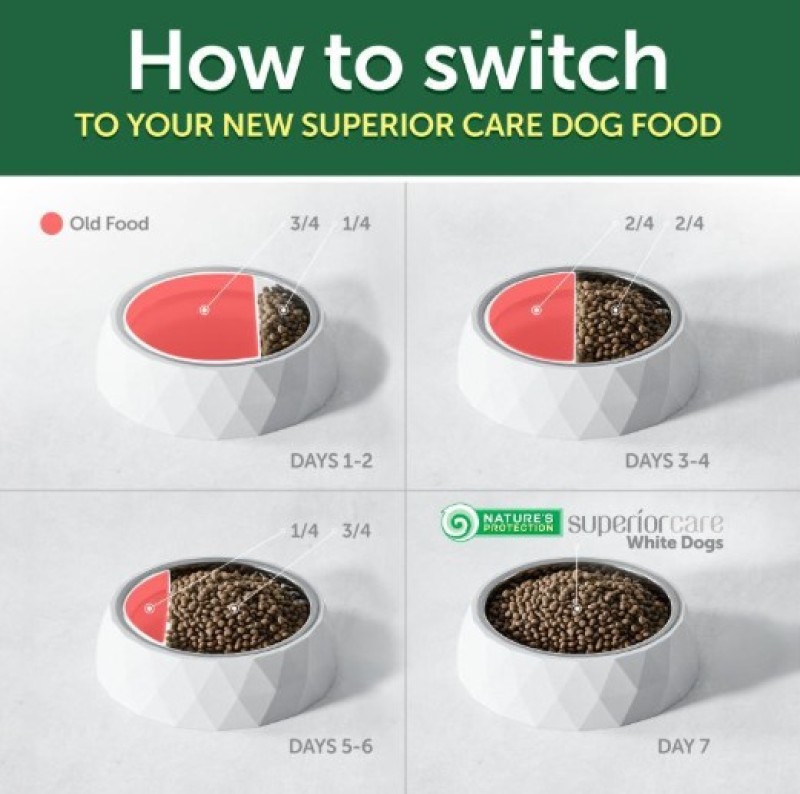
For dogs with sensitive stomachs, a staged plan can help ease the switch to white dog food, especially when moving to a grain-free formula. Begin by mixing a small amount of the new food with the current food. For the first few days, use 25% new food and 75% old food. Monitor the dog's reactions closely. If there are no issues, shift to 50% new food and 50% old food for another few days.
Next, try 75% new white dog food and 25% old food for a few more days. This staged approach minimizes the risk of tummy upsets. Adjust the schedule based on how well the dog adapts. If any problems arise, consider slowing down the transition. Gradually switching the diet can make the process smoother and more comfortable for sensitive dogs.
Monitoring for Tear Stain Reduction and Coat Improvement
Many dog owners notice tear stains, especially in white dogs. After switching to a grain-free diet, it’s crucial to monitor any changes in these stains. A high-quality grain-free white fish diet can contribute to better skin and coat health. Look for improvements in coat shine and softness within weeks of the diet change.
During this time, regular grooming and cleaning around the eyes can also help manage tear stains. If the stains decrease, it may indicate that the new diet is working well. Keep a close eye on overall coat condition too. Healthy fur and less staining are good signs of a suitable diet.
 Editorial staff