Artem Voloskovets

The crude oil shipping market is experiencing significant tightness as one of the world's largest oil transporters makes major fleet moves. Saudi Arabia's leading maritime carrier has entered the spot market in force, booking multiple supertankers at rates not seen since the pandemic era. The developments signal growing pressure on global tanker capacity as Middle Eastern crude flows to Asia intensify, pushing freight costs to multi-year peaks and reshaping oil logistics economics.
Bahri Charters Multiple Supertankers at Premium Rates
Saudi Arabia's National Shipping Co. (Bahri) has provisionally hired at least five very large crude carriers (VLCCs) to carry Middle Eastern barrels to Asian destinations. This rare block of hires comes as global tanker market tightness intensifies, with the cost to charter a VLCC capable of hauling up to two million barrels approaching $200,000 per day. The fixtures are expected to deploy these VLCCs in the coming weeks, reflecting growing crude flows from the region to major refining centers in Asia.
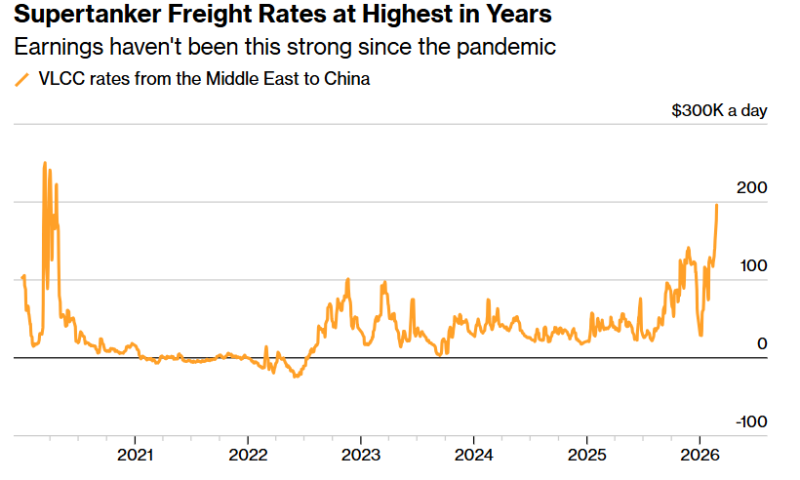
VLCC Freight Rates Surge on Middle East-Asia Routes
Industry data shows benchmark freight rates on the key Middle East-to-China route have more than tripled so far this year, reaching levels not seen since 2020. Higher rates coincide with rising Middle Eastern barrel shipments, increased demand from India as it replaces Russian crude sources, and geopolitical considerations that have slowed transit routes like the Strait of Hormuz. Oil Tanker Market Tightens as VLCC Earnings Surge shows similar trends across the sector.
Bahri's moves carry significance because supertanker charters of this scale are typically entered when existing shipping capacity cannot be met by the carrier's own fleet. The country's substantial exports - including plans to send an additional eight million barrels of crude to China next month after cutting official selling prices - suggest rising use of external tonnage. "The elevated rate environment may persist as fleet utilization remains tight and geopolitical risks add to market sensitivity," according to shipping analysts. Crude Shipping Rates Jump Amid Middle East Export Growth details the broader regional dynamics.
Major gas projects such as Jafurah are expected to boost crude export capacity by freeing up oil previously used for domestic energy consumption, creating additional upward pressure on freight rates as demand for long haul VLCC voyages climbs. VLCC Freight Rates Hit New Highs on Asia Demand tracks these price movements.
The rapid rise in tanker earnings underscores a broader shift in the oil shipping landscape where freight costs have surged to multi-year peaks. Movements by major shippers like Bahri are closely watched as an indicator of broader supply-demand trends in oil and maritime logistics, potentially signaling shifts in crude flows and freight market dynamics into 2026.
 Artem Voloskovets