Peter Smith
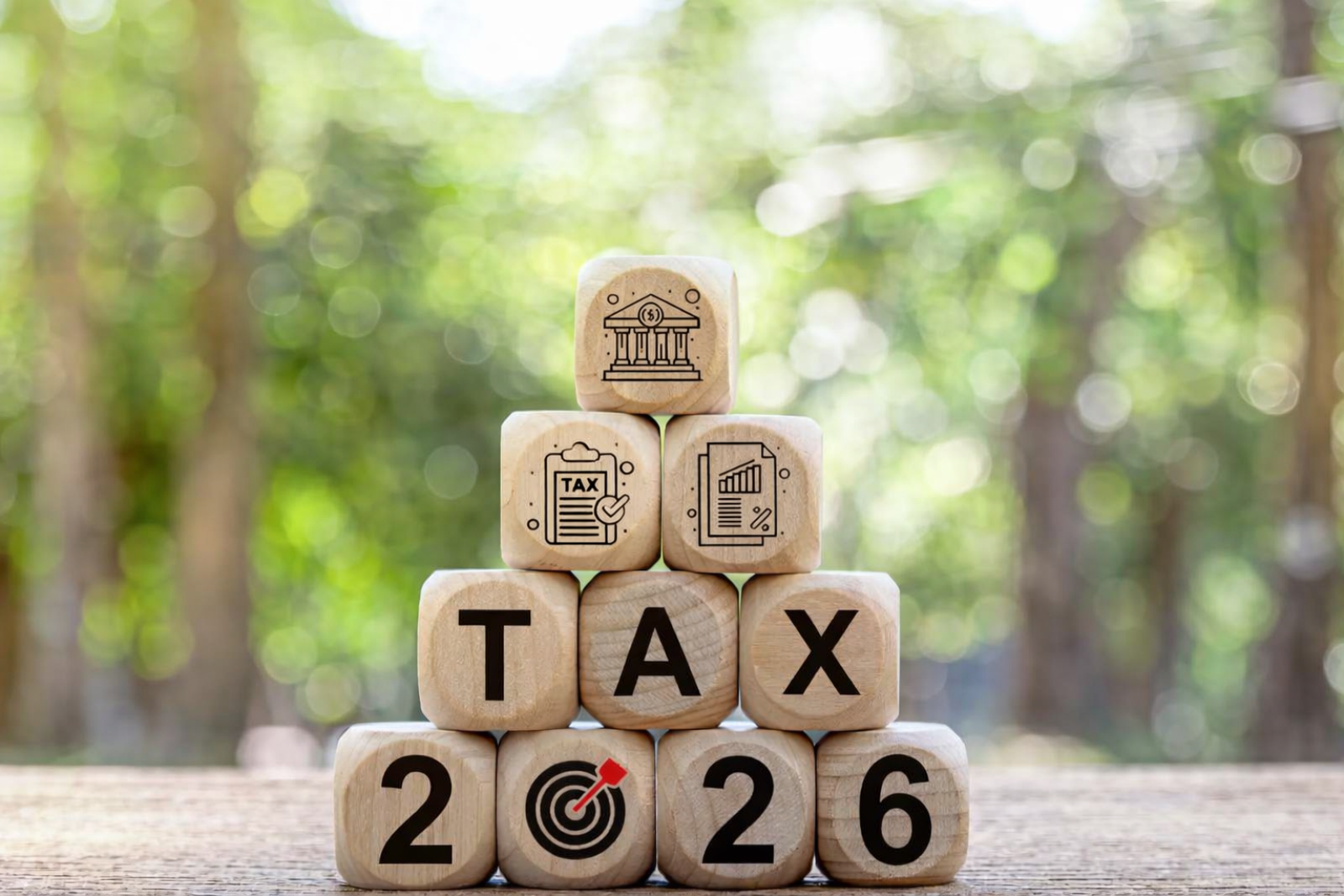
In addition to broader tax rate hikes, there are often tax increases for a specific industry, and this will be the case in the UK from April 1 2026, when Remote Gambling Duty increases from 21% to 40%. This will affect businesses that operate in the online slots sector.
Below are the most common ways organisations adapt to increased tax pressures.
Limit New Staff Intake
One of the first adjustments businesses make is slowing down recruitment. Labour costs typically represent one of the largest operational expenses, so limiting workforce expansion is an immediate way to preserve cash flow. Companies may implement hiring freezes, delay replacing employees who leave, or rely more heavily on temporary staff and independent contractors.
Rather than growing headcount, management often focuses on improving productivity within existing teams. Investment in automation and efficiency tools can also reduce the need for additional employees. While this approach stabilises expenses, it may increase workloads for current staff and potentially slow future growth.
Increase Prices
Another common strategy is passing part of the increased tax burden onto customers. Businesses may gradually raise prices on products or services to maintain profit margins. These increases are often carefully measured to avoid losing customers or damaging brand perception.
Large retailers such as Walmart regularly adjust pricing strategies in response to broader economic pressures, including taxation changes. However, raising prices carries risks. If competitors hold prices steady or consumers become more price-sensitive, companies may experience reduced sales volumes. Pricing decisions, therefore, require careful analysis of market conditions and demand elasticity.
Reduce Offers and Bonuses
When tax increases reduce overall profitability, internal compensation structures are often reviewed. Businesses may scale back employee bonuses, reduce commission structures, or temporarily suspend performance incentives. Executive compensation growth may also be slowed during periods of financial tightening.
Financial institutions such as Goldman Sachs have historically adjusted bonus pools during challenging economic periods. While reducing incentives can help stabilise finances, it may affect employee morale, engagement, and retention. Companies must balance cost control with maintaining a motivated workforce.
Streamline & Cost-Cut
Higher tax obligations frequently prompt comprehensive efficiency reviews. Organisations examine operational processes, supplier contracts, overhead expenses, and administrative structures to identify areas where costs can be reduced without harming core performance.
Streamlining efforts may include consolidating office space, renegotiating vendor agreements, automating repetitive tasks, or outsourcing non-essential functions. Beyond simply offsetting higher taxes, these changes can make businesses leaner and more resilient in the long term. A disciplined approach to cost management often strengthens operational performance even after financial pressures ease.
Slash Marketing Budget
Marketing budgets are often viewed as flexible and, therefore, become early targets for reduction. Companies may reduce advertising spend, pause large-scale brand campaigns, cut sponsorship deals, or shift focus toward lower-cost digital channels with measurable returns.
Major global brands such as Coca-Cola have adjusted marketing expenditures in response to economic pressures in the past. While trimming marketing budgets can protect short-term profitability, sustained cuts may weaken brand visibility and reduce long-term growth potential. Businesses must carefully evaluate which promotional efforts deliver measurable returns before making deep reductions.
Final Thoughts
Increased tax rates can significantly reshape business strategy. Rather than absorbing the impact, most organisations respond by tightening expenses, adjusting pricing, and reassessing growth plans. These actions aim to preserve margins and maintain financial stability in a changing fiscal environment.
The most successful businesses treat tax increases not only as a challenge but as an opportunity to improve efficiency, strengthen discipline, and refine long-term strategy.
 Peter Smith