Peter Smith
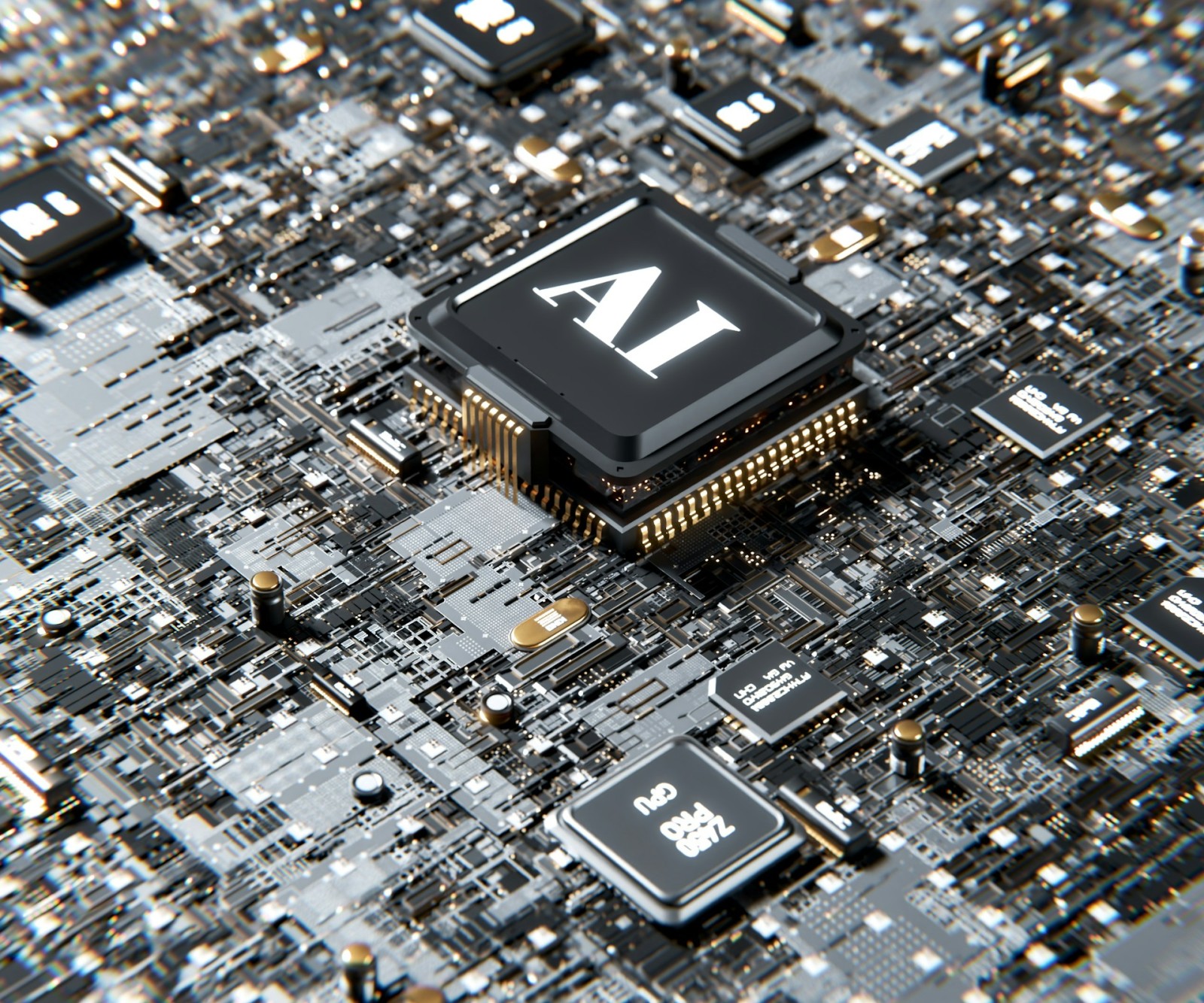
AI OS changes how digital systems operate. Humans no longer move through dozens of applications to complete work. Intelligent systems organize tasks and make decisions automatically. The computer begins acting less like a tool and more like a coordinator of entire workflows.
Physical AI brings intelligence into physical environments. Robots and autonomous systems learn to see and react. Warehouses, factories, and supply chains turn into spaces where machines study conditions and improve operations. These developments signal the formation of the next layer of economic infrastructure.
The quiet rise of AI OS
Traditional operating systems appeared decades ago with a simple goal. They allowed computers to run programs. AI OS changes that structure completely. Within an AI-centered operating system, intelligence becomes the main interface. Users describe goals instead of performing every step manually. The system selects tools, gathers information, and finishes tasks.
Businesses experience major changes through this approach. Employees no longer jump between spreadsheets, analytics tools, and communication platforms throughout the day. AI agents organize the work. Reports appear automatically. Data interpretation happens instantly. Repetitive activity fades from daily routines.
Software development shifts as well. Applications become modular services that intelligent systems assemble depending on the objective. The result is a faster digital economy where decisions happen in seconds rather than hours. The effects reach industries built on online platforms and digital marketplaces, including sectors connected with online gaming and services such as the best Georgia online casinos 2026 market.
Physical AI enters the real world
If AI OS functions as the digital brain, Physical AI provides a body for artificial intelligence. Physical AI describes machines that recognize and interact with their surroundings. Cameras and machine learning models allow systems to identify objects and perform actions.
Traditional robots follow strict instructions. These new machines learn from experience and adjust behavior. The global Physical AI market stands at nearly 5 billion dollars in 2025, and projections point to more than 60 billion dollars by 2034. Annual growth above 30 percent attracts strong interest from investors and technology firms.
Factories implement robots that change production in real time. Warehouses make use of autonomous machines that process packages and inventory. The farm corporations are testing robotic harvesters that scan the crops individually. Medical assistants are provided by robots that are tested in healthcare facilities. Every system collects data and enhances performance in the long run.
Why investors are paying attention
Large technology shifts form ecosystems rather than single inventions. AI OS and Physical AI create such a structure. Hardware producers build sensors and processors. Software companies develop AI operating systems and agent frameworks. Infrastructure providers manage the large data flows used to train intelligent machines.
Analysts estimate that the wider Physical AI ecosystem could grow into a trillion-dollar market during the next decade. VC capital is still pouring into startups that are developing robotic intelligence platforms and machine perception systems. To traders and market analysts, the signals are comparable to cloud computing or the early stages.
Conclusion
Artificial intelligence enters a deeper stage of development. Public attention often centers on consumer tools and generative models. The larger transformation happens beneath that surface. AI OS changes the structure of digital environments. Physical AI enables machines to act within physical spaces. A combination of them creates a technological backbone for business and industry. Firms that integrate smart software with physical automation can define the next stage of economic development across the globe.
 Peter Smith