Peter Smith
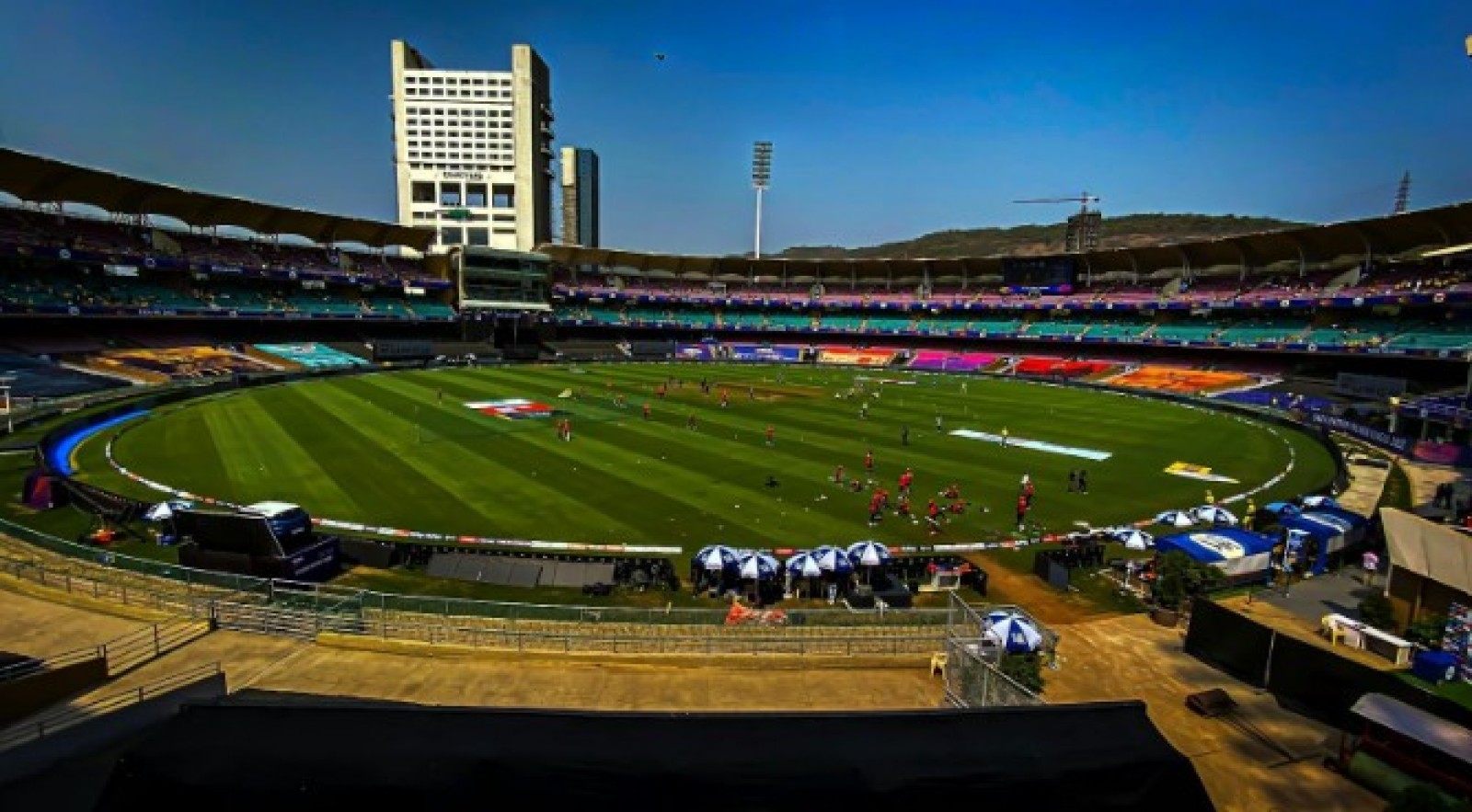
There’s a particular kind of confidence that arrives with a T20 World Cup: the belief that this time, every match will deliver. In 2026, that expectation isn’t just wishful thinking. The tournament is co-hosted by India and Sri Lanka from 7 February to 8 March, with 20 teams and a format designed to punish slow starts. Fans don’t get to “warm up” either; the opening week is always a referendum on preparation, nerves, and whether a squad’s balance holds under real pressure.
India enters as defending champions after the 2024 title, and that sets the emotional temperature from the first ball. The appeal, as ever, is the speed: storylines form quickly, arguments harden fast, and a single over can turn a sensible chase into a public spectacle.
A format built to keep everyone honest
Fans expect jeopardy, and the 2026 format is built to provide it. The group stage is four groups of five, with each team playing four matches. Two sides from each group move into the Super 8, split into two groups of four, and then come the semi-finals and final. That structure creates a blunt truth: one slip can’t always be corrected later.
This is why supporters obsess over net run rate before it even matters. It’s also why underdogs feel dangerous in the early rounds; favourites have less time to “find form,” and a single flat performance can follow a team like a shadow. The Super 8 is where fans expect the tournament to become tactical rather than merely loud, because every opponent has earned their place.
Rivalries, rematches, and the matches people plan their lives around
A World Cup hosted on the subcontinent brings a specific kind of anticipation: big games feel less like fixtures and more like appointments. India and Pakistan being drawn together guarantees a week of nervous energy, and the spotlight never really moves away. Fans expect Australia and England to arrive with depth, clarity, and the stubborn ability to win ugly. They also expect the West Indies to treat T20 as a home language, even when they’re playing far from home.
There’s a newer kind of expectation, too: that “smaller” teams are no longer small. The United States, Nepal, Canada, and Italy don’t travel for scenery; they travel to compete, and fans have learned that a fearless powerplay can make reputation irrelevant. Afghanistan’s presence changes how supporters think about the middle overs, because elite spin can turn a chase into a slow squeeze.
When franchise cricket meets the World Cup spotlight
Franchise cricket doesn’t pause politely for international tournaments anymore; it sits beside them and sometimes inside them. MI Cape Town, one of the headline teams in South Africa’s SA20, carries the global MI identity linked to the Mumbai Indians family, which makes them instantly recognisable even to fans who don’t follow every league. That brand shorthand matters in 2026 because supporters move between national teams and franchises without changing how they consume the sport. The World Cup becomes a continuation of a year-round habit rather than a once-every-two-years event.
MelBet has announced a partnership with MI Cape Town, and the details focus on product visibility rather than empty noise. Fans who follow T20 on a second screen often want team context to sit close to fixtures and stats, because the format moves too quickly for tab-hopping. That routine can extend into a betting app when supporters already have a view on match-ups, venue patterns, and who actually owns the death overs. The partnership plays into a modern truth: attention is a pathway, and convenience decides what fans do with it.
Fewer impulses, more checkpoints
T20 betting tends to reward people who treat the match as a sequence of moments, not one long emotion. Fans increasingly expect to work with checkpoints that the format already provides: after the powerplay, around the halfway mark, and at the start of the death overs. Those windows line up with the biggest swings in pace, bowling resources, and chase pressure. The smartest habits look almost boring on paper: one market per match, consistent stakes, and decisions tied to observable changes rather than vibes.
Some fans use melbet because it keeps odds, fixtures, and match context close to the live action, which suits how T20 is watched in 2026. The sensible approach is to wait for information that actually shifts the game: a pitch slowing, a key bowler’s overs being held back, a chase losing its hitting depth, or a set batter getting trapped by a matchup. When discipline holds, betting becomes a structured add-on to viewing rather than a distraction that replaces it. In a format built on wild momentum, calm tends to age well.
What supporters want to remember when March arrives
Above all, fans expect moments that feel like folklore by the next morning. They want at least one upset that changes a group table overnight. They want a Super Over that turns a tense match into a street-corner debate, and they want a semi-final where a team wins because it keeps its nerve, not because it gets lucky. They also want the hosts to feel the pressure and still play as they belong there, because that’s the kind of story a World Cup is supposed to offer.
T20 is cricket with the volume turned up, but 2026 has a chance to be more than noise. The best expectation is the simplest one: that skill will still matter when everything is moving too fast, and that a tournament built for speed will still leave a few scenes worth replaying slowly.
 Peter Smith