Usman Salis

⬤ BTC markets are reacting after reports that Core Scientific, one of the largest Bitcoin miners in the United States, sold 1,900 BTC for about $175 million. The company is now offloading the rest of its Bitcoin holdings. The sell-off has drawn significant attention, given Core Scientific's profile as a high-output industrial miner operating across North America.
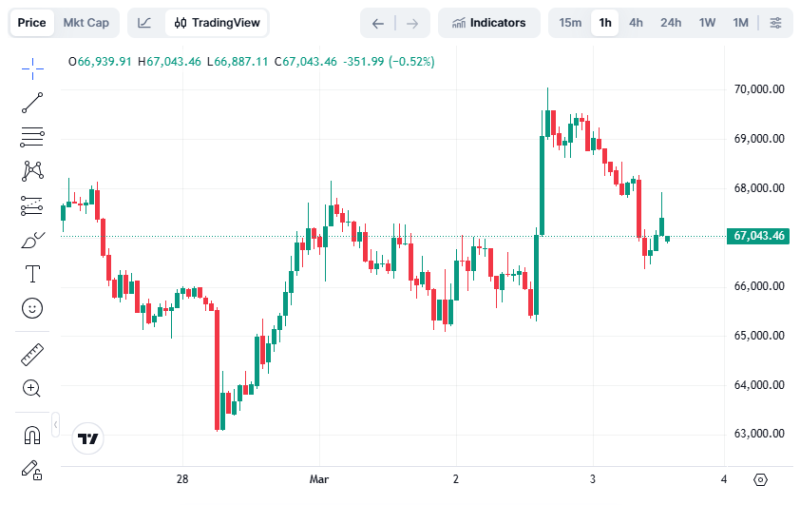
⬤ The $175M transaction suggests a strategic shift in treasury management. Mining economics have tightened sharply, with direct mining costs for public firms ranging from $75,000 to $138,000 per Bitcoin depending on energy efficiency. In that context, selling accumulated BTC at market prices becomes more attractive than continuing to hold. The sale is framed not as a liquidity emergency, but as a calculated response to changing profitability dynamics.
⬤ Bitcoin mining remains heavily capital-intensive, with margins tied to hash prices, energy costs, network difficulty, and BTC price direction. As those pressures mount, some firms are pivoting toward cost-efficiency strategies and hardware optimization. Import Mining highlights how low-cost access to mining hardware through direct import deals is becoming a key competitive lever for operators trying to survive tighter margins.
⬤ When a major producer sells accumulated Bitcoin rather than riding out market cycles, it reflects a recalibration of cost structures and capital allocation priorities. The Core Scientific move adds to an ongoing debate about the long-term sustainability of large-scale mining operations. Meanwhile, BTC price forecasts warn of potential volatility ahead, making the timing of asset sales an even more consequential decision for miners sitting on large coin reserves.
 Usman Salis