Sergey Diakov
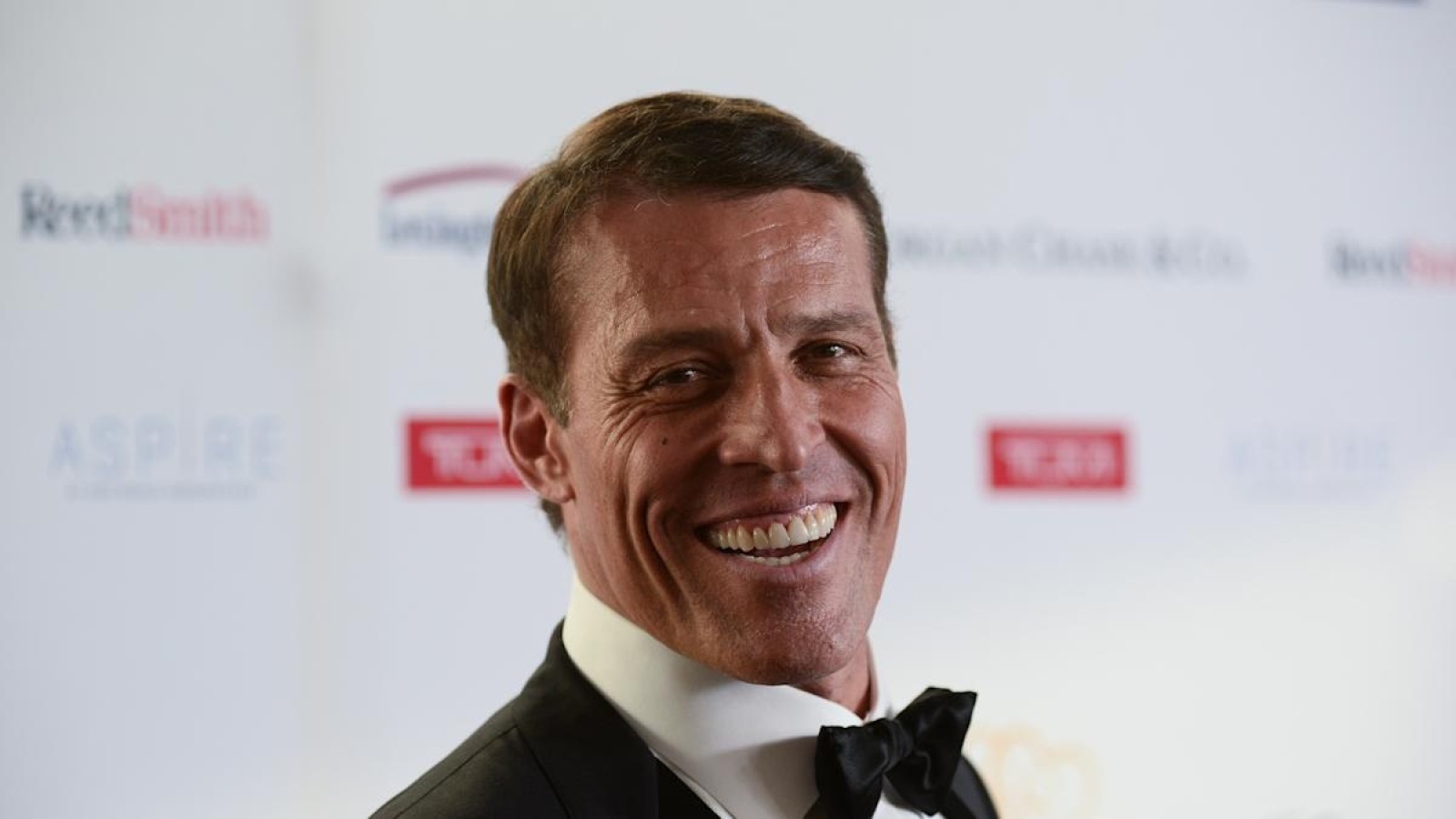
Tony Robbins didn't start with privilege or connections. Born into poverty and chaos, he left an abusive home at 17 with nothing but determination. Today, his net worth sits at around $600 million, and he's coached everyone from Bill Clinton to Serena Williams. But the most remarkable part of his story isn't the money—it's how he got there. From scrubbing floors for $40 a week to commanding up to $1 million per speaking event, Robbins proved that your starting point doesn't determine your destination. Let's dive into how he built this empire and the principles that guided him along the way.
The Struggle Years: First Job and Early Earnings
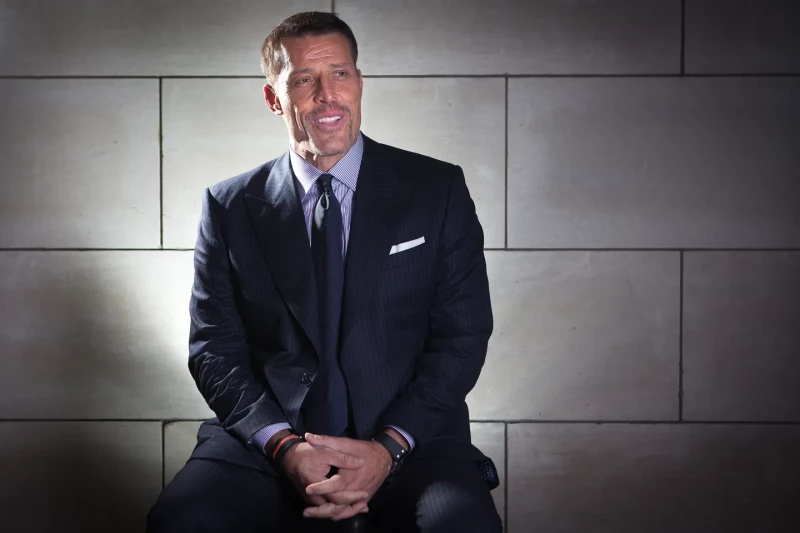
Tony Robbins—born Anthony J. Mahavoric in 1960—had a rough childhood in North Hollywood. His parents split when he was seven, and his mom remarried multiple times. The household was unstable, marked by addiction and abuse. By 17, he'd had enough and walked out the door for good.
With no plans for college and bills to pay, Robbins took whatever work he could find. His first real job? Janitor. He made $40 a week cleaning floors from 10 PM to 2 AM. But here's the thing—he picked that particular shift on purpose. The night hours gave him freedom during the day to read, think, and figure out his next move.
One week, something unusual happened. Robbins spent $35—nearly his entire paycheck—on a ticket to see motivational speaker Jim Rohn. That decision changed everything. After the seminar, he approached Rohn and asked if he could work for him. Rohn said yes, and Robbins started organizing his events and learning the business from the inside.
Building the Career: How the Money Started Rolling In
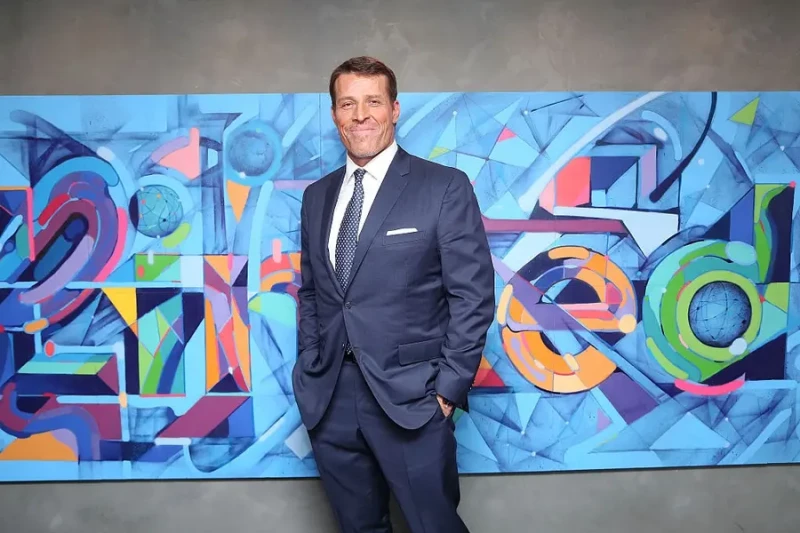
Working alongside Jim Rohn taught Robbins more than event planning. It showed him how powerful the right message could be when delivered with passion and purpose. By his mid-twenties, Robbins had developed his own style, blending neuro-linguistic programming, hypnosis techniques, and strategic intervention into a unique coaching method.
The financial transformation was dramatic. In 1984, Robbins was pulling in about $40,000 a year—not bad, but nothing special. Just one year later, in 1985, he cracked the million-dollar mark and never looked back. By 24, he was a self-made millionaire.
By 1991, his company was generating around $50 million annually. Fast forward to 2005, and Robbins was paying himself $30 million a year from his growing empire. The momentum just kept building.
Peak Success: Tony Robbins Net Worth Today
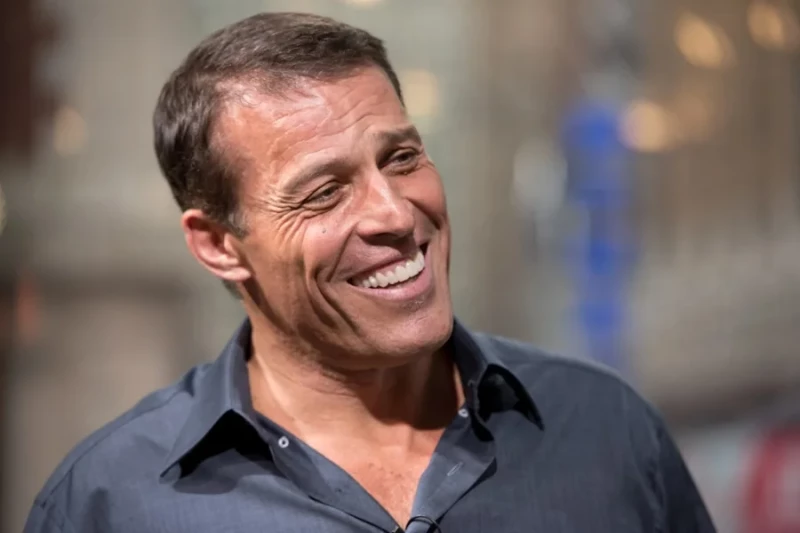
As of 2026, Tony Robbins net worth is estimated at roughly $600 million, though some sources put it closer to $1 billion. Either way, the numbers are staggering—especially considering where he started.
So where does all this wealth come from? It's not just one income stream. Robbins is involved in more than 100 different companies spanning various industries, and together they generate over $7 billion in annual sales. He's not just a speaker—he's a serious businessman.
His flagship seminar, "Unleash the Power Within," brings in about $9 million every year. For a single speaking engagement, Robbins can charge anywhere from $300,000 to $1 million, depending on the event. His books—including classics like "Unlimited Power" and "Awaken the Giant Within"—have sold millions of copies worldwide, with each new release bringing in an estimated $5 to $10 million.
Then there's real estate. Robbins knows how to invest. Back in 2004, he bought a home in La Quinta, California for $875,000 and flipped it in 2017 for $3.25 million. But his crown jewel is the Namale Resort in Fiji—a 525-acre luxury property he snagged for $12.5 million when he was just 29 years old. Today, it's worth well over $50 million. His main residence in Lantana, Florida, cost him $24.75 million, and he dropped another $10 million renovating it.
Beyond Speaking: The Business Empire
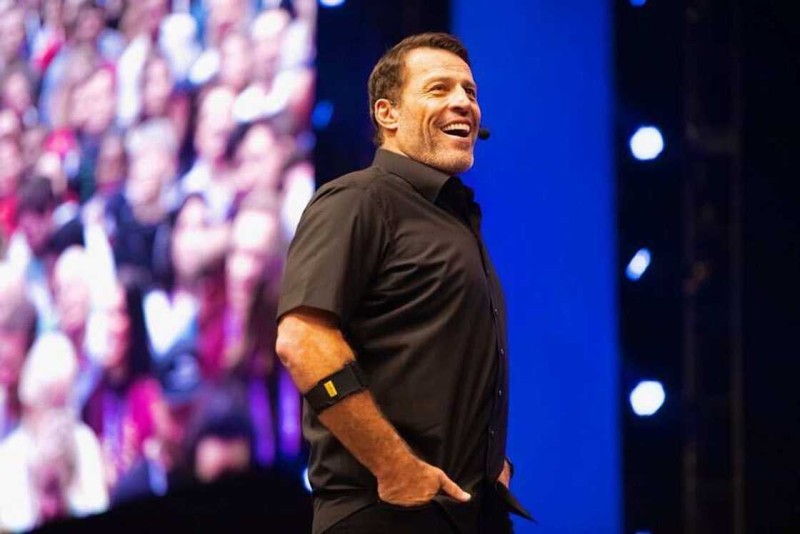
While motivational speaking made Robbins famous, diversification made him wealthy. He owns 33 companies across different sectors, from hospitality to media production to business services. Each one contributes to that billion-dollar revenue figure.
In 2014, Robbins teamed up with Magic Johnson, Mia Hamm, and Peter Guber to launch the Los Angeles Football Club, which started competing in Major League Soccer in 2018. Two years later, he partnered with NBA team owners to buy Team Liquid, a professional esports organization.
His 2016 Netflix documentary "Tony Robbins: I Am Not Your Guru" introduced him to a whole new generation of followers. He's coached presidents, celebrities, and Fortune 500 CEOs. The man has worked with Bill Clinton, Oprah Winfrey, Hugh Jackman, and Serena Williams—just to name a few.
Tony Robbins' Philosophy: How to Become Successful

Over nearly five decades of coaching millions of people, Robbins has distilled success down to a handful of core principles. These aren't abstract theories—they're the exact strategies he used to build Tony Robbins net worth from nothing.
- Turn Your "Shoulds" Into "Musts". We all have things we say we "should" do. Should exercise more. Should start that business. Should learn a new skill. But "should" is weak. It's wishful thinking without commitment. Robbins argues that real change only happens when you turn those "shoulds" into absolute "musts"—non-negotiable requirements for your life. When something becomes a must, you find a way. When it's just a should, you find an excuse.
- Every Decision Shapes Your Destiny. Robbins believes you can change your entire life in a single moment by making one new decision. It doesn't have to be dramatic. Even a small 10-degree shift in direction can completely alter where you end up five or ten years down the road. The key is recognizing that you're always one decision away from a different life.
- Model What Works. Why reinvent the wheel? Robbins teaches a concept he calls "modeling"—studying people who've already achieved what you want and adapting their strategies. Success leaves clues. If someone's figured out how to do what you're trying to do, learn everything you can about their approach. This is how Robbins says he's been able to "compress decades into days."
- Focus on Adding Value, Not Taking It. Here's a perspective shift that changed Robbins' life: instead of asking "What's in it for me?" ask "What can I give?" When your primary focus is on adding value to other people's lives, the financial rewards follow naturally. As Robbins learned from his mentor Jim Rohn, if you can find a way to serve many people exceptionally well, you can earn a lot.
- Never Stop Improving. Robbins coined the term CANI—Constant And Never-ending Improvement. It's based on the Japanese concept of Kaizen, which means "good change." The idea is simple: work harder on yourself than on anything else. If you become more valuable, skilled, and knowledgeable, you'll have more to offer the world. Your earning potential expands with your personal growth.
- Take Massive Action. Ideas are worthless without execution. Robbins is big on creating what he calls a Massive Action Plan. Don't just set vague goals—get specific. How much? By when? For what purpose? Then start moving. Planning is important, but action is what produces results. You'll figure out the details along the way.
- There's No Such Thing as Failure. In Robbins' view, failure doesn't exist. There are only results and learning experiences. When something doesn't work out the way you hoped, successful people don't see it as failure—they see it as valuable feedback. What can you learn? What would you do differently next time? This mindset keeps you moving forward instead of getting stuck in self-doubt.
Tony Robbins net worth of $600 million tells a powerful story about what's possible when you commit to growth, serve others relentlessly, and refuse to let your circumstances define you. From that teenager earning $40 a week pushing a mop to a global icon commanding $300,000 for a single speech, Robbins has lived the principles he teaches.
The money is impressive, sure. But the real lesson is simpler: your background doesn't determine your future. Your decisions do. And sometimes, all it takes is investing $35 in yourself—even if it's nearly all you have—to change the entire trajectory of your life.
 Sergey Diakov