Sergey Diakov
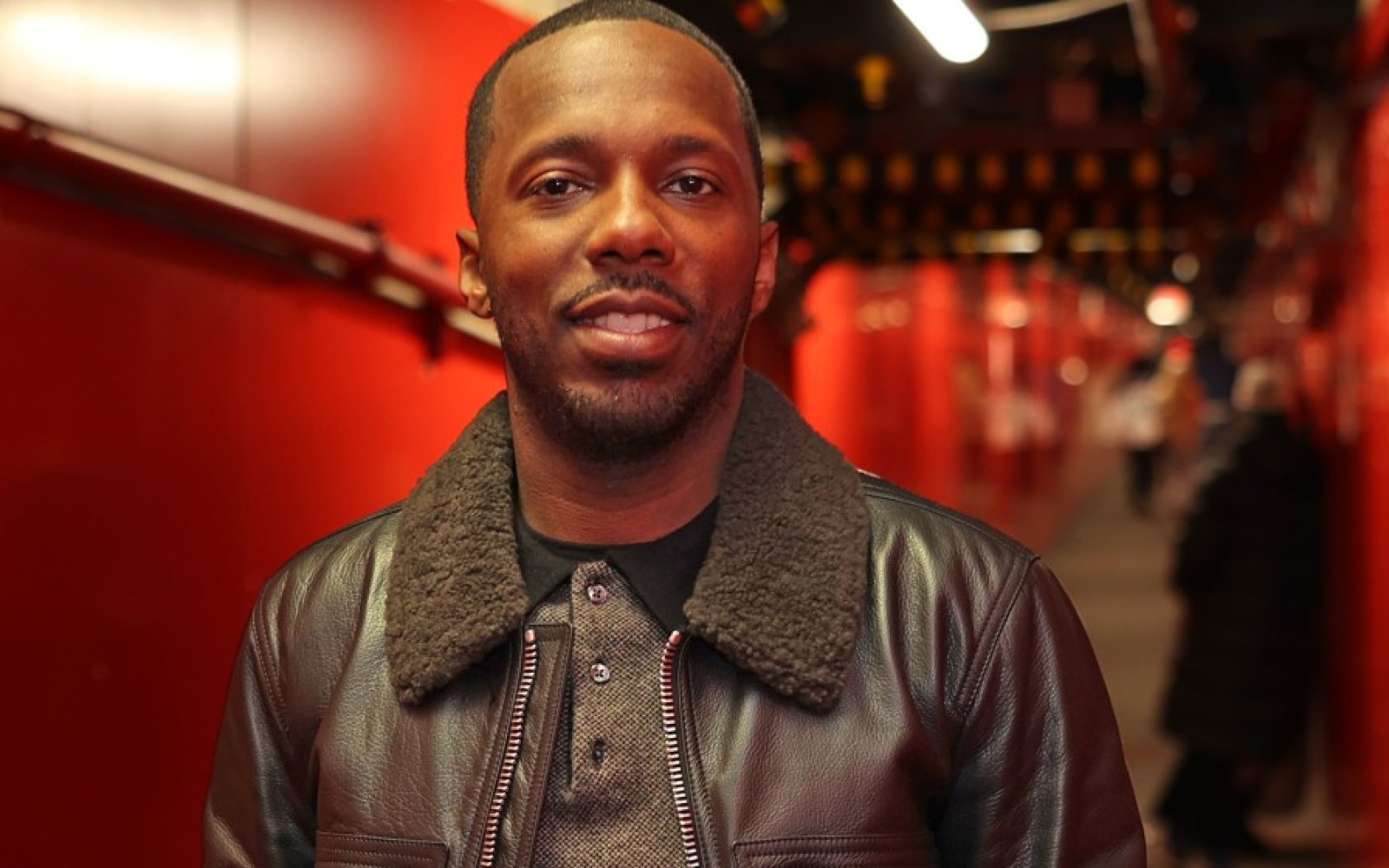
Rich Paul's story sounds like something out of a movie. A kid from Cleveland with no college degree and no connections somehow became the most influential sports agent in basketball. But here's the thing—it actually happened. Paul didn't inherit wealth or get lucky with a trust fund. He built his empire one relationship at a time, starting with a chance meeting that changed everything. Today, his name carries serious weight in NBA front offices, and his bank account reflects it.
Rich Paul's Early Days: Selling Jerseys and Making First Money
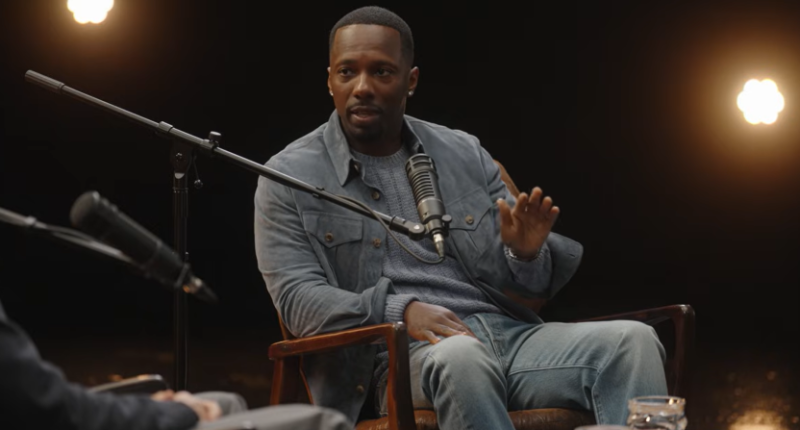
Paul grew up in Cleveland without much money to his name. His dad worked hard but passed away from cancer when Rich was still young, leaving him to figure things out on his own. In his early twenties, Paul found a hustle that worked—buying vintage sports jerseys and flipping them for profit. He'd drive around with a trunk full of throwback gear, selling to anyone who'd buy. The money wasn't great, maybe a few hundred bucks here and there, but it kept him afloat and taught him how to spot opportunities.
Everything changed in 2002 at an airport in Akron. Paul was wearing a rare Warren Moon jersey he'd picked up for resale when a teenager walked up to him. That teenager was LeBron James, already being called the next big thing in basketball. They got to talking, hit it off, and stayed in touch. At the time, Paul had no idea this random conversation would eventually make him rich. He was just a guy trying to make ends meet with his jersey business.
Building His Career: Learning the Agent Game
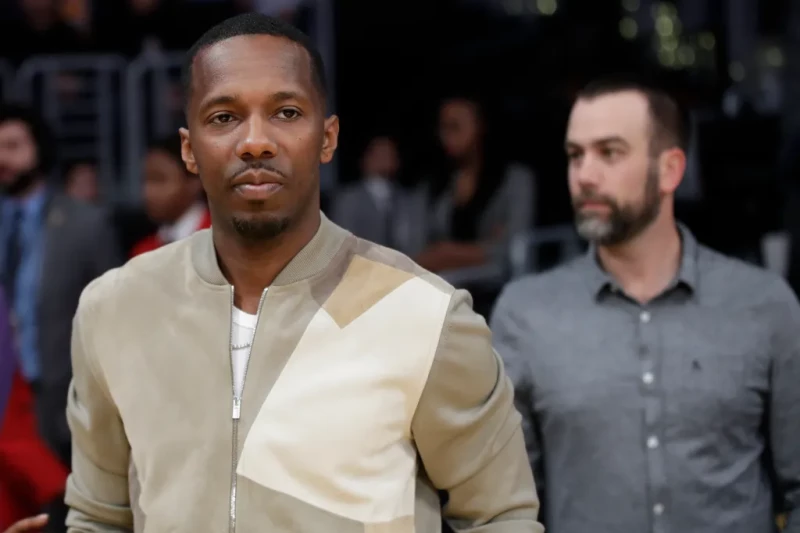
LeBron introduced Paul to his agent Leon Rose at Creative Artists Agency, one of the biggest talent agencies in the world. In 2006, Paul started working there as an assistant, basically starting from the bottom. The pay was nothing special—maybe $50,000 a year—but Paul wasn't there for the salary. He was there to learn everything about how the sports business worked. He studied contracts, memorized salary cap rules, and watched how deals got done.
For six years, Paul soaked up knowledge like a sponge. He built relationships with team executives, learned what made players tick, and figured out how to negotiate. By 2012, he felt ready to take the leap. Paul left his stable job at CAA and started Klutch Sports Group with LeBron as his first client. People thought he was crazy. The sports world questioned whether someone without fancy credentials could compete with established agents. Paul didn't care what they thought. He knew his worth and was ready to prove it. Within months, he started signing more clients, and the commissions started rolling in. When LeBron signed a massive contract with Cleveland, Paul's cut was over $3 million.
Rich Paul Net Worth Explosion: Building the Klutch Empire
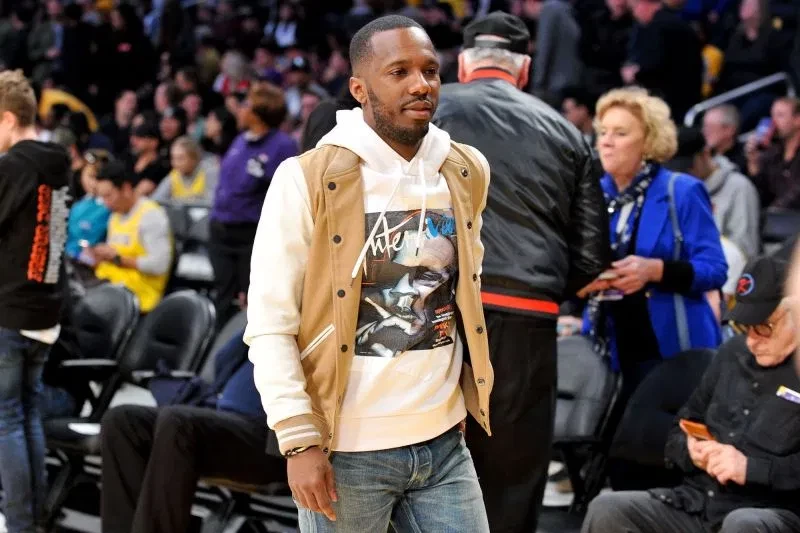
This is where rich paul net worth really took off. Klutch Sports grew into a monster agency representing some of the NBA's biggest stars. Paul negotiated Anthony Davis's $190 million deal with the Lakers, Draymond Green's $100 million contract with Golden State, and dozens of other huge contracts. Agents typically take a 4% cut, which means Paul was pocketing millions every time one of his clients signed. Do the math on a $200 million contract—that's $8 million for Paul.
But Paul didn't stop at basketball. He turned Klutch into a full entertainment company handling marketing deals and brand partnerships. In 2019, United Talent Agency bought a piece of Klutch, though Paul kept control of operations. That deal alone added serious zeros to his net worth. At his peak in the late 2010s, Paul was pulling in $25 to $30 million a year. He wasn't just an agent anymore—he was a power broker, a cultural figure, someone who made things happen. His relationship with singer Adele put him in tabloids, but Paul had already made his fortune before that romance even started.
Rich Paul Net Worth Now: What He's Earning Today
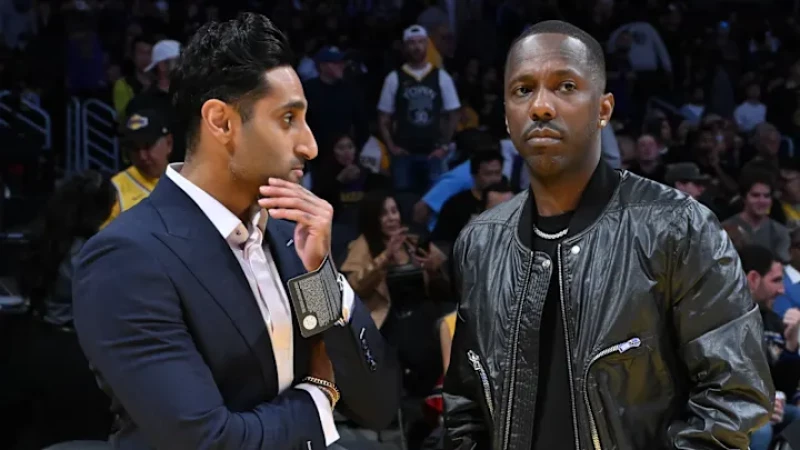
Right now, rich paul net worth sits around $120 million according to financial experts who track these things. He's still making bank from Klutch, which represents more than 20 NBA players with combined contracts worth over $1.6 billion. Every year brings new deals, and Paul's getting his 4% each time. That works out to somewhere between $15 and $20 million annually, depending on how big the contracts are that season.
Paul's also diversified beyond just agent fees. He's got money in real estate with properties in Los Angeles and Cleveland. Klutch's marketing division brings in revenue from brand deals for athletes. There's even talk of a TV series about his life in the works, which would add another income stream. The NBA's salary cap keeps going up, which is great news for agents like Paul. When max contracts hit $300 million, his 4% cut is $12 million from a single deal. Not bad for a guy who started out selling jerseys from his trunk.
How Rich Paul Says You Can Make It: His Success Principles
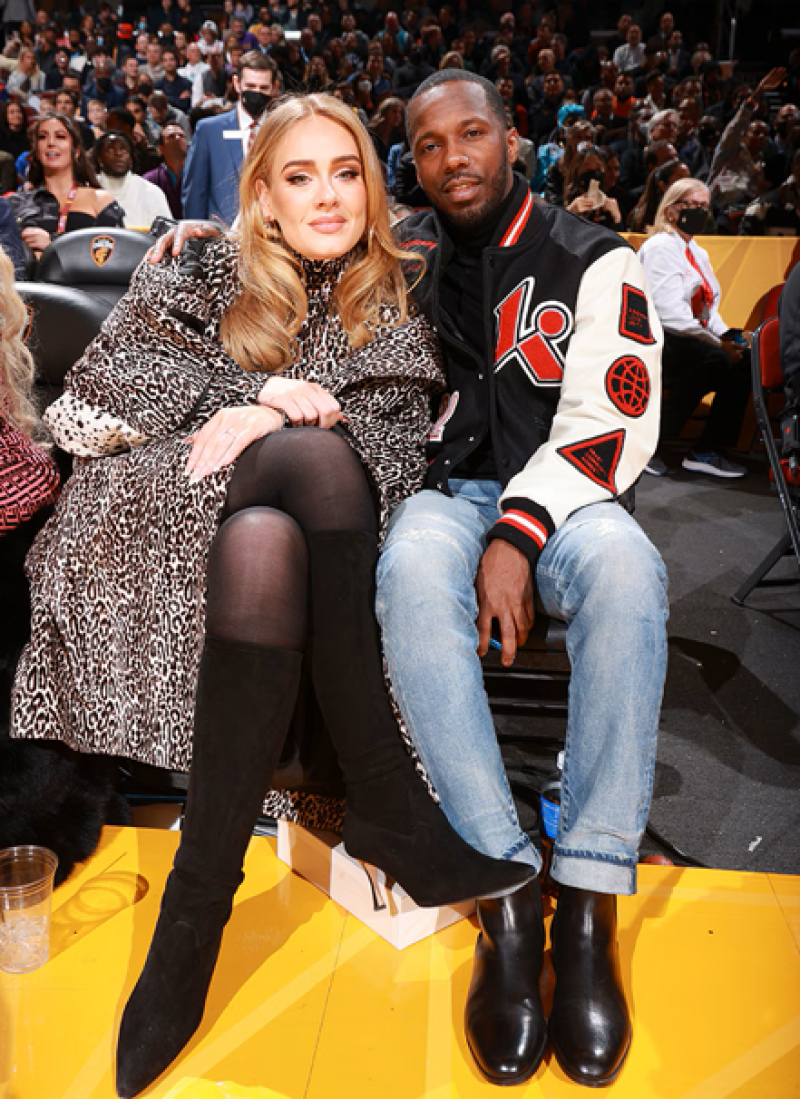
Paul's gotten pretty open about how he built his empire, especially after writing his book about his life. His biggest lesson? Relationships matter more than anything. Paul didn't go to college or business school. He built everything through genuine connections with people. Show up, be real, and actually care about the people you work with—that's his formula.
He's also big on staying authentic. The sports industry is full of people trying to be someone they're not. Paul kept his Cleveland edge, his direct way of talking, and his street smarts. He tells people not to change themselves to fit in. Make the room adjust to you instead. Another thing Paul hammers home is preparation. He knows salary cap numbers better than most team accountants. He's done the homework before he walks into any negotiation.
The gutsy move of leaving CAA taught Paul about betting on yourself. He could've played it safe, collected a steady paycheck, and worked for someone else forever. Instead, he risked everything to build his own company. Paul says fear never goes away—you just have to move forward anyway. He also refuses to compromise on loyalty. There've been times he could've made more money by pushing a client toward a bigger contract with a worse team, but Paul always prioritizes long-term careers over short-term commissions. That integrity is why players trust him with their futures and their money.
 Sergey Diakov