Saad Ullah
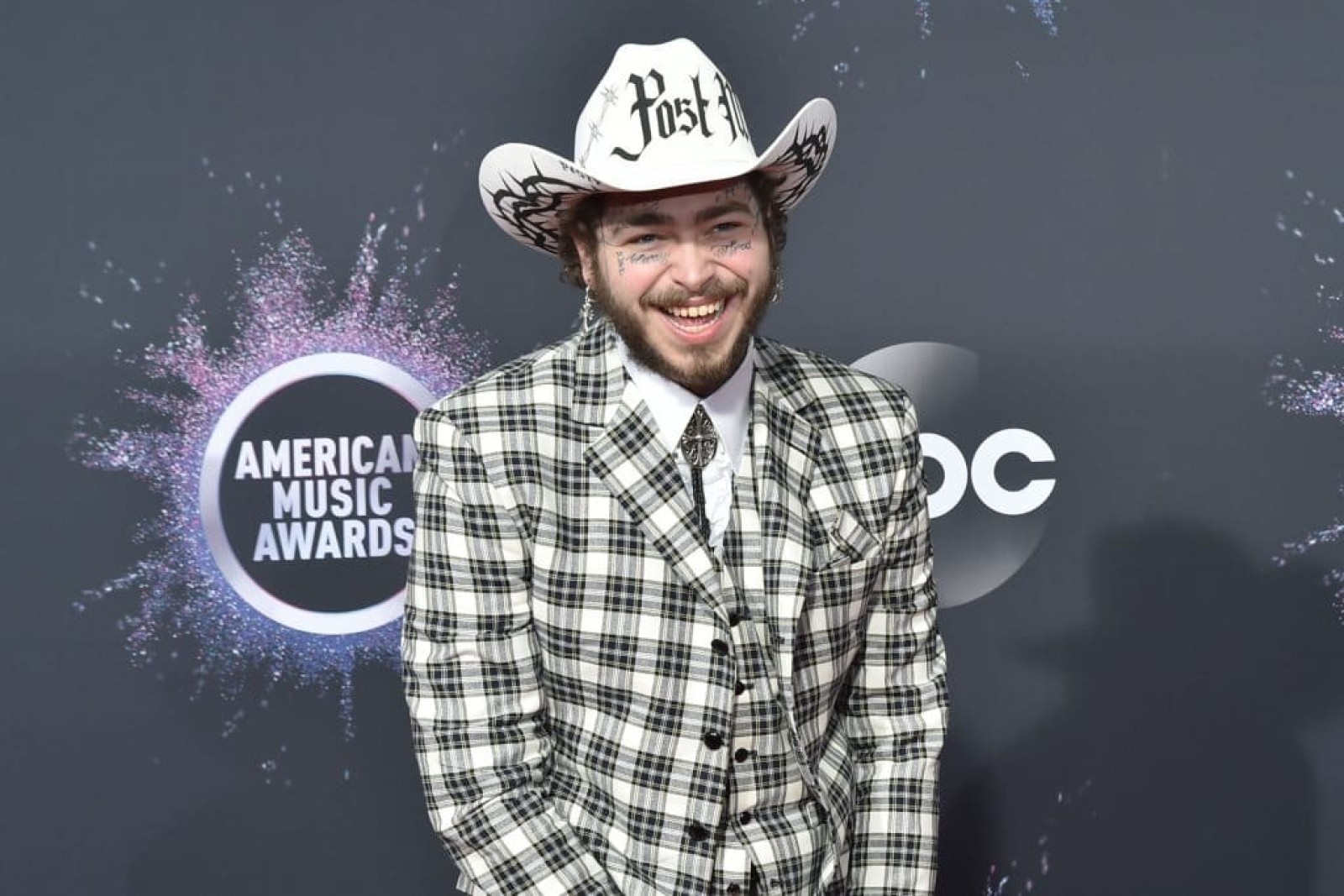
Austin Richard Post, known worldwide as Post Malone, has become a household name in music. His journey from a broke teenager making music in Texas to a multimillionaire artist is one of the most impressive success stories in recent hip-hop history. Today, we're breaking down exactly how Post Malone built his fortune, when he started making real money, and what principles guided him to the top.
Post Malone's Early Days: From Bedroom Producer to First Real Money
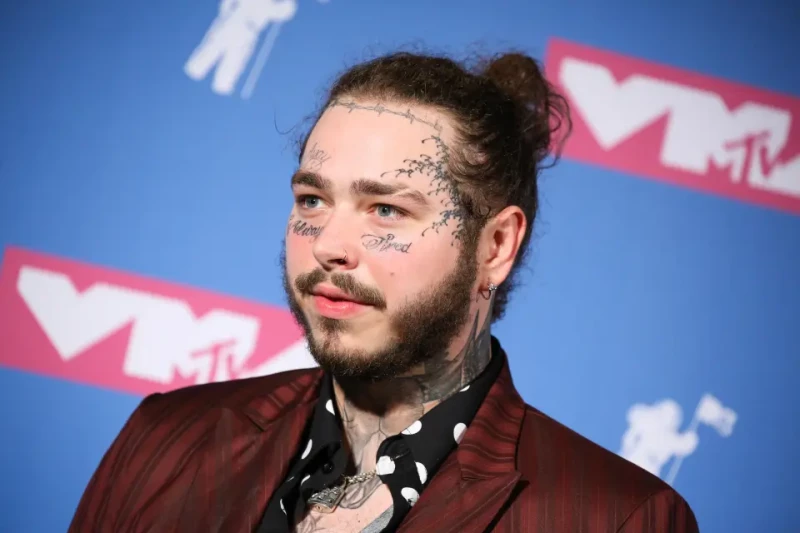
Austin didn't grow up rich. He started out in Syracuse, New York, before his family moved to Grapevine, Texas. At 16, he was already hooked on making music, spending hours creating beats on FL Studio in his bedroom. His first income from music was pretty much nothing – just small gigs at local venues around the Dallas-Fort Worth area and whatever he could scrape together from selling beats online.
Before becoming famous, Post Malone tried going to Tarrant County College, but he dropped out pretty quickly. Music was all he cared about. In 2015, when he was just 19, he packed up and moved to Los Angeles with his producer buddy Rex Kudo. They lived in a cramped house in the San Fernando Valley with a bunch of other struggling musicians. Money was tight – he was basically broke, living off whatever small performances he could book and eating ramen most nights.
The Breakthrough: When Post Malone Net Worth Started Taking Off
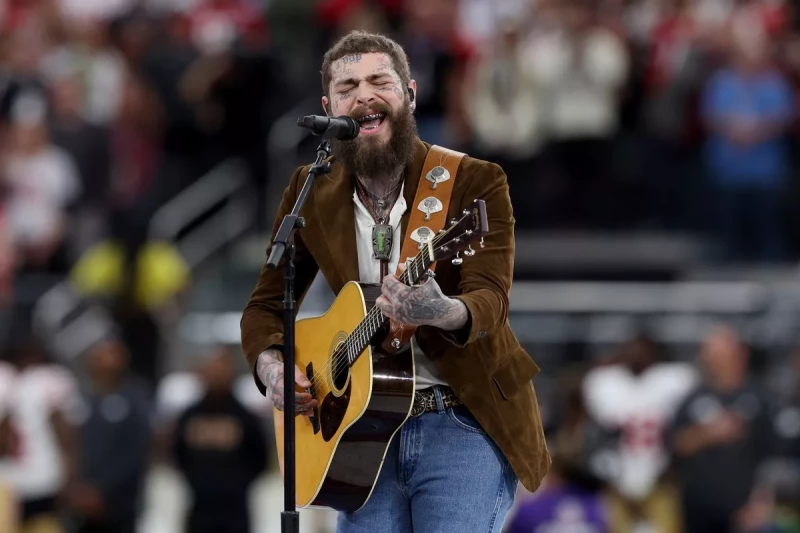
February 2015 changed everything. Post Malone uploaded a track called "White Iverson" to SoundCloud, and it absolutely exploded. Within a month, it hit a million plays. By August, the song was sitting at number 14 on the Billboard Hot 100. Suddenly, every major record label wanted a piece of him. Republic Records signed him to a deal worth several hundred thousand dollars – his first taste of real money.
When his debut album "Stoney" dropped in December 2016, it went triple platinum. Songs like "Congratulations" and "I Fall Apart" were everywhere. At this point, Post was pulling in around $3 to $5 million a year just from Spotify streams alone. His concert fees jumped from maybe a few thousand bucks per show to over $100,000. Life had completely changed in just two years.
Peak Years: When Post Malone Net Worth Hit the Stratosphere
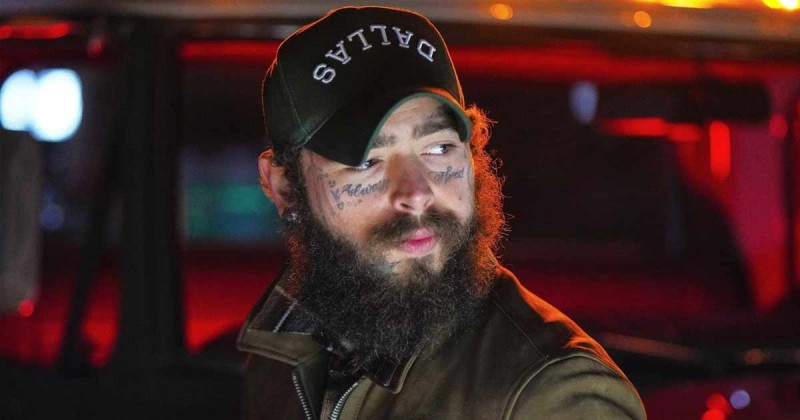
Between 2018 and 2019, Post Malone was absolutely unstoppable. His second album "beerbongs & bentleys" broke streaming records left and right and debuted at number one. "Rockstar" with 21 Savage and "Psycho" with Ty Dolla Sign were massive hits. During this crazy period, he was making somewhere between $500,000 to $1 million per show. In 2019 alone, his total earnings hit an estimated $60 million.
His third album "Hollywood's Bleeding" came out in 2019 and was just as huge. He was collaborating with everyone from Ozzy Osbourne to Travis Scott and Young Thug. "Circles" became one of his longest-running chart hits. By 2020, Forbes had him listed as one of the highest-paid musicians in the world, pulling in around $60 million annually before taxes. His Runaway Tour from 2019 to 2020 alone brought in over $150 million in ticket sales.
Where Post Malone Net Worth Stands Today
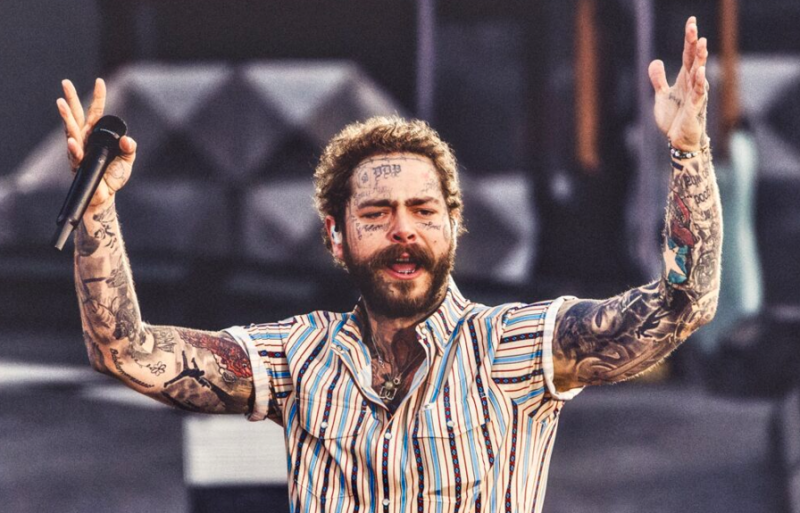
Right now, Post Malone's net worth sits at around $50 million, though some estimates put it even higher when you factor in all his different money streams. He's not just relying on music anymore. In 2020, he launched Maison No. 9, a French rosé wine that's actually doing really well. He's also got endorsement deals with big brands like Doritos, Bud Light, and Arnette sunglasses that bring in millions each year.
These days, Post can charge anywhere from $1 to $2 million just for showing up at a festival. His streaming numbers are still insane – billions of plays across all platforms, which means he's constantly making money from royalties. He's also been smart with real estate, buying a $3 million mansion in Northern Utah back in 2018. The guy's clearly learned how to make his money work for him.
How Post Malone Made It: His Success Principles
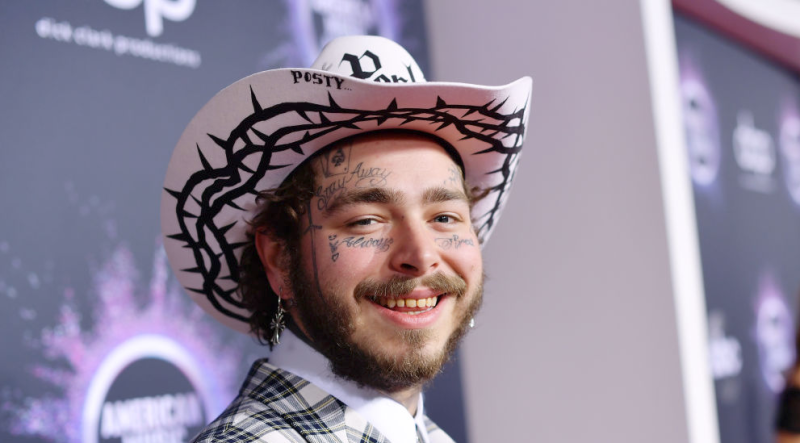
Post Malone has always been pretty open about what helped him succeed, and it's not your typical celebrity advice. First off, he's all about being authentic. He doesn't chase trends or try to fit into some box. "I just make music that I like," he's said multiple times. He mixes hip-hop, rock, and pop however he wants, and people love him for it because it feels real.
Second, he's a huge believer in grinding it out while staying patient. He spent years working on his craft before "White Iverson" blew up, and even after hitting it big, he didn't get lazy. He's famous for spending months in the studio tweaking every detail until it's perfect. Third, he's never been afraid to take risks. Working with rock legends, country artists, and experimental producers – he does whatever feels right creatively, even if it seems risky.
The last thing he really emphasizes is staying humble. He still hangs out with his childhood friends and hasn't let fame go to his head. "Money and success don't change who you are inside," he's said. "If you were a good person before, stay that way. If you were working hard before, keep working harder." That mindset has kept him grounded through all the craziness of fame and helped him keep building his empire instead of burning out like so many artists do.
 Saad Ullah