Sergey Diakov
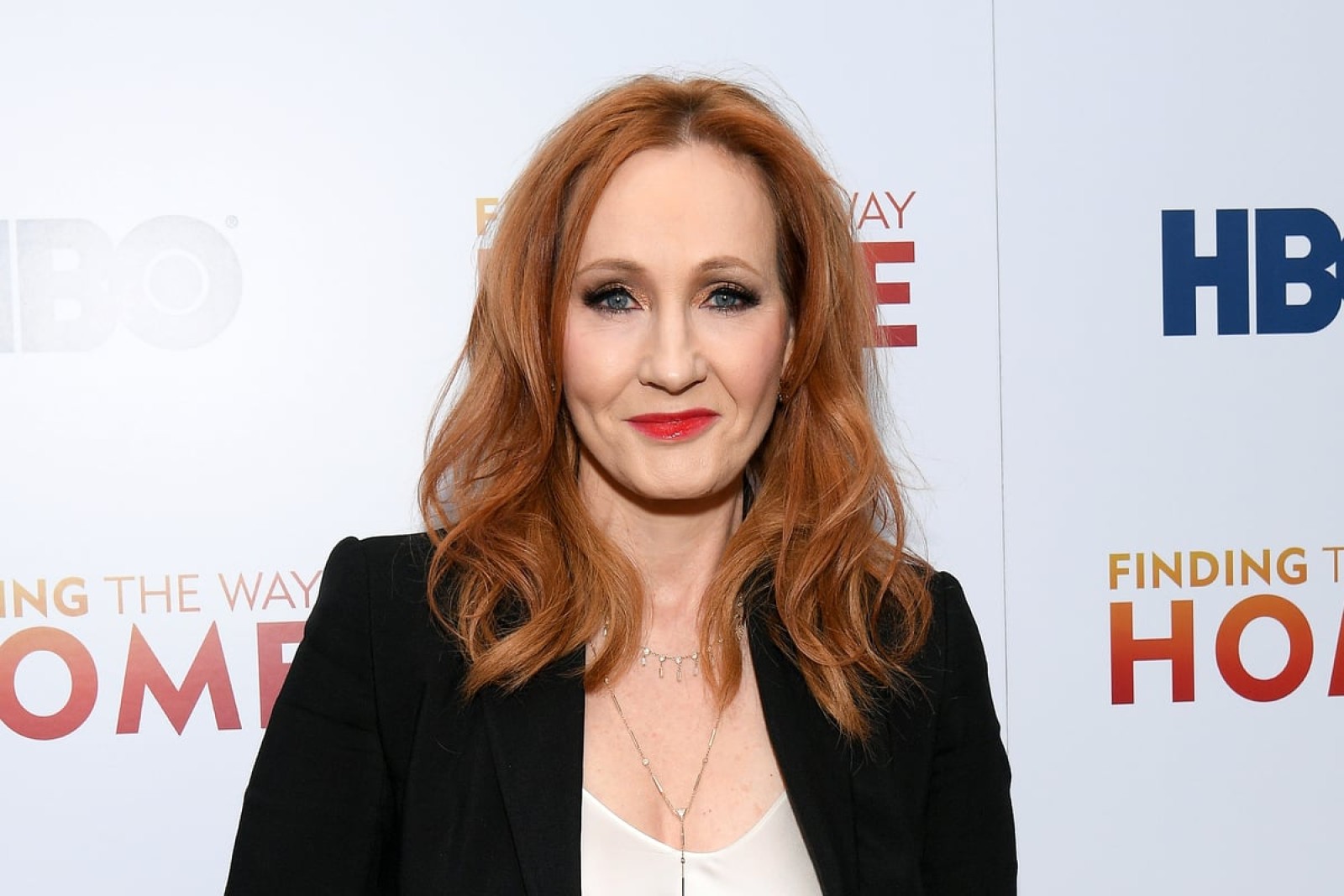
Most people know J.K. Rowling as the genius behind Harry Potter, but her path to becoming a billionaire wasn't some fairy tale. She scraped by on welfare checks, wrote in cafés because she couldn't afford to heat her apartment, and got rejected by publisher after publisher. Today, decades after that first book hit shelves, her financial success proves that sometimes the best stories come from the hardest struggles.
J.K. Rowling's First Jobs and Early Money Problems
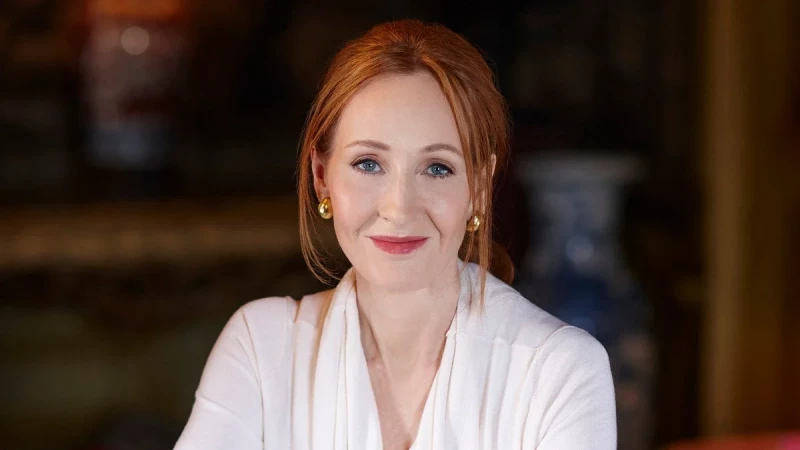
Before Harry Potter existed anywhere except in her imagination, Joanne Rowling was just trying to pay rent like everyone else. Her first real paycheck came from working at Amnesty International in London during the late 1980s, where she did research and secretary work. The money was decent enough for a young person in the city, but the job didn't exactly set her soul on fire. Looking for something different, she packed up and moved to Portugal to teach English, which gave her a steady income and plenty of time to let her mind wander into fictional worlds.
Everything fell apart when she came back to Britain in the early 1990s. Newly divorced with a baby daughter, Rowling was completely broke. She lived on about £70 a week from government assistance in Edinburgh, which barely covered food and diapers. She picked up a teaching job at a local school, instructing kids in French, but the salary was tiny. Most of her "writing office" was actually a café table where she'd camp out with her daughter sleeping in a stroller, nursing one coffee for hours while she scribbled away at this story about a boy wizard. Those were brutal years financially, the kind where you're counting coins to buy groceries.
The Climb to Success: When J.K. Rowling Finally Made It
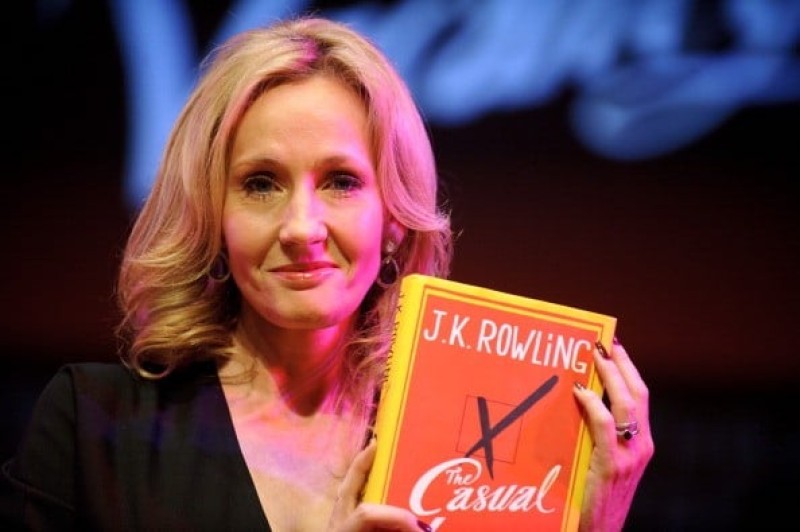
Everything changed in 1997 when a small London publisher called Bloomsbury finally said yes to her manuscript. They gave her £1,500 upfront, which sounds pathetic now but felt like winning the lottery to someone who'd been living on welfare. The real shock came when an American publisher, Scholastic, bought the US rights for $105,000 at an auction. Suddenly Rowling had more money than she'd seen in her entire life. By late 1998, royalty checks started rolling in regularly, and she could finally quit teaching to write full-time.
Her career absolutely exploded between 2000 and 2011. Each new Harry Potter book broke sales records, and the movies turned the whole thing into a cultural phenomenon. During those peak years, particularly around 2008 to 2010, she was pulling in somewhere between $300 million and $400 million annually. Think about that for a second - more money in one year than most people see in multiple lifetimes. When the final book dropped in 2007, it sold 11 million copies in its first day in the US and UK combined. The money came from everywhere: book sales obviously, but also movie deals, merchandise, video games, and eventually theme parks.
What J.K. Rowling Net Worth Looks Like Now
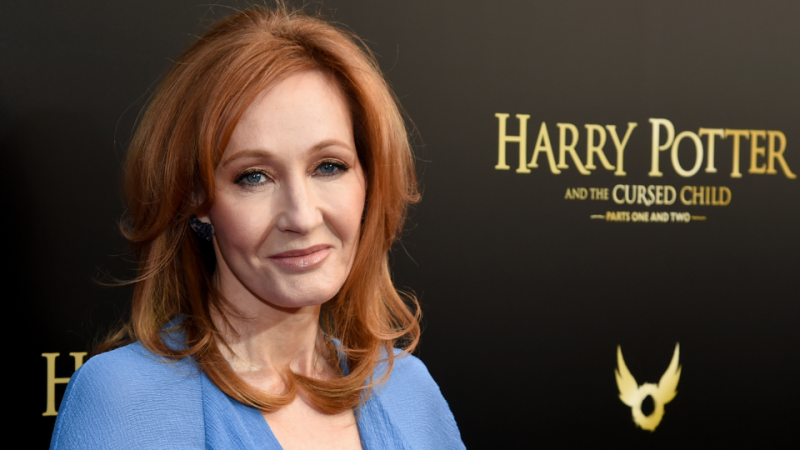
These days, jk rowling net worth sits at approximately $1 billion, though it could've been way higher if she hadn't donated massive amounts to charity over the years. She's literally given away enough money to drop herself off the billionaire list at one point, then earned it back. The Harry Potter machine keeps printing money even though the main series wrapped up years ago. The Wizarding World theme parks at Universal Studios bring in crazy revenue, streaming platforms pay big bucks for the movies, and "Harry Potter and the Cursed Child" keeps selling out theaters.
Financial experts estimate she's still making somewhere between $50 million and $100 million every year just from Harry Potter-related income, without even writing new books in the series. She's also published other stuff under her own name and a pen name, Robert Galbraith, for crime novels, but those earnings are pocket change compared to the Potter goldmine. Despite some public controversies in recent years, the franchise hasn't taken any real financial hit. Parents still buy the books for their kids, tourists still flock to the theme parks, and jk rowling net worth stays rock solid. She's held onto creative control over her creation, which has been key to keeping the money flowing decades later.
How J.K. Rowling Says You Can Make It Big
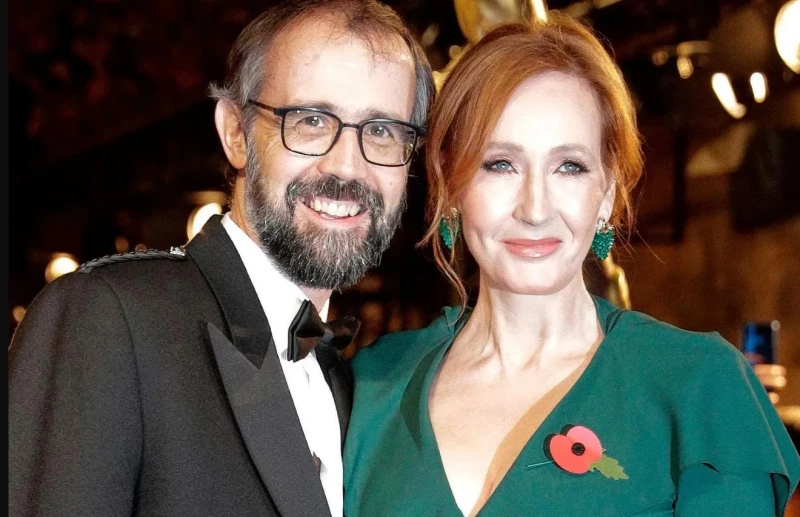
Rowling's been pretty open about what she thinks made the difference between staying broke and becoming successful. Her biggest thing is that failing miserably actually helped her succeed. She's talked about how hitting rock bottom - being divorced, broke, and on welfare - forced her to focus on the one thing she knew she was good at. All the extra stuff fell away and she could just write. She's said that period was like building on bedrock because she had nothing left to lose.
She's also huge on not giving up when people tell you no. Twelve different publishers rejected Harry Potter before Bloomsbury took a chance, and she's mentioned that each rejection just made her more determined. In her mind, if you really believe in what you're doing, other people's doubt shouldn't matter. She stopped pretending she could be anything other than a writer and just went all-in on finishing that first book, even when it seemed pointless.
Another thing Rowling talks about is using your worst experiences as material instead of letting them destroy you. She's been honest about struggling with depression, and she actually turned that into the Dementors in her books - those creepy soul-sucking creatures came directly from her own dark periods. Instead of hiding from the hard stuff, she found a way to make it useful. She also believes you can't compromise on quality just because someone waves money at you, and that keeping control over your work matters in the long run. Her story - welfare to billionaire - basically proves that talent plus stubbornness plus refusing to quit can overcome almost anything. Not everyone's going to create the next Harry Potter, but her principles about persistence and believing in yourself work for pretty much any goal.
 Sergey Diakov