Usman Salis
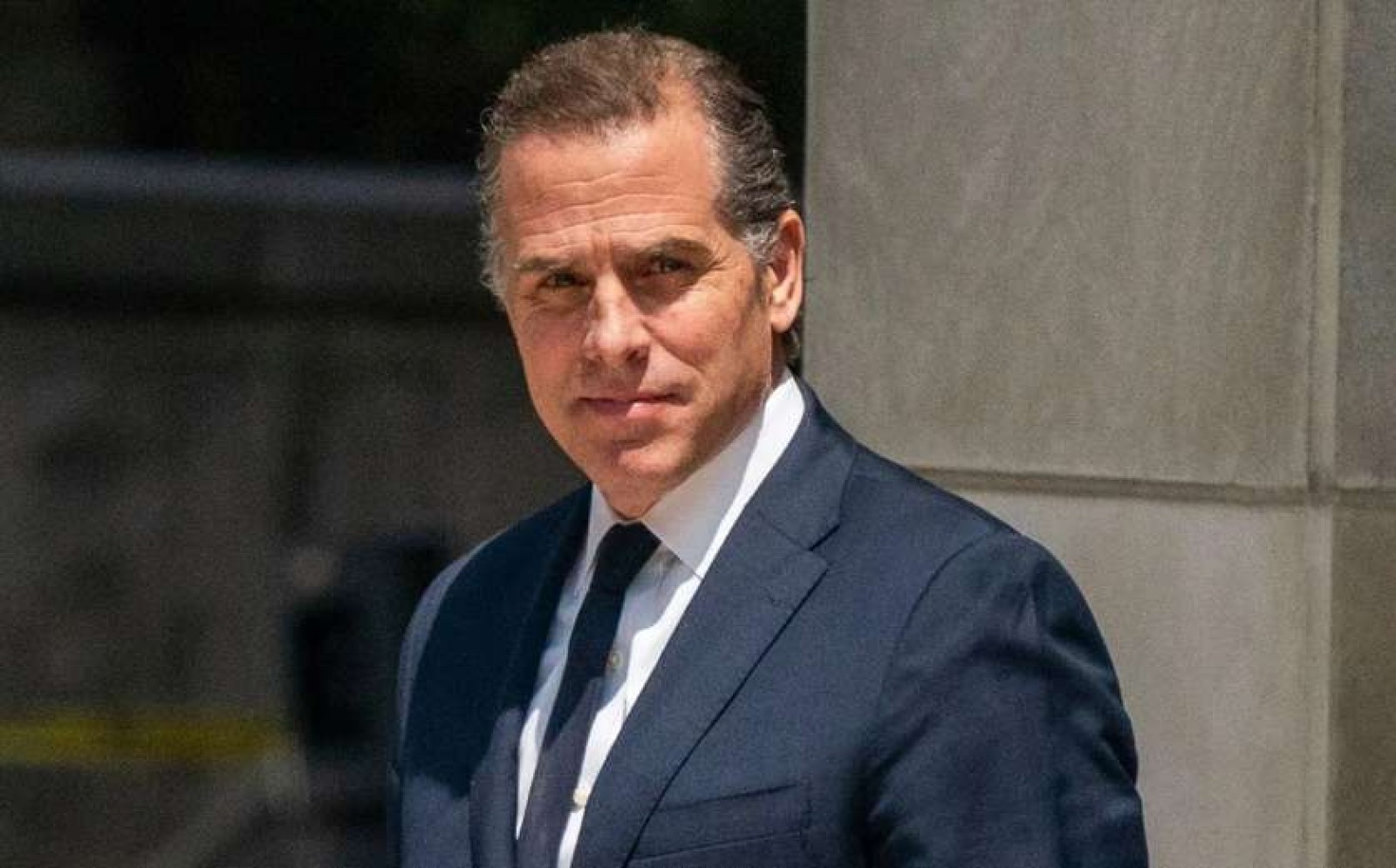
Hunter Biden's financial journey tells a complicated story of privilege, opportunity, and controversy. As the son of a longtime senator who became vice president and then president, his career path has been anything but ordinary. From corporate jobs and lobbying work to international business deals and an unexpected turn as an artist, Biden's income sources have varied dramatically over the years. His net worth has become a hot topic in American politics, with questions swirling around how much he's really worth and where exactly his money came from.
Hunter Biden Net Worth: Early Career and First Earnings
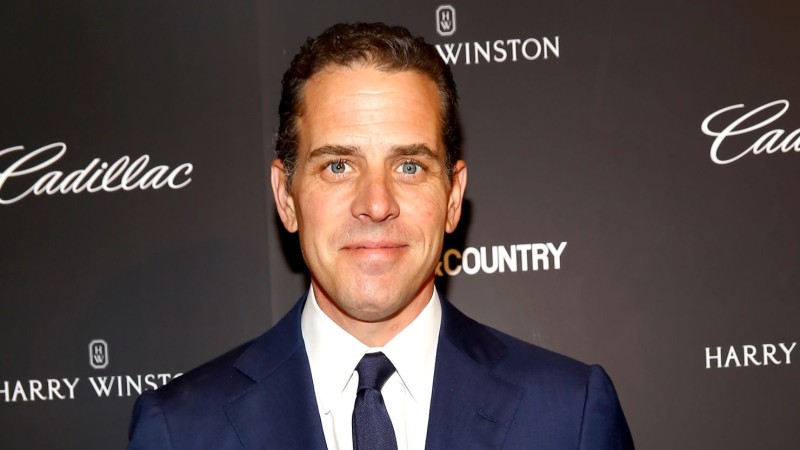
Right after graduating from Yale Law School in 1996, Hunter Biden landed his first real job at MBNA America, one of the biggest credit card companies at the time. He started as a management trainee and was pulling in around $100,000 a year by the late 1990s—pretty solid money for a fresh law school grad. This corporate gig gave him a taste of the business world and helped him start building his professional reputation. After his stint at MBNA, he shifted gears and took a position at the U.S. Department of Commerce while his dad was climbing the political ladder. These early years laid the groundwork for what would become a much more lucrative and complicated career path.
Career Development and Hunter Biden Net Worth Growth
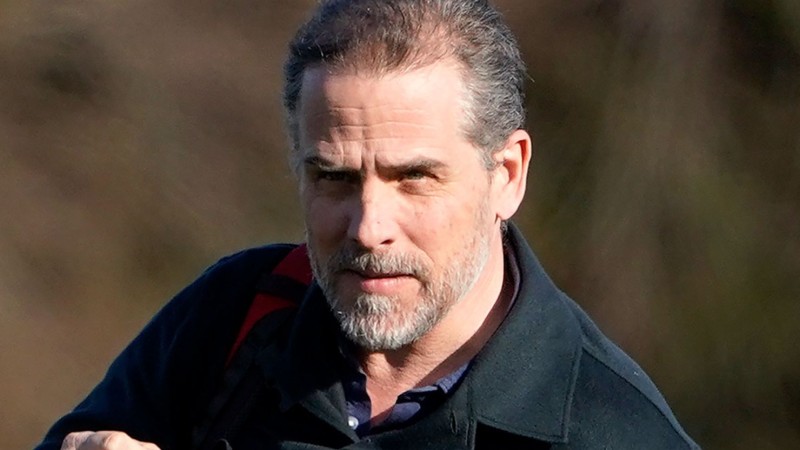
Things really started picking up financially when Biden jumped into lobbying and legal consulting. He helped launch the lobbying firm Oldaker, Biden & Belair, and suddenly his income shot up considerably. Throughout the 2000s, he was making somewhere between $200,000 and $400,000 annually just from his lobbying activities. But the real money came in 2014 when he scored a board seat at Burisma Holdings, a Ukrainian natural gas company. That position paid him about $50,000 every single month—basically $600,000 a year for what appeared to be relatively light work. He held that board position until 2019, and while it became a massive political lightning rod, there's no question it seriously boosted his bank account during those years.
Peak Earnings and Business Ventures
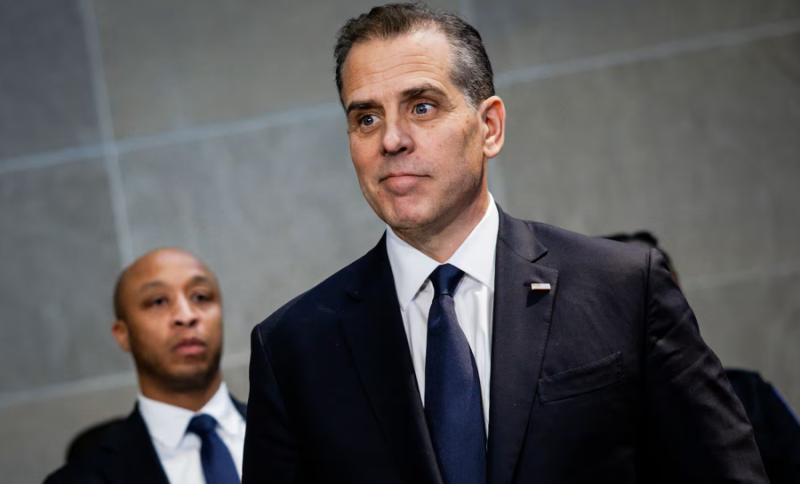
Hunter Biden hit his financial sweet spot by mixing together several income streams at once. On top of his Burisma money, he got involved in various business deals in China and other countries, though the exact numbers from those ventures aren't super clear. Then he surprised everyone by becoming an artist, and apparently people were willing to pay serious cash for his paintings. Starting around 2020, his artwork was reportedly selling for anywhere between $75,000 and $500,000 per piece at gallery shows. When you add it all up—the board positions, consulting fees, business investments, and art sales—Biden was probably pulling in well over a million dollars a year during his peak period between 2014 and 2019.
Current Financial Status and Hunter Biden Net Worth Estimates
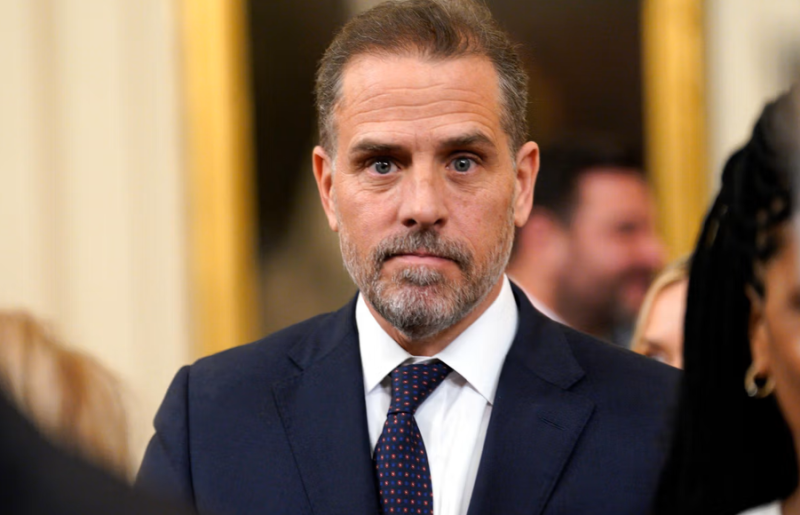
These days, most estimates put Hunter Biden net worth somewhere between $1 million and $5 million, though pinning down the exact number is tricky because he keeps his finances pretty private and he's dealing with ongoing legal issues. Right now, his main income seems to come from selling his artwork, plus whatever he's still earning from past investments. The problem is that his legal troubles have been expensive—defending yourself in federal tax investigations doesn't come cheap. He's still managing to sell paintings for decent money in the art world, so he's not exactly struggling. Based on what little financial information is public, he seems to be living comfortably, though definitely not as flush with cash as he was during those Burisma years.
Hunter Biden's Approach to Success and Key Principles
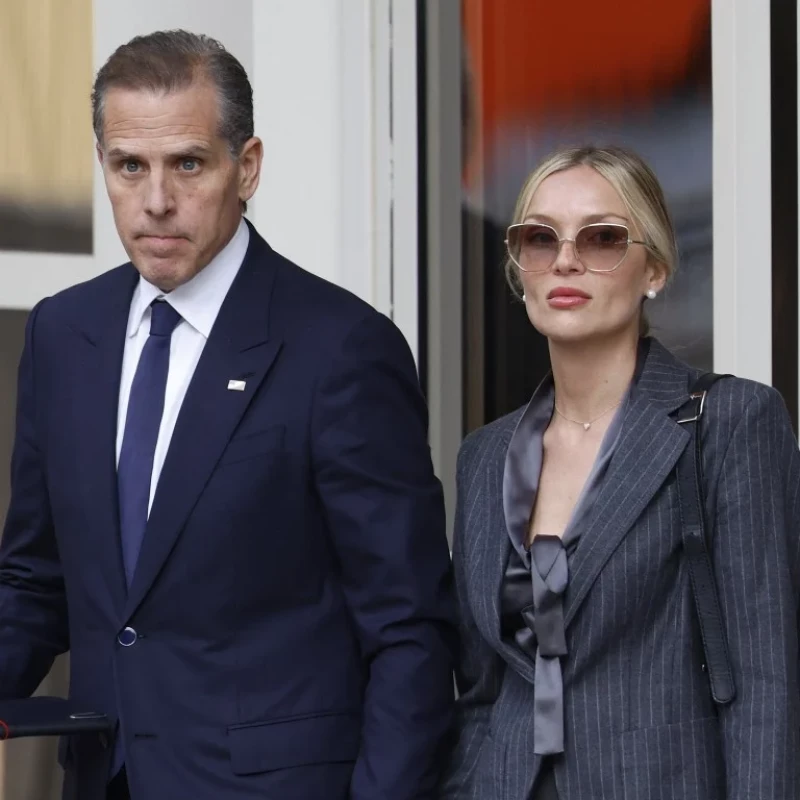
Hunter Biden hasn't exactly written a how-to guide on making it big, but you can piece together his philosophy from interviews and his life choices. He's always emphasized getting top-tier education—he went to Georgetown and then Yale Law, and he believes those credentials opened crucial doors for him. He's been pretty upfront about how family connections helped his career, even though that's become his biggest source of criticism. After going through recovery from addiction, he's talked a lot about resilience and the importance of second chances, suggesting that bouncing back from personal disasters is part of any real success story. His switch to making art shows he's willing to completely reinvent himself when needed, regardless of what critics say. Through various interviews, he's stressed that you've got to keep pushing forward even when people are tearing you apart, and that finding legitimate ways to earn a living matters even when your past decisions are constantly being questioned. His whole approach seems to be about adapting and pivoting—when one path gets too hot or problematic, find another way to make money and stay relevant.
 Usman Salis