
 Sergey Diakov
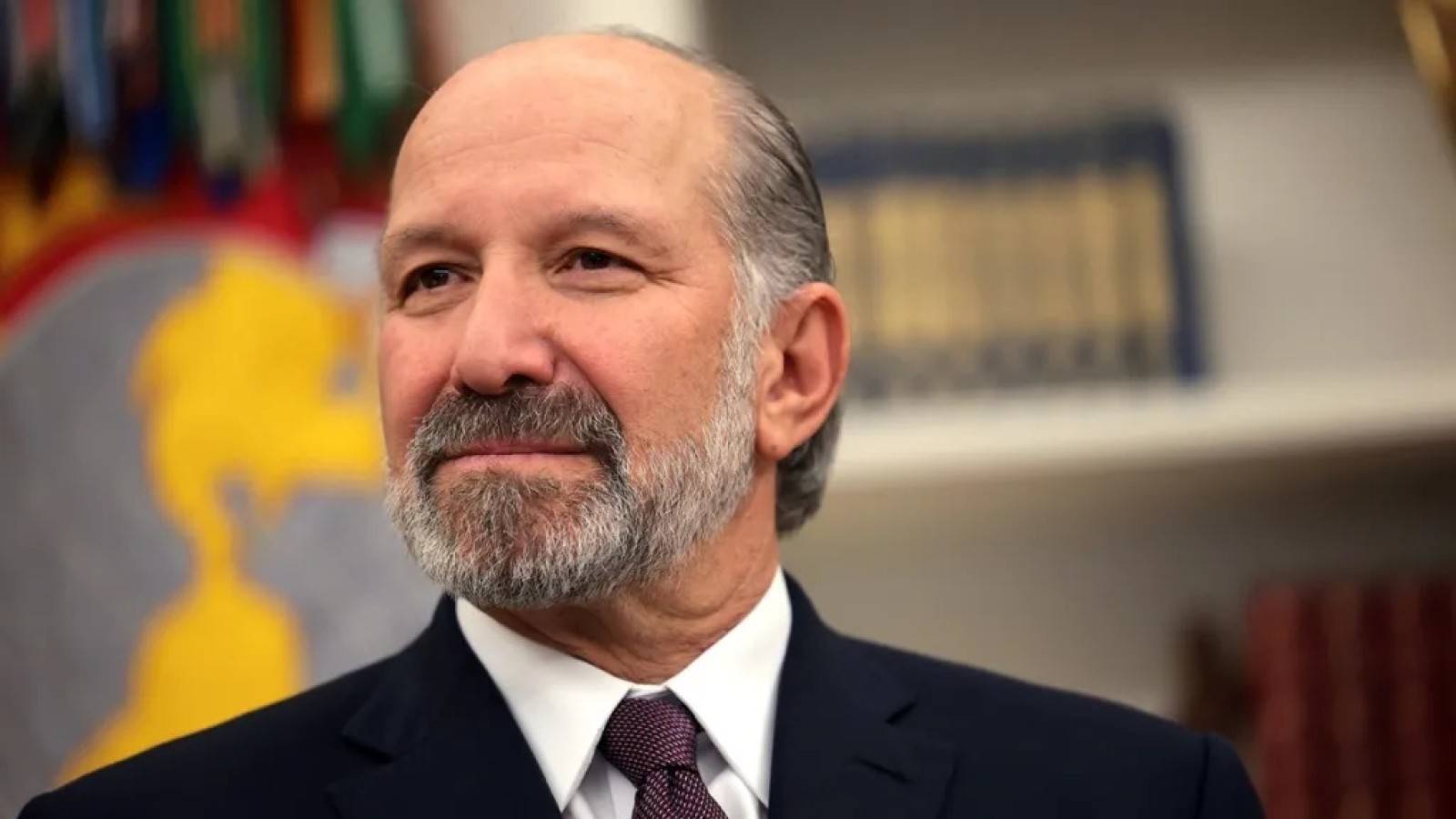
You've probably heard plenty of rags-to-riches Wall Street stories, but Howard Lutnick's journey hits different. This guy went from trading stocks in his college dorm to running one of the most powerful financial firms in America. What makes his story really stand out isn't just the money he made—it's how he kept going after losing almost everything on 9/11 and still managed to build a billion-dollar empire. Today, as he steps into a potential role as Commerce Secretary, people are asking: just how much is Howard Lutnick actually worth?
How Howard Lutnick Made His First Dollar
Back in the early 1980s, while most college kids at Haverford College were stressing about midterms and parties, Lutnick was glued to stock charts. He wasn't born into money—actually, the opposite. Both his parents died from cancer while he was in school, which meant he had to figure out how to support himself pretty much overnight. That kind of pressure either breaks you or makes you hungry, and for Lutnick, it made him hungry.
He started messing around with stock trading, testing theories and learning how markets actually work. The money he made back then wasn't life-changing—we're not talking millions or anything—but it was enough to prove he had a real knack for this stuff. More than that, it gave him the confidence that he could actually compete in one of the toughest industries out there.
Landing at Cantor Fitzgerald: The First Real Job
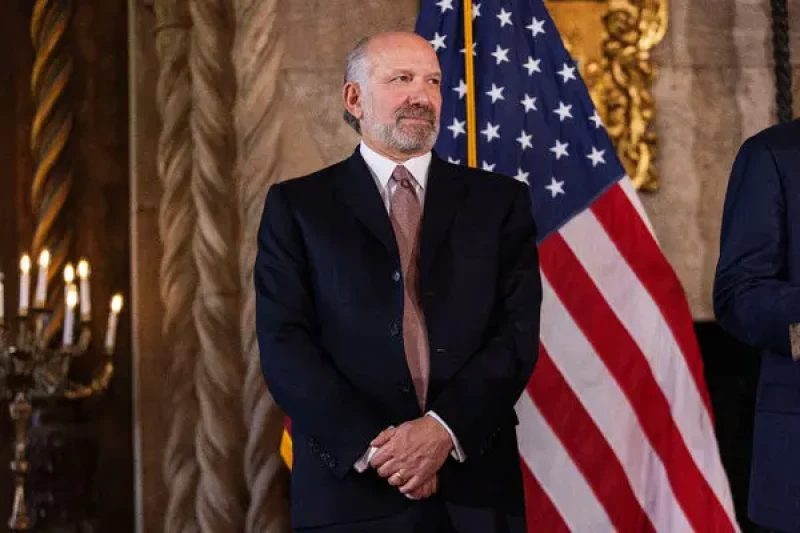
Fresh out of college in 1983, Lutnick walked into Cantor Fitzgerald and started from the bottom as a trader. The firm was carving out a serious niche in Treasury bonds and fixed-income securities—not the sexiest part of finance, but definitely where serious money was being made. This wasn't some cushy entry-level gig either. You had to know your numbers cold and be able to think fast under pressure.
His starting salary was probably somewhere between $50,000 and $100,000 a year, which was decent money for a young guy in the mid-80s. But Lutnick wasn't looking to just cash paychecks. He worked like crazy, stayed longer than everyone else, and figured out how to build relationships that actually mattered. The firm's founder, Bernard Cantor, noticed pretty quickly that this kid was different—sharper, hungrier, and willing to do whatever it took to win.
Climbing the Ladder: When the Money Started Rolling In
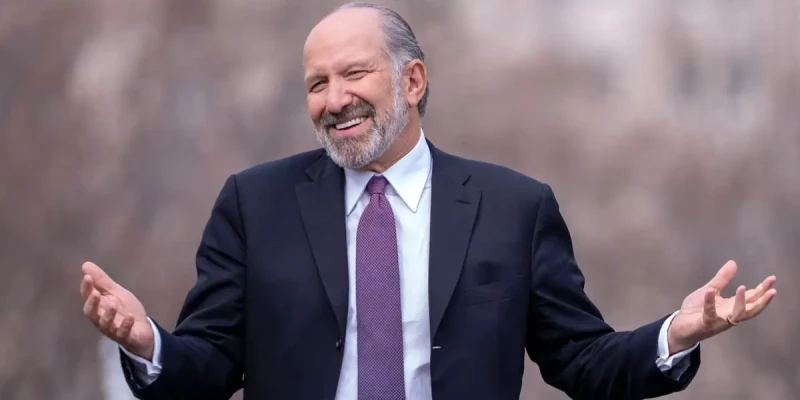
Here's where things get wild. By 1991, when Lutnick was just 29 years old, they made him president and CEO of the entire firm. Twenty-nine! On Wall Street, where most people are still trying to prove themselves at that age, Lutnick was running the show. By his early thirties, he was already pulling in millions every year from salary, bonuses, and his growing ownership stake in the company.
The 1990s were basically a gold rush for him. Cantor Fitzgerald dominated the Treasury bond market—we're talking a huge chunk of all U.S. government bond trades going through their desks. As the guy at the top, Lutnick was raking it in. By the late 90s, his annual take was probably in the tens of millions, and his equity stake was becoming worth more every single year. This wasn't just success—this was the kind of wealth that puts you in a completely different category.
The Peak and What Howard Lutnick Net Worth Looks Like Now
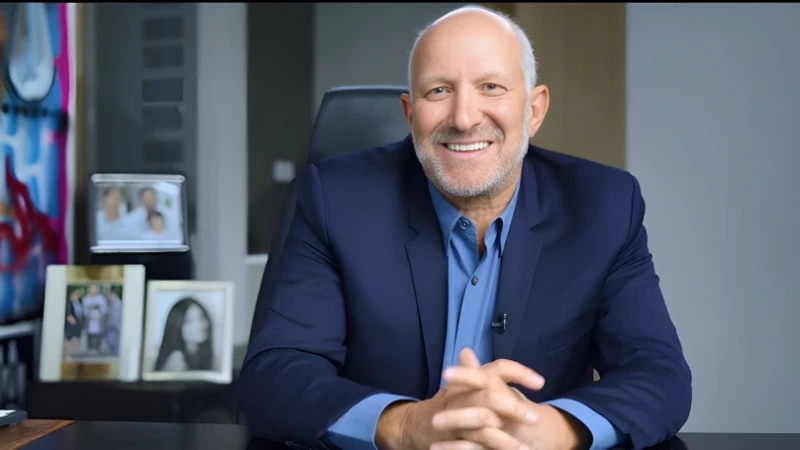
When people talk about Howard Lutnick net worth today, they can't ignore what happened on September 11, 2001. Cantor Fitzgerald lost 658 employees that day, including Lutnick's own brother. Most people thought the firm was done. But Lutnick rebuilt it, which honestly might be his greatest achievement—not just from a business standpoint, but from a human one.
Fast forward to now, and Howard Lutnick net worth sits at around $1.5 billion. That money doesn't just come from Cantor Fitzgerald anymore. He's built out an entire business empire that includes BGC Partners and Newmark Group, plus all kinds of other investments. His annual compensation these days? Anywhere from $20 million to $40 million, depending on how his companies perform.
His nomination for Commerce Secretary under Donald Trump has put a spotlight back on his finances. If he takes the job, he'll have to sell off some holdings, but let's be real—the guy's connections and business sense are what really matter in Washington.
What He's Making Right Now
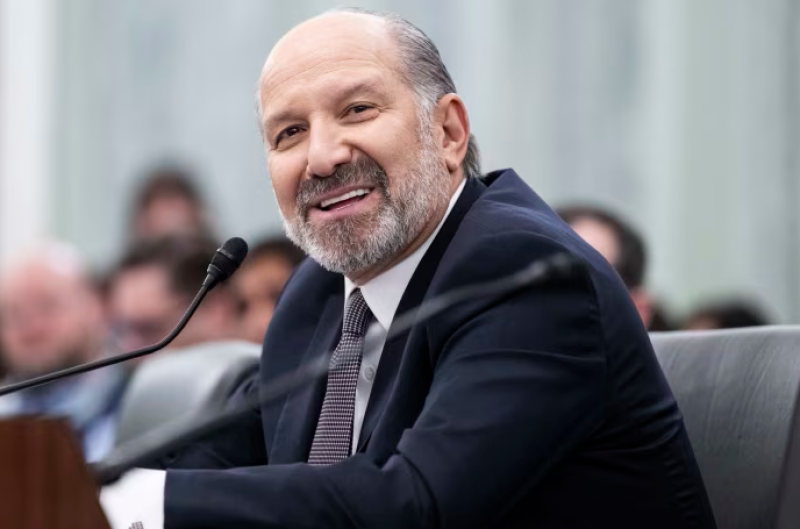
Currently, Lutnick's income streams are pretty diverse. As Cantor Fitzgerald's CEO, he gets a base salary plus bonuses and dividends from his ownership. BGC Partners brings in money from electronic trading, and Newmark Group pulls in serious cash from commercial real estate services. It all adds up.
People who know the industry estimate he's making somewhere between $30 million and $50 million a year right now, though it fluctuates with market conditions. His real estate portfolio alone—Manhattan properties, spots in the Hamptons—is worth hundreds of millions. And he's been smart about getting into tech and crypto early, which shows he's still got that same instinct for spotting the next big thing.
Howard Lutnick's Blueprint for Success

Over the years, Lutnick has been pretty open about what he thinks it takes to actually make it big. His advice isn't complicated, but man, it's not easy to follow either.
- Resilience is everything. After 9/11, when everyone thought Cantor Fitzgerald was finished, Lutnick proved that refusing to quit can literally save a company. He says setbacks are going to happen no matter what—it's how you handle them that separates winners from everyone else.
- Relationships matter more than you think. Wall Street runs on trust and connections, not just algorithms and spreadsheets. Lutnick built his empire by making sure clients knew they could count on his word. Once your reputation's shot, he says, you're basically done.
- Take smart risks. Throughout his career, Lutnick made moves other people thought were crazy—jumping into electronic trading early, expanding into real estate, betting on crypto before it was cool. Playing it safe keeps what you have, but it rarely makes you rich.
- Outwork everybody. Lutnick's known for brutal work hours and expecting the same from everyone around him. In his mind, talent's nice to have, but nothing beats just flat-out working harder than your competition. That's the real secret behind everything he's built.
 Sergey Diakov



