Peter Smith
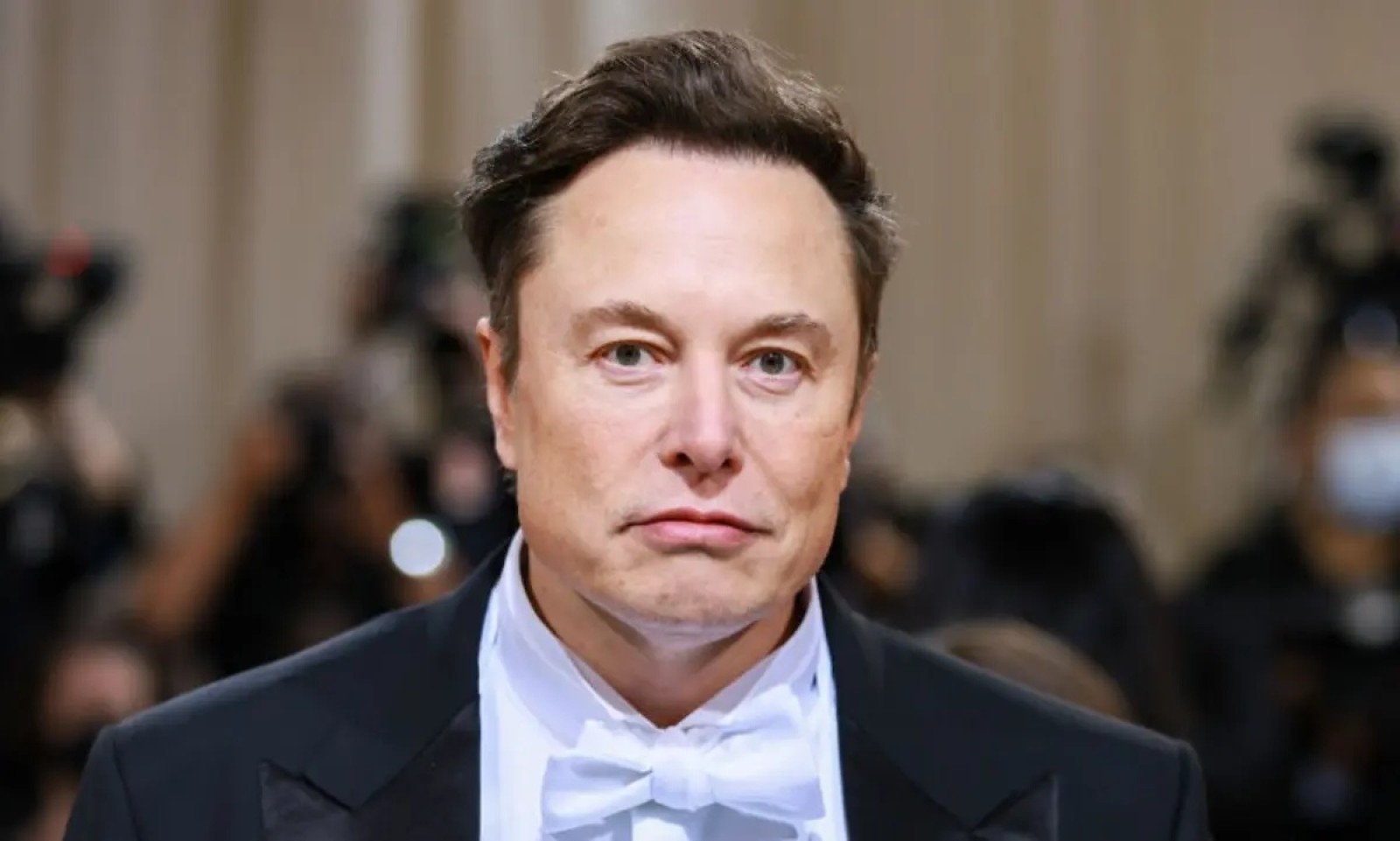
When you look at Elon Musk today, it's hard to imagine him scrubbing boilers or living in an office because he couldn't afford rent. But that's exactly how the CEO of X got his start. His path to massive wealth wasn't a straight line up—it was messy, risky, and full of moments where everything could have fallen apart. From his first $500 as a teenager to buying Twitter for $44 billion, Musk's journey is all about betting everything when others would walk away.
Early Money and First Jobs: Where It All Started for the CEO of X
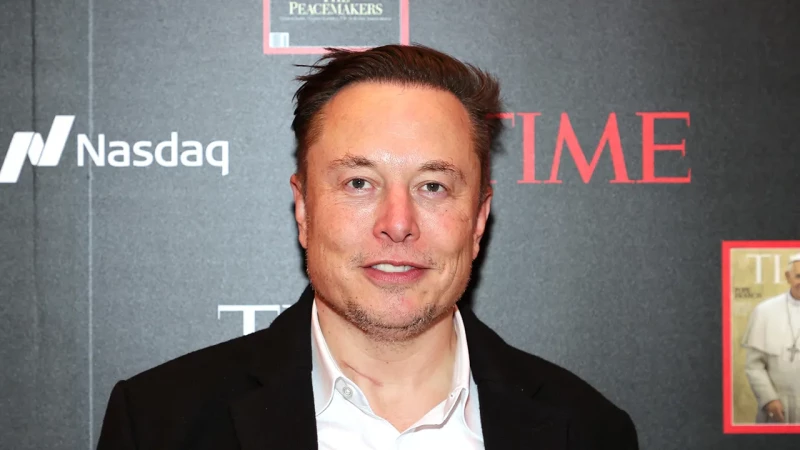
Musk made his first real money at 12 years old. He taught himself programming and created a simple video game called Blastar, then sold the code to a computer magazine for around $500. That might not sound like much, but for a kid in Pretoria, South Africa, it proved something important—you could make money from ideas, not just labor.
After high school, Musk left South Africa to avoid mandatory military service and eventually landed in Canada. He wasn't some trust fund kid living off family money. He worked at a lumber mill cutting logs, cleaned out grimy boiler rooms, and took any job he could find to pay bills while studying at Queen's University. Later, he transferred to the University of Pennsylvania, where he graduated with degrees in physics and economics. The plan was to get a PhD at Stanford, but Musk quit after two days. The internet was exploding in 1995, and he didn't want to miss it.
That's when he started Zip2 with his brother Kimbal. They built software that helped newspapers put business directories and maps online. The brothers couldn't afford an apartment, so they slept in the office and showered at the YMCA. Musk worked around the clock writing code and meeting with clients. It wasn't glamorous, but it was the real beginning.
Building Wealth: How Musk Started Making Serious Money
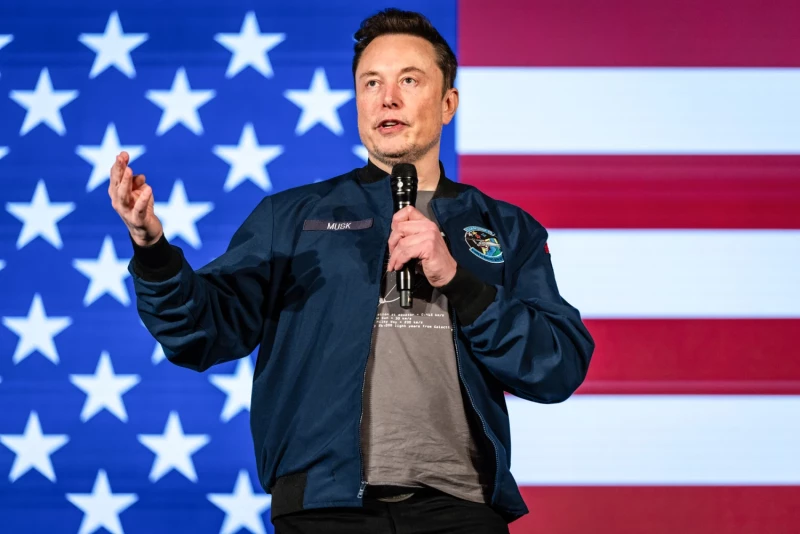
Everything changed in 1999 when Compaq bought Zip2 for $307 million. Musk was 27 and suddenly had $22 million in the bank. Most people would take a breath and enjoy the win, but Musk immediately dumped $10 million into his next company, X.com. This was an online bank at a time when people barely trusted buying books online, let alone putting their money in a digital bank. His partners thought he was crazy to risk it all again so quickly.
X.com merged with another startup called Confinity, which had created a payment system called PayPal. The combined company kept the PayPal name and became the way millions of people sent money online. When eBay bought PayPal in 2002 for $1.5 billion, Musk walked away with $165 million. He was 31 years old and had more money than he could spend in a lifetime.
But here's the thing—Musk didn't think like someone who had made it. He thought like someone who had just unlocked the ability to take even bigger swings. During these years, he wasn't pulling down huge salaries. His wealth came from owning pieces of companies that exploded in value. That pattern would define everything that came next.
Reaching the Peak: Building a Billion-Dollar Empire
After selling PayPal, Musk could have retired to a beach somewhere. Instead, he started two companies that most experts thought would fail. In 2002, he put $100 million into SpaceX, a rocket company trying to compete with entire governments. In 2004, he invested heavily in Tesla Motors, an electric car startup that was burning through cash and had never made a profit. By 2008, both companies were nearly bankrupt, and Musk was divorcing his first wife. He had to choose which company would get his last bit of money. He split it between them, refusing to let either one die.
The gamble paid off bigger than anyone imagined. Tesla went public in 2010, and by 2020, its stock price went absolutely insane. Musk became the richest person in the world, worth over $200 billion at times. His compensation at Tesla was wild—no salary at all, just massive stock grants that only paid out if the company hit impossible-looking targets. When Tesla's market cap hit certain milestones, Musk got billions in stock options. Critics called it excessive, but he argued he only got paid if shareholders got rich too.
In October 2022, Musk did something that shocked everyone. He bought Twitter for $44 billion and renamed it X. He had to sell a chunk of his Tesla shares and take on huge loans to make it happen. The deal was controversial from day one, and plenty of people thought he overpaid. As the CEO of X, Musk immediately cut about 80% of the staff and tried to completely reinvent how the platform worked. Some changes worked, others didn't, and X's value dropped significantly according to some estimates. But Musk wasn't fazed—this was about control and his vision for what social media could become.
Current Wealth and What the CEO of X Makes Today
Right now, Musk's net worth sits somewhere between $200 billion and $250 billion, depending on how Tesla and SpaceX stocks are doing on any given day. He doesn't take a regular paycheck from X, and his Tesla compensation is still all performance-based stock options. His wealth isn't cash sitting in a bank—it's ownership stakes in his companies. He owns about 13% of Tesla, roughly 42% of SpaceX, and all of X.
X itself has been a financial rollercoaster under Musk's ownership. Advertising revenue dropped hard because many big brands pulled out, worried about content moderation changes. The company introduced X Premium subscriptions and is working on payment features to turn things around. Nobody knows exactly what X is worth now, but it's definitely less than the $44 billion Musk paid. Still, his overall wealth keeps growing, mainly because SpaceX is now valued at around $180 billion and Tesla remains one of the most valuable car companies in the world.
Key Ideas from Elon Musk on Becoming Successful
Musk talks a lot about how he thinks people should approach success, and his advice is pretty consistent across dozens of interviews. Here's what he hammers home again and again.
- Break everything down to basic physics and rebuild from there. Musk hates when people say "we do it this way because that's how it's always been done." He's constantly asking "what are the fundamental truths here?" and then figuring out solutions from scratch. That's how he decided to build rockets way cheaper than NASA said was possible, and why he pushed electric cars when everyone thought they couldn't work.
- Bet everything when it really matters. In 2008, when both SpaceX and Tesla were dying, Musk split his last money between them instead of saving one and letting the other fail. He's said that if something is important enough, you have to try even if failure seems likely. Most of his biggest wins came from moments where a safer person would have walked away.
- Work harder than everyone else, especially at the start. Musk has pulled 100-hour weeks for years. During production crunches, he's literally slept on factory floors. He thinks this is non-negotiable when you're building something new. You can't out-talent the competition, but you can definitely out-work them.
- Make the product incredible and forget about marketing. Tesla spends almost nothing on advertising. SpaceX doesn't run commercials. Musk believes that if you build something genuinely better, people will talk about it and you won't need to convince them. He'd rather spend money improving the product than buying Super Bowl ads.
- Create feedback loops and actually listen to criticism. Musk constantly asks his engineers and customers what's wrong with his products. He wants the brutal truth so he can fix problems fast. He's not interested in people telling him what he wants to hear—he wants to know where things suck so he can make them better before competitors do.
- Expect to fail a lot before you succeed. SpaceX blew up three rockets before the fourth one finally worked. Musk had almost no money left when that fourth launch succeeded. He talks about failure as just collecting data about what doesn't work. The key is failing fast, learning from it, and trying again before you run out of money or willpower.
 Peter Smith