Alex Dudov
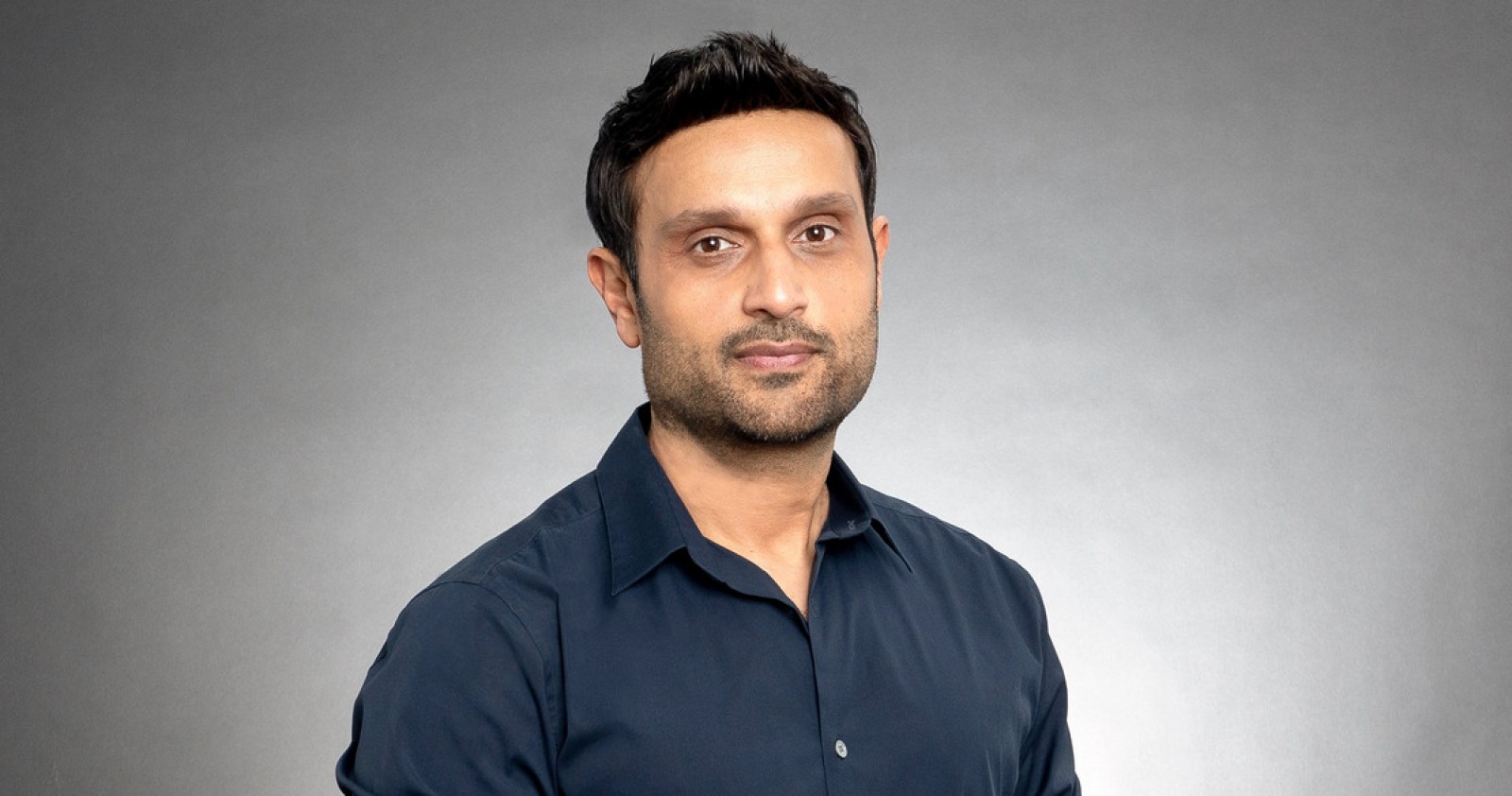
Dylan Jadeja didn't grow up dreaming of running a video game company. He grew up dreaming of building something that actually lasts. And somehow, by combining the precision of a Goldman Sachs banker with the patience of someone who genuinely believes in playing the long game, he ended up as the CEO of Riot Games - one of the most recognized gaming companies on the planet. His story is less "overnight success" and more "decade after decade of doing the right things in the right rooms."
Who Is the CEO of Riot Games?
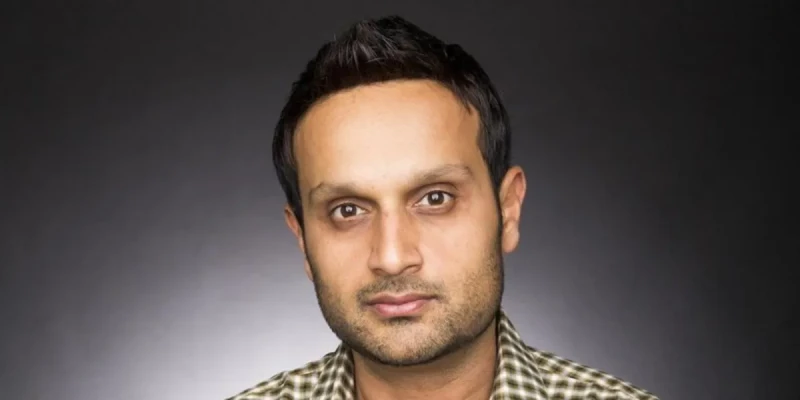
Dylan Jadeja is the current CEO of Riot Games, the company behind League of Legends and Valorant. He officially took the top job in September 2023, succeeding Nicolo Laurent who had been CEO for six years. Jadeja is of Indian descent, born and raised in Ontario, Canada - and before he ever touched the gaming industry, he had already built a serious reputation in finance and management consulting.
He's been part of Riot's executive team for over a decade, which means he didn't just walk in and take over. He earned the seat by being there for the company's biggest moments - the explosive growth years, the difficult decisions, the cultural growing pains, and the strategic pivots that kept Riot relevant long after most gaming companies fade out.
First Steps: Consulting and the Beginning of a Career
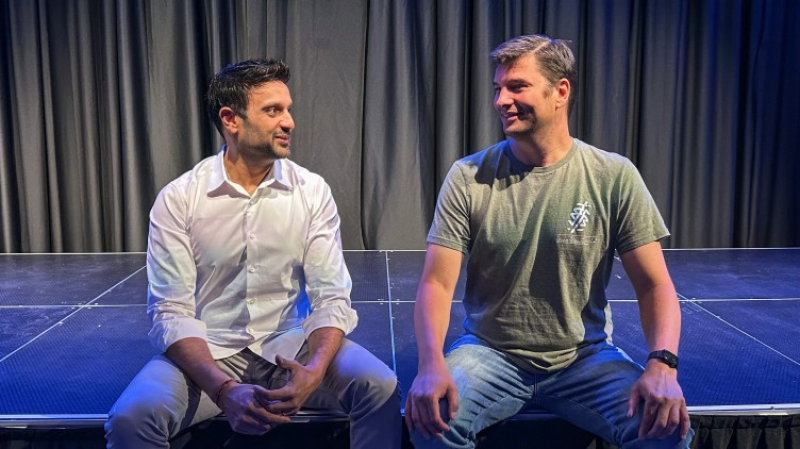
After finishing his Bachelor of Arts in Business at the University of Western Ontario's Richard Ivey School of Business, Jadeja went on to get his MBA from Harvard Business School. That combination opened a lot of doors - and the first one he walked through was at Kearney Management Consulting.
Kearney is the kind of place where you learn to think clearly under pressure. Early-career analysts there typically earn between $90,000 and $130,000 a year, and while the money is solid, the real value is in the training. You spend your days breaking down how companies work, finding where they're losing efficiency, and figuring out how to fix it. For Jadeja, it was the foundation everything else was built on.
Goldman Sachs: Where He Really Made His Name
From consulting, Jadeja moved to Goldman Sachs - and not as a junior associate. He climbed to become co-head of West Coast Consumer Retail Coverage, handling major financial transactions for Fortune 500 companies. At that level, compensation packages typically range from $400,000 to well over $1 million a year when bonuses are factored in.
His most notable deals from that period were Lululemon's IPO in 2007 and the sale of retailer Gymboree in 2010. Both were considered highly successful transactions and put Jadeja squarely on the map as someone who could manage high-stakes deals with precision. This was probably his first real peak - the moment where his skills were being tested at the highest level, and he was passing every test.
But despite all that, he was about to make a move that puzzled more than a few of his colleagues.
Joining Riot Games and Rising Through the Ranks
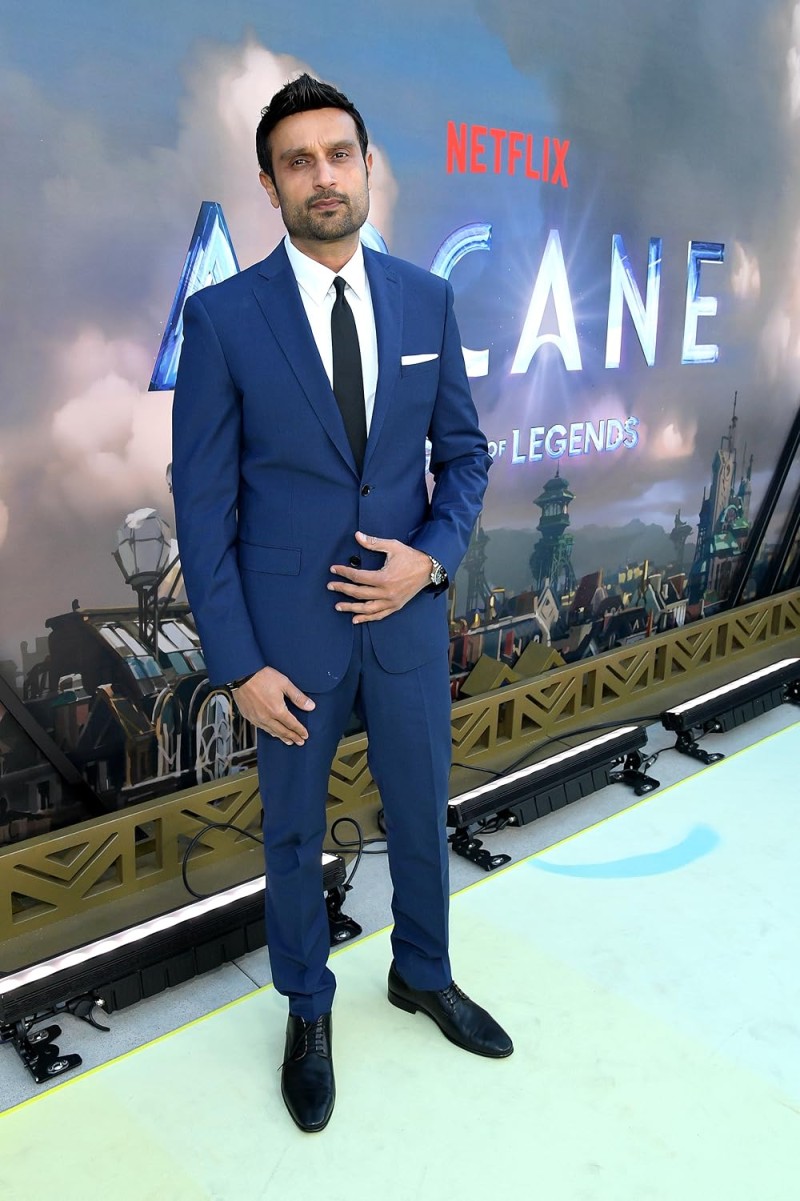
In 2011, Jadeja left Goldman Sachs to join Riot Games as Chief Financial Officer. At the time, League of Legends was just starting to take off, and Riot was still finding its footing as a company. Joining a gaming startup after a career in finance wasn't the obvious next step - but Jadeja saw something in Riot that was worth betting on.
His timing turned out to be just right. By 2014 he had added Chief Operating Officer to his title. In 2015, he played a key role in Riot's equity sale to Tencent Holdings for $231 million - a deal that gave the company the resources it needed for its next phase of growth. When founders Brandon Beck and Marc Merrill stepped back from day-to-day operations in 2017, Jadeja was named President. By 2022 he was overseeing Riot's entire enterprise pillar.
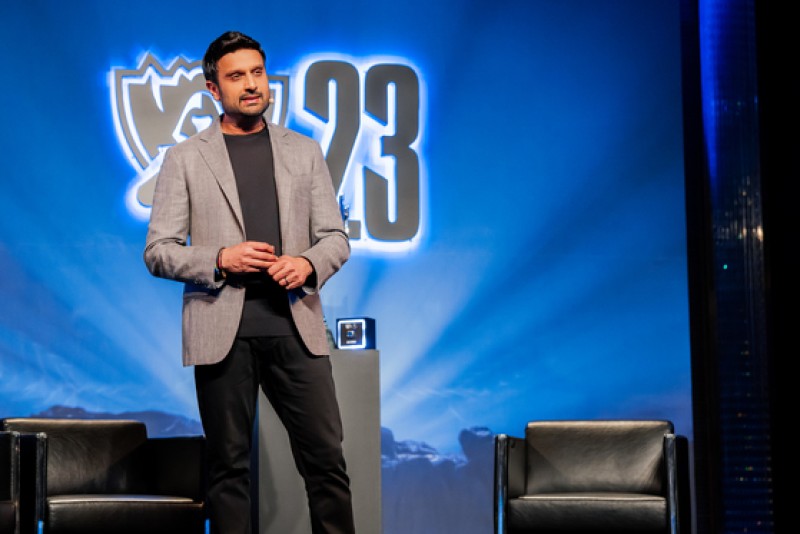
In May 2023, Riot's Board of Directors officially selected him to be the company's next CEO. He stepped into the role in September of that year.
What the CEO of Riot Games Is Worth Today
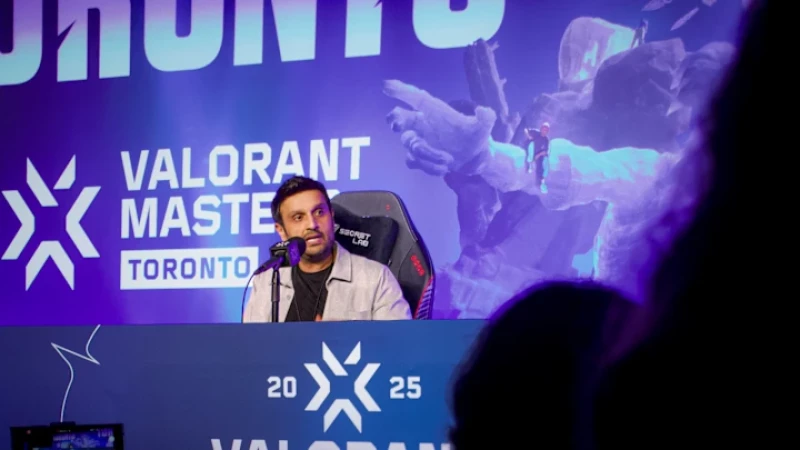
According to estimates cited by Forbes, Jadeja's net worth stood at around $30 million as of early 2023 - and that was even before he officially became CEO. For context, compensation research puts the average annual pay for a chief executive at Riot Games somewhere in the range of $830,000 to $1.37 million, depending on bonuses and other factors.
Since taking the top job, Jadeja has overseen some of Riot's biggest wins and toughest calls. On the win side, Arcane Season 2 dropped in November 2024 and became the most-watched show on Netflix in over 60 countries. On the hard side, Riot announced in January 2024 that it was laying off 530 employees - about 11% of the workforce. Jadeja was direct about the reasoning: "We're not doing this to appease shareholders or to hit some quarterly earnings number. We've made this decision because it's a necessity."
That kind of transparency, even when the news is difficult, has become a signature of how he leads. He was also named one of the 100 Most Creative People in Business by Fast Company - a recognition that goes beyond the numbers and speaks to the kind of leader he's become.
Jadeja's Ideas on What It Actually Takes to Succeed
Over the years, Dylan Jadeja has been pretty consistent about what he believes makes someone effective - not just in gaming, but in building anything worth building.
- Listen before you move. When he became CEO, his first public statement was about listening. He wanted to re-engage with parts of Riot he hadn't been close to in a while, understand what was working, and hear from people directly before making decisions. It sounds simple, but most leaders skip that step entirely.
- Be honest, even when it's uncomfortable. Whether it was explaining the 2024 layoffs or addressing company culture issues, Jadeja has consistently chosen transparency over spin. He believes people can handle the truth - and that they respect you more for giving it to them straight.
- Connect creativity to financial reality. His finance background gave him something most gaming executives don't have by default - the ability to look at creative ambition through a sustainability lens. Riot under his leadership has been willing to kill projects that aren't working and double down on the ones that are.
- Think in years, not quarters. This one shows up again and again in how Jadeja makes decisions. The Tencent deal, the Arcane investment, even the painful layoffs - all of them were made with the long-term health of the company in mind, not short-term optics.
- Don't be afraid to change directions. The biggest proof of this is his own career. Walking away from Goldman Sachs to join a gaming startup in 2011 wasn't the safe play. But it turned out to be the best decision he ever made - and it only worked because he was willing to bet on something that hadn't fully proven itself yet.
 Alex Dudov