Sergey Diakov
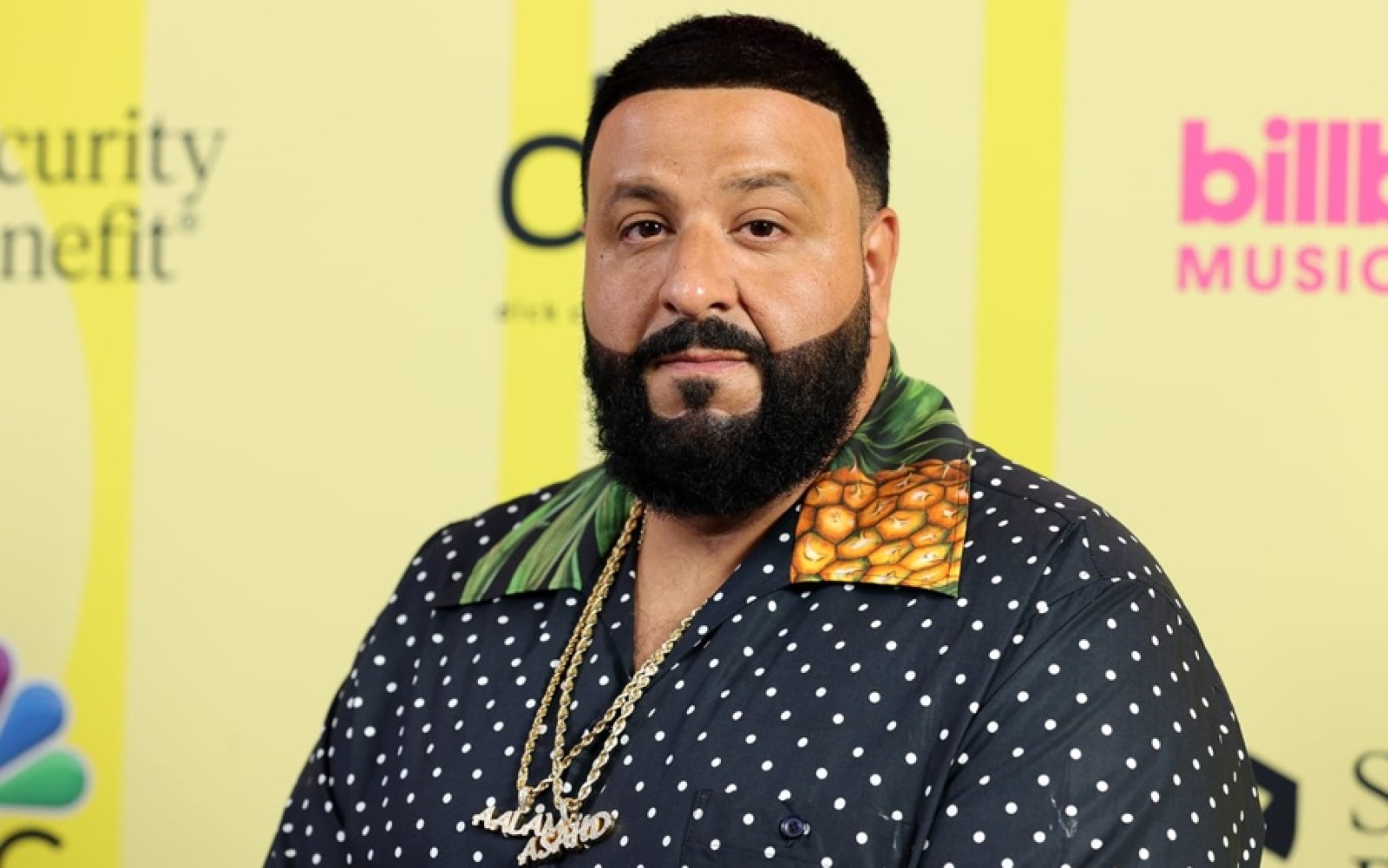
Most people know DJ Khaled as the guy who shouts "Another one!" and shows up on every major hip-hop record of the last decade. What they don't always know is that behind the catchphrases and the Snapchat vlogs, there's a genuinely sharp businessman who figured out something most artists never do: your name is worth more than your music. In 2025, DJ Khaled net worth sits at an estimated $95 million, and that number keeps climbing. But to really understand how he got there, you have to go back to a teenager in New Orleans with $100 a week and nowhere to sleep.
From a Record Store to Radio: DJ Khaled's First Dollars
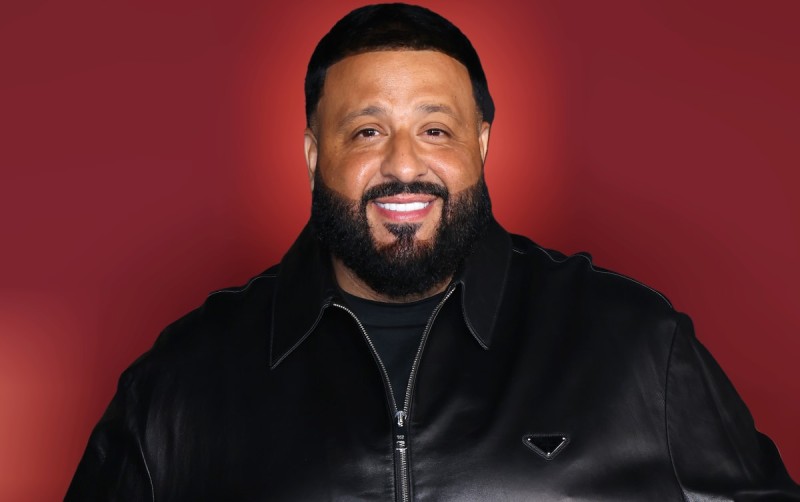
Khaled Mohamed Khaled was born on November 26, 1975, in New Orleans, Louisiana. His parents were Palestinian immigrants who played Arabic music, and they passed their love of sound down to their son. By the time he was 13, he had already started DJing at local events and pulling in about $100 a week. For a kid that age, it felt like real money. Then things got hard.
When Khaled was 16, his family ran into serious financial trouble. For a stretch, he was living out of his car, hustling gigs wherever he could while refusing to step away from music. He picked up a job at the Merry-Go-Round record store just to stay afloat, and that turned out to be one of the luckiest breaks of his life. Not because of what it paid, but because of who walked through the door. That's where he started building relationships with Lil Wayne, Birdman, and Mavado, back when they were all still grinding toward something bigger.
By the late 1990s, Khaled had made his way to Miami and landed a spot on the city's top urban radio station, 99 Jamz. He was good on the mic, magnetic in a way that pulled people in, and the hip-hop collective Terror Squad noticed. They hired him as their DJ, and the bookings that once paid $100 a week were suddenly paying $1,000. His name was starting to mean something on the Miami scene. That was the real beginning.
The Rise of a Music Mogul: Career Growth and DJ Khaled's Early Album Success
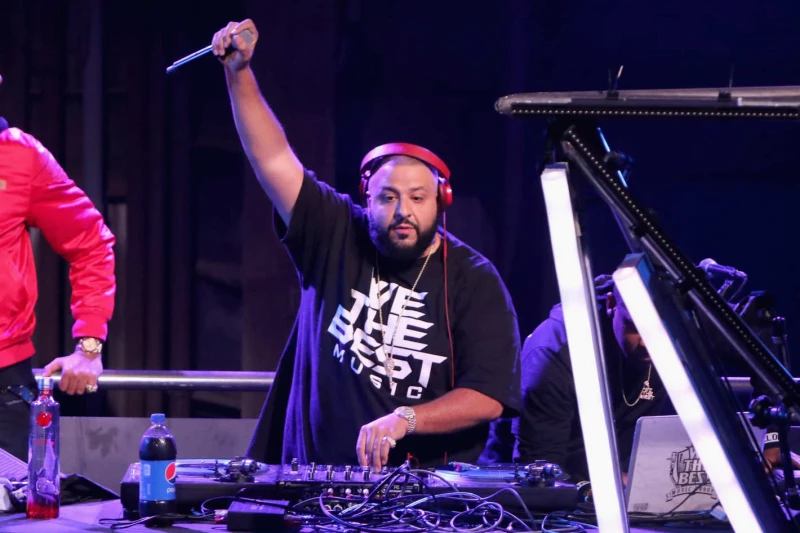
After building his reputation through radio and live performances, Khaled made the leap into production. In 2006, he released his debut studio album, Listennn... the Album, through Koch Records. It debuted at No. 12 on the US Billboard 200, which for a first record from a DJ-turned-producer was seriously impressive. The project featured Kanye West, Lil Wayne, Fat Joe, Pitbull, and John Legend, which tells you everything about the kind of access he had built by that point.
From there, the hits came in waves. "I'm So Hood," "We Takin' Over," "All I Do Is Win," his 2008 platinum single "Go Hard" featuring Kanye West and T-Pain. That same year, he took home DJ of the Year honors at both the BET Hip Hop Awards and the Ozone Awards. Then, in February 2009, he was appointed president of Def Jam South. At that point, he wasn't just making records, he was running part of the operation. Forbes pegged his income at around $15 million in 2016. By 2017, it had jumped to $24 million. In his peak years, that number hit somewhere between $27 and $40 million annually.
DJ Khaled Net Worth Built on Business, Not Just Beats
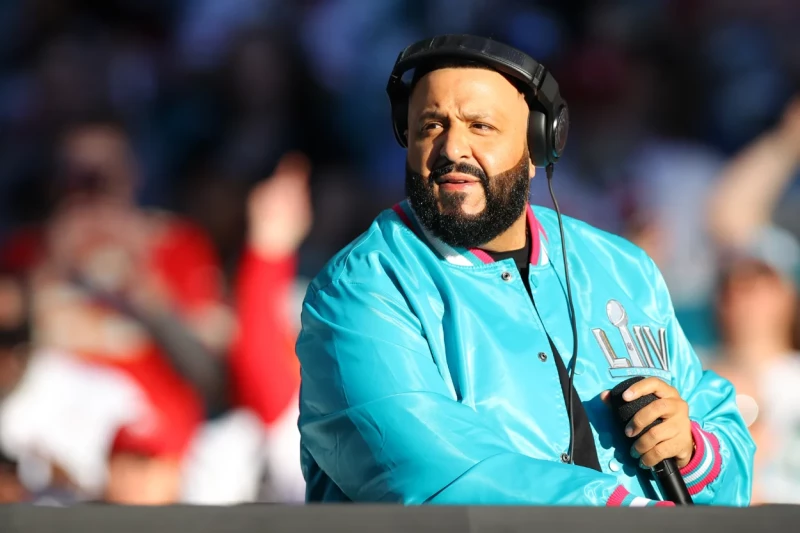
Somewhere along the way, Khaled made a decision that separated him from most artists in his lane: he stopped thinking like a musician and started thinking like a company. He founded We the Best Music Group, his own record label, which meant he stopped handing a major slice of his earnings to someone else's operation. Under the same brand he launched a luxury furniture line called We the Best Home, a nonprofit foundation, and a charity golf tournament that kicked off in 2023 and quickly attracted serious celebrity money.
The endorsement deals are where the numbers really get big. Ciroc, Apple, T-Mobile, Weight Watchers, they all wanted a piece of what Khaled was selling, which was essentially optimism with a megaphone. Between September 2017 and September 2018 alone, he reportedly earned around $30 million, and most of that came from brand deals, not album sales. He also put money into The Licking, a Miami restaurant chain, which gave him a revenue stream that had nothing to do with streaming numbers or chart positions.
Real estate rounded out the portfolio. In January 2017, he bought the former Robbie Williams property in Mulholland Estates, Los Angeles, for $9.9 million. He sold it in April 2021 for $12.5 million, pocketing a $1.5 million profit on the flip. In 2018, he went considerably bigger and picked up a waterfront home in Miami for $25.9 million. That's the property that shows up in the videos, and it's worth more now than when he bought it.
Where DJ Khaled Stands Today: $95 Million and Counting
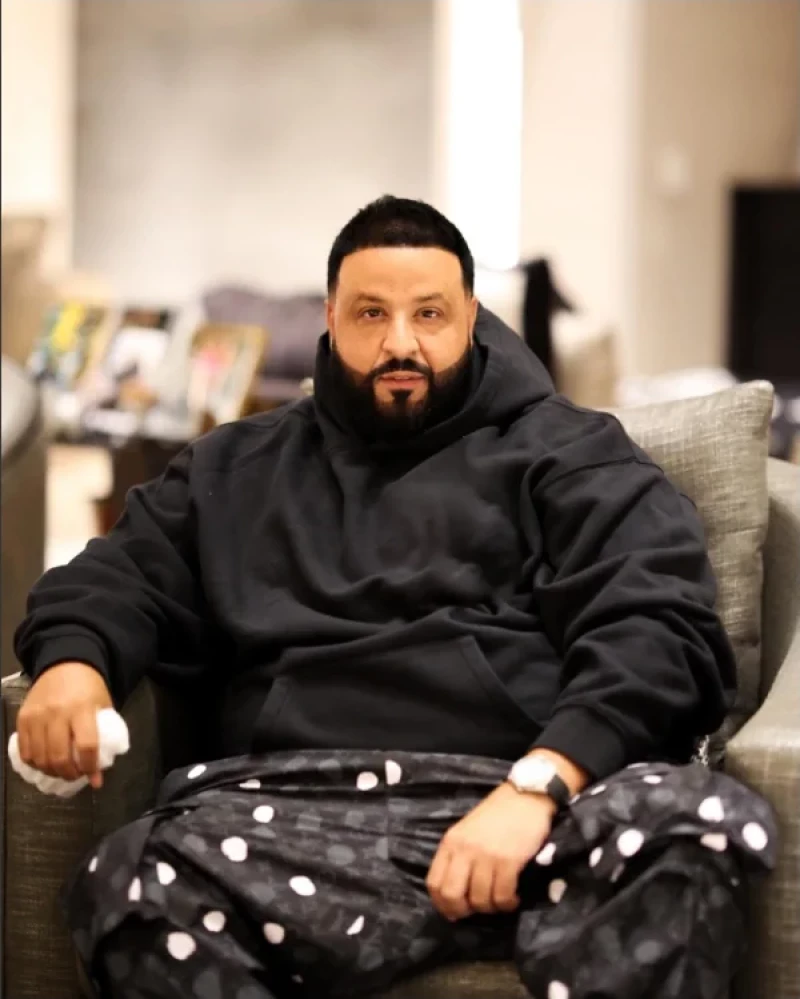
Right now, in 2025, DJ Khaled net worth is estimated at $95 million. His annual earnings hover around $35 million depending on what's in motion. He has 13 studio albums behind him, sold over 75 million records worldwide, racked up more than 18 billion streams, and earned an estimated $54 million from streaming revenue. His RIAA certifications include one Diamond, 53 Platinum, and 18 Gold singles. His album God Did debuted at No. 1 on the Billboard 200 with 129.82 million on-demand streams in a single week. That's not a fluke; it's the fourth time he's topped the chart.
His social media presence, over 110 million followers across platforms, functions as a full-time marketing machine. Brand campaigns, album rollouts, sponsored content, all of it moves through his channels constantly. In late 2024, he joined Netflix's Rhythm + Flow Season 2 as a judge alongside Ludacris and Latto, which added another dimension to his visibility. His 14th studio album, Aalam of God, is coming with a cinematic trailer starring Mark Wahlberg and Anthony Ramos. Analysts generally expect his net worth to cross $120 million before long.
DJ Khaled's Keys to Success: What He Actually Believes
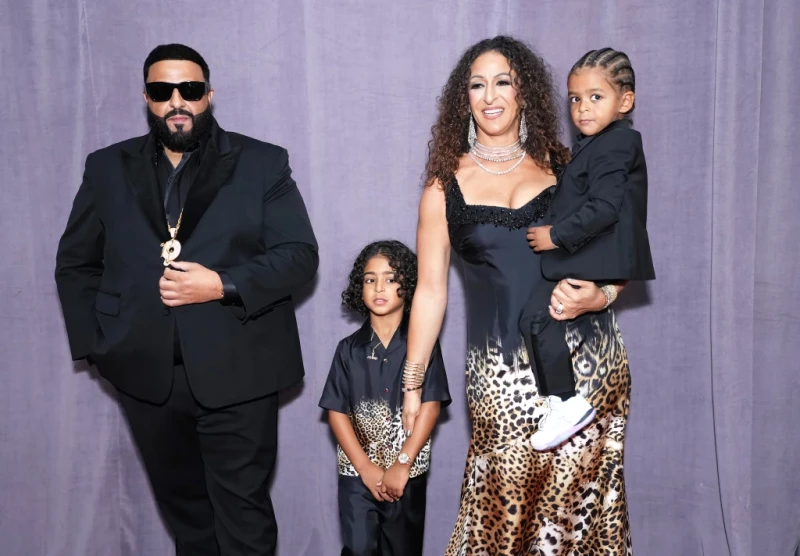
Khaled has been talking about his philosophy for years through social media, his 2016 book The Keys, and interviews that go a lot deeper than the catchphrases suggest. Strip away the theatrics, and the core ideas are pretty consistent:
- Surround yourself with winners. Every major collaboration, Drake, Jay-Z, Rihanna, Beyonce, Eminem, was a deliberate choice. He built his career on who was in the room with him.
- Diversify everything. Music, endorsements, restaurants, real estate, TV, social media. If one stream slows down, five others are still running.
- Visibility is its own currency. His Snapchat and Instagram presence turned him into a brand that exists completely outside of any album cycle. Being seen, constantly, is part of the work.
- Own your platform. Founding We the Best Music Group meant keeping a far bigger share of what he earned instead of splitting it with someone else's label.
- Momentum is the product. He treats every release, every partnership, every announcement as an event. The energy around what he does is as deliberate as the content itself.
- Use hardship as material. Living in his car at 16 is not something Khaled hides. He references it because it's the foundation of everything that came after. The struggle is part of the brand, and he knows it.
The thing about DJ Khaled's story that doesn't get said enough is that the money makes sense. It's not luck, it's not hype, it's a guy who understood from very early on that relationships, ownership, and consistency compound over time just like interest does. Whether the net worth hits $100 million this year or next, the direction was never really in question.
 Sergey Diakov