Alex Dudov
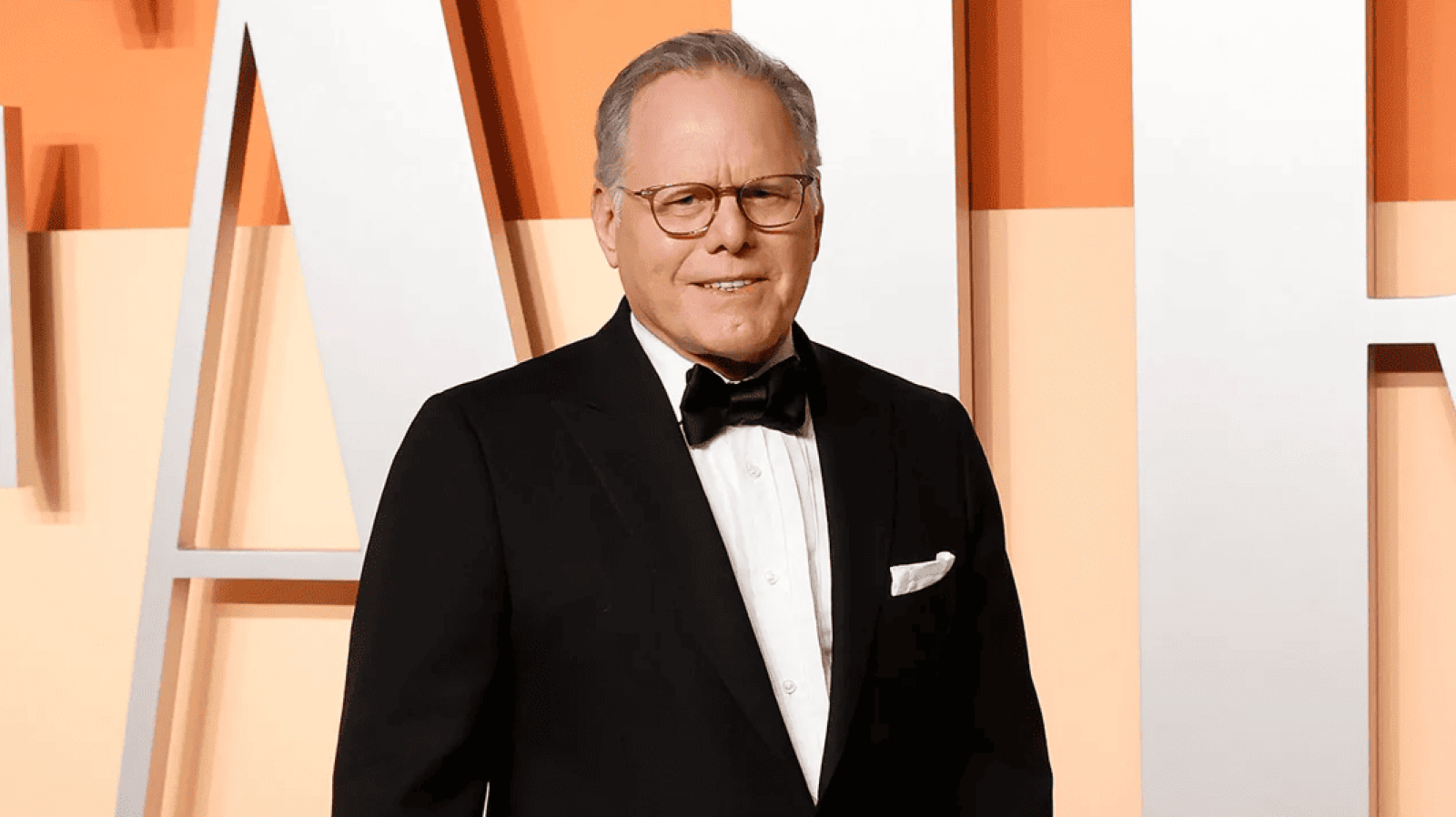
David Zaslav didn't start out in the glitzy world of Hollywood. His path to becoming one of the most powerful executives in entertainment began in a law office, evolved through cable television, and eventually led him to the top of one of the biggest media companies on the planet. Today, he's worth around $200 million and controls a portfolio that includes everything from HBO to CNN to the entire Warner Bros film studio. But getting there took decades of strategic moves, bold decisions, and compensation packages that made headlines for all the right and wrong reasons.
From Law School Graduate to Early Media Success
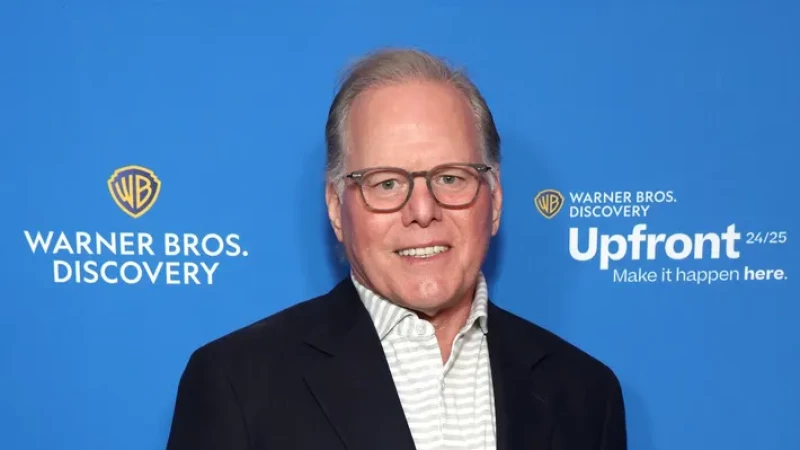
Zaslav's journey to becoming CEO of Warner Bros started in 1985 when he graduated from Boston University School of Law. His first real job was at LeBoeuf, Lamb, Leiby & MacRae, a prestigious New York law firm where he specialized in media and communications law. The work was good, the pay was solid for a young lawyer, but Zaslav could see where the real action was happening. By 1989, he'd made his move to NBCUniversal, trading the courtroom for the boardroom.
At NBC, he was making decent money for someone in their early thirties, pulling in a six-figure salary that grew as he proved himself. What really set Zaslav apart was his ability to understand both the business side and the creative side of television. He wasn't just another suit crunching numbers. He got what made people tune in, what kept them watching, and most importantly, how to turn that attention into serious revenue.
By the late 1990s, Zaslav had worked his way up to President of NBC Cable, overseeing networks like CNBC, MSNBC, and USA Network. His annual compensation had jumped into the several-million-dollar range, and industry insiders were starting to recognize him as someone who could actually grow a media business, not just maintain it.
The Discovery Channel Era: Building a Media Empire
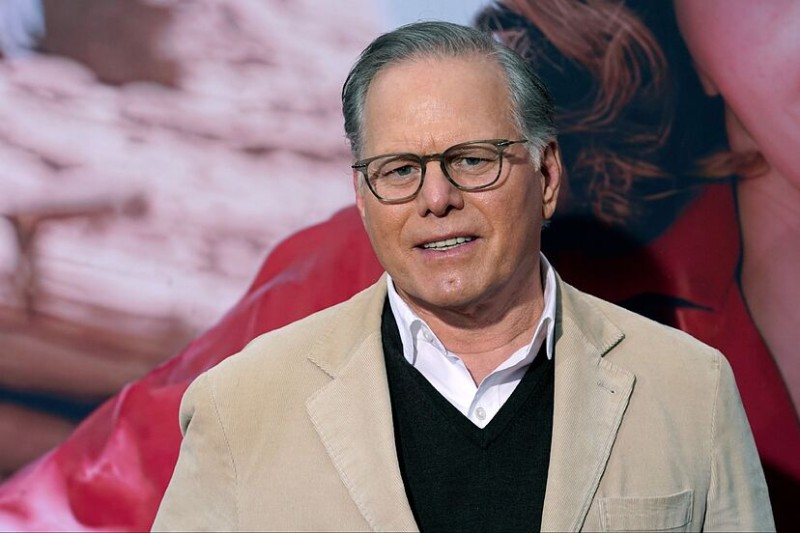
The real turning point came in 2007 when Zaslav took over as President and CEO of Discovery Communications. This was the move that changed everything. His first-year compensation package hit around $42 million, which raised some eyebrows, but it was just the beginning. Over the next 15 years, Zaslav transformed Discovery from a channel your dad watched for shark documentaries into a massive global operation with networks spanning every possible niche.
The money he made during this period was honestly kind of crazy. Between 2014 and 2018, Zaslav regularly topped the list of highest-paid executives in America, with annual packages ranging from $129 million to $156 million. Critics said it was too much, that no executive deserved that kind of money. Supporters pointed to Discovery's stock price, which had tripled under his leadership, and the company's expansion into nearly every country on Earth.
Whether you thought he earned it or not, one thing was clear: Zaslav was building something massive. He understood that the future of television wasn't just about one channel or one type of content. It was about having a portfolio of brands that could reach different audiences across different platforms. Animal Planet, TLC, Food Network, HGTV – each one targeted a specific viewer, and together they created an empire.
Warner Bros Discovery Merger: Reaching the Peak
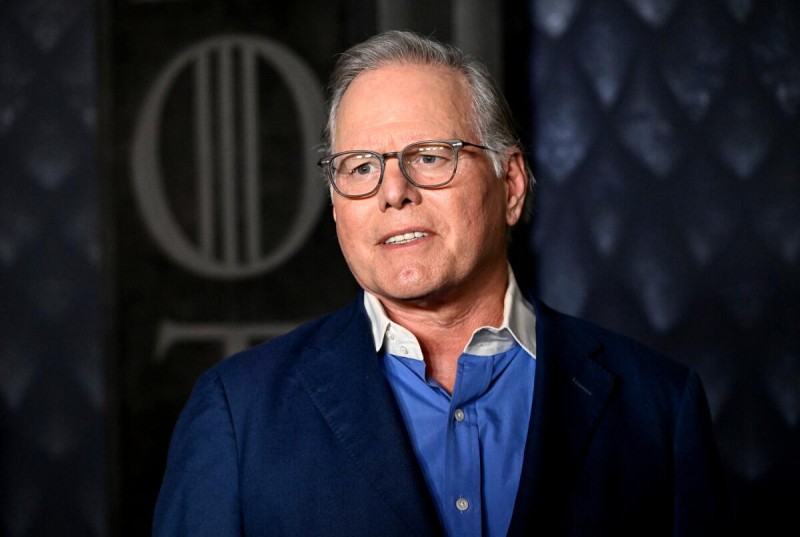
Zaslav hit his absolute peak in 2022 when he pulled off the merger between Discovery and WarnerMedia, creating Warner Bros Discovery. This wasn't just another corporate deal. It was a $43 billion combination that put him in charge of HBO, CNN, Warner Bros Studios, DC Entertainment, and all the Discovery networks he'd already built. Suddenly, the CEO of Warner Bros was overseeing one of the most diverse media portfolios in existence.
His current compensation runs around $39-40 million a year, though it bounces around based on how the stock performs and whether he hits certain targets. After decades of collecting stock options, bonuses, and making smart investments, his net worth sits at about $200 million. Not bad for a kid who started out reviewing contracts in a law firm.
Running Warner Bros Discovery hasn't been all smooth sailing, though. The company took on massive debt from the merger, and Zaslav's had to make some tough calls about what content to keep, what to cut, and how to compete in the streaming wars against Netflix, Disney, and Amazon. Some of his decisions have been controversial, but that's part of the job when you're trying to steer a ship this size.
David Zaslav's Success Principles
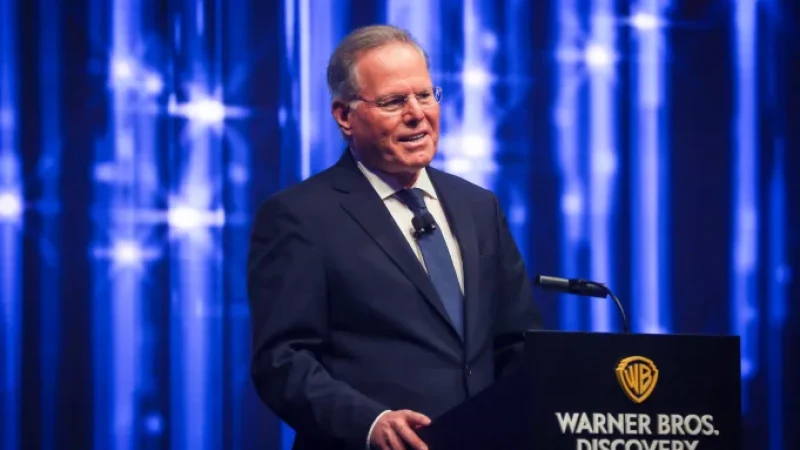
Over the years, people have asked Zaslav what it takes to make it in the media business, and he's been pretty consistent with his answers. First off, you've got to really understand your audience. Not just the demographics and the data, but what actually moves people, what makes them care enough to watch. He's always said that content might be king, but connection is what really matters. You can have the best show in the world, but if it doesn't connect with people on an emotional level, it's not going anywhere.
Second, Zaslav's never been afraid to take risks that make other people nervous. The Discovery-WarnerMedia merger is a perfect example. Plenty of analysts thought it was too risky, too expensive, too complicated. But he saw something they didn't: the chance to combine premium scripted content like Game of Thrones with the unscripted reality programming that Discovery did better than anyone. It was a gamble, sure, but calculated.
Third, he's always played the long game. Even when Wall Street's breathing down your neck about quarterly earnings, Zaslav's been focused on building something that lasts. Short-term thinking might goose your stock price for a quarter or two, but it doesn't build a sustainable business. He's willing to take some heat in the present if it means being stronger in the future.
Finally, Zaslav gets that this business is all about relationships. He's known for maintaining strong connections with creators, producers, and executives across the industry. Great content comes from great people, and great people want to work where they feel valued and supported. It's not rocket science, but it's something a lot of executives forget when they're too focused on spreadsheets.
The Current Chapter
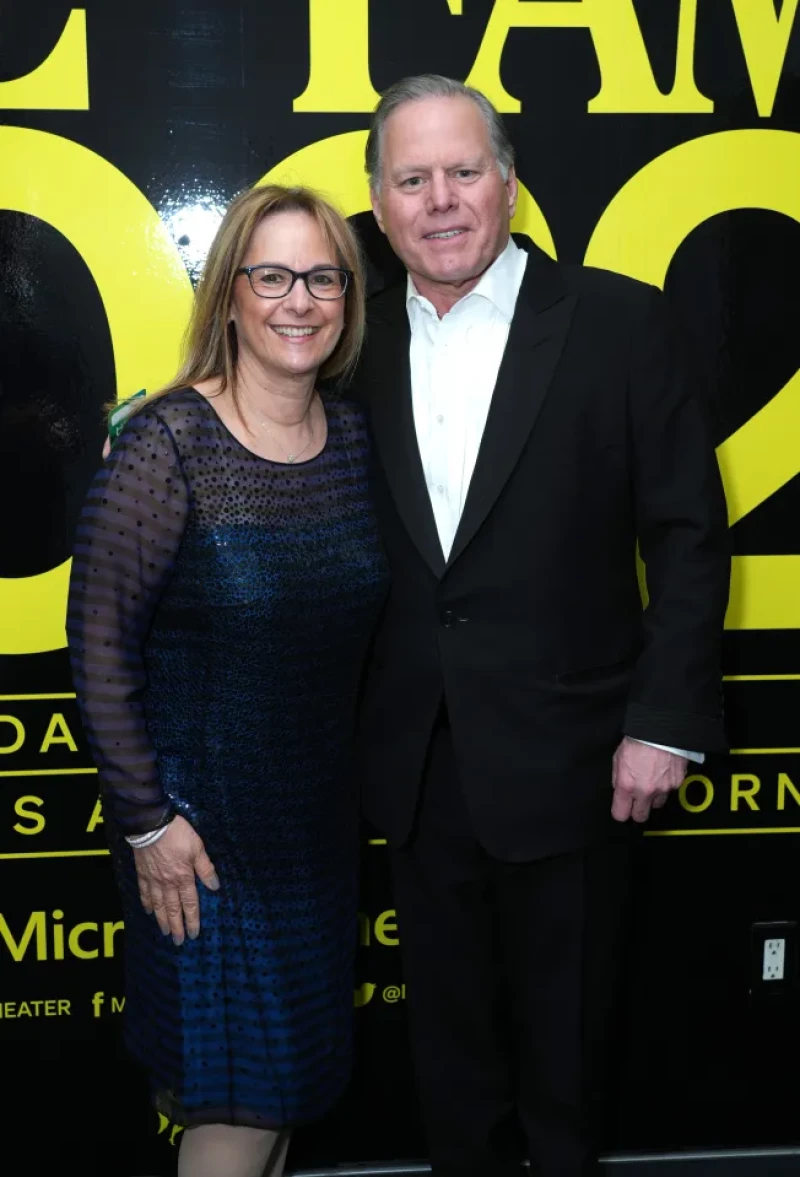
Right now, as CEO of Warner Bros Discovery, Zaslav's facing maybe his toughest challenge yet. He's trying to navigate the streaming wars while dealing with billions in debt and a media landscape that seems to change every six months. The company's pulling in around $42 billion in annual revenue, but turning that into solid profits while investing heavily in streaming is proving tricky.
Industry analysts figure that if Zaslav can actually pull off his vision for the combined company, his net worth could easily double over the next five years just from his stock holdings appreciating. But that's a big if. The streaming market is brutal, traditional cable is declining faster than expected, and competition is coming from every direction.
What you can't argue with is the arc of Zaslav's career. From a law office to running one of entertainment's most powerful companies – that's the kind of success story that still resonates. Whether Warner Bros Discovery ultimately thrives or struggles, the CEO of Warner Bros has already proven he belongs in the conversation about the most transformative media executives of the past few decades. He changed Discovery, he's reshaping Warner Bros, and whatever happens next, it's going to be interesting to watch.
 Alex Dudov