Sergey Diakov
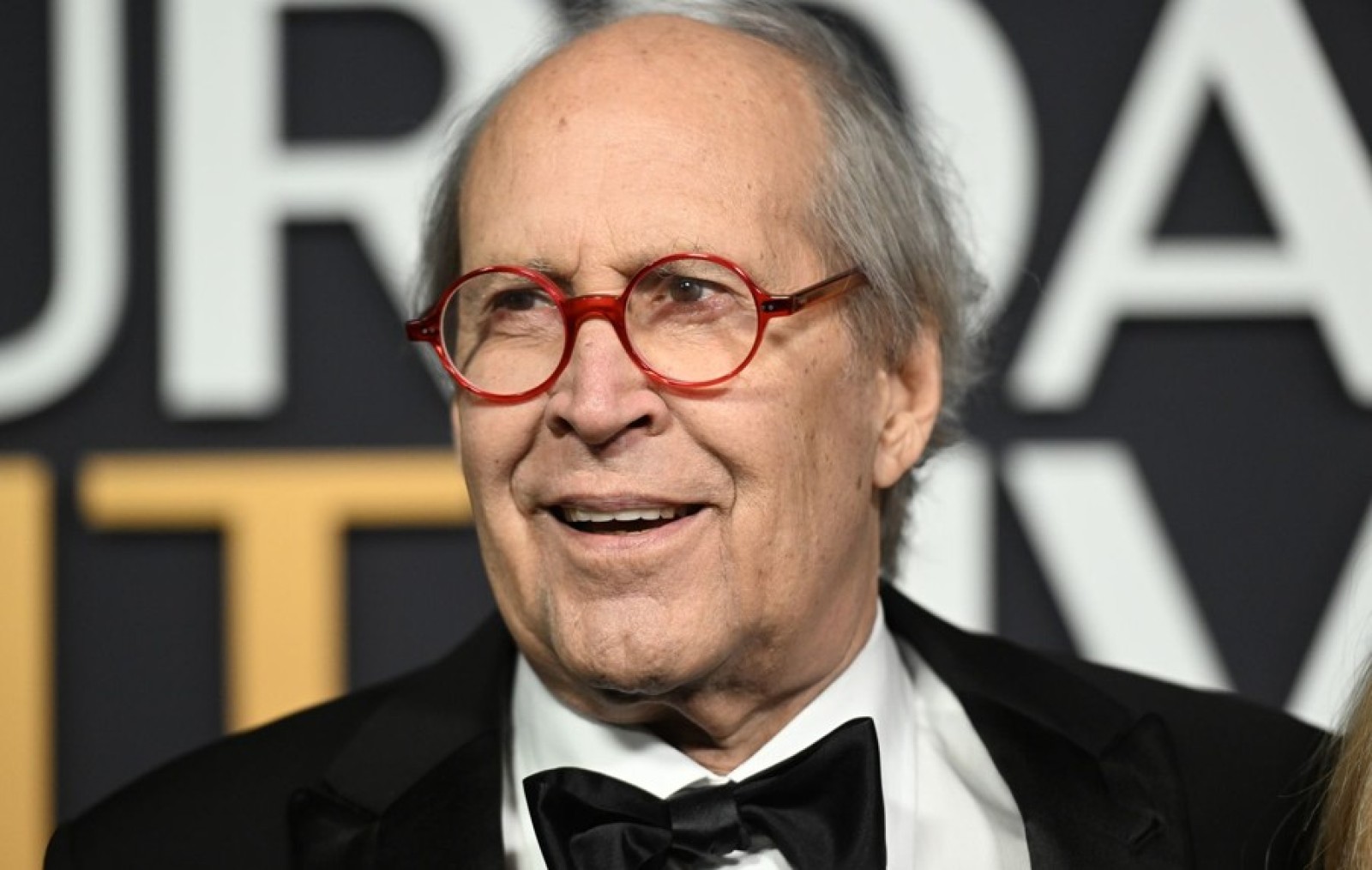
Chevy Chase didn't just stumble into fame and fortune—he crafted one of the most recognizable careers in American comedy while building serious wealth along the way. From his days scraping by as a struggling performer in New York to commanding seven-figure paychecks for blockbuster comedies, Chase's financial journey mirrors his rise from underground comedy clubs to Hollywood's A-list. His story isn't just about the laughs he delivered, but about smart career moves, calculated risks, and creating content that keeps paying him decades later.
Early Career: How Chevy Chase Earned His First Paycheck
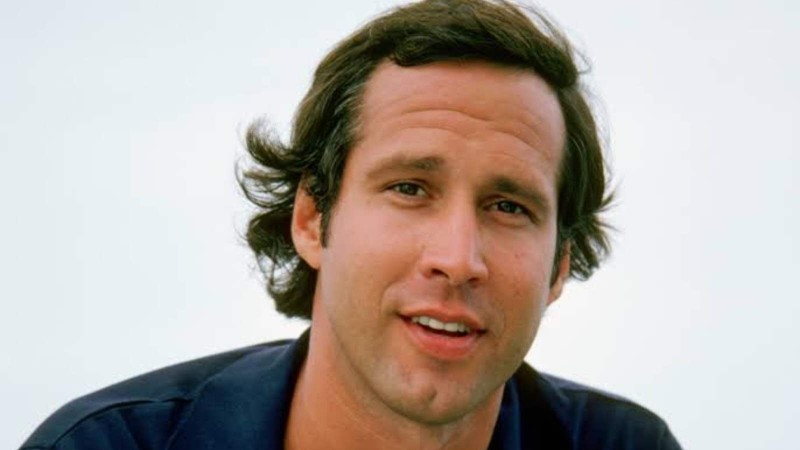
Cornelius Crane "Chevy" Chase worked his way up from absolute scratch. His first real gig in entertainment came with an underground comedy group called Channel One back in 1967. The pay was pretty miserable—somewhere around $50 to $100 a week, barely enough to keep a roof over his head in New York City. To make ends meet, Chase drove a cab, worked construction jobs, and wrote comedy bits for radio shows whenever he could land the work.
Things started looking up when he joined the writing team for "The Smothers Brothers Comedy Hour" in the early 1970s. Suddenly he was making about $500 per episode, which finally meant he could drop the side hustles and focus on comedy full-time. That writing gig taught him the craft and got his foot in the door for what would become the opportunity of a lifetime.
The Saturday Night Live Breakthrough and Chevy Chase Net Worth Explosion

When "Saturday Night Live" hit the airwaves in October 1975, Chevy Chase became an instant sensation as the show's original Weekend Update anchor. He started out making around $1,000 per episode, but his popularity exploded so fast that his salary jumped to about $2,000 per episode before he even finished his first season. Chase only stuck around SNL for one year before making a gutsy move—he left the hottest show on television to pursue a film career.
That gamble paid off big time. Hollywood was hungry for his brand of physical comedy and deadpan delivery, and suddenly studios were throwing movie deals at him. Leaving SNL after just one season could have been career suicide, but instead it launched him into the stratosphere.
Peak Earning Years: The $7 Million Per Movie Era
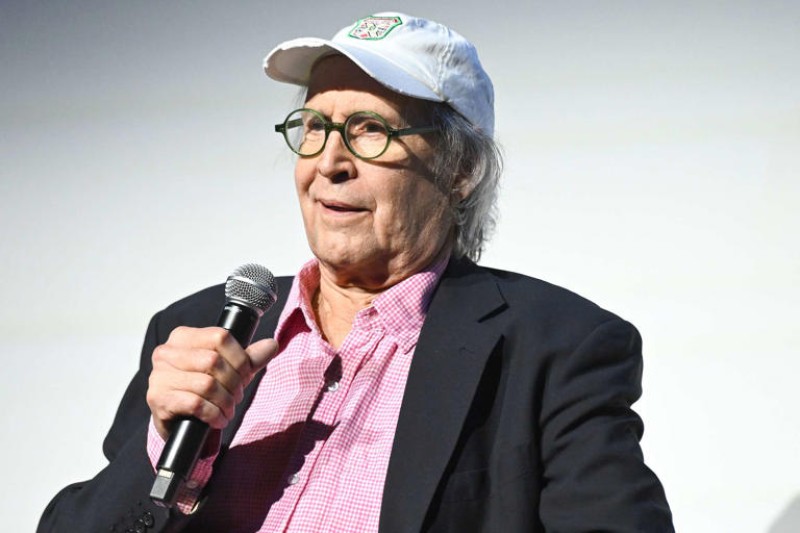
The 1980s and early 1990s were absolutely golden for Chevy Chase's bank account. The original "National Lampoon's Vacation" hit theaters in 1983 and became a massive hit, pulling in over $61 million at the box office. Chase pocketed about $1 million for that first Vacation movie, but his asking price shot up fast after that.
Movies like "Caddyshack" in 1980 and "Fletch" in 1985 turned Chase into a genuine box office draw. By the mid-1980s, he was pulling down $4 to $5 million per picture. His peak came in the late '80s when he commanded around $7 million for major studio comedies like "Funny Farm" and the Vacation sequels. During those glory years, Chase was raking in somewhere between $10 and $15 million annually just from his movie work, not counting all the residuals and endorsement money.
"Christmas Vacation" dropped in 1989 and became the franchise's crown jewel, earning over $71 million domestically. That movie turned into an absolute cash machine for Chase because it plays on TV every single holiday season, generating steady residual checks year after year.
Current Chevy Chase Net Worth and Modern Earnings
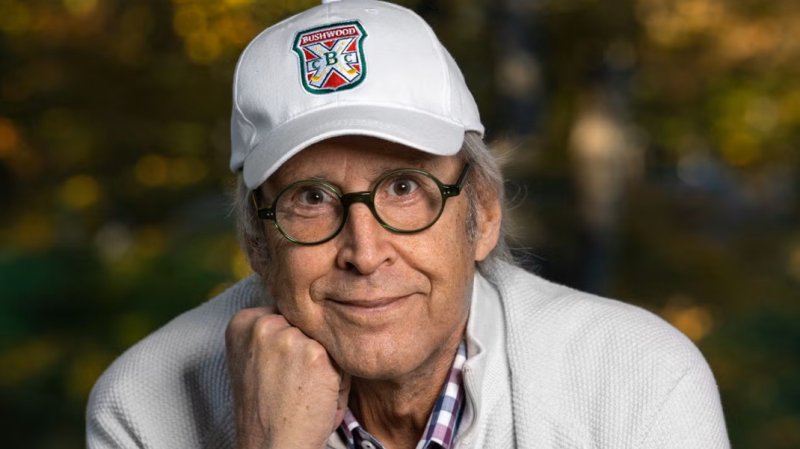
These days, Chevy Chase sits on a fortune estimated at around $50 million. He's not scoring those massive movie paychecks anymore, but the money still flows in from multiple sources. The residuals from his classic films, especially the Vacation movies, bring in an estimated $1 to $2 million every year. "Christmas Vacation" alone probably accounts for a huge chunk of that since it's basically become required holiday viewing for millions of families.
His run on the NBC sitcom "Community" from 2009 to 2014 added nicely to the pile too—he was making about $150,000 per episode during the show's best years, even though his time there ended on a sour note. At 81, Chase has mostly stepped away from the grind of active filmmaking. He does occasional voice work and cameos here and there, but mostly he's living off the empire he built. Between residuals, licensing deals, and sporadic appearances, he's still pulling in an estimated $2 to $3 million a year without breaking a sweat.
Chevy Chase's Philosophy on Success and Making It in Hollywood
Chase has always been pretty vocal about what it takes to make it big, and his advice comes from real experience. First off, he's a huge believer in taking smart risks at the right time. Leaving SNL when he was the hottest thing on television terrified him, but he knew the brutal schedule would kill any chance of a film career. He's said that success is all about recognizing your moment and having the guts to jump when the opportunity's there.
Physical comedy was his secret weapon, and he thinks authenticity beats clever writing every time. His signature stumbles and pratfalls weren't just funny—they made him relatable. People don't laugh at perfection, they laugh at someone who reminds them of their own awkward moments and screw-ups.
Chase also learned early on to know his worth and fight for it. Once his name started selling tickets, he didn't play modest—he demanded top dollar because he knew his presence meant millions in box office revenue. That business sense, combined with smart real estate investments across California and New York, kept his wealth protected even when the movie offers slowed down.
Finally, he's been honest about the importance of balance, even though he admits he didn't always nail it himself. He's talked about choosing family over chasing every paycheck and recognizing that real success includes being happy, not just rich. His whole philosophy boils down to building something that lasts—both a legacy people remember and financial security that doesn't disappear when you stop working.
The Chevy Chase net worth story really comes down to talent meeting opportunity, making smart business moves, and creating comedy gold that keeps generating income long after the cameras stopped rolling.
 Sergey Diakov