Alex Dudov
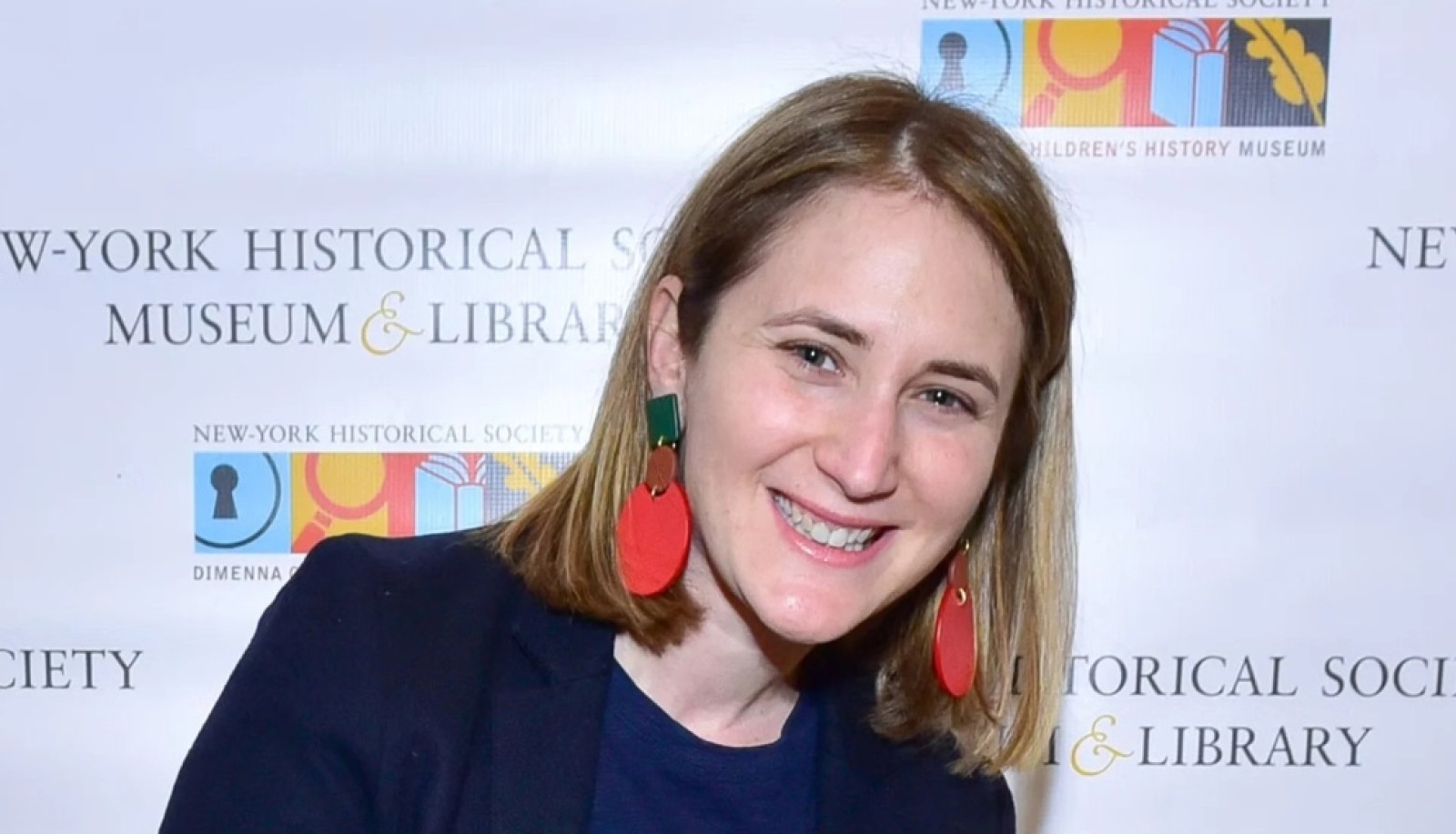
She was on her way out the door to meet a friend. That's the part that stays with you. Wesley LePatner had put in a full day at one of the most high-pressure jobs in American finance, and she was done for the evening. Heading downstairs around 6:30 p.m., she never made it out. A gunman opened fire in the lobby of 345 Park Avenue, and one of the most accomplished women in real estate died in a hallway she had walked through hundreds of times. She left behind a husband, two kids, and a $53 billion fund she had spent her career building toward.
BREIT CEO Killed: What Happened That Monday Evening
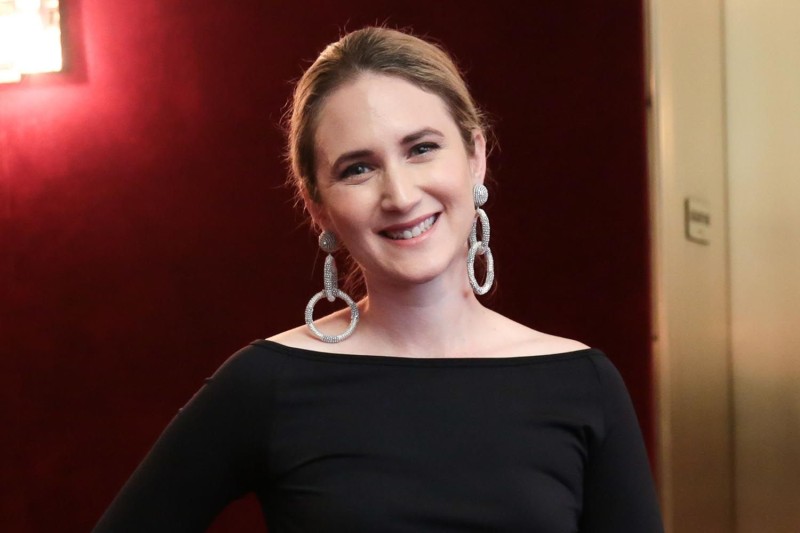
The building at 345 Park Avenue in Midtown Manhattan is the kind of address that signals power. Blackstone runs its global operations from there. The NFL has its headquarters there too. On the evening of July 28, 2025, a 27-year-old man named Shane Tamura traveled from Las Vegas and walked in with a gun. He killed four people before dying himself. Investigators came to believe he was actually trying to reach the NFL offices, not Blackstone. It didn't matter. LePatner was in his path.
Blackstone put out a statement shortly after: "Words cannot express the devastation we feel. Wesley was a beloved member of the Blackstone family and will be sorely missed. She was brilliant, passionate, warm, generous, and deeply respected within our firm and beyond. She embodied the best of Blackstone. Our prayers are with her husband, children and family. We are also saddened by the loss of the other innocent victims as well, including brave security personnel and NYPD."
People who work in finance are not usually described that way by their employers. That statement said something real.
BREIT CEO Killed Before Her Time: Yale, Goldman Sachs, and the Beginning
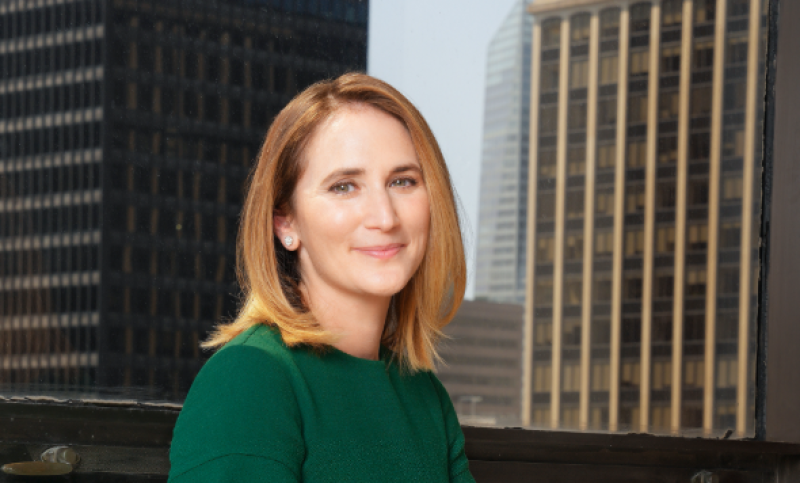
Wesley LePatner went to Yale. And in a detail that sounds almost too good to be true, she met her future husband on the very first day of freshman year. They built a life together from that moment forward, eventually settling in New York and raising two children.
After graduation, she went where a lot of ambitious Yale finance people go: Goldman Sachs. She joined the firm's real estate investment group and stayed for over a decade. That is a long time to be at Goldman, and it means she earned her place there. The work was dense and demanding. She was learning how institutional capital moves through real assets - how deals get structured, how risk gets priced, how you underwrite a portfolio worth hundreds of millions of dollars and still sleep at night. By the time she left, she knew how to do all of it.
How Wesley LePatner Climbed the Ladder at Blackstone
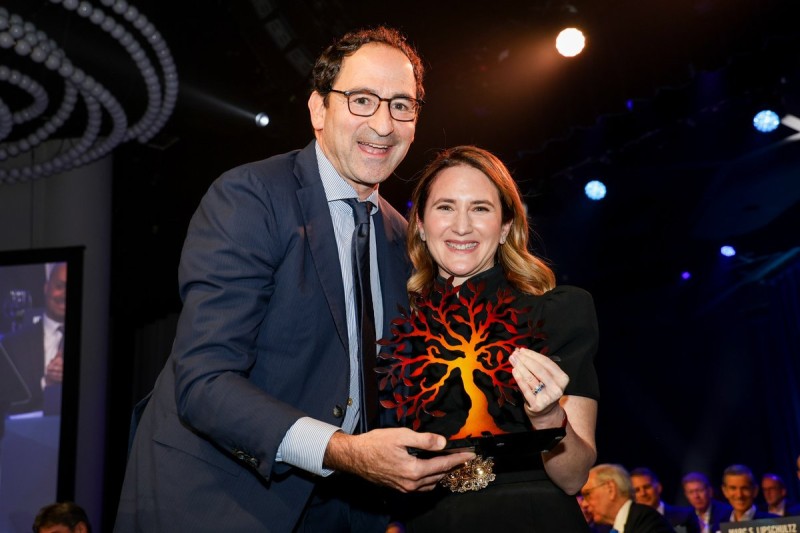
In 2014, LePatner joined Blackstone. She walked in with more than ten years of Goldman Sachs experience and immediately fit into a firm that does not have much patience for people who need hand-holding. Over the next eleven years, she moved up steadily through the real estate division, eventually taking on the role of COO at BREIT. Then, in January 2025, she was named CEO of the trust itself. She had held the job for just a few months when she was killed.
BREIT is not a small vehicle. At the time of LePatner's death, it held $53 billion in net asset value and carried a market capitalization of $275 billion. It is one of the largest non-traded real estate investment trusts in existence, and it is the kind of fund that institutional investors and high-net-worth individuals park serious money in. Running it means making consequential decisions every single day about where capital goes, what properties get acquired, and what the portfolio looks like five years from now.
Her exact salary was never publicly reported, but executives operating at that level inside Blackstone typically earn somewhere in the eight-figure range each year, once you factor in base pay, performance bonuses, and carried interest tied to how the fund performs. She had reached a level very few people in any industry ever reach.
CEO of Blackstone Killed: What the Finance World Lost
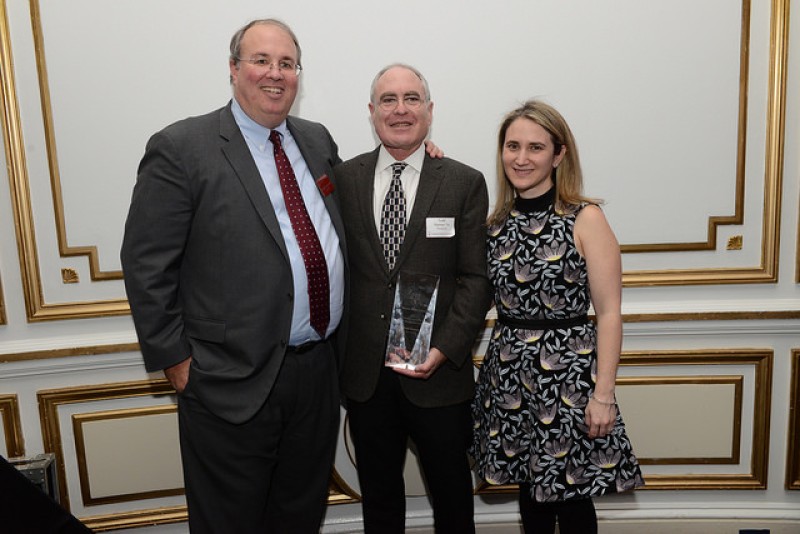
When word got out, the reaction across real estate and private equity was genuine grief, not the polished corporate kind. People who had worked with her or crossed paths with her at conferences came forward to say the same things: she was the real deal, and she made time for people who were still figuring things out.
She was especially known for how she showed up for other women. In an industry that has historically been dominated by men, LePatner was the kind of senior leader who actually did something about it. She helped junior women navigate office politics, pushed for their promotions, and made a point of celebrating them when they succeeded. She spoke at industry events focused on women in real estate and appeared at Forbes summits on women and wealth management. Her own mentor inside Blackstone was Kathleen McCarthy, global co-head of the firm's real estate business, and LePatner seemed determined to pass that kind of investment forward.
New York Representative Ritchie Torres described her publicly as "a distinguished professional" who "represented the very best of New York." Outside of work, she sat on the boards of the Metropolitan Museum of Art, the Abraham Joshua Heschel School, the UJA-Federation of New York, and the Yale University Library Council.
She is survived by her husband and their two children.
After her death, Blackstone appointed Rob Harper, co-president of BREIT and head of real estate asset management in the Americas, as interim CEO. Harper has been with Blackstone since 2002. The board is now looking for someone permanent, though that search comes with the impossible weight of filling a role that was not supposed to be vacant.
What Wesley LePatner Believed About Building a Real Career
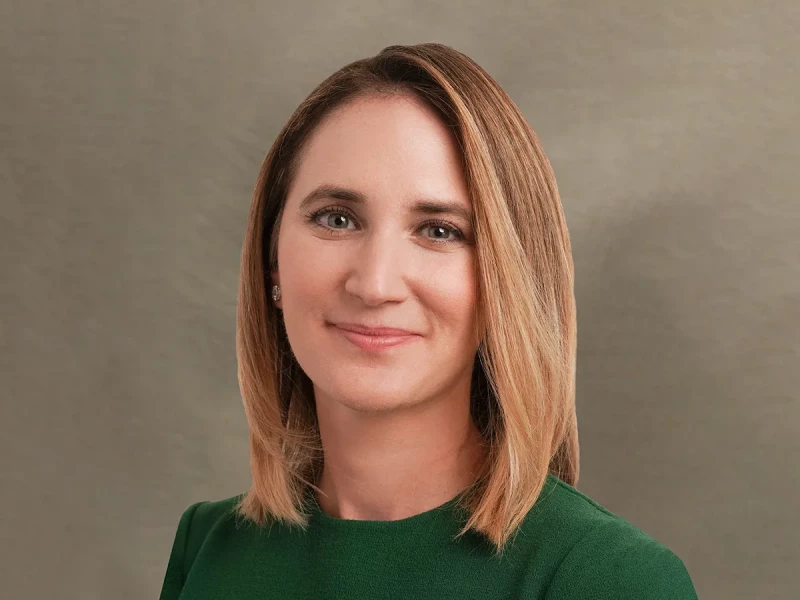
Wesley LePatner never wrote a book or sat on a panel talking about her philosophy. But the way she worked made her beliefs pretty clear to anyone paying attention.
She was not afraid of the unglamorous role. Before she became CEO of a $53 billion fund, she was the COO - the person making sure the engine actually runs. A lot of ambitious people skip past that kind of work because it doesn't sound impressive at a dinner party. LePatner didn't skip it. She mastered it. And that operational depth is a big part of what made her effective at the top.
She understood that in finance, relationships are not optional. Capital flows through trust. Deals happen because people trust your judgment and your word. LePatner built her network by actually showing up for people, not by collecting business cards. The fact that she was heading downstairs to meet a colleague for a drink after a long Monday says more about this than anything else could. She showed up.
She stayed curious long past the point where she could have coasted. Real estate is not a simple asset class. It moves with interest rates, with demographics, with zoning policy, with how people work and live. Leading BREIT meant staying on top of all of it, and LePatner kept putting herself in rooms where she would learn something. That habit doesn't come from ambition alone. It comes from actually caring about the work.
At 43, she was nowhere near done. That is the hardest part to sit with.
 Alex Dudov