
 Peter Smith
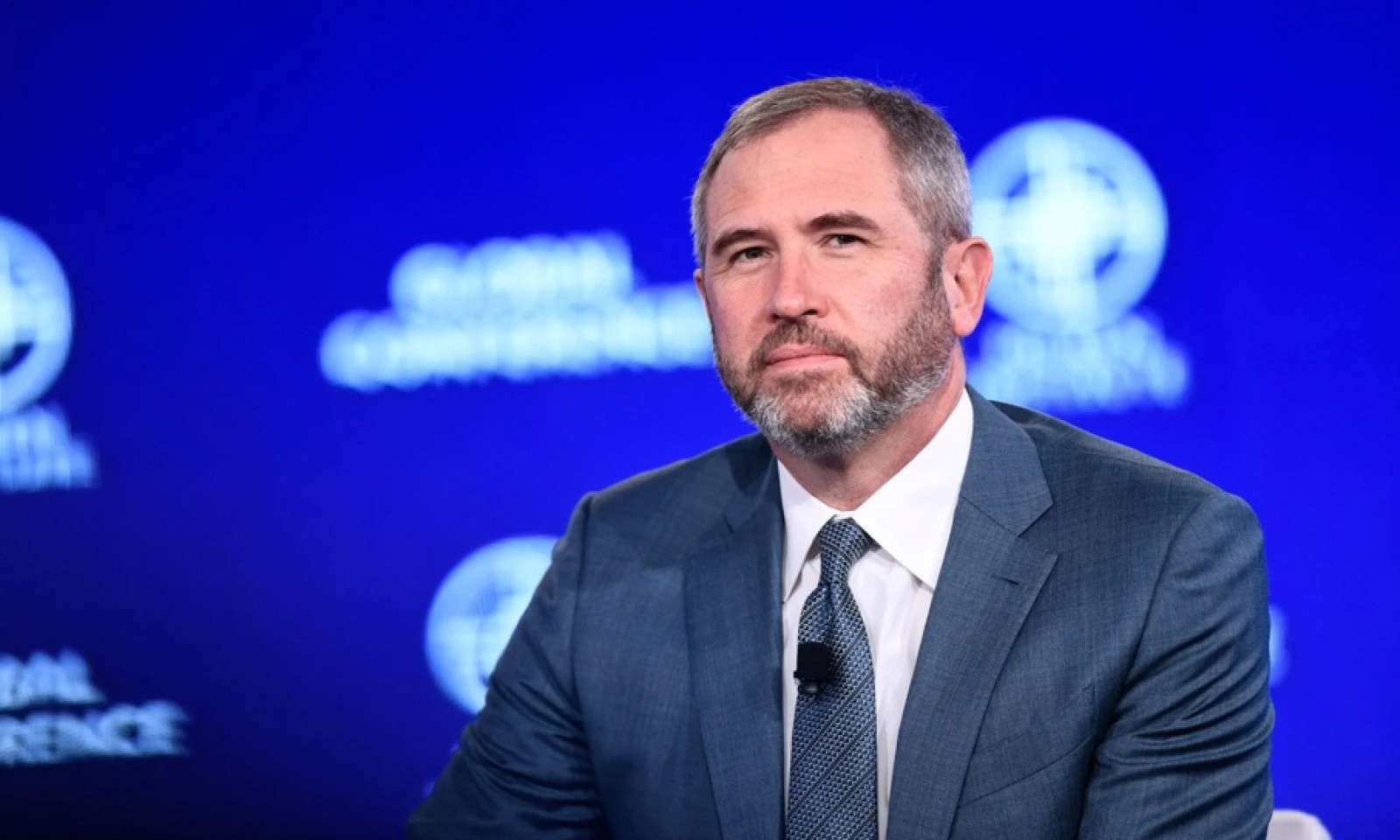
When most people were still trying to figure out what Bitcoin was, Brad Garlinghouse was already betting his career on an even bolder idea. He walked away from the comfort of Silicon Valley giants to lead a scrappy cryptocurrency company that promised to fix one of banking's oldest problems. That gamble made him a billionaire and put him at the center of one of crypto's biggest legal battles.
Early Career: From First Paycheck to Silicon Valley Success
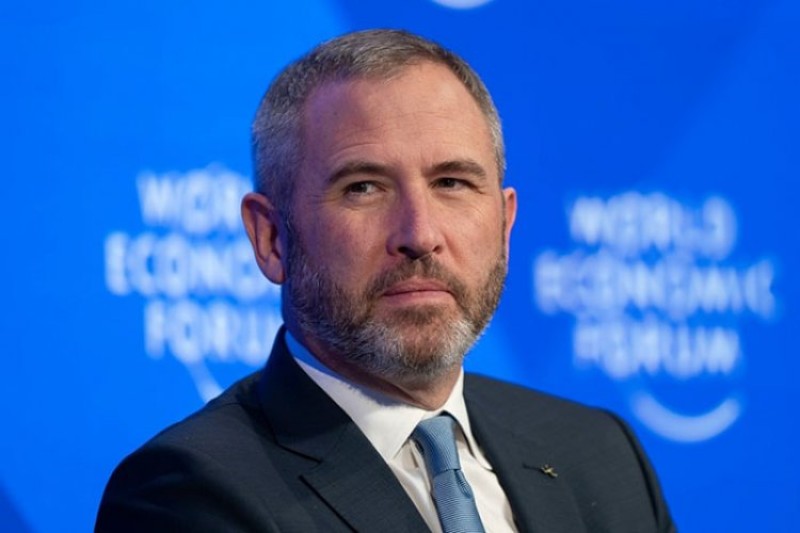
Brad's path to running Ripple didn't start with cryptocurrency at all. Back in the late 1990s, he landed his first real job at a company called @Home Network, which was bringing high-speed internet to people's homes when most folks were still using dial-up. He was pulling in a six-figure salary, which was pretty sweet for someone just getting started in tech. More importantly, he was learning to spot the next big thing before everyone else caught on.
His next move took him to Yahoo, where he worked from 2003 to 2009 and climbed his way up to senior leadership. While he was there, he wrote something that became legendary in Silicon Valley: the "Peanut Butter Manifesto." Basically, he called out Yahoo for trying to do too many things at once and doing none of them particularly well. The memo went viral inside the company and eventually leaked to the press. At Yahoo, Brad was making millions every year between his salary, bonuses, and stock options. But more than the money, he learned a crucial lesson that would shape everything he did later: companies need to focus on one clear vision instead of spreading themselves thin.
The Rise to Peak: Joining Ripple and Taking the Helm
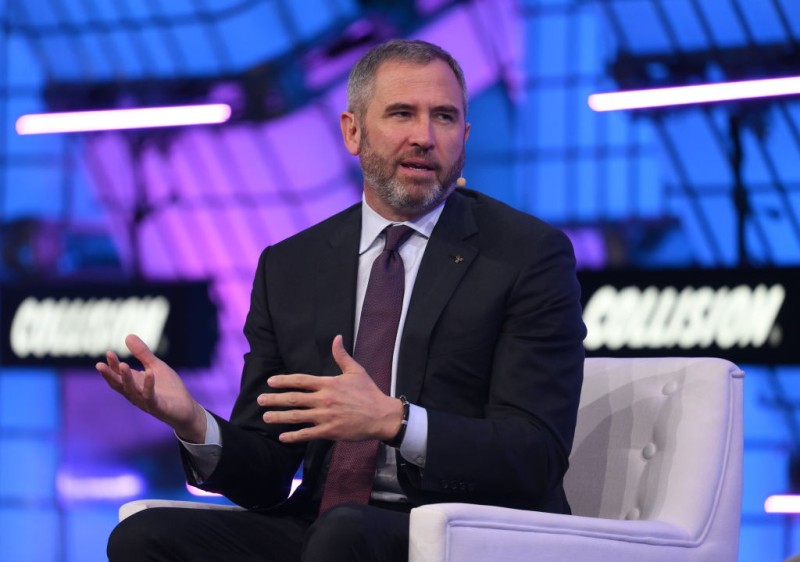
In 2015, Brad made a move that seemed crazy to a lot of people. He joined Ripple as Chief Operating Officer, and a year later became the CEO of Ripple. At the time, nobody outside of crypto circles had heard of the company, and XRP was worth just a few cents. His friends probably thought he'd lost his mind leaving the established tech world for this weird blockchain thing.
But Brad saw something others missed. He realized that sending money across borders was still painfully slow and expensive, even in the digital age. Banks were using technology from the 1970s to move trillions of dollars around the world. Ripple and XRP could change that, and he was determined to make it happen.
Under his leadership, Ripple started signing deals with real banks and financial institutions. We're talking major players like Santander, American Express, and hundreds of others. By the end of 2017, XRP exploded to over three dollars, and Ripple was suddenly valued at around 10 billion dollars. Brad's personal wealth shot up past 10 billion dollars, making him one of the richest people in crypto. Not bad for a gamble on a company most people had never heard of just a couple years earlier.
Current Financial Status and Earnings
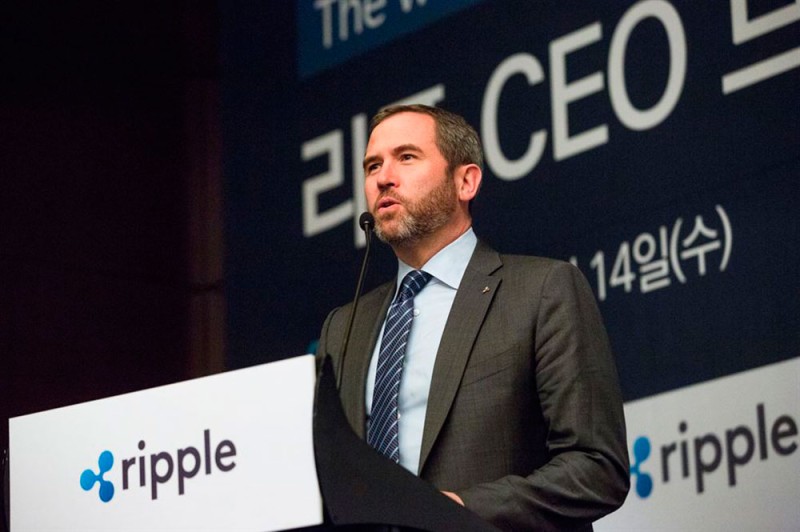
Today, Brad is still running Ripple and he's still one of the most powerful people in the entire blockchain world. His exact salary isn't public information, but people in the industry estimate he's making somewhere between 5 and 10 million dollars a year in base pay and bonuses. That's just his salary though. The real money is in his XRP holdings, which are worth hundreds of millions of tokens.
Experts estimate Brad's current net worth sits somewhere between 4 and 6 billion dollars, though that number bounces around depending on what XRP is trading at. Ripple itself is doing well financially, bringing in hundreds of millions in revenue every year from its payment solutions and XRP sales.
The last few years haven't been easy though. The SEC came after Ripple in December 2020, claiming XRP was an unregistered security. Brad didn't back down. He fought the case publicly and aggressively, and in July 2023, a judge handed down a ruling that was mostly a win for Ripple. The judge said XRP isn't necessarily a security in all situations, which vindicated Brad's strategy and sent XRP's price jumping. Through all the uncertainty and legal pressure, he kept the company moving forward and kept believing in the vision.
Core Principles: Garlinghouse's Blueprint for Success
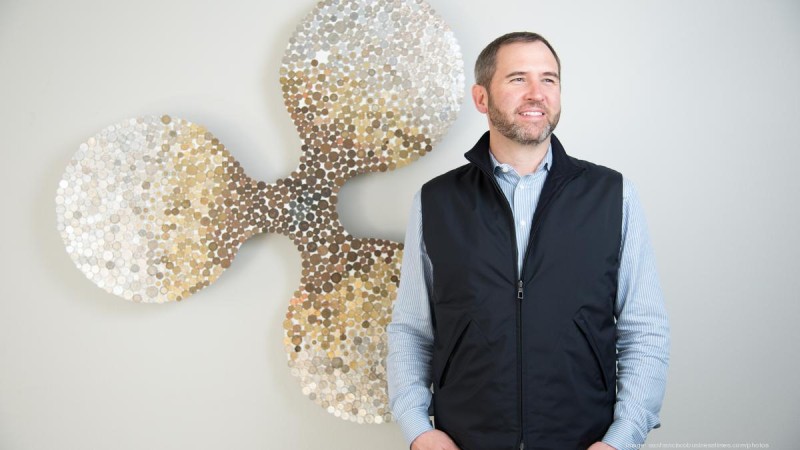
If you look at how the CEO of Ripple built his career, a few clear themes emerge. First and foremost, he's obsessed with focus. That "Peanut Butter Manifesto" he wrote at Yahoo wasn't just corporate drama. It was a philosophy he genuinely believes in. He thinks companies fail when they try to do everything, and they succeed when they pick one big problem and solve it better than anyone else. At Ripple, that meant focusing entirely on cross-border payments instead of trying to be everything to everyone in crypto.
Second, Brad believes in working with regulators, not running from them. A lot of crypto founders talk about disrupting the system and operating outside government control. Brad took the opposite approach. He put on a suit, flew to Washington, and tried to convince lawmakers that clear rules would help everyone. Some crypto purists called him a sellout, but his strategy allowed Ripple to work with traditional banks that would never touch a company trying to avoid regulation. When the SEC sued, he didn't settle quietly. He fought publicly because he genuinely believed Ripple was following the rules.
Third, he plays the long game. During the SEC lawsuit, Ripple's competitors were spreading rumors that the company was finished. The price of XRP crashed. Employees got nervous. Brad could have given up or moved on to something easier. Instead, he kept his head down and stuck to the plan. He talks a lot about building real businesses instead of chasing hype, and he's proven he means it. Real value takes time, and you have to be willing to weather the storms.
Finally, Brad isn't afraid to make bold bets when he sees an opportunity. Leaving Yahoo for a cryptocurrency startup that barely anyone had heard of was a massive risk. It could have destroyed his career. But he believed in the technology and the problem it could solve, so he went all in. He tells entrepreneurs all the time that the biggest wins come from having the courage to lead when the path isn't clear. You can't just follow the crowd and expect extraordinary results. Sometimes you have to take the leap and figure it out as you go. That philosophy has defined his entire career and turned Ripple from an unknown startup into one of the most important companies in blockchain.
 Peter Smith



