Alex Dudov
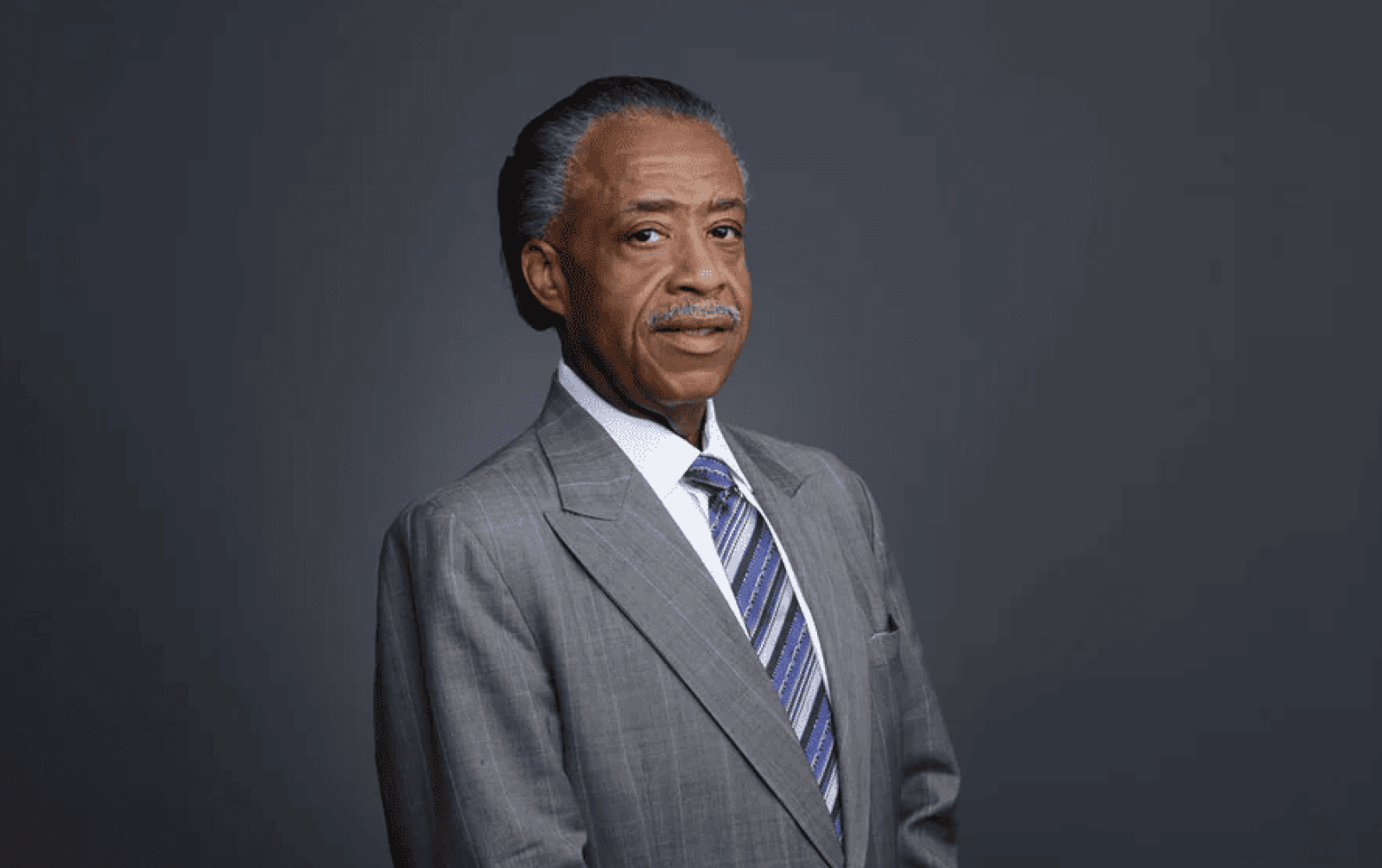
Not many people can say they preached their first sermon at four years old. Al Sharpton can. What started on a church stage in Brooklyn turned into one of the most recognizable careers in American public life - part minister, part activist, part television host, and full-time lightning rod. His path to financial stability was never straightforward, but by 2026, al sharpton net worth sits somewhere between $500,000 and $1.5 million, built through decades of work that few people would have predicted from his early years in public housing.
Al Sharpton's First Earnings: Preaching at Age 4
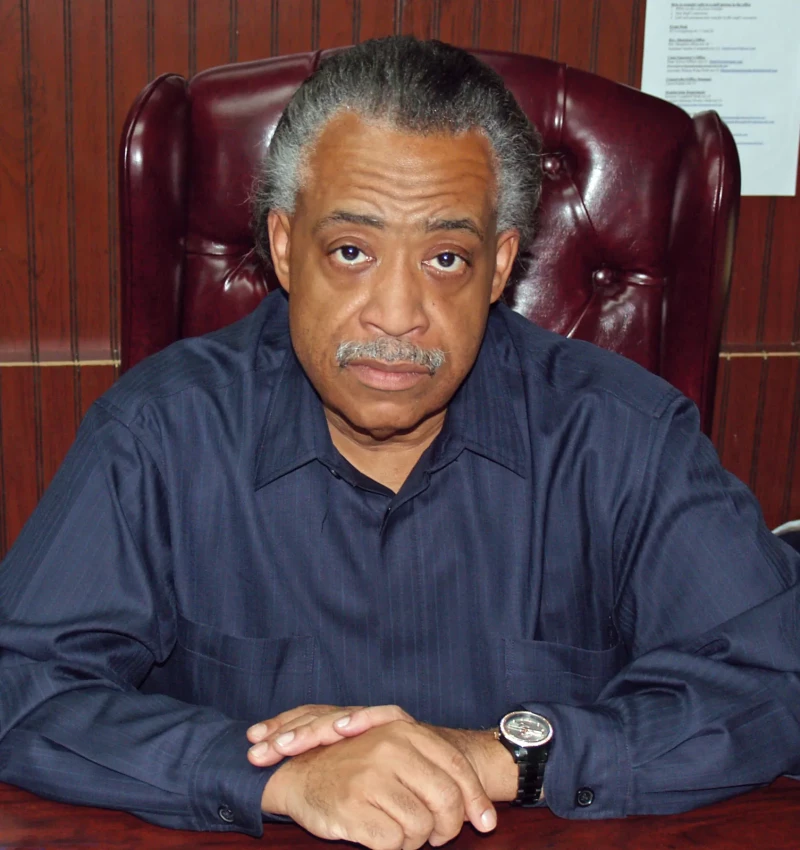
Alfred Charles Sharpton Jr. was born in Brooklyn on October 3, 1954. His family wasn't wealthy - after his father left in 1963, his mother moved them out of their middle-class neighborhood and into the housing projects of Brownsville. But even there, Sharpton found his voice early. He delivered his first sermon at age four, started touring with gospel legend Mahalia Jackson as a child, and by the time he was nine, Bishop F.D. Washington had ordained him as a licensed Pentecostal minister. The collection plates weren't going to make him rich, but they gave him something more useful: an audience and a platform.
His first real organizational job came in 1969. Jesse Jackson personally appointed the 15-year-old Sharpton as youth director of the New York City branch of Operation Breadbasket, a group pushing for better employment opportunities for Black Americans. Two years later, in 1971, Sharpton founded the National Youth Movement on his own, raising resources for kids growing up in poverty. He was barely out of high school and already running organizations. Activism wasn't just a passion - it was his livelihood.
Building a Career: NAN, Radio, and Al Sharpton Net Worth in the Making

Through the 1980s, Sharpton became a fixture in New York City news coverage, leading protests and inserting himself into high-profile racial injustice cases. The media attention made him famous, but not particularly rich. His income in those years came mostly from ministry fees, speaking engagements, and organizing work - not exactly lucrative by any standard.
The real financial shift came in 1991 when he founded the National Action Network (NAN), a civil rights nonprofit that gave him a proper institutional base. NAN eventually became both a megaphone for his activism and a source of substantial compensation. Public filings later showed he collected close to $1 million in NAN bonuses alone over a seven-year stretch, on top of his regular salary. Then in 2006 he launched a nationally syndicated radio show, Keepin' It Real, which grew to 40 markets broadcasting five days a week. Suddenly there were multiple income streams, and al sharpton net worth started to look like something real.
The MSNBC Peak: When Al Sharpton's Income Hit Seven Figures
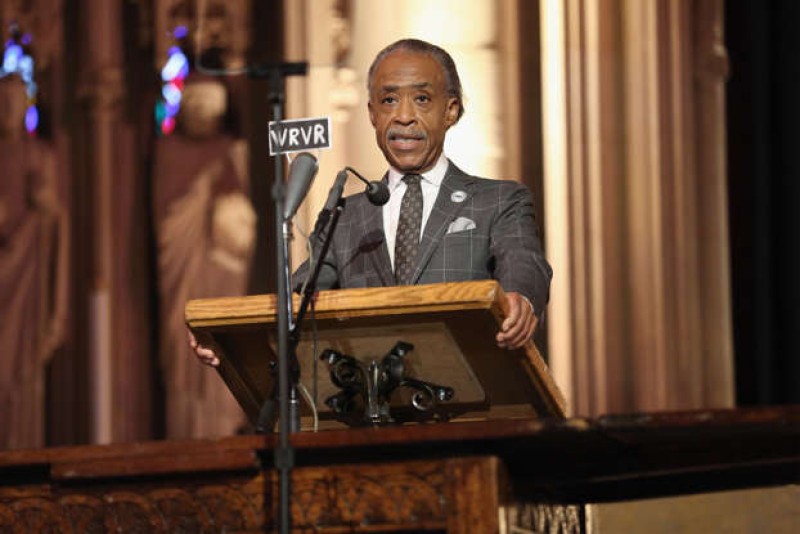
The biggest career move came in 2011, when MSNBC gave Sharpton his own prime-time show, PoliticsNation. He was now sharing airtime with some of the network's highest-paid personalities. His exact salary was never made public, but the numbers that did surface were telling. Tax filings obtained by the New York Post revealed that in 2019 alone, Sharpton pulled in over $1,046,948 from NAN - and that figure didn't include whatever MSNBC was paying him separately.
It wasn't all smooth sailing, though. In 2014 it came out that Sharpton and his companies owed more than $4.7 million in back taxes to the IRS and New York State. He paid down most of the debt by 2015, though between $2 and $3 million reportedly lingered for some time after that. It was a serious financial hit, and it knocked his net worth down considerably. But he didn't disappear. He kept hosting, kept leading NAN, and eventually rebuilt through consistent work and tighter financial management.
Al Sharpton Net Worth in 2026: What He Is Worth Today
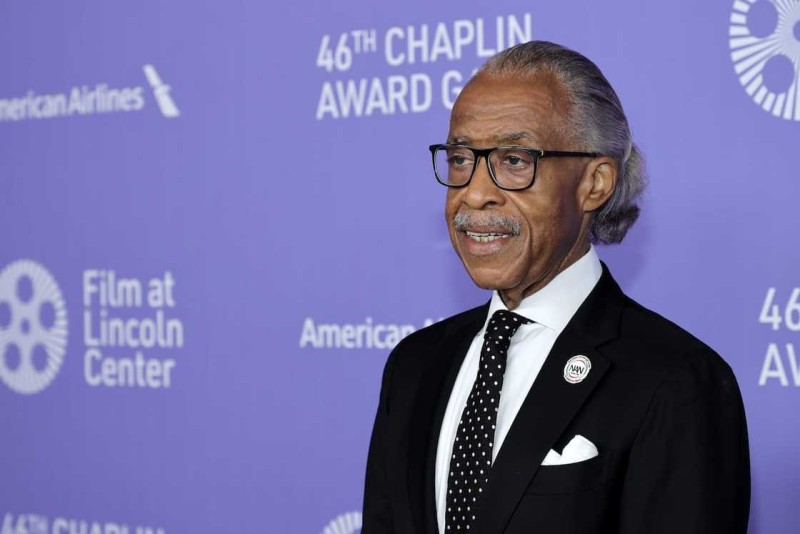
As of 2026, estimates for al sharpton net worth range from $500,000 to around $1.5 million, depending on which assets and liabilities you count. He reportedly owns a penthouse on Manhattan's Upper East Side valued at roughly $2.1 million, along with a family property in Alabama. His income today comes from several directions at once: weekend hosting duties on PoliticsNation, the Keepin' It Real radio program, NAN leadership compensation, speaking fees at universities and corporate diversity events, and royalties from books like The Rejected Stone and Rise Up. In 2025, he organized a major March on Wall Street focused on economic justice and DEI policy - proof that at 70, he has no plans to slow down.
Sharpton's Core Ideas on How to Succeed
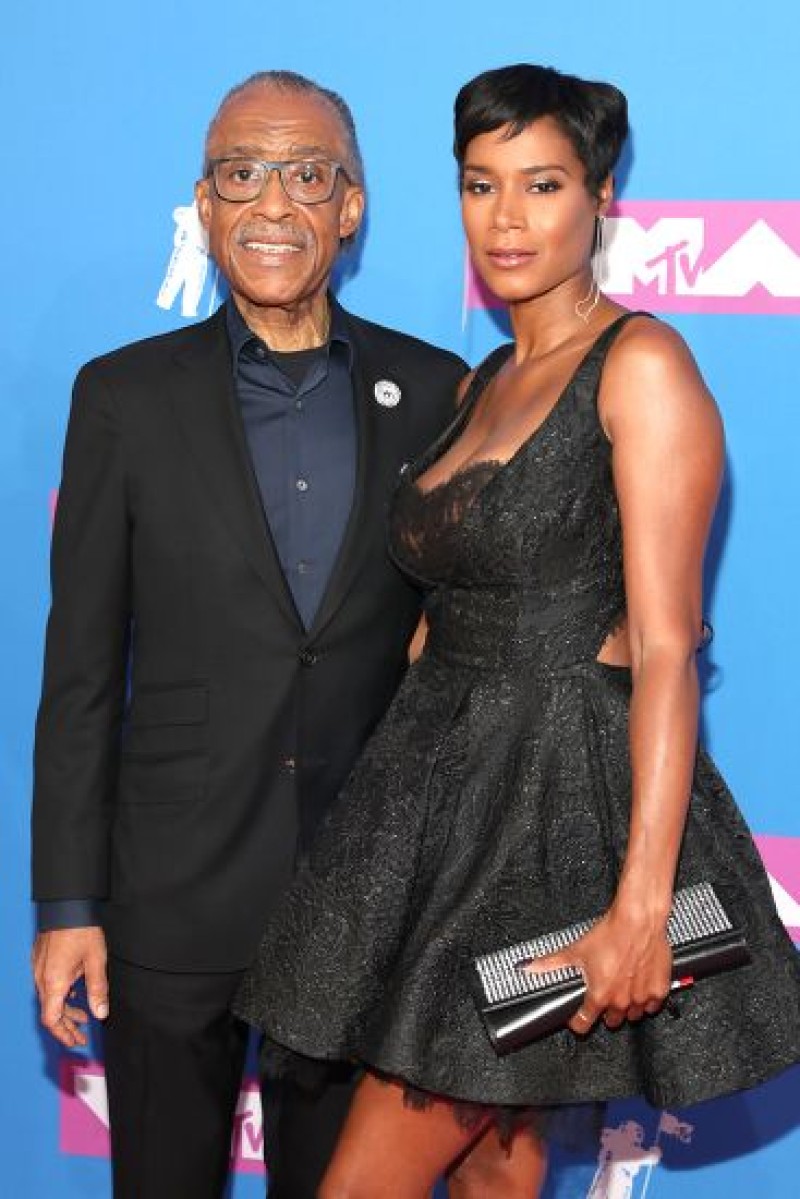
Ask Sharpton about success and he tends to say the same things, because he means them. He genuinely believes that where you start doesn't determine where you end up - and his own life from the Brownsville projects to prime-time television is the evidence he offers. He's blunt about the need for active participation rather than sideline commentary: you can't fix a broken system by complaining about it from a distance. He's also consistent on the idea that leaving communities behind - through unequal schools, limited economic access, systemic barriers - is not just unjust but strategically self-defeating for the whole country. And above everything else, he keeps showing up. Staying visible, staying vocal, and refusing to be written off. For Sharpton, that persistence isn't just a personality trait. It's the strategy.
 Alex Dudov