Sergey Diakov
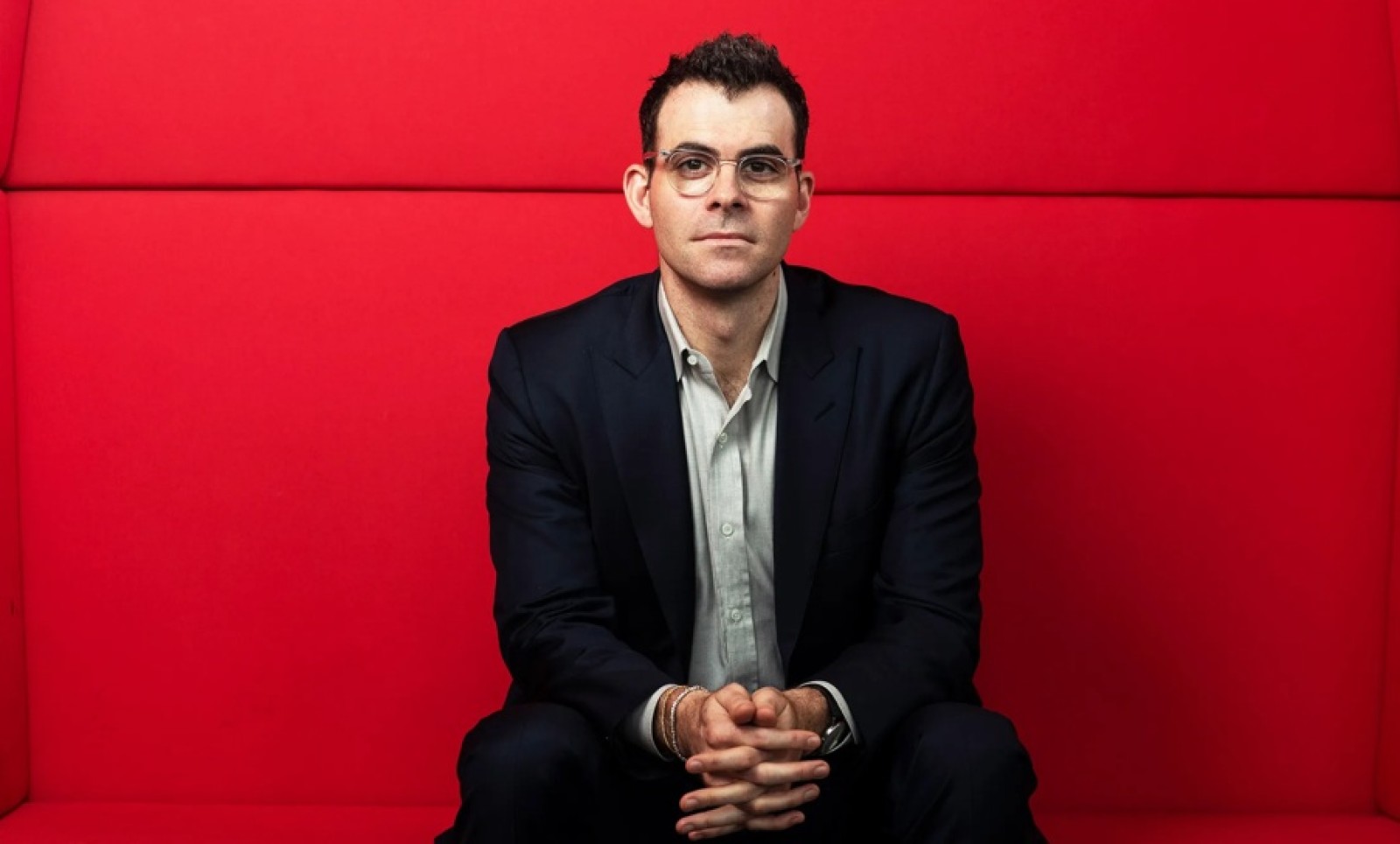
Adam Mosseri didn't wake up one day as the boss of one of the world's biggest social media platforms. His story is actually way more interesting than that—it's about a guy who started drawing interfaces and slowly worked his way up through one of the most competitive industries on the planet. Today, he's worth somewhere between $150-250 million and pulls in around $25-30 million a year. But here's the thing: it wasn't always like this. Let's break down how he got there and what we can learn from his climb to the top.
Early Career: How the Future CEO of Instagram Started Earning
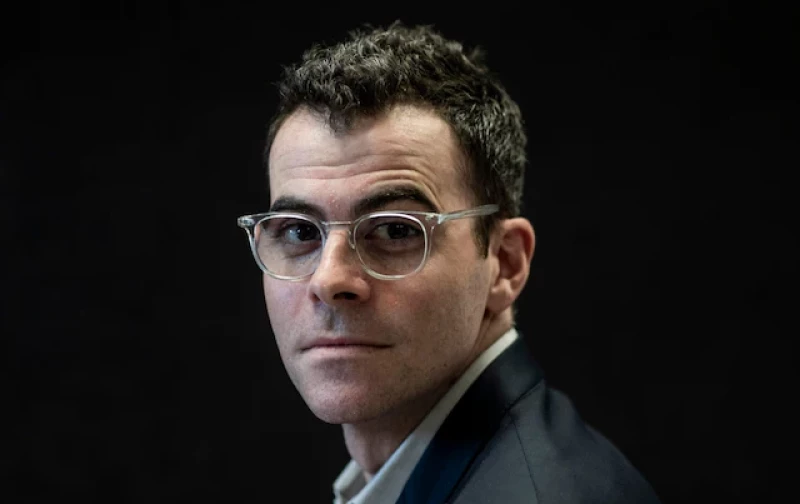
So Mosseri was born in New York back in 1983, went to NYU, and studied something called Information Design. After graduating, he landed his first real gig at a design consultancy called TeeVee Design in New York. Nothing fancy—just a product designer trying to make rent like everyone else. Back then, he was probably making around $50,000-$70,000 a year, which in New York doesn't exactly make you rich, right? But what made him different wasn't the paycheck. It was how he thought about design—not just making things look pretty, but understanding why people click what they click and how they actually use stuff.
Fast forward to 2008, and he makes this huge call to join Facebook. Remember, this is when Facebook was still figuring itself out, not the mega-corporation it is today. Mosseri started as a product designer working on the news feed, and his salary jumped to somewhere around $120,000-$150,000. That's a nice bump, but still nowhere near what he'd eventually make. The real value? He was getting in on the ground floor of something massive, even if nobody knew just how massive it would become.
Career Growth: The Path to Becoming CEO of Instagram
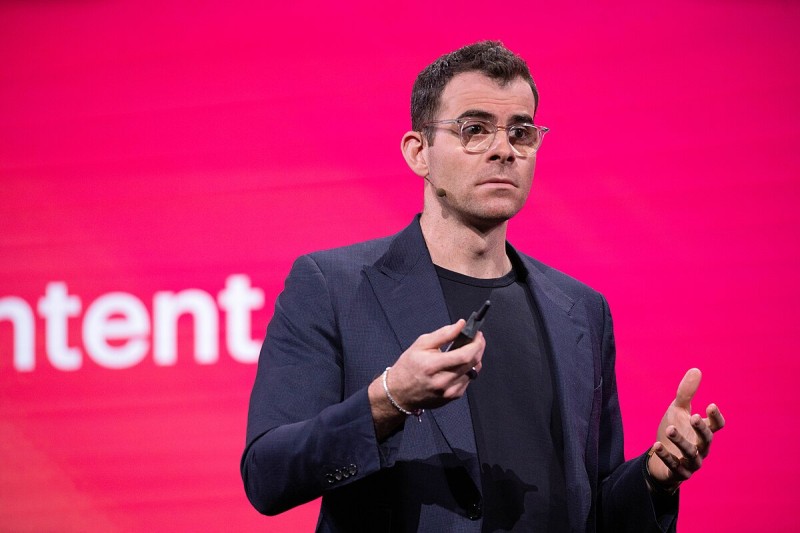
Here's where things get really interesting. Mosseri didn't just sit around doing the same job year after year. By 2011, he'd already climbed up to lead Facebook's mobile product design team—and this was right when Facebook was freaking out about mobile. Everyone was on their phones, and Facebook needed to figure that out fast. His pay probably hit around $200,000-$300,000, plus stock options that would end up being worth way more than his salary.
Then Facebook drops a billion dollars on Instagram in 2012. Wild, right? Mosseri keeps working on Facebook's main products for a while, but by 2018, he's running the News Feed—basically the heart of Facebook. That's when Instagram's founders, Kevin Systrom and Mike Krieger, decide to leave after some drama with Mark Zuckerberg. And who does Zuckerberg pick to take over Instagram? Yep, Mosseri. Suddenly he's the CEO of Instagram, and his compensation package shoots up to around $10-15 million a year when you count everything—salary, bonuses, stock, the whole deal.
Peak Success: Leading Instagram in the Modern Era
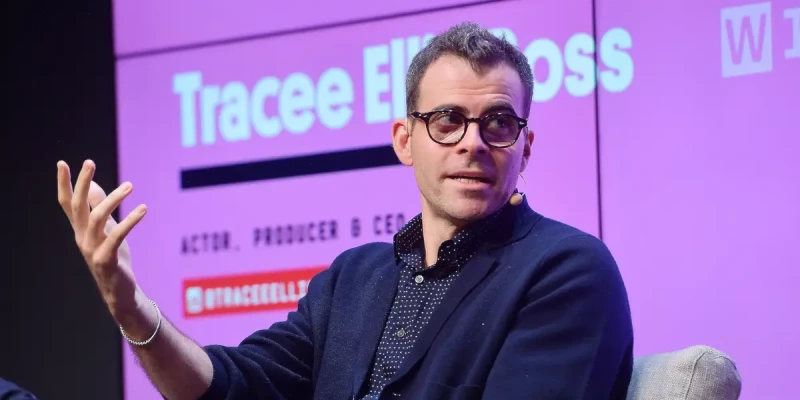
These days, Mosseri's running a platform with over 2 billion people using it every month. That's insane when you think about it. As the CEO of Instagram, he's dealing with everything—figuring out how to compete with TikTok, keeping creators happy, handling all the political stuff around content moderation, and trying to keep regulators off their backs. His total compensation now? Probably somewhere between $20-30 million annually when you add up his base salary, bonuses, and the massive stock grants that come with being a top Meta executive.
What's kind of cool about Mosseri is that he actually shows his face. He posts these videos on Instagram explaining why they're making changes, responding to complaints, being pretty transparent for a tech CEO. That's not super common in Silicon Valley, where most executives hide behind PR teams. He's been steering Instagram through some massive shifts too—like pushing hard into video and Reels to fight back against TikTok, even though a lot of users weren't thrilled about it at first.
Current Net Worth and Earnings
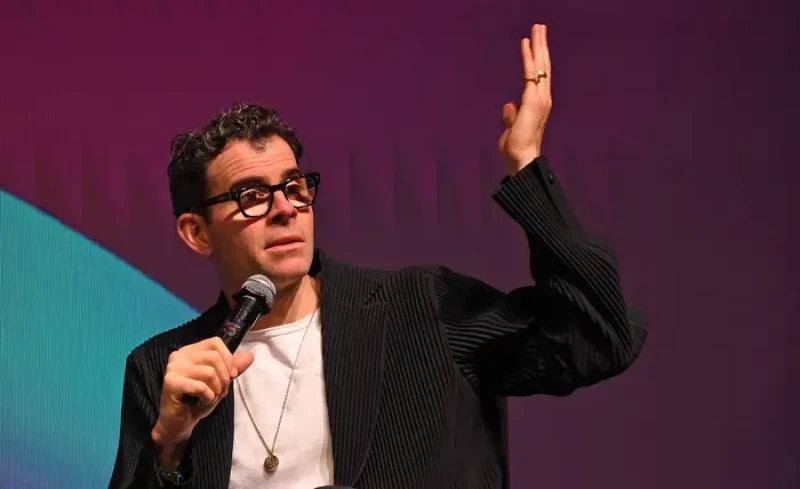
Mosseri keeps his bank account details private, which makes sense, but people who track this stuff estimate he's worth around $150-250 million. Most of that comes from Meta stock he's been collecting over his 15+ years at the company, plus all that executive compensation we talked about. As the CEO of Instagram right now, he's pulling in an estimated $25-30 million per year total. That puts him up there with the highest-paid people in social media. And unlike some tech folks who cash out and buy yachts, most of his wealth is still tied up in Meta stock, which means he's betting on the company's future just like any investor would.
Key Principles: Adam Mosseri's Ideas for Success
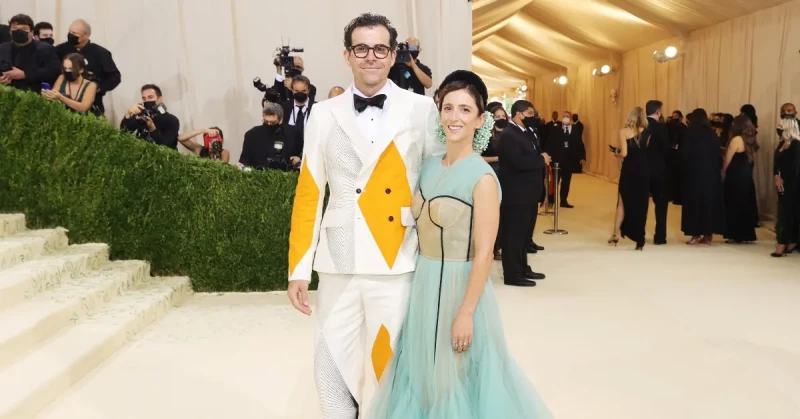
Throughout his career, Mosseri's shared some pretty solid advice about what actually works when you're trying to build something or climb the ladder. First off, he's huge on empathy—not just asking people what they want, but really understanding what they need. He says the best products solve problems people didn't even realize they had. Think about Instagram Stories—nobody was asking for that, but once it existed, everyone used it.
Second thing? Be transparent. That's why he's always posting on Instagram itself, explaining decisions, even when people are mad at him. He thinks leaders today can't just send out boring press releases. You've gotta actually talk to people directly, show your face, take the heat when it comes. It builds trust, even if it's uncomfortable sometimes.
Third, he's all about playing the long game instead of chasing quick wins. Even when there's pressure to jump on every trend, Mosseri's pushed Instagram to focus on sustainable growth and taking care of creators rather than just goosing the engagement numbers for the next quarterly report. That's harder than it sounds when investors are breathing down your neck.
And finally—and this one's pretty important—he believes you gotta keep learning and adapting. Mosseri didn't study computer science or get an MBA. He came from design. But he was willing to learn about tech, business strategy, leadership, all of it, as he went along. His advice? Stay curious, take jobs that scare you a little, and don't be afraid to bet on new platforms before everyone else does. That willingness to take smart risks, he says, is what separates the people who end up leading from the people who just follow along. And looking at where he ended up, seems like he might be onto something there.
 Sergey Diakov