Editorial staff
- Scrap Metal Is a Supply Chain Input
- Different Metals Mean Different Markets
- Scrap Prices Move With the Economy
- Processing Is Where Value Is Created
- Location Shapes Scrap Markets
- Scrap Helps Manage Supply Risk
- Transportation Has a Direct Impact on Margins
- Export Demand Influences Domestic Prices
- Technology Is Changing Scrap Trading
- Scrap Is Now a Planned Input
- The Business Takeaway
For many industries, scrap metal is not a side activity. It is part of how supply chains stay flexible, costs stay manageable, and production keeps moving.
Understanding how scrap metal works as a market helps explain why it matters to manufacturers, traders, and industrial buyers.
Scrap Metal Is a Supply Chain Input
Scrap metal feeds directly into steel mills, foundries, and manufacturing plants.
Instead of relying only on newly mined metal, producers use recycled metal to support production. This is not about image or sustainability marketing. It is about availability and cost.
Scrap metal is already processed. It does not need to be mined or refined from raw ore. That shortens lead times and lowers input costs.
For businesses that rely on metal, scrap provides another source of material when primary supply is tight or expensive.
Different Metals Mean Different Markets
Scrap metal is not one product.
There are two main categories. Ferrous metals contain iron and include steel and cast iron. Non ferrous metals include copper, aluminum, brass, stainless steel, and others.
Each type trades differently.
Steel scrap moves in high volume and is tied closely to construction and infrastructure demand. Copper and aluminum trade at higher prices and respond more to global manufacturing trends.
Pricing depends on:
- Metal type
- Cleanliness and contamination
- Size and form
- Local demand
This makes sorting and grading critical for anyone selling scrap.
Scrap Prices Move With the Economy
Scrap metal prices rise and fall based on economic activity.
When manufacturing and construction increase, mills need more feedstock. Scrap demand rises and prices follow. When projects slow down, demand drops and prices soften.
This is why scrap prices often act as an early signal of economic change.
Steel scrap reflects local building activity. Copper and aluminum tend to move with broader global markets. Traders and industrial buyers watch these trends closely.
Processing Is Where Value Is Created
Scrap metal does not gain value just by being collected.
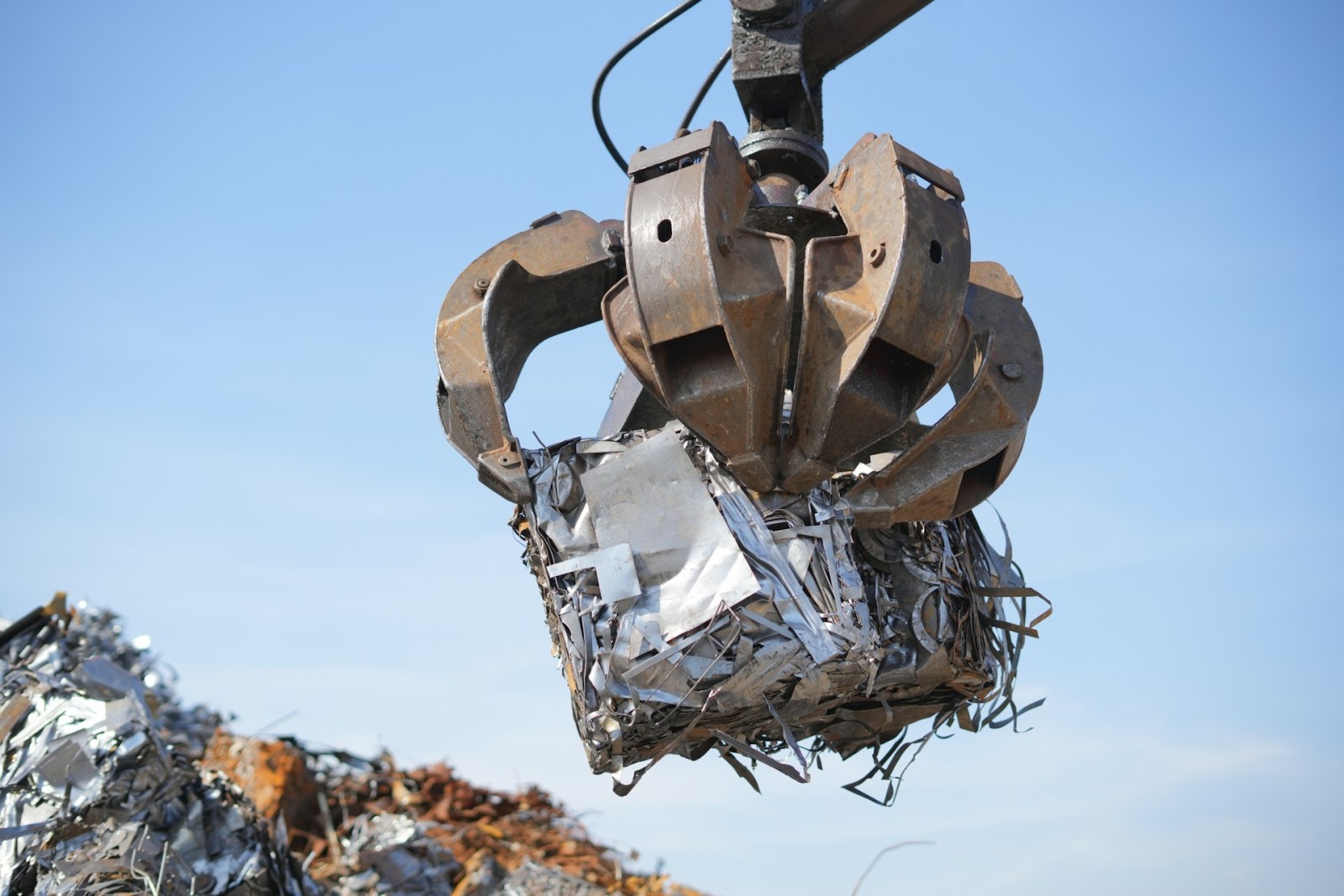
Value is created through processing. This includes cutting, shredding, sorting, and preparing metal so it can be reused efficiently.
Clean, well prepared scrap sells faster and for better prices. Poorly sorted material slows down buyers and reduces margins.
Businesses that invest in processing equipment and trained staff usually outperform those that only collect and resell material without refinement.
Location Shapes Scrap Markets
Scrap metal markets are regional.
Prices depend on distance to buyers, transportation costs, and access to mills or export terminals. A recycler close to industrial hubs can move material faster and at lower cost.
This is why local infrastructure matters.
For companies selling or sourcing scrap metal, working with established processors helps reduce pricing swings and delivery delays. Proximity improves reliability.
Scrap Helps Manage Supply Risk
Supply chains are rarely stable.
Mining delays, shipping disruptions, and price spikes can affect access to primary metals. Scrap metal helps reduce that risk by offering an alternative source.
Because scrap is already in circulation, it can often be delivered faster than newly produced metal. This makes it useful during periods of uncertainty.
Manufacturers that plan for scrap use gain flexibility when markets tighten.
Transportation Has a Direct Impact on Margins
Scrap metal is heavy and bulky.
Moving it is expensive. Transportation costs affect profit as much as purchase price. Efficient routing, proper loading, and volume planning all matter.
Poor logistics can erase gains from strong pricing. Successful scrap operators focus on moving material efficiently and avoiding unnecessary handling.
Transportation strategy is not optional. It is part of the business model.
Export Demand Influences Domestic Prices
Scrap metal does not stop at borders.
When overseas buyers increase imports, domestic prices often rise. When exports slow, local supply increases and prices fall.
This is especially true for non ferrous metals, which are easier to transport and trade globally.
Trade policies, shipping costs, and currency shifts all affect how scrap moves between markets.
Technology Is Changing Scrap Trading
Scrap metal markets were once opaque.
Today, pricing data, inventory systems, and logistics tools make the market easier to track. Buyers and sellers can respond faster to changes in demand and supply.
Digital tools help reduce guesswork and support more consistent pricing decisions. As transparency improves, scrap metal behaves more like a formal commodity market.
Scrap Is Now a Planned Input
Scrap metal is no longer an afterthought.
Many manufacturers and processors plan scrap sourcing in advance. They monitor prices. They build long term relationships with suppliers. They treat scrap like any other raw material.
This shift has made the market more competitive and more professional.
Scrap metal has moved from cleanup task to supply strategy.
The Business Takeaway
Scrap metal plays a real role in modern industry.
It supports manufacturing, responds to economic cycles, and offers flexibility during supply disruptions. Its value depends on market demand, processing quality, and logistics efficiency.
For businesses operating in materials, construction, or manufacturing, scrap metal is not just recycling. It is a secondary materials market with real pricing, real risk, and real opportunity.
Understanding how it works is now part of doing business.
 Editorial staff