Saad Ullah
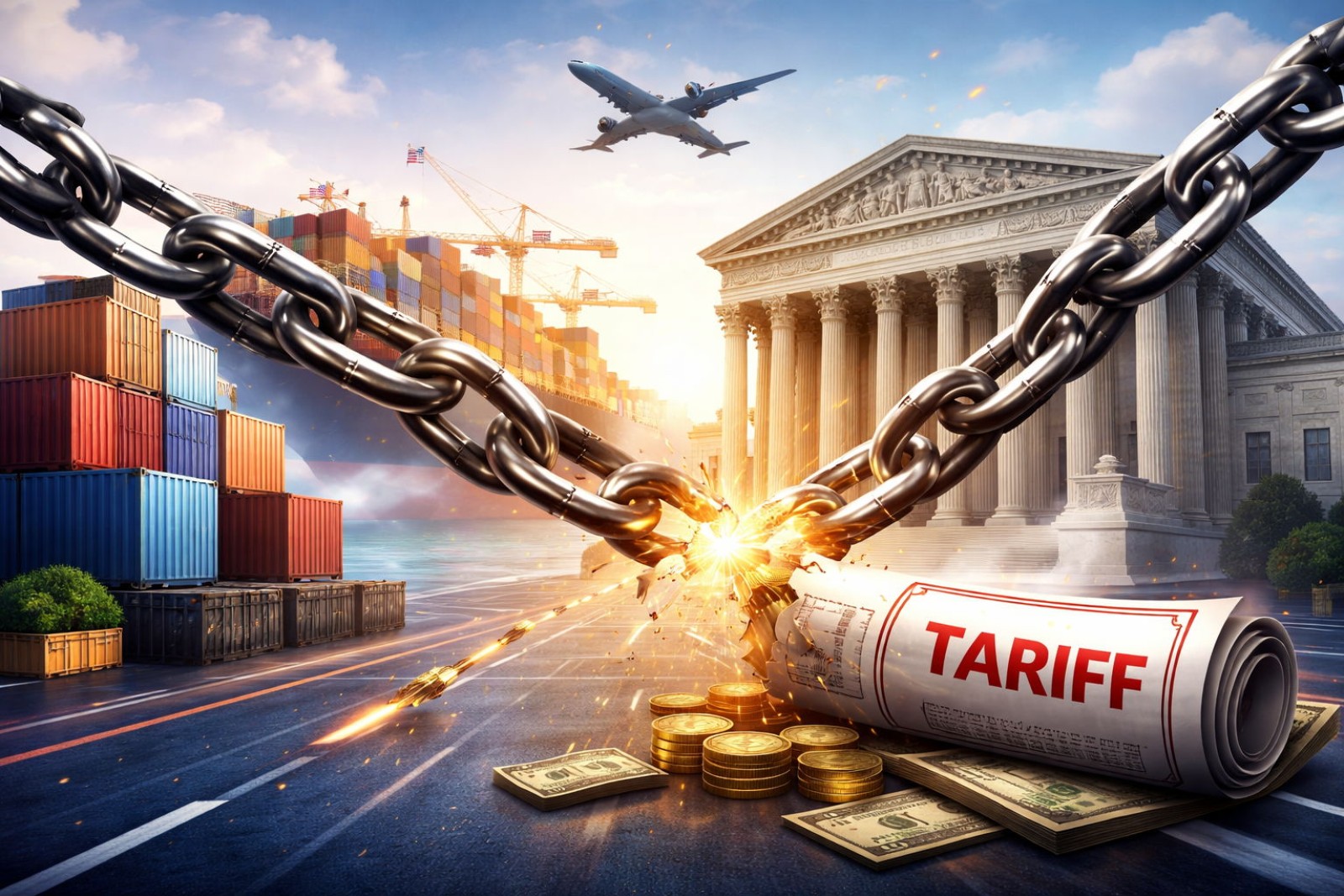
A landmark Supreme Court decision just changed the rules of the game for U.S. trade policy. The court ruled that President Trump overstepped his statutory authority when he used emergency powers to impose broad global tariffs, drawing a clear line between what the executive branch can do unilaterally and what requires congressional backing. For investors, companies with cross-border exposure, and anyone watching sectors like electric vehicles and Chinese imports, the implications are real and immediate.
Supreme Court Rules Trump Exceeded Authority on Global Tariffs
The court struck down the legal basis for certain tariff measures that lacked explicit legislative support, while leaving untouched tariffs imposed under established statutes like Section 301 of the Trade Act. This isn't a blanket elimination of tariffs, but it does narrow the conditions under which sweeping duties can be applied without Congress signing off first.
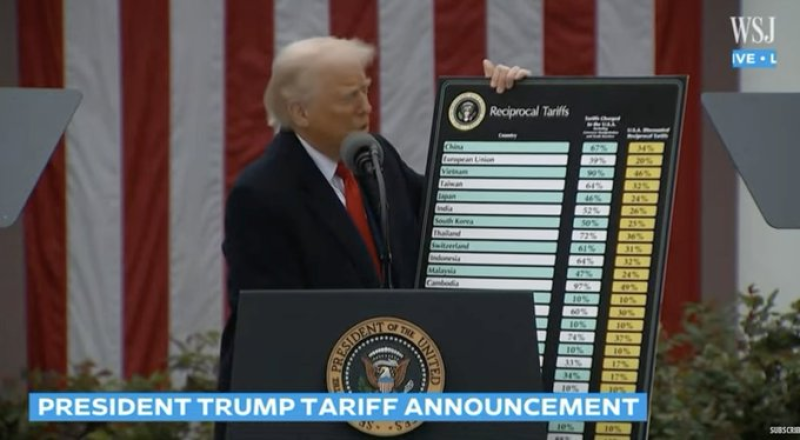
The ruling is particularly relevant for industries already navigating high duty rates on Chinese imports, including the EV sector. While existing tariffs anchored in statute remain valid, the decision raises fresh questions about which measures could now face legal challenges and how aggressively future administrations can act without explicit legislative cover.
What This Means for Trade Policy and Markets
The practical fallout is a more politically complicated trade environment. Any sweeping tariff push going forward will need stronger statutory grounding and, likely, broader bipartisan support. That's a meaningful shift from the more flexible executive approach that shaped recent trade history.
For companies with international supply chains, the ruling adds a new layer to global tariff shock planning. The legal landscape around tariffs is now more contested, which means regulatory risk assessments need to account for judicial challenges alongside the usual policy uncertainty. Meanwhile, trade policy developments elsewhere, like China extending zero-tariff access to dozens of African nations, underscore how quickly the competitive dynamics of global trade can shift.
The bottom line: the Supreme Court's decision doesn't end tariffs, but it does force future policy to be built on firmer legal ground. For markets and businesses tracking trade exposure, that's a structural change worth watching closely.
 Saad Ullah